Coelogyne Genus Seasonal Care Guide | Withholding Water in the Dry Season and Tips for Regulating the Bloom Cycle
A seasonal guide to Coelogyne, a type of epiphytic orchid, from watering during the growing season to dry-season drought management and tips for regulating the bloom cycle.

Key Takeaways
A seasonal guide to Coelogyne, a type of epiphytic orchid, from watering during the growing season to dry-season drought management and tips for regulating the bloom cycle.
Related Species
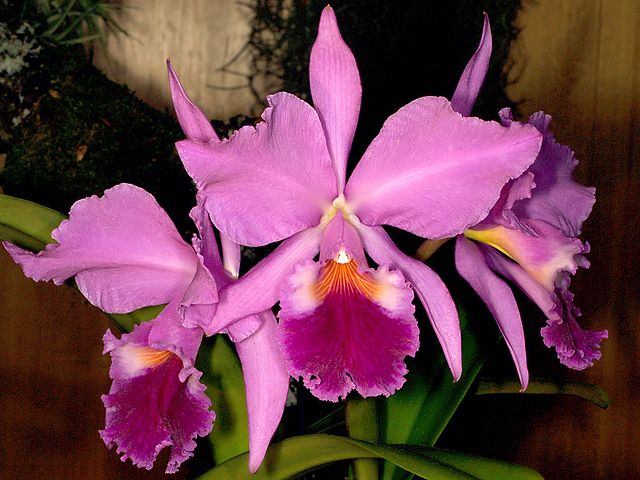
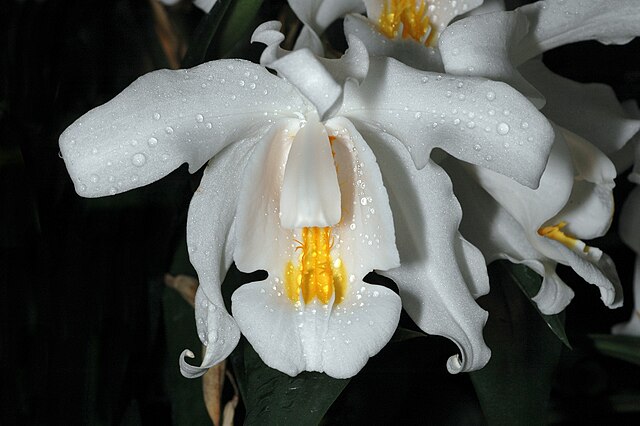
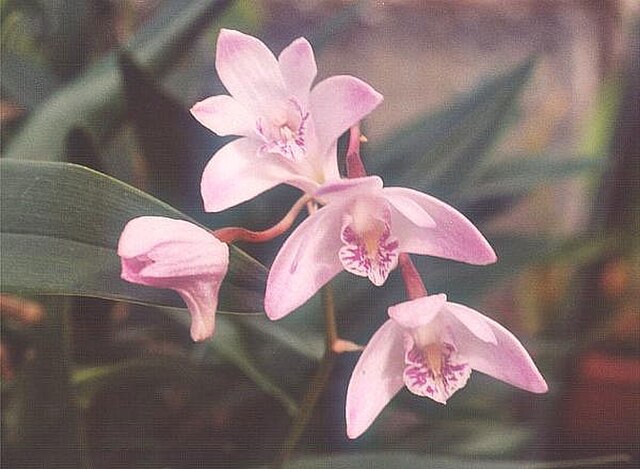
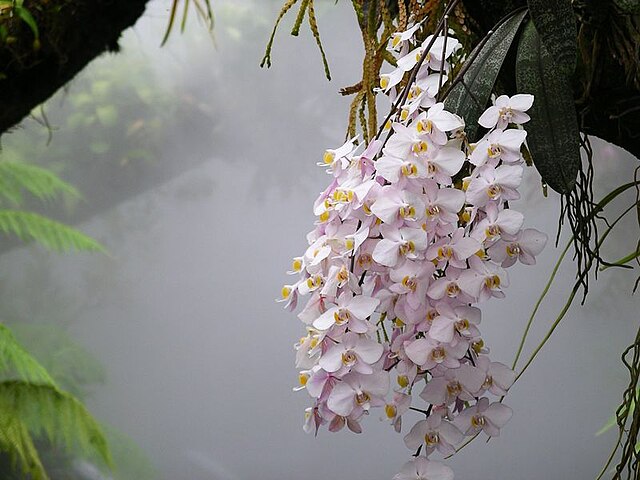
Coelogyne as an Option
The genus Coelogyne (Coelogyne) is a group of epiphytic orchids widely distributed from Southeast Asia through the foothills of the Himalayas to southern China. Most grow naturally in tropical and subtropical mountain regions, rooting themselves on tree trunks and rock faces while developing within distinct cycles of dry and rainy seasons. Many species have flower spikes that hang in drooping clusters, and a characteristic feature is the variety of species with a refreshing fragrance.
While domestic availability is more limited compared to Cattleyas and Phalaenopsis orchids, the genus has gained attention among intermediate and advanced orchid enthusiasts for its distinctive flower form and the depth of cultivation challenges. This article details the basic ecology of Coelogyne and provides a comprehensive seasonal management guide aligned with the dry and wet season climate rhythms.
Growing Season Management: Developing Full Pseudobulbs from Spring Through Autumn
Coelogyne vigorously produces new pseudobulbs (also called false bulbs) from spring through autumn. The management during this growing period essentially determines whether the plant will flower in the following season.
Location and Light
During the growing season, bright indirect to partly shaded light is ideal. Summer direct sunlight easily causes leaf burn, so use shade cloth or move plants to a bright spot indoors by the window as needed. Maintaining good air circulation also helps prevent root rot and pests.
Watering with Distinction
Due to the nature of epiphytic orchids, roots easily rot if constantly kept moist. The basic approach is to water thoroughly until water drains from the bottom of the pot only after the surface of the planting medium has dried. Choosing well-draining bark medium or unglazed clay pots helps prevent water from pooling in the pot and makes management easier.
Fertilization Tips
Use the following as a guide for fertilizing during the growing season.
- Liquid fertilizer: Apply every two weeks at about half the recommended concentration, mixed with watering
- Slow-release granular fertilizer: Apply as a top dressing in the bark approximately once every two months
- Choosing a fertilizer with higher nitrogen (N) content encourages fuller pseudobulb development
- From September onward, reduce nitrogen and switch to phosphorus and potassium (P/K)-based fertilizer to firm up the pseudobulbs
If pseudobulbs do not develop sufficiently before the season progresses, flowering will be poor that year. Building up strong plants during the growing season is the fastest path to reliable blooming.
Timing Water Withholding and Cool Temperature Treatment to Recreate the Dry Season
Most Coelogyne species use autumn and winter dryness and cool temperatures as a "signal" to trigger flower bud initiation. Ignoring this seasonality and watering the same way year-round will result in lush growth but poor flowering.
How to Gradually Reduce Water
Starting around October when temperatures begin to drop, gradually increase the intervals between waterings. From November through December, the guideline is to withhold water to the point that you wait several days after the planting medium has thoroughly dried before watering again.
However, completely withholding water risks killing fine roots. Continue to mist the entire plant lightly once or twice per month to keep roots from drying out completely. The key is to observe the plant and manage it so that root tips never completely desiccate.
Effects of Cool Temperature Treatment
In parallel with water withholding, lowering nighttime minimum temperatures to around 10–15°C further promotes flower bud initiation. This "day-night temperature differential" follows the same principle as cool temperature treatment for Dendrobium, and is the physiological mechanism by which epiphytic orchids sense seasonal changes in their native habitat.
For indoor cultivation, simply moving plants to locations like windowsills or hallways where nighttime temperatures drop can be effective. Leaving plants year-round in a heated living room makes it difficult to trigger flower bud formation, so care is needed.
Blooming Period Care and Tips for Long-Lasting Flowers
As flower buds begin to emerge from winter into spring, gradually ease off water withholding and return to normal watering. Once you observe flower spikes emerging from the base of the pseudobulbs, you can return to the same watering volume as during the growing season.
Since most Coelogyne flower spikes hang in drooping clusters, hanging the pot at a higher position or using a hanging basket allows you to fully enjoy the flowers' beauty. If placing on a shelf, it helps to position the pot slightly at the edge to provide space for flower spikes to hang downward.
Precautions During Blooming
- Moving the plant frequently causes flowers to drop early, so minimize relocating during bloom
- Avoid direct sunlight and direct air from heating or cooling systems
- No fertilizing during bloom (resume growing season fertilization after flowering ends)
- In dry indoor conditions, lightly misting the leaves and aerial roots improves flower longevity
Pseudobulbs after flowering continue to serve as a nutrient source for the plant in subsequent years. The rule is to leave them intact as long as they remain green.
Timing for Repotting and Division
The best time to repot is early spring when new growth begins. Repot approximately every 2–3 years, using as a guideline whether roots are protruding from the pot or the bark has broken down and drainage has deteriorated.
Spring just before the growing season begins is also ideal for division. Dividing plants into groups of 3–4 pseudobulbs ensures smooth subsequent growth. Dividing into units of 1–2 pseudobulbs can weaken the plant, potentially reducing flowering in subsequent years, so divide into as few sections as possible.
After repotting, for 2–3 weeks while roots establish, keep the plant in a location without direct sunlight and water somewhat sparingly to prevent root damage.
What to Look for When Selecting Plants from a Grower
Coelogyne has limited domestic availability, and many species are difficult to find at garden centers. Using channels where growers offer plants directly online makes it easier to find a diverse range of varieties.
When selecting plants, check the following points.
- Pseudobulb fullness: Choose plants with multiple plump, firm pseudobulbs. Plants with prominent shriveled, wrinkled pseudobulbs indicate unstable nutritional conditions.
- Root condition: Plants with fewer roots due to rot or overdrying take time to recover, so prioritize plants with abundant healthy roots.
- Cultivation information: Listings that include cultivation details (light levels, watering frequency, fertilization management) and flowering records help you determine whether you can grow the plant similarly in your own environment.
- Timing of arrival: Plants arriving in autumn or winter may have dried roots due to transport stress. After arrival, do not immediately switch to water withholding; instead, spend a few weeks providing normal watering to acclimate the plant, then transition to seasonal management cycles.
Coelogyne has a different seasonal management rhythm than Cattleya or Phalaenopsis orchids. Finding a management style suited to your growing environment by referencing cultivation data recorded by growers is the fastest path to consistent blooming. Simply keeping in mind these two cycles—dry season water withholding and robust growing season development—will allow your plants to grow into specimens that reliably produce beautiful flower clusters year after year.