How to Grow Neofinetia falcata (Fuuran) | Cultivating an East Asian Orchid as a Classical Garden Art
Neofinetia falcata (Fuuran) is an East Asian orchid representing classical garden art that has continued since the Edo period. This guide explains the fundamentals of cultivation, from the traditional moss-ball planting method to air circulation and shade management, as well as how to enjoy the foliage arts.
Key Takeaways
Neofinetia falcata (Fuuran) is an East Asian orchid representing classical garden art that has continued since the Edo period. This guide explains the fundamentals of cultivation, from the traditional moss-ball planting method to air circulation and shade management, as well as how to enjoy the foliage arts.
Related Species
What is Neofinetia falcata?
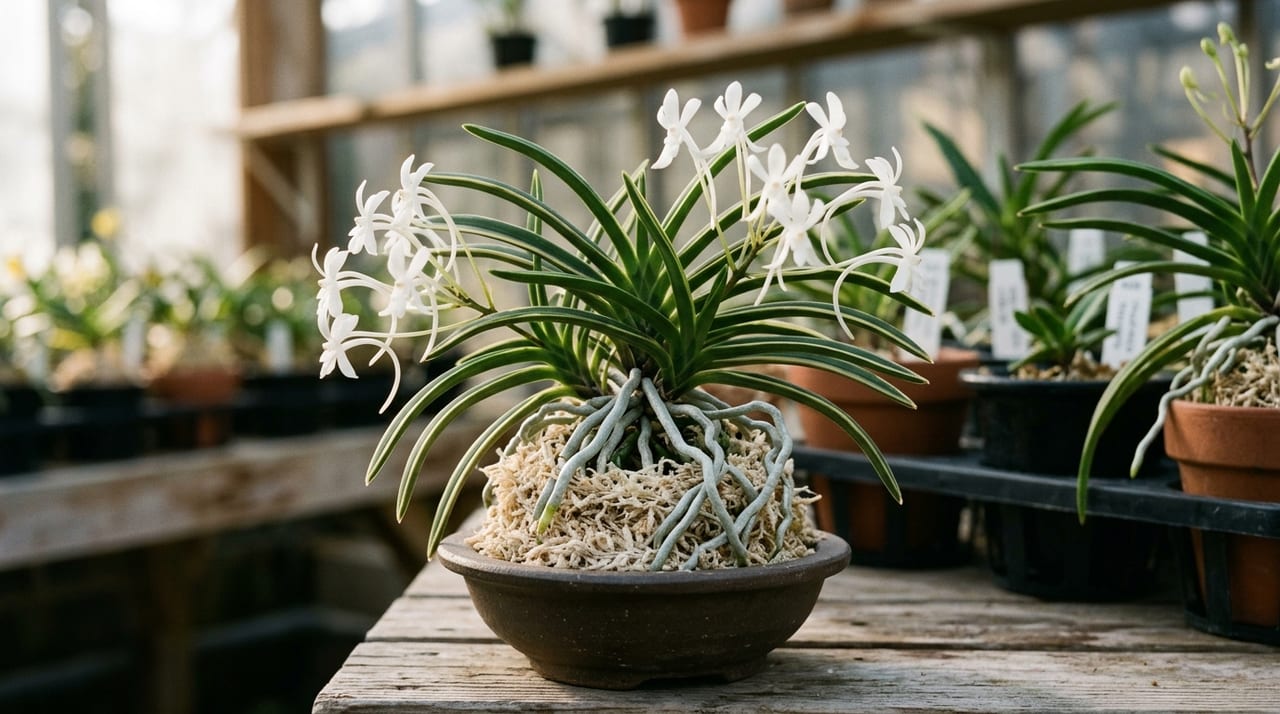
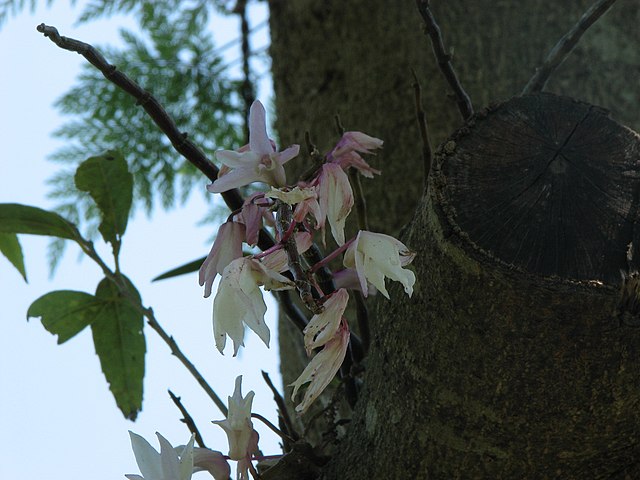
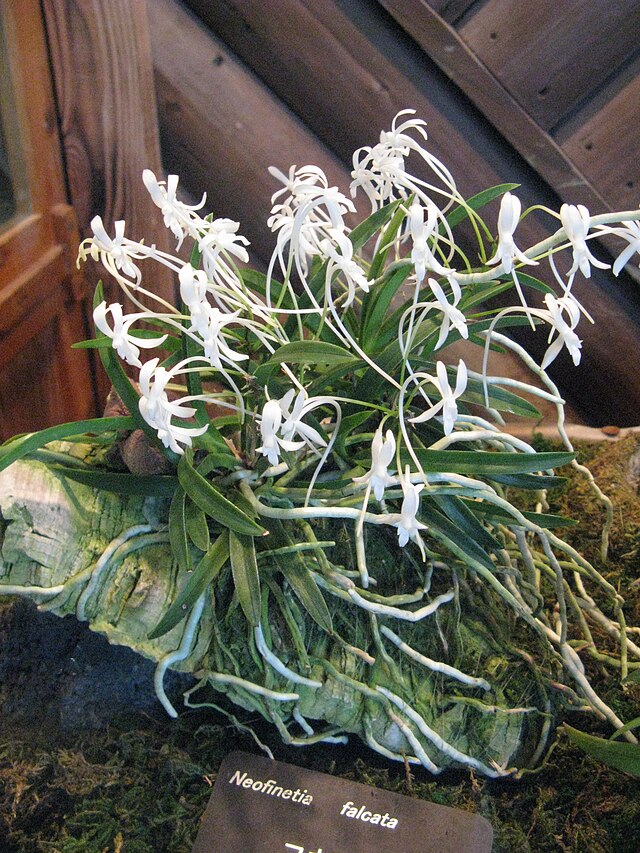
Neofinetia falcata (Fuuran) is an epiphytic orchid native to Japan and one of the most representative classical garden plants continuing from the Edo period. It is characterized by slender, fleshy leaves and white flowers that emit a strong fragrance on summer nights. The plant has been cherished for its unique aesthetic appreciation of the entire plant with roots filling the pot—viewing the roots as part of the landscape itself. While Japan's traditional East Asian orchids include Dendrobium moniliforme (Sekokoku), which is from a different genus and differs somewhat in cultivation culture by focusing mainly on the whiteness of the roots and the arrangement of leaves (foliage arts), Neofinetia falcata is appreciated for these particular qualities. During the Edo period, a boom in Neofinetia falcata popularity occurred among daimyo and wealthy townspeople, and as befitting its name meaning "wealth and nobility," it was treated as an auspicious plant. Through repeated selection during the Meiji, Taisho, and Showa periods, many varieties developed, showing variegation, striping, and leaf-shape variations. Today it remains one of the perennially popular plants among classical garden enthusiasts. Because it is compact and takes up little space, it has become an East Asian orchid that is easy to enjoy even on apartment balconies, and the hobby has recently attracted younger enthusiasts. The practice of arranging plants in rows on shelves and comparing the whiteness of roots and leaf arrangement from plant to plant represents a quiet, profound gardening culture distinctly different from the grand-flowered Western orchids that make flowers the centerpiece.
Planting with Sphagnum Moss
The traditional planting method for Neofinetia falcata is a technique called "tama-maki" (ball-wrapping), where roots are wrapped in sphagnum moss. The roots are placed in an unglazed Neofinetia falcata pot (a specialized pot with a narrowed opening) and gently wrapped and secured with moistened sphagnum moss. Sphagnum moss offers an excellent balance of water retention and air circulation, creating an environment where roots can contact air while remaining adequately moist—making it the ideal medium for growing this epiphytic orchid.
The repotting procedure is as follows.
- Spring (around April to May), when roots fill the pot, is the ideal time
- Carefully remove the old moss
- Trim damaged roots with clean scissors
- Rewrap with fresh moss
The tension of the moss wrap is crucial—if too tight, it impairs air circulation and leads to root rot; if too loose, it causes excessive drying. The ideal tension must be adjusted empirically based on the plant's condition. After repotting, allow the roots to establish in a location protected from direct sunlight and strong wind. Unglazed terracotta pots are traditionally preferred for their air permeability, but beginners may initially use plastic pots to monitor drying rates and transition to traditional pots once more experienced. Roots extending beyond the pot rim are also part of the characteristic aesthetic of Neofinetia falcata, and rather than forcibly pushing them back into the pot, enjoying their natural flow is also a pleasure.
Air Circulation and Shade Management
Naturally, Neofinetia falcata grows epiphytically on tree trunks in dappled, partially shaded environments; therefore, direct summer sunlight causes leaf burn. Conversely, poor air circulation is a major factor in disease and root rot, making it essential to use shelving or hanging pots arranged so that humid air does not stagnate around the plant base. In traditional cultivation, plants are arranged outdoors on shelves where they receive soft morning light while avoiding the strong afternoon sun in summer.
The key management points for each season are as follows.
| Season | Management Points |
|---|---|
| Summer | Apply approximately 50–60% shade using shade cloth and manage in bright partial shade |
| Winter | Frost damages the plant, so move it indoors or into an unheated greenhouse, protect it from cold with temperatures around 5°C, and keep it somewhat on the drier side |
Water according to the season and the drying rate of the location; the basic care is to water thoroughly from the bottom of the pot when the moss surface begins to dry.
Enjoying the Foliage Arts and Varieties
One of the greatest pleasures of growing Neofinetia falcata is enjoying the "foliage arts" (gei)—the distinctive leaf characteristics. Representative foliage arts include the following:
- Striped varieties: white or yellow stripes on the leaves
- Rim-edged varieties: white-margined leaves
- Curled or twisted leaves: leaves that curl or twist
- Upright varieties: leaves that stand rigidly upright
Even among the same species, individual plants display markedly different characters. These foliage arts are fixed characteristics arising from mutation and selection, and over time many prized cultivars have been developed and carefully propagated among enthusiasts. When purchasing, confirming not only the type of foliage art but also root vigor, leaf fullness, and overall plant balance helps in planning subsequent care. While the flowering season offers white flowers with intense fragrance, the essence of Neofinetia falcata cultivation lies in quietly appreciating the foliage and roots throughout the year, rather than the bloom itself. Comparing the individual character of each plant arranged in rows on shelves is also a unique pleasure of classical garden art.
Fertilization and Pest Management
Fertilizer application for Neofinetia falcata should be restrained. During the growing season from spring through autumn, apply diluted liquid fertilizer at approximately half strength once or twice monthly, timed with watering. Over-fertilizing weakens roots and diminishes their natural beauty, so caution is necessary. Common pests include scale insects and spider mites, which may appear on leaf undersides or at the plant base; remove them physically with a soft brush when found, or treat with appropriate pesticides if needed. Additionally, allowing the sphagnum moss to remain constantly too wet invites soft rot and other diseases; consistent attention to air circulation and alternating wet-dry cycles is key to maintaining healthy plants over time. Observe plants closely during seasonal transitions and address any abnormalities promptly. During hot, humid midsummer, root damage from poor air circulation is common, so frequently reassess watering timing and ventilation. One of the unique pleasures of Neofinetia falcata cultivation is observing seasonal changes and the maturation of foliage arts over many years of growing the same plant.
Conclusion
Neofinetia falcata is a profoundly rewarding East Asian orchid that carries forward the classical garden culture of the Edo period to the present day. Once you understand the traditional moss-ball planting method, the balance of air circulation and shade, and the distinctive aesthetic of appreciating foliage arts, you can reliably continue cultivation even as a beginner. When you find a plant that interests you, take time to examine the foliage characteristics and root condition in our online catalog, then choose a plant that suits your preferences. We also welcome inquiries through our contact form.