Orchid Summer Care Management | Heat Management Guide
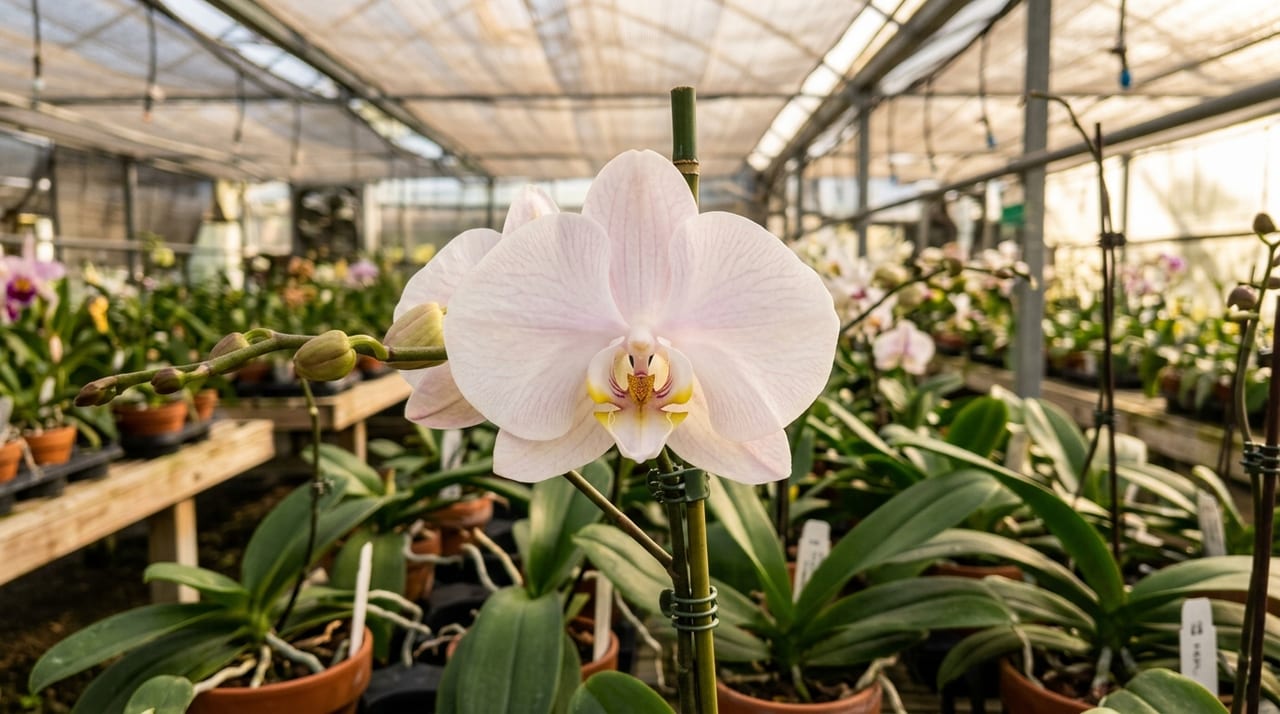
Summer heat and humidity increase the risk of root rot and disease in orchids. This guide explains methods to protect orchids from summer heat, including light shading, air circulation, adjusting watering frequency, and humidity management when using air conditioning.
Key Takeaways
Summer heat and humidity increase the risk of root rot and disease in orchids. This guide explains methods to protect orchids from summer heat, including light shading, air circulation, adjusting watering frequency, and humidity management when using air conditioning.
Related Species
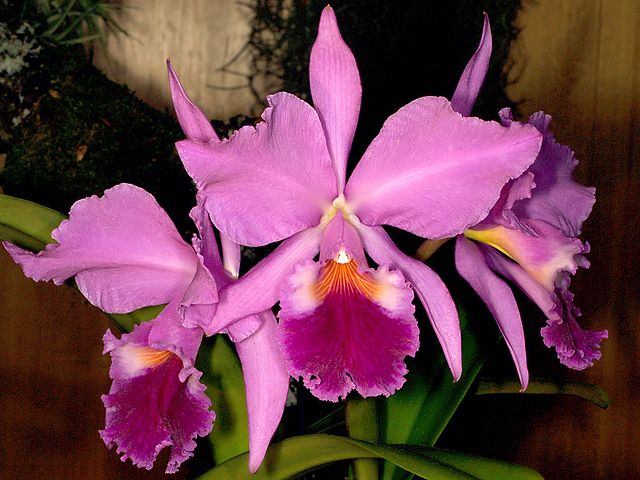
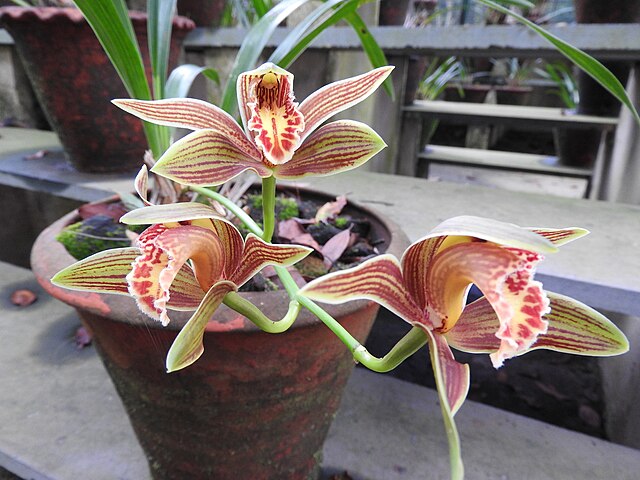
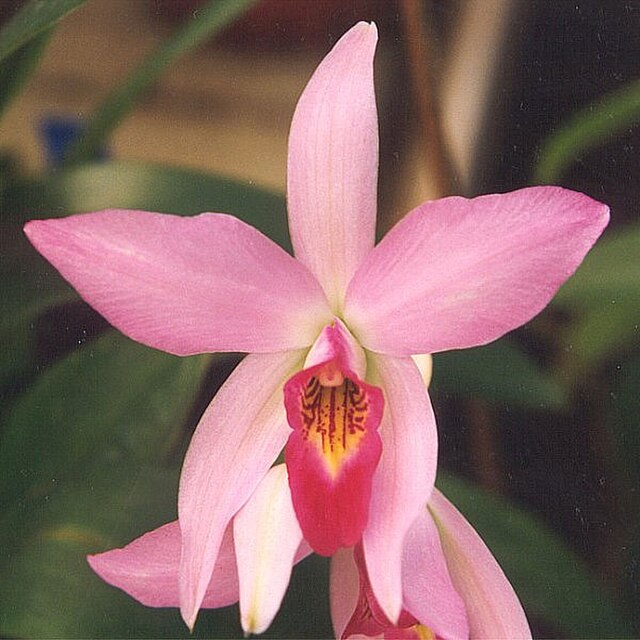
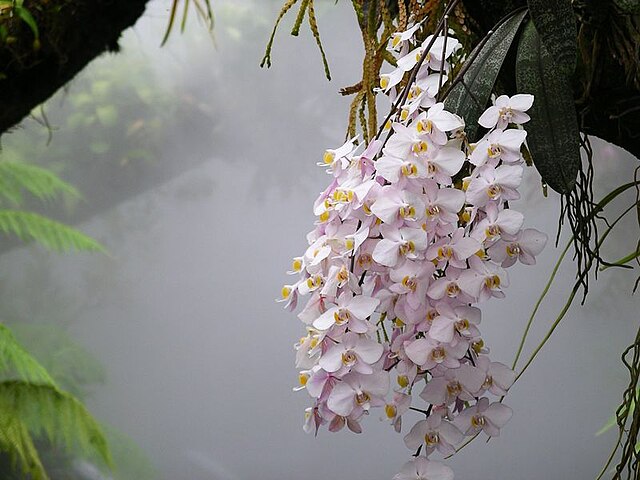
While summer is a growing season for orchids, it is also a dangerous season that can damage plants if care is neglected. Japan's summer environment of high temperature, intense light, and high humidity differs greatly from the natural rainforest understory environment where orchids grow wild. By combining appropriate light shading, watering, air circulation, and humidity management, plants that successfully survive summer will produce beautiful flowers from autumn through winter. This article provides detailed guidance on summer orchid care tips useful for both beginners and intermediate growers. For winter care, please also refer to Orchid Winter Survival & Cold Protection Guide.
Light Shading Management | Protecting Orchids from Intense Light
Most orchids naturally grow in tropical and subtropical forests, on forest floors and tree trunks where dappled light filters through. Environments with prolonged direct sunlight differ greatly from their natural habitat, and summer's intense rays directly lead to leaf scorch and plant damage.
Light Shading Percentage Guide
The required shading percentage varies by orchid type.
- Phalaenopsis Orchids・Paphiopedilum: 60–70% shading. These light-sensitive types prefer bright, dappled shade.
- Cattleya・Laelia: 40–50% shading. Since these types prefer moderate light, keep them slightly brighter.
- Dendrobium・Cymbidium: 30–50% shading. Most of these light-loving types do best in bright, partial shade.
Using shade nets or shade cloth makes adjustment easier, and you can alter the shading percentage by layering 2–3 sheets. If you feel heat when you place your hand on the leaves, it's a sign that shading is insufficient. Conversely, excessive shading reduces photosynthesis, delaying new growth and reducing flowering the following year. Observe the color and luster of the leaves and adjust the light environment to optimal levels for each type. For a comprehensive overview of sunlight requirements by variety, refer to Orchid Sunlight & Lighting Guide.
Air Circulation | The Best Disease Prevention Strategy
Japan's summer, with its high temperature and humidity, creates an environment where bacterial and fungal diseases easily develop in orchids. Diseases such as soft rot, leaf spot, and gray mold spread rapidly in environments with poor air circulation. The most effective way to prevent these diseases is to ensure good air circulation.
How to Improve Air Circulation
- Open windows in morning and evening to allow natural air flow
- Use a fan to create gentle air movement around the plants
- Space pots widely apart so leaves don't overlap
- Remove damaged leaves promptly, as dense foliage becomes a breeding ground for disease
Early Detection and Treatment of Disease
Early signs of disease include water-soaked soft spots on leaves or rapidly spreading black spots. When detected, immediately remove the affected area with clean scissors and let the cut surface dry. Early intervention before infection spreads is key to minimizing damage. Sterilize used scissors with alcohol to prevent spread to other plants. For detailed information on identifying and treating diseases, refer to Orchid Disease Management | Identifying and Treating Viruses, Bacteria, and Mold.
Watering and Root Management | Summer Moisture Control
Orchid roots have an aerobic nature and prefer oxygen. Constantly wet roots cause oxygen depletion and lead to root rot. Summer watering requires attention to both timing and quantity.
Basic Watering Rules
- Water in the morning so roots dry properly by evening
- Keeping roots wet through the night increases root rot risk in warm, humid conditions
- For sphagnum moss, water after surface dries; for bark media, increase watering frequency slightly
Determining Watering Timing by Root Condition
If using clear pots, root color is a good watering indicator.
- Green: Roots are adequately moist → no watering yet
- Silvery-white: Sign that moisture is decreasing → time to water
For opaque pots, judge by the weight when you lift them. A light feel indicates it's time to water. Water thoroughly until water flows from the drainage holes. Empty any water that accumulates in the saucer, as it can cause root rot. For more detailed guidance on assessing root health, see Orchid Root Health Check Method.
Humidity and Temperature Management | Creating the Right Indoor Environment
Using air conditioning significantly lowers humidity, often falling below the 50–70% range that orchids prefer. However, overly warm and humid environments breed disease, so balancing moderate humidity with good air circulation is essential.
Tips for Maintaining Humidity
- Use a humidity tray: Place pebbles and water in a saucer, then set the pot on top. It's important to keep the water from directly touching the roots.
- Use a humidifier to adjust overall room humidity
- If growing multiple orchids, group them together so their transpiration raises local humidity
Using Leaf Misting (Foliar Spray)
Misting prevents leaf surface drying and removes dust. However, misting after afternoon can cause disease, so always mist in the morning. Avoid spraying flower buds or petals, as water can damage them; mist only the leaves during flowering. Also, direct air conditioning airflow causes rapid drying. Place plants away from air conditioning vents or adjust airflow direction to avoid direct wind.
Summer Fertilizing and Plant Development
For most orchids, summer is peak growth season. Developing strong new shoots and pseudobulbs leads to flower bud formation in autumn and beyond.
Basic Fertilizing
- Dilute liquid fertilizer to about half strength and apply approximately every two weeks
- "Light and frequent" is the key to orchid fertilizing. Concentrate solutions damage roots.
- Fertilize in the morning like watering so excess nutrients drain by evening
Judging Fertilizing by Plant Condition
After flowering, plants store nutrients over summer to prepare for the next season's blooms. Conversely, fertilizing weak plants with brown damaged roots or yellowing leaves can be counterproductive. Prioritize root and leaf recovery first, then resume fertilizing once the plant is healthy. High-potassium fertilizers ("bloom" or "flowering boost" types) promote flower bud formation and are recommended from late summer through autumn. For a detailed annual fertilizing schedule by type, see Orchid Fertilizer Complete Guide.
GrowerDirect's Safety and Trust System
GrowerDirect is a platform that directly connects orchid specialist growers with buyers. By bypassing intermediaries, we deliver healthy plants that growers have carefully cultivated directly to your hands.
Why GrowerDirect Is Chosen
- Direct contact with growers: You can ask the grower themselves about cultivation questions even after purchase, providing peace of mind
- Clear variety and growing history: Sellers disclose management environment and cultivation methods, so you understand growing requirements before purchase
- High-quality plants: Only plants that specialist growers confidently offer are listed
Once you're confident in your summer management skills, explore GrowerDirect to find your next orchid. Healthy plants sourced directly from experts will grow even more beautifully with proper summer care.