Orchid Disease Prevention | How to Identify and Treat Viruses, Bacteria, and Fungal Diseases
Learn how to identify symptoms of common orchid diseases (viral diseases, soft rot, anthracnose, etc.), their treatments, and prevention strategies.
Key Takeaways
Learn how to identify symptoms of common orchid diseases (viral diseases, soft rot, anthracnose, etc.), their treatments, and prevention strategies.
Related Species
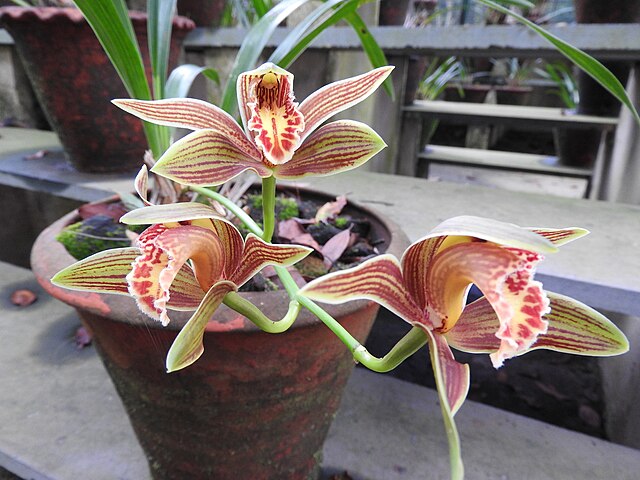
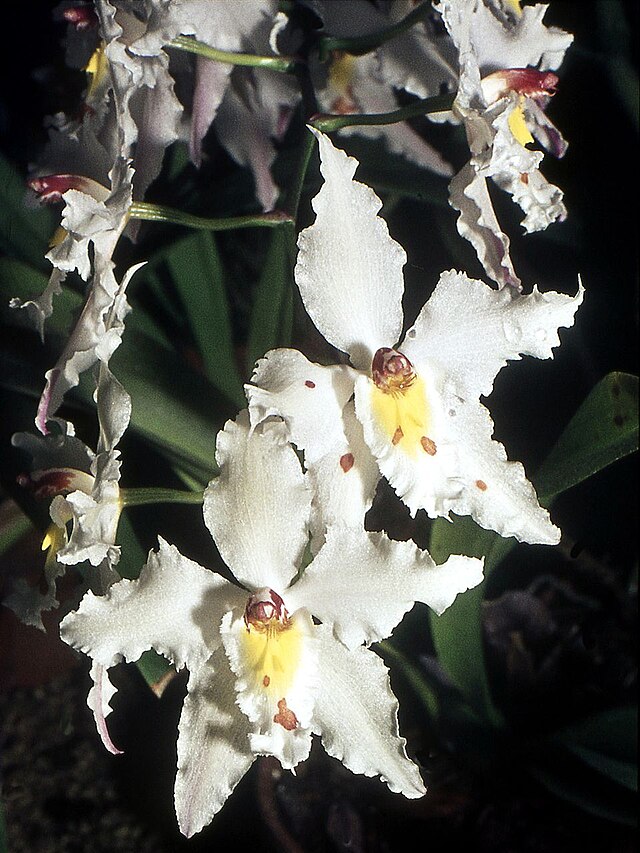
Orchids are hardy plants when managed properly, but can develop diseases if environmental conditions worsen or care is inadequate. Orchid diseases fall into three main categories: viral, bacterial, and fungal (mold). Identify the cause from symptoms and take appropriate action.
Viral Diseases
Viral diseases in orchids have no cure and are the most troublesome.
Cymbidium Mosaic Virus (CymMV) The most common orchid virus. Leaves develop mosaic-like yellow patches and streak patterns. Early symptoms are subtle and easily overlooked, but as the disease progresses, entire leaves turn yellow and flowers may become spotted.
Odontoglossum Ringspot Virus (ORSV) Leaves develop ring patterns (ring-shaped spots) or necrotic blotches. Symptoms can resemble CymMV, and accurate identification requires a virus test kit.
Transmission Routes and Prevention Viruses are primarily transmitted through contaminated cutting tools. Thorough sterilization of tools used for repotting and flower stem cutting is the most important prevention strategy. Sterilize scissors and knives by passing them through a flame or disinfecting with sodium hypochlorite (bleach) before use. Develop a habit of sterilizing tools between each plant.
Treatment Virus-infected plants cannot be cured. To prevent spread to other plants, isolate the infected plant or consider discarding it.
Bacterial Diseases
Bacterial diseases progress rapidly and can kill the entire plant in a short period if left untreated.
Soft Rot (Erwinia) The most devastating bacterial disease of orchids. Affected tissues become mushy and soft, emitting a foul odor. Progression is extremely rapid, potentially spreading throughout the plant in days.
Symptoms: Leaves or stems develop water-soaked discoloration → tissue softens → rotting with foul smell
Treatment:
- Remove infected tissue back to healthy portions
- Apply streptomycin solution to cut surfaces
- Dry the plant in a well-ventilated location after removal
- Isolate from nearby plants
Brown Bacterial Leaf Spot Brown to black water-soaked spots appear on leaves. Less rapid than soft rot, but will expand if untreated. Treatment is similar to soft rot: remove infected tissue and apply fungicide.
Fungal Diseases
Fungal diseases are the most common and often can be prevented or treated through environmental management.
Anthracnose Black to dark brown circular spots appear on leaves. Spots expand in a concentric pattern, and as the disease progresses, spots merge into larger lesions. This disease thrives in warm, humid environments.
Treatment:
- Remove infected leaves
- Spray with fungicides such as Daconil or Benomyl
- Improve air circulation and avoid keeping leaves wet for extended periods
Gray Mold (Botrytis) Small spots appear on flower petals, eventually covered by gray mold. Common in cool, humid conditions (autumn to winter), particularly on phalaenopsis flowers.
Treatment:
- Remove infected flowers
- Improve ventilation and prevent water from contacting flowers
- Apply Topsin M preventively
Black Leaf Spot Black spots appear on leaves; as disease progresses, entire leaves turn black. Caused by excessive moisture and low temperatures.
Treatment:
- Remove infected leaves
- Apply fungicide
- Review watering frequency and eliminate excess moisture
Disease Prevention Strategies
Prevention is the most important aspect of orchid disease management.
Environmental Management
- Ensure good air circulation (use a fan)
- Avoid excessive moisture, especially in winter
- Maintain appropriate temperatures
- Adjust watering methods so water doesn't accumulate on leaves or flowers
Sanitation
- Sterilize tools between each plant
- Quarantine new plants for 2-4 weeks before introducing them
- Remove dead leaves and spent flowers regularly
- Keep pots and tools clean
Preventive Fungicide Applications Applying fungicides preventively once per month is also effective. Rotate between Daconil and Benomyl to prevent fungicide resistance.
Early Disease Detection Checklist
Regular observation using the following checklist helps catch diseases early.
- Are there mosaic patterns or ring spots on leaves? → Suspect viral disease
- Are there water-soaked discolorations on leaves or stems? → Suspect bacterial soft rot
- Are there black circular spots on leaves? → Suspect anthracnose
- Are there small spots on flower petals? → Suspect gray mold
- Are roots black and soft? → Suspect root rot
Fungicide Use and Rotation
Use fungicides from different chemical groups in rotation to prevent resistance development.
| Fungicide | Type | Primary Target | Application |
|---|---|---|---|
| Daconil | TPN | Anthracnose, Gray Mold | Best for preventive spraying |
| Benomyl | Benomyl | Broad spectrum fungal diseases | Effective for both treatment and prevention |
| Topsin M | Thiophanate-methyl | Cut surface disinfection | Paste form is convenient |
| Streptomycin | Antibiotic | Bacterial diseases | Effective against soft rot |
Apply fungicides 1-2 times per month, rotating between at least two different types.
Disease Identification Flowchart
Quick reference guide for identifying disease causes based on symptoms.
- Mosaic patterns or ring spots on leaves → Viral disease (incurable; consider isolation or disposal)
- Water-soaked softening of leaves and stems + foul odor → Soft rot (bacterial; remove immediately and disinfect)
- Black to brown circular spots on leaves → Anthracnose (fungal; apply fungicide and improve ventilation)
- Spots on petals + gray mold → Gray mold (improve cool, humid conditions)
- Black, soft roots → Root rot (reduce moisture; remove affected tissue and repot; revise watering)
Main Fungicides for Orchid Diseases
| Fungicide | Type | Primary Target Diseases | Application Method |
|---|---|---|---|
| Daconil | TPN | Anthracnose, Gray Mold | Ideal for preventive spraying |
| Benomyl | Benomyl | Broad spectrum fungal diseases | For both treatment and prevention |
| Topsin M Paste | Thiophanate-methyl | Cut surface disinfection | Apply during repotting or removal |
| Streptomycin | Antibiotic | Bacterial diseases | Effective for soft rot |
Rotate between at least two fungicide types to prevent resistance development. Preventive applications 1-2 times per month are effective.
Get Healthy Orchids from GrowerDirect
At GrowerDirect, you can purchase healthy orchids directly from growers who maintain strict sanitation standards. Acquiring disease-free plants reduces risk, and having direct access to growers means you can consult them if problems arise.