Orchid Disease Treatment Manual | How to Handle Soft Rot, Virus, and Anthracnose
Learn how to identify and treat orchid diseases. A comprehensive manual covering soft rot, virus disease, anthracnose, and leaf spot disease, with identification methods, treatment approaches, and prevention strategies—everything you need to know for maintaining healthy orchids.
Key Takeaways
Learn how to identify and treat orchid diseases. A comprehensive manual covering soft rot, virus disease, anthracnose, and leaf spot disease, with identification methods, treatment approaches, and prevention strategies—everything you need to know for maintaining healthy orchids.
Related Species
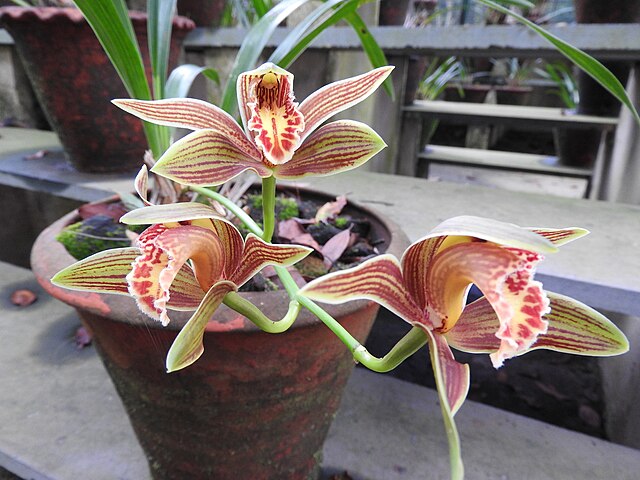
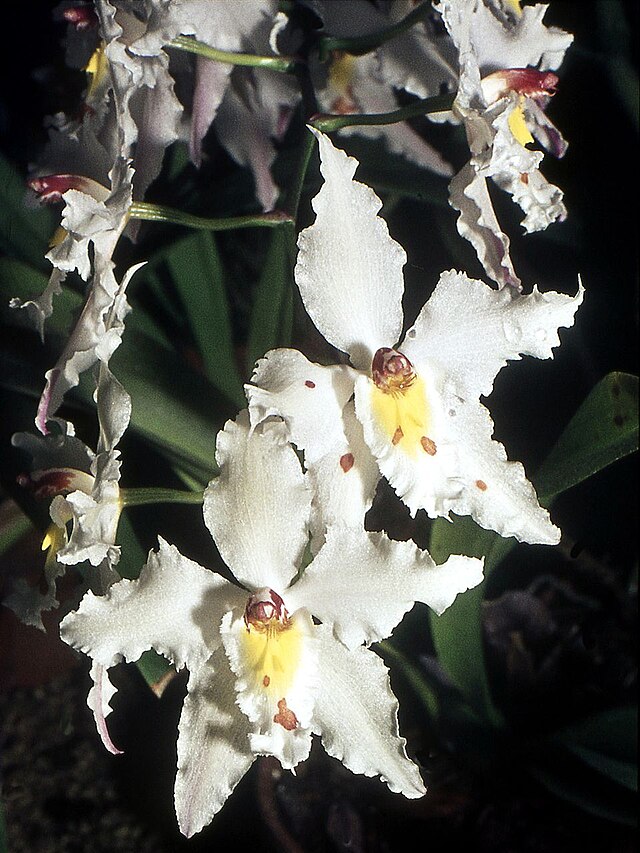
Orchids are beloved ornamental plants worldwide, but they become prone to disease when proper care is neglected. Particularly during Japan's hot and humid summers, bacteria and fungi thrive readily. It's not uncommon to notice issues like discolored leaves or a rotten smell only after the disease has already progressed significantly. This article explains the types and symptoms of common orchid diseases, specific treatment methods, and how to create a growing environment that prevents recurrence. If your plant is already weakened, check out Orchid Rescue & Recovery Guide | Recovering from Root Rot and Leaf Burn for additional guidance.
Soft Rot Disease | The Fastest-Progressing Bacterial Illness
Soft rot disease is a bacterial condition that can cause particularly severe damage to orchids. The causative agent is primarily bacteria of the genus Erwinia. When infected, the leaves and stems rot away like mush, releasing a distinctive, pungent odor.
Identifying Symptoms
Early symptoms appear as a part of the leaf becoming water-soaked and discolored, with a slight translucent appearance. At this stage, there is usually little to no odor, making it easy to overlook. However, decay spreads rapidly over several days. As the infection advances, the affected area turns brown to black and becomes slimy to the touch. The risk is especially high during the rainy season through summer when temperatures and humidity are high—bacteria easily invade through wounds on leaves and stems.
How to Treat It
Acting immediately upon discovery can mean the difference between saving and losing the plant. Cut away the infected portion back to healthy tissue, then apply a fungicide such as "Topsin M paste" to the cut surface. Always disinfect the scissors or blade used with alcohol before and after the procedure. If you've touched the infected area with bare hands, wash your hands immediately to prevent secondary infection of other plants. After treatment, place the plant in a well-ventilated, partially shaded location and withhold watering until the affected area is completely dry.
Virus Disease | Living with an Incurable Infection
Orchid viral infections currently have no cure. Once infected, a plant will carry the virus for its entire life. The most common examples are "Cymbidium mosaic virus (CymMV)" and "Odontoglossum ringspot virus (ORSV)."
Primary Symptoms
- Mosaic patterns on leaves: Irregular, mottled patches of varying color appear on the foliage
- Leaf puckering and distortion: Growth becomes stunted, and leaves become bumpy and misshapen
- Flower color loss and discoloration: Petals develop streaked bleaching or color change
- Poor growth: Overall plant vigor declines and development stalls
If multiple symptoms apply, viral infection is highly likely. However, because symptoms alone are not definitive, if you're concerned, consider sending a sample to an agricultural experiment station or professional diagnostic service.
Prevention is Paramount
Virus spreads through the sap of infected plants. Reusing pruning shears among plants is the greatest transmission route. Therefore, it's essential to develop the habit of sterilizing tools between plants—either by passing them through a flame or disinfecting with 70% or higher alcohol. Isolate any plant suspected of infection and keep it away from others on separate shelves. Infected plants do not necessarily die, so many enthusiasts continue to cultivate them after isolation. The key is preventing the virus from spreading to healthy plants.
Anthracnose and Leaf Spot Disease | Fungal Leaf Lesions
Both anthracnose and leaf spot disease are caused by filamentous fungi and result in spots or lesions on the leaves. They spread rapidly in hot, humid conditions, making management during the rainy season through summer especially critical.
Characteristics of Anthracnose
Anthracnose causes circular brown to black lesions on leaves, which expand in a concentric pattern. As it progresses, the center of each lesion develops many small black granules (spores). Infection risk increases when water droplets remain on leaves for extended periods, so adjusting your watering method and timing is key to prevention.
Characteristics of Leaf Spot Disease
Leaf spot disease appears as scattered, irregular black spots on leaves. While it occurs under similar conditions to anthracnose, the lesions are irregular in shape with blurred margins.
Treatment and Prevention
Remove infected leaves, leaving healthy tissue intact, and regularly spray with fungicides such as "Daconil 1000" or benomyl fungicides. If caught early, you can effectively protect the rest of the plant. Apply the fungicide every 7–10 days for 2–3 applications, then continue monitoring results.
Preventing Disease Through Daily Cultivation Management
Most orchid diseases can be significantly prevented by maintaining proper growing conditions. Before relying on fungicides, review your environment first. For a systematic month-by-month prevention schedule, refer to Orchid Pest & Disease Prevention Calendar | Monthly Prevention Schedule.
Ensure Good Air Circulation
In poorly ventilated environments, bacteria and fungi multiply easily. Space plants farther apart and use circulating fans or oscillating fans to keep air moving when necessary. Ideally, place plants in a location with natural ventilation from open windows.
Watering Timing and Method
Always water at the base of the plant to avoid wetting the foliage, and water in the morning. Watering in the late afternoon or evening leaves leaves wet overnight, drastically increasing disease risk. In addition, water that pools in saucers becomes a breeding ground for root rot and bacteria—always discard excess water. Making it a habit to periodically check root condition will also help detect disease early. For details, see Orchid Root Health Check | Understanding Green, White, and Brown Roots.
Tool Sterilization and Quarantine for New Plants
Develop the habit of sterilizing scissors and tweezers after each use on a different plant. While it may seem tedious, this is the most effective measure to prevent the spread of viral and bacterial diseases. Also, when acquiring new plants, keep them separate from your existing collection for a 2–4 week quarantine period to verify they are disease-free before introducing them.
Repotting and Medium Management
Old sphagnum moss and bark become breeding grounds for pathogens. Regular repotting and medium replacement every 1–2 years is essential maintenance, both for preventing disease and general plant health.
Get Healthy Orchids with Confidence Through GrowerDirect
When dealing with orchid diseases, sourcing a healthy plant from the start is critical. To maintain a disease-free environment, purchasing from a reliable source is the first step to enjoying orchids for years to come.
GrowerDirect connects you directly with specialist growers who maintain meticulous health standards while cultivating their orchids. Because you're buying from growers you can see and know, you can ask detailed questions about growing conditions and plant history before purchase—questions like "What environment was this plant grown in?" or "Does it have any disease history?" The grower can provide thorough answers.
If you suspect disease after purchase, you also have the advantage of consulting directly with the grower—something unique to GrowerDirect. Even beginners anxious about orchid cultivation can build their skills by leveraging grower advice. Start with a healthy plant and enjoy long-term orchid cultivation.