Orchid Winter Care & Cold Protection Guide
Orchids require different winter temperatures depending on variety. This guide explains the classification into warm-loving, intermediate, and cool-loving types, winter placement, watering adjustments, and cold treatment for flower bud formation.
Key Takeaways
Orchids require different winter temperatures depending on variety. This guide explains the classification into warm-loving, intermediate, and cool-loving types, winter placement, watering adjustments, and cold treatment for flower bud formation.
Related Species
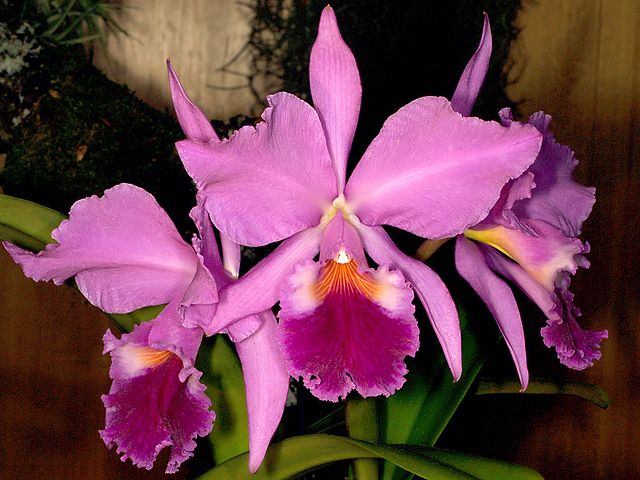
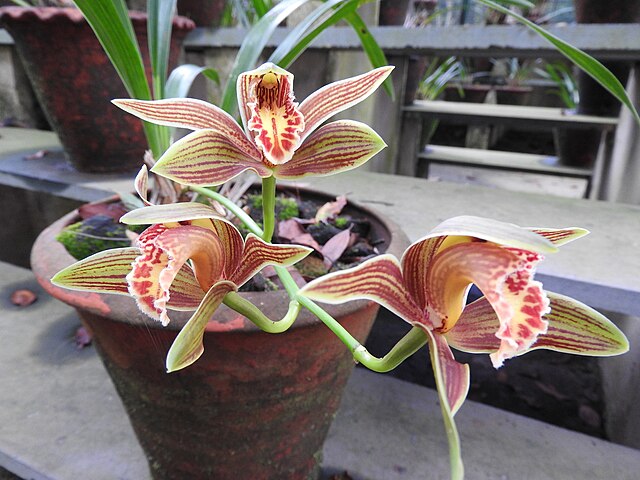
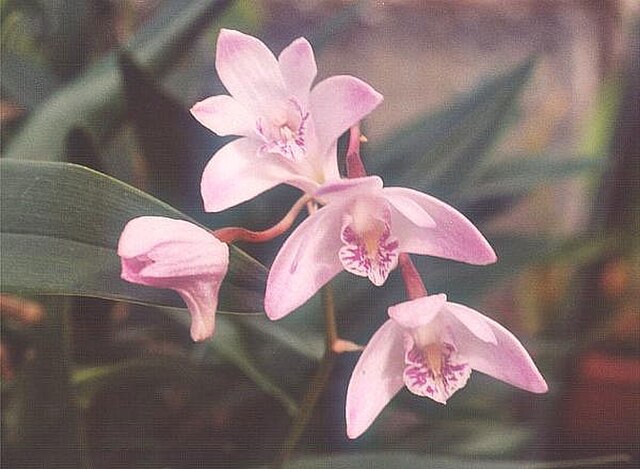
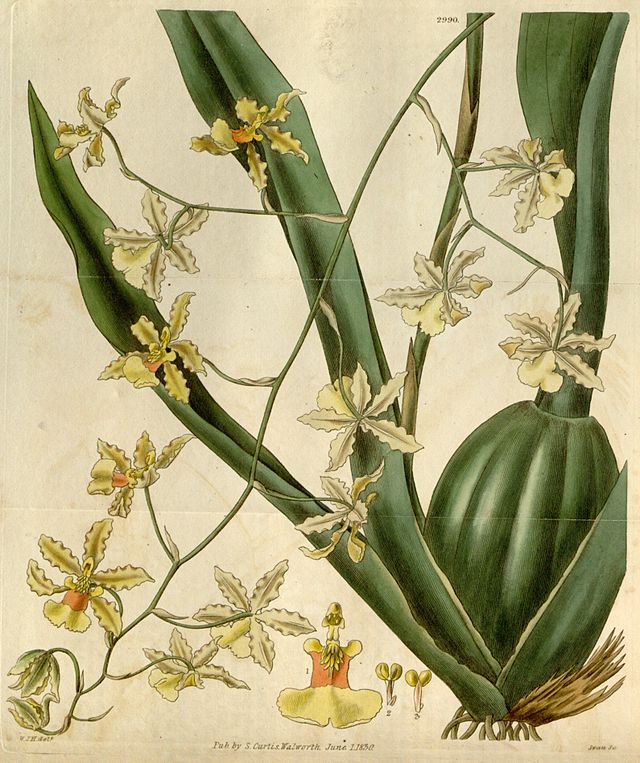
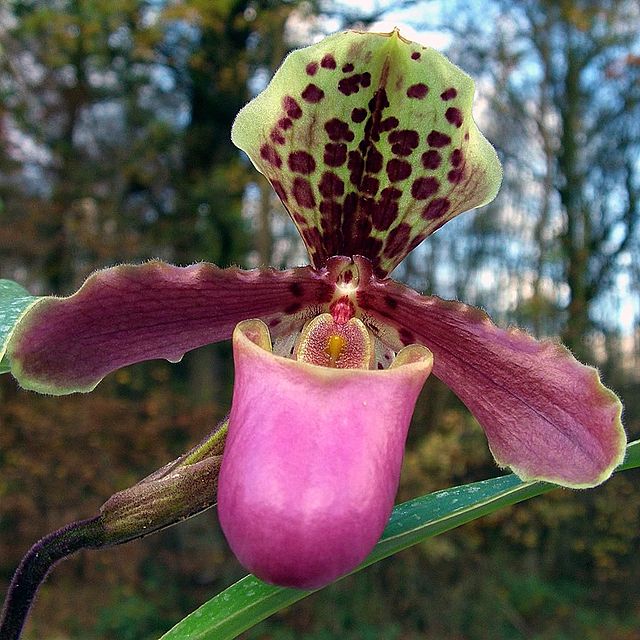
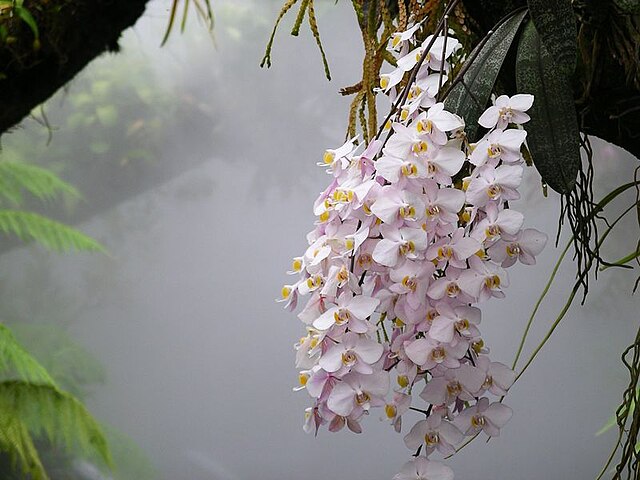
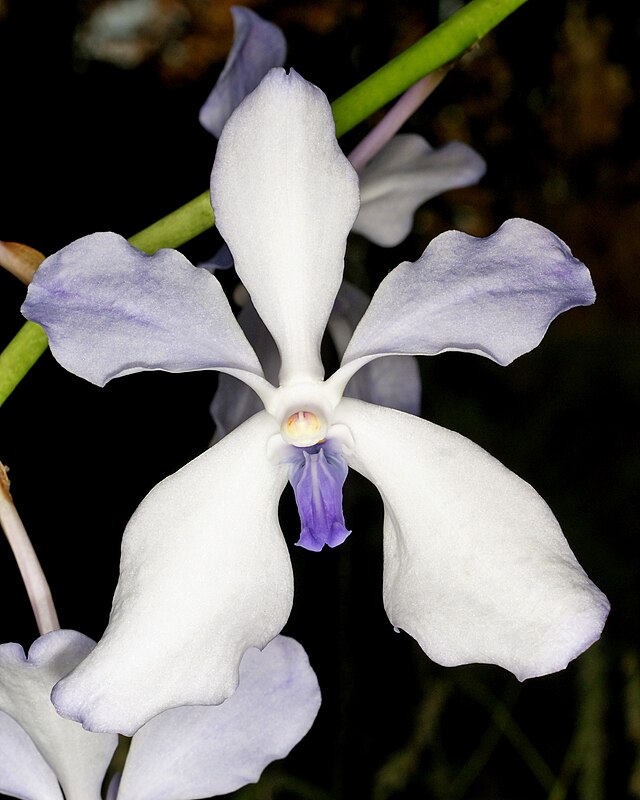
Most orchids originate from tropical and subtropical regions, so Japan's winter differs greatly from their native growing conditions. However, with proper care and knowledge, you can help them survive the harsh winter and produce beautiful blooms. The key is: don't treat all orchids the same way. Since different varieties require vastly different temperature ranges, the first step to successful winter care is identifying which type your orchid belongs to.
Temperature-Type Classification & Basic Management
Orchids can be broadly classified into three types: warm-loving, intermediate, and cool-loving. Understanding the minimum temperature requirements for each is essential for providing proper care.
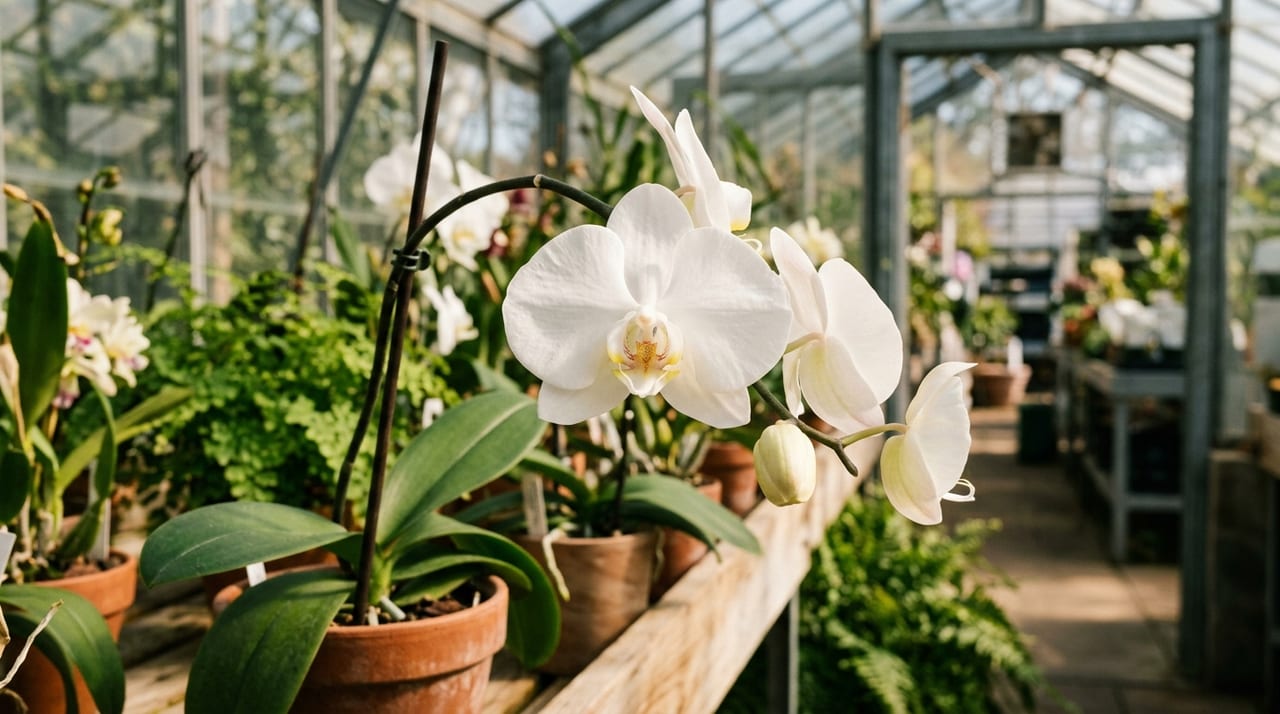
Warm-Loving Types (Phalaenopsis, Vanda, Dendrobium nobile hybrid, etc.)
These orchids thrive in the warm, humid tropical rainforest environment and are very sensitive to cold. Improper winter management can weaken the plant or even cause it to die.
- Maintain a minimum temperature of 15°C (59°F) or higher. Ideally, keep the temperature around 18°C (64°F) for optimal safety.
- Place them near a bright window in a warm room—this is the ideal location.
- Keep orchids at least 30 cm away from windowpanes at night, as cold air can radiate through the glass.
- If temperature drops below 10°C (50°F), leaves may yellow and roots can be damaged. Move the plant to a warmer location as soon as possible.
- Phalaenopsis are especially sensitive to cold roots. Place pots on a stand or tray to keep them off cold floors. For comprehensive care basics, see Complete Phalaenopsis Care Guide.
Intermediate Types (Cattleya, Oncidium, Dendrobium, Phalaenopsis hybrids, etc.)
These orchids tolerate slightly lower temperatures than warm-loving types. Many are relatively easy to grow and popular with gardening beginners.
- Maintain a minimum temperature of 10°C (50°F) or higher.
- Warmer daytime temperatures are fine; slight night cooling is acceptable, but frost and freezing are absolutely unacceptable.
- Dendrobium belongs to this group, though some varieties require deliberate cold treatment to form flower buds (see below). For details, see Complete Dendrobium Care Guide.
- Some varieties flower more readily with temperature fluctuations; a 5–10°C difference between day and night is often acceptable.
Cool-Loving Types (Cymbidium, Paphiopedilum winter-blooming varieties, etc.)
These orchids naturally grow in high-altitude or temperate regions and prefer cool environments. Cold winter temperatures actually trigger blooming.
- Can tolerate temperatures as low as 5°C (41°F) (some varieties tolerate near 0°C/32°F).
- Exposure to cold promotes flower bud differentiation, resulting in abundant spring blooms. For details on how low night temperatures induce flowering, see Cymbidium Flower Bud Differentiation & Temperature.
- Over-protective, overly warm conditions prevent flower bud formation—do not keep them too warm.
- Avoid frost and freezing while using unheated shelters, eaves, or cool greenhouses. For information on outdoor overwintering, see Cymbidium Outdoor Growing Guide.
Winter Placement & Light Requirements
Insufficient winter light depletes orchid vigor. Proper lighting is just as critical as temperature management.
- Place orchids near a south-facing window. In winter, the sun's low angle makes direct light more accessible.
- Avoid placing orchids between the window glass and curtains—cold air accumulates there and can cause chilling damage.
- Soft, filtered light through sheer curtains suits most orchids. In deep winter, direct sunlight (being weaker) is often safe.
- Avoid placing orchids where hot air from heaters or air conditioning blows directly. This causes excessive drying and damages roots and leaves.
- Keep orchids away from heaters and other heat sources prone to temperature fluctuations. Choose a spot with stable, consistent temperature.
Supplemental LED grow lights are also effective. Running them 12–14 hours daily compensates for photosynthesis and addresses winter light shortages. For comprehensive information on artificial-light orchid cultivation, see Complete LED Growing Guide for Orchids.
Watering & Humidity Adjustment
Watering mistakes are the top cause of root rot in winter. Use a restrained approach and adjust based on plant condition.
Watering Guidelines
- Winter reduces root water uptake and metabolism, so reduce watering frequency to roughly half to one-third of summer levels.
- Water only after the potting medium is completely dry. Check terracotta pots by weight (lift the pot); check plastic pots by touching the soil.
- Water in the morning so excess moisture evaporates by evening. Roots remaining wet overnight invite root rot.
- Use water at room temperature. Cold water can shock and damage roots.
Humidity Management
- Indoor heating creates dry air. Orchids prefer moderate humidity (50–70%), so a humidifier or leaf misting helps.
- When misting, target only leaf surfaces and avoid wetting flowers or flower buds.
- A pebble or lava-rock tray with water keeps surrounding humidity stable—place the pot on top (not sitting in water). For advanced humidity techniques, see Orchid Humidity Management Techniques.
Cold Treatment for Flower Bud Formation
Rather than simply surviving winter cold, you can use it to your advantage and enjoy more beautiful blooms.
Dendrobium Cold Treatment
Dendrobiums require cold treatment from autumn through winter to form flower buds.
- From autumn (around October), gradually reduce watering and shift to drier conditions.
- Expose the plant to 5–10°C (41–50°F) for 4–6 weeks to trigger flower bud formation.
- No fertilizing is needed during this period. Allow the plant to experience dormancy—this is key.
- After cold treatment, move to a warmer location and flower buds will grow vigorously.
Cymbidium: Using Cold to Your Advantage
Cymbidiums form flower buds when exposed to outdoor winter temperatures.
- From October to November, expose plants to outdoor or unheated locations to experience day-night temperature swings.
- When temperatures approach 5°C (41°F) or below, bring the plant indoors to prevent frost and freezing.
- Once flower buds appear, move the plant to a bright indoor window and wait for blooming.
The GrowerDirect Advantage
Successful winter orchid care depends on understanding breed-specific details. However, searching the internet alone often makes it hard to get advice tailored to your plant's condition.
GrowerDirect is a platform connecting you directly with orchid growers. The key advantage: you can hear cultivation tips and winter care advice straight from the growers who raised the varieties. You can consult before purchasing, eliminating the anxiety of "I bought it, but don't know how to care for it."
Additionally, GrowerDirect offers only healthy plants carefully grown by experienced growers. By acquiring vigorous plants ready for winter, you can confidently handle your first winter season. If you're unsure about repotting timing, see Orchid Repotting Timing & Soil Selection. Aim for beautiful blooms next season—explore GrowerDirect to find your ideal orchid today.