Orchid Humidity Management Techniques | How to Use Humidity Trays and Humidifiers Effectively
Learn how to maintain optimal humidity for orchids. This guide covers how to make humidity trays and their effects, choosing and positioning humidifiers, managing dryness when using air conditioning, and tips for adjusting humidity by season.
Key Takeaways
Learn how to maintain optimal humidity for orchids. This guide covers how to make humidity trays and their effects, choosing and positioning humidifiers, managing dryness when using air conditioning, and tips for adjusting humidity by season.
Related Species
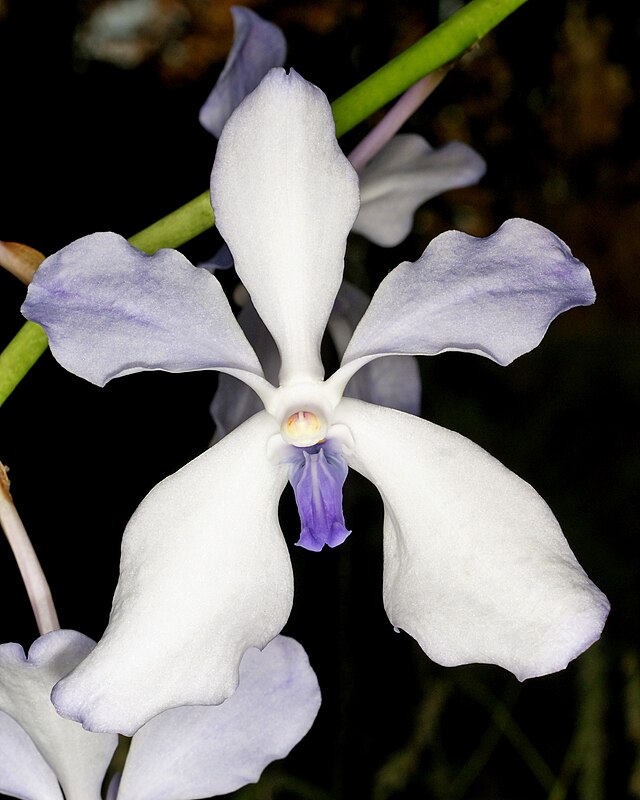
Why Humidity Management Is Critical for Orchids
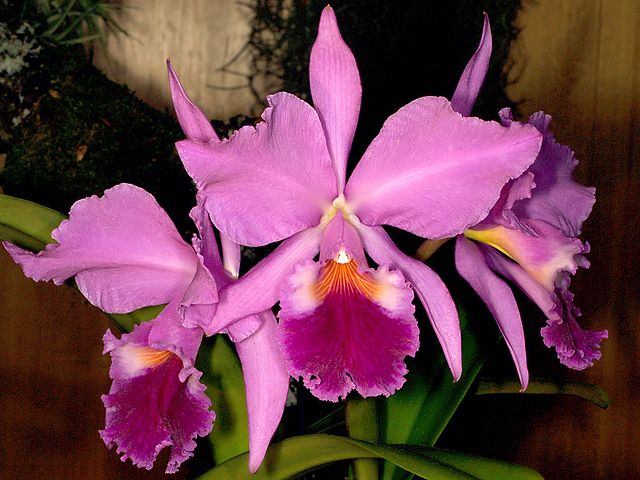
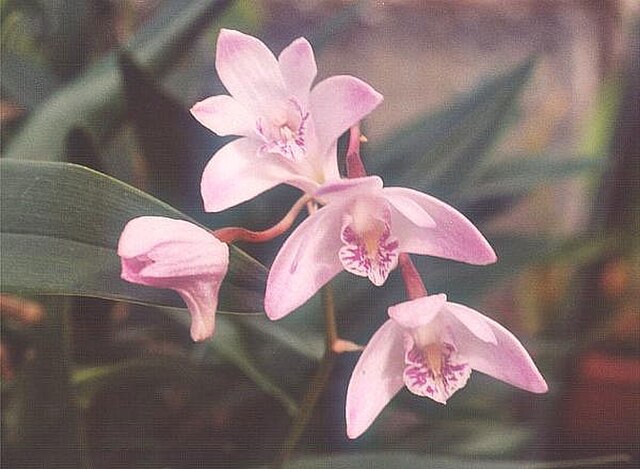
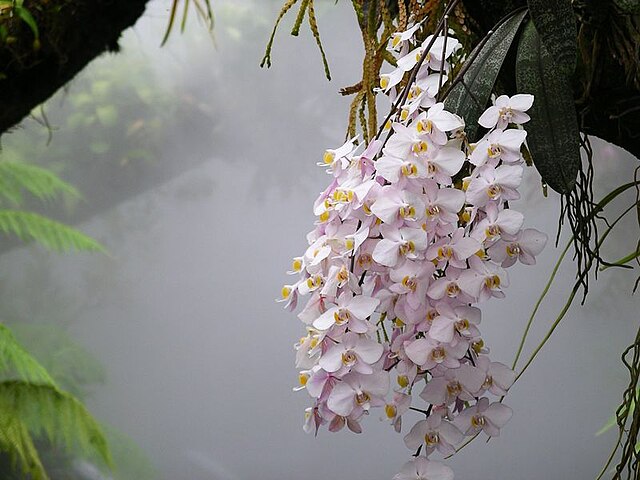
Most orchids originate from tropical and subtropical forests, where they grow year-round in environments with high humidity ranging from 60 to 80%. While species like Phalaenopsis (moth orchids), Cattleya, and Dendrobium have some variations, they share the characteristic of being sensitive to dryness.
In Japanese homes, especially indoors during winter, humidity often drops to 30–40% due to heating equipment use. If this continues, orchids develop "leaf tip burn" where leaf margins turn brown, leading to poor flower bud development and bud drop. Additionally, when roots dry out excessively, the plant's ability to absorb water and nutrients declines, reducing the overall vigor of the plant.
Conversely, the challenge with orchid management is that simply increasing humidity doesn't guarantee success. In environments with excessively high humidity and poor air circulation, diseases like gray mold (Botrytis) and bacterial soft rot become more likely. Orchid humidity management ultimately comes down to maintaining the balance of "keeping humidity adequate while ensuring proper air circulation." For information on basic placement and light requirements, see Orchid Light and Lighting Guide.
How Humidity Trays Work and How to Use Them Correctly
A humidity tray (pebble tray) is the most cost-effective method for raising humidity locally. The principle is simple: lay gravel or perlite in a tray, add water, and place your orchid pot on top. Water vapor evaporating from the surface rises around the pot, creating a microclimate with elevated humidity.
Setup Essentials
- The tray should be 4–5 cm deep for optimal use. If too shallow, water evaporates too quickly; if too deep, roots risk sitting in water.
- Adjust the amount of gravel or perlite so the pot bottom sits 1–2 cm above the water surface. Since root rot's primary cause is the pot sitting in water, this height control is critical.
- Refill water once or twice weekly. If using tap water, mineral deposits will accumulate on the stones and pot, so rinse the gravel regularly.
- Grouping multiple orchids together on the same tray is more effective because transpiration is cumulative, and moisture from each plant creates a synergistic effect.
While a humidity tray alone cannot dramatically change the humidity of an entire room, you can expect a 5–15% humidity increase within 30–50 cm of the pot. This is a cost-effective method for small collections or limited space.
Choosing and Positioning a Humidifier
If your collection is growing or you live in an area with severe winter dryness, a humidifier is an effective solution. Humidifiers come in three main types: ultrasonic, evaporative, and steam, each with distinct characteristics.
Ultrasonic
This type uses vibration to spray water as fine mist. It has high humidification capacity and low electricity costs, but tap water minerals can leave white powder residue on leaves. For orchids, using distilled or dechlorinated water is ideal. Neglecting tank cleaning can allow Legionella and other bacteria to proliferate, so weekly washing is essential.
Evaporative
This type uses a fan to evaporate water from a filter. It produces minimal mineral residue and is hygienic, but has lower humidification capacity than ultrasonic models. To maintain 50–60% humidity in winter, choose a model sized appropriately for your room.
Steam
This type heats water to produce steam. It's hygienic with high humidification power, but consumes significant electricity and raises utility bills.
The cardinal rule for placement is "never point directly at plants; direct from below." Pointing a humidifier's outlet directly at orchid leaves keeps them wet and invites disease. Place the humidifier below pot level so vapor naturally rises to envelope the leaves.
Making Humidity Visible with a Digital Hygrometer
Managing humidity by feel alone is difficult, especially during seasonal transitions or days with variable weather. Install a digital hygrometer at your orchid's location and develop the habit of monitoring by numbers.
Target humidity ranges are as follows:
- Phalaenopsis (moth orchids): 60–80%
- Cattleya: 50–70% (lower during dormancy)
- Dendrobium: 50–70%
- Vanda: 70–90% (requires especially high humidity due to exposed-root cultivation; see Vanda Hanging Culture Guide)
A combined thermometer-hygrometer is convenient. For orchid management, the balance of temperature and humidity is critical—60% humidity affects plants differently at 15°C versus 25°C. If possible, choose a model that records high and low values; this helps monitor conditions during night and when you're away. For more on temperature and flowering relationships, see Orchid Temperature Management and Flowering Induction Guide.
Balancing Humidity and Air Circulation—Maintaining Moisture While Preventing Disease
Focusing solely on humidity while neglecting air circulation defeats the purpose. When moisture becomes trapped, condensation and mold spread rapidly. Be especially vigilant during the rainy season and hot, humid summer months.
Using a fan or air circulator is highly effective. Rather than directing air at the plants, aim it at walls or ceilings to gently circulate the room's air. Running on low mode 24/7 maintains humidity while continuously moving stagnant moisture.
Maintaining 5–10 cm spacing between pots also improves air circulation. Dense foliage that blocks light and airflow weakens a plant's immune system and disease resistance.
Regular leaf inspections are essential. If you spot mold-like spots on leaf undersides, promptly remove affected areas and spray with fungicide (such as registered fungicides like Daconil 1000). Delays in early response allow disease to spread to the entire plant, so make weekly inspections a habit. For disease identification by type, see Orchid Disease Treatment Manual.
Seasonal Humidity Management Schedule
Orchid humidity management varies throughout the year and requires seasonal adjustments. For a complete annual management overview, consult Orchid Seasonal Management Schedule to avoid missing critical tasks.
Spring (Mar–May): As heating ends, humidity naturally recovers. Gradually turn off humidifiers and manage with natural ventilation through open windows. Humidity trays alone often suffice during this period.
Summer (Jun–Sep): During the rainy season, humidity may be excessive; prioritize dehumidification and ventilation with a circulator instead. Watch for condensation damage on scorching days after the rainy season ends. When using air conditioning, humidity may drop too far due to dehumidification, so monitor with a hygrometer.
Autumn (Oct–Nov): Humidity begins dropping as mornings and evenings cool. Enhance humidity trays and begin preparing humidifiers if needed.
Winter (Dec–Feb): The driest season. Humidity plummets once heating starts, so run humidifiers at full capacity. Check in advance that your humidifier's capacity suits your room size to maintain target humidity of 55–65%.
Orchid humidity management is not mastered overnight, but by monitoring with a hygrometer and combining humidity trays, humidifiers, and air circulation, your plants' appearance will noticeably improve. Healthy roots and lustrous leaves are the proof of proper humidity management.