Orchid Annual Management Schedule | Complete Monthly Care Guide
Orchid monthly management schedule explained in list format. Introduces monthly watering, fertilizing, placement, repotting, and temperature management tips for major orchids including Phalaenopsis, Dendrobium, and Cymbidium.
Key Takeaways
Orchid monthly management schedule explained in list format. Introduces monthly watering, fertilizing, placement, repotting, and temperature management tips for major orchids including Phalaenopsis, Dendrobium, and Cymbidium.
Related Species
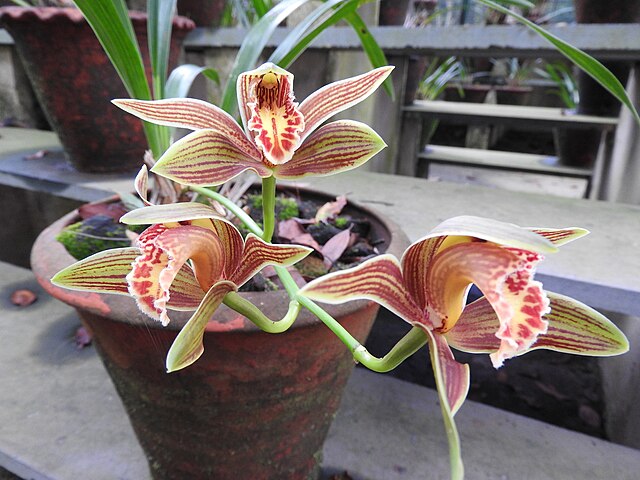
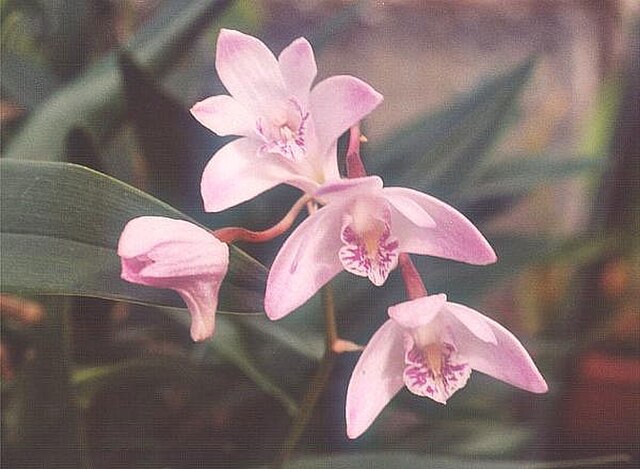
Successful orchid cultivation requires seasonal management. Since orchids have different growth cycles depending on variety, it is important to understand "when to do what" throughout the year. This article explains the annual orchid management schedule by month, focusing primarily on Phalaenopsis orchids and orchids in general.
January–February: Winter Care and Bloom Preparation
Winter is a dormant or flowering period for most orchids.
Temperature Management Maintain a minimum temperature of 15°C or above for Phalaenopsis orchids. If temperatures fall below 10°C, cold damage can cause leaf spotting and bud drop. Windowsills cool significantly at night, so move plants away from windows at night or wrap pots with cardboard or styrofoam for insulation. Dendrobium nobile types differentiate flower buds when exposed to approximately 10°C temperatures, so a cool location away from excessive heating is suitable. Cymbidium is relatively cold-hardy and can tolerate temperatures down to around 5°C.
Watering Since growth slows in winter, reduce watering frequency significantly. For Phalaenopsis orchids, water 2–3 days after the growing medium has completely dried. Use room-temperature water; cold water damages roots. Water in the warm morning hours and avoid watering from evening onward.
Fertilizing Stop fertilizing completely in winter. Dormant or flowering orchids will not absorb fertilizer and feeding can damage roots.
Other Indoor heating causes dryness, so use a humidifier or mist foliage to maintain humidity. Aim to maintain 40% or higher humidity. Cymbidium and Dendrobium nobile flower spikes elongate during this period, so stake and support flower stems.
March–April: Spring Awakening and Repotting
As temperatures rise, many orchids resume growth.
Watering Gradually increase watering frequency as temperatures rise. Return to watering the day after the growing medium dries.
Repotting The optimal repotting period for orchids is April–June. Repot plants that meet the following criteria:
- Growing medium has deteriorated (over 2 years old)
- Roots are protruding from the pot
- Roots are congested inside the pot
- Root rot is suspected
Repot Phalaenopsis orchids using sphagnum moss or bark chips. Dendrobium prefers sphagnum moss, while Cymbidium is best suited to coarse orchid bark mix.
Resuming Fertilizing From mid-April onward, when new roots or shoots appear, resume fertilizing. Apply liquid fertilizer diluted to half strength every 2 weeks, or use slow-release solid fertilizer.
Placement Manage in a bright location near a window. Spring sunlight is stronger than winter, so shade with sheer curtains during intense direct sunlight.
May–June: Full Growth Season
The plant enters its full growth period, requiring the most intensive management.
Watering As growth accelerates and water consumption increases, water immediately when the growing medium dries. During the rainy season, humidity is high, so you may space watering intervals slightly longer.
Fertilizing Continue liquid fertilizer every 2 weeks. Fertilizing during this period determines next year's flowering, so do not skip applications.
Moving Outdoors Once temperatures stabilize above 15°C, move orchids outdoors. Place in bright shade avoiding direct sunlight (50–70% shade) and manage in a well-ventilated environment to promote growth. Acclimating Phalaenopsis orchids to outdoor conditions strengthens the plant.
Optimal Repotting Period Plants not repotted in March–April can still be repotted by early June. The high humidity of the rainy season actually favors repotting as root recovery is faster.
Pest and Disease Watch As temperatures warm, pests become active. Watch for scale insects, spider mites, and slugs, and inspect plants regularly.
July–August: Summer Care
In hot, humid summer, temperature management is the primary focus.
Temperature Management Phalaenopsis orchids become stressed if temperatures exceed 35°C for extended periods. Place in well-ventilated locations with higher shade levels to reduce temperature rise. For outdoor plants, shade cloth works well.
Watering Increase watering frequency as transpiration becomes active. Water in the cool morning hours and avoid midday heat. Daily morning misting improves plant health.
Fertilizing Continue normal fertilizing through July, but in August during peak heat, you may reduce or temporarily stop fertilizing. Feeding stressed plants during intense heat can be taxing.
Cautions Do not place orchids near air conditioner outdoor units; hot air will directly blast them. Also watch for leaf scorch from sudden intense sunlight after the rainy season ends.
September–October: Autumn Preparation and Flower Bud Formation
Autumn is a critical period for next year's flowering.
Flower Bud Formation Phalaenopsis orchid flower buds differentiate when a day-night temperature differential (approximately 25°C day / 18°C night) persists for 2–3 weeks. The natural temperature swing in September–October matches this requirement, making outdoor management favorable for flower bud formation.
Bringing Indoors Bring plants indoors before minimum temperatures drop below 15°C. Before bringing indoors, check the undersides of leaves for pests.
Watering Adjustments Gradually lengthen watering intervals as temperatures drop. Return to watering one day after the growing medium dries.
Stopping Fertilizer Stop fertilizing around mid-October. After flower bud differentiation, fertilizing is unnecessary and can inhibit bud development.
November–December: Preparing for Winter
A period for winter preparation and monitoring flower bud development.
Strict Temperature Management Maintain minimum temperatures of 15°C or above for Phalaenopsis orchids. Place a thermometer near the window to monitor nighttime temperatures.
Flower Spike Management When Phalaenopsis flower spikes emerge, stake and guide them. Flower spikes grow toward light, so fix the pot position to direct spike growth.
Watering and Fertilizing Switch to winter watering mode and reduce frequency. Fertilizing is completely stopped.
Get Orchid Growing Advice on GrowerDirect
On GrowerDirect, you can purchase while receiving annual management advice from orchid specialist growers tailored to your variety. Even if you're unsure about seasonal care, you'll have access to practical information based on grower expertise. Start your orchid journey on GrowerDirect.