Orchid Repotting Medium Selection | Complete Guide to Sphagnum Moss, Bark, and Pumice
A guide to choosing repotting mediums for orchids. Explains the characteristics and uses of sphagnum moss, bark chips, pumice, and coconut chips, with recommendations by variety.
Key Takeaways
A guide to choosing repotting mediums for orchids. Explains the characteristics and uses of sphagnum moss, bark chips, pumice, and coconut chips, with recommendations by variety.
Related Species
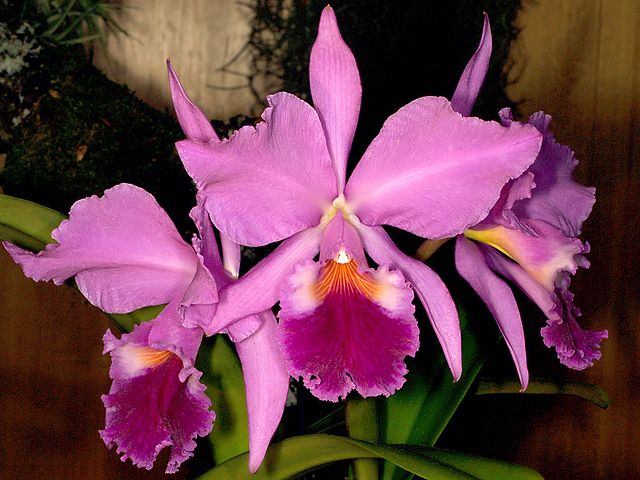
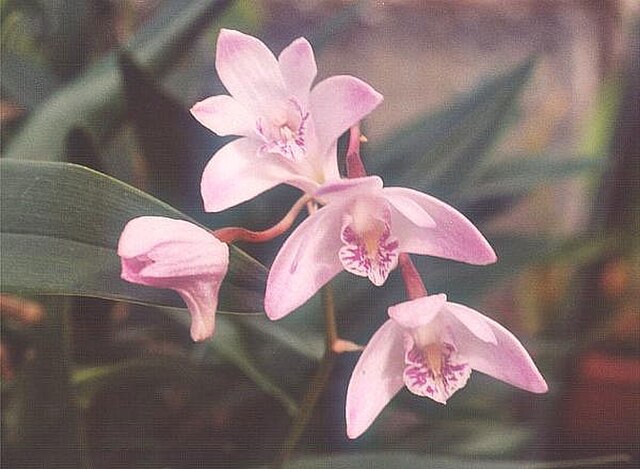
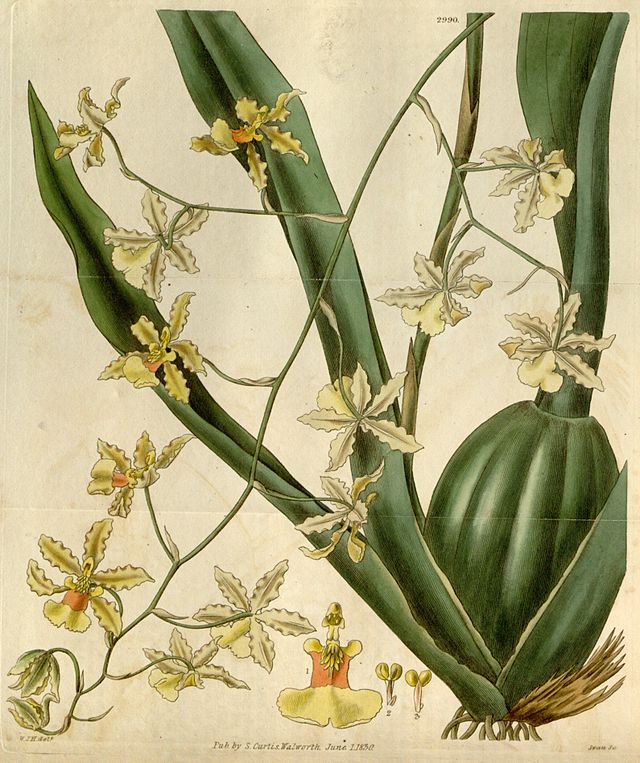
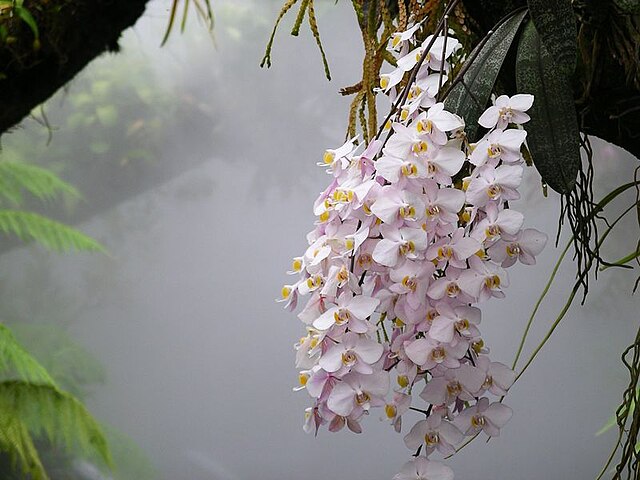
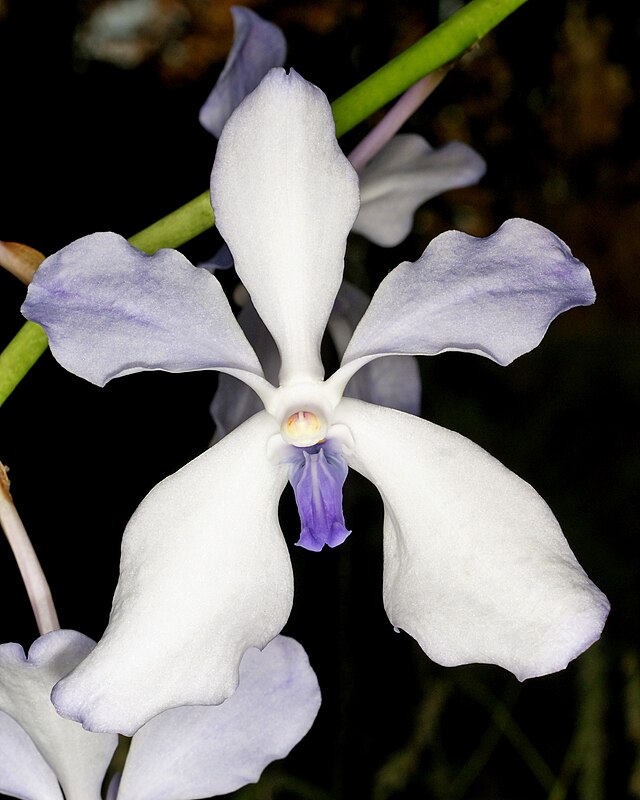
Choosing the right potting medium for orchid repotting is a crucial factor that determines success in orchid cultivation. It is completely different from general garden soil, and you must use a potting medium specifically designed for orchids. Understand the characteristics of each medium and select the optimal one for your variety.
Why General Garden Soil Cannot Be Used for Orchids
Most orchids are epiphytic plants. In nature, they attach their roots to tree trunks and branches or rock surfaces. Their roots naturally remain in constant contact with air.
- General garden soil retains too much water, causing orchid roots to suffocate
- High organic matter content can lead to root rot
- Orchid roots require a balance of air and adequate moisture
- A potting medium with excellent drainage and airflow is essential
Characteristics of Main Potting Mediums
Sphagnum Moss (Mizugoke)
The most popular potting medium for orchids.
- Moisture Retention: Extremely high. It expands when wet and shrinks when dry
- Airflow: Moderate (with fresh sphagnum moss)
- Advantages: Easy to handle even for beginners, good root contact, excellent moisture retention
- Disadvantages: Degrades quickly (requires replacement every 1–2 years), airflow decreases as it ages
- Suitable Orchids: Phalaenopsis, Paphiopedilum, miniature orchids
- Pot Pairing: Excellent with terracotta pots (the pot's airflow prevents waterlogging of the moss)
Selecting Grade
- Select AA grade or higher quality
- Ideally with minimal debris and sand, and long fibers
- Cheaper options have short fibers and break down quickly
Bark Chips
Chips made from crushed pine bark.
- Moisture Retention: Lower than sphagnum moss
- Airflow: Excellent. Prevents root rot from moisture
- Advantages: High drainage, less prone to root rot, degrades slowly, requires less frequent repotting
- Disadvantages: Low moisture retention requires more frequent watering, poor nutrient retention
- Suitable Orchids: Cattleya, Dendrobium, Oncidium
- Pot Pairing: Works well with plastic pots (helps compensate for lower moisture retention)
Selecting Size
- Small (5–10 mm): For miniature orchids and small pots
- Medium (10–20 mm): Ideal for standard-sized pots
- Large (20 mm or larger): For large pots or when prioritizing drainage
Pumice
A volcanic, porous stone material.
- Moisture Retention: Low
- Airflow: Extremely high
- Advantages: Virtually indefinite lifespan, inorganic (low mold and rot risk), weight stabilizes the pot
- Disadvantages: Low moisture retention makes watering management difficult, contains no nutrients on its own
- Suitable Orchids: Vanda, varieties prone to root rot
- Usage: More commonly mixed with bark or sphagnum moss rather than used alone
Coconut Chips (Coco Chips)
Chips made from crushed coconut husk.
- Moisture Retention: Higher than bark, lower than sphagnum moss—right in between
- Airflow: Good
- Advantages: Environmentally friendly, sustainable material; can be used as a bark alternative; good balance of moisture retention and drainage
- Disadvantages: May contain salt (rinse with water before use)
- Suitable Orchids: Versatile—works for a wide range of varieties
Recommended Potting Mediums by Variety
Phalaenopsis (Phalaenopsis Orchid)
- First choice: Sphagnum moss + terracotta pot
- Alternative: Bark (medium) + plastic pot
- Roots are thick and pair best with sphagnum moss
Cattleya
- First choice: Bark (medium) + terracotta pot
- Alternative: Sphagnum moss + terracotta pot
- Prioritize drainage. Prevent bulb rot
Dendrobium
- First choice: Sphagnum moss + terracotta pot
- Alternative: Bark (small to medium)
- Many species exist; adjust based on variety
Vanda
- First choice: No potting medium (hanging cultivation)
- Alternative: Small amount of large pumice in a basket
- Prioritize root airflow
Paphiopedilum
- First choice: Sphagnum moss + small terracotta pot
- Alternative: Bark (small) + small amount of pumice mixed in
- Prefers slightly moist conditions but avoid waterlogging
Oncidium
- First choice: Bark (medium) + plastic pot
- Alternative: Coconut chips
- Has fine roots; balance of drainage and moisture retention is important
Practical Techniques for Repotting
How to Use Sphagnum Moss
- Soak dried sphagnum moss in water for 30 minutes to 1 hour to rehydrate
- Gently squeeze out excess water (until no water drips when squeezed)
- Insert moss between roots and wrap around the entire root system
- Press firmly into the pot (gaps will cause roots to dry out too quickly)
How to Use Bark
- Soak bark in water before use (dry bark repels water)
- Lay large pieces on the pot bottom, place the plant, then fill gaps with medium pieces
- Gently shake to remove air gaps
- Push bark between roots with a stick or similar tool
Summary of Cultivation Tips
To succeed in orchid cultivation, it is most important to understand the characteristics of each variety and create an environment suited to it. Pay special attention to the following three points.
- Ensure Adequate Light: Light requirements vary by variety. Observe leaf color to assess proper brightness. Dark green indicates insufficient light, yellow-green is optimal, and too much yellow indicates excessive light.
- Watering Rhythm: The basic rule is "water when dry." Develop the habit of checking the medium with your finger before watering to reduce failures.
- Seasonal Management: Manage distinctly between growth and dormancy periods to promote vigorous plants and better flowering. Provide generous water and fertilizer during growth, and reduce during dormancy as a general rule.
Orchids are sensitive to environmental changes. When bringing home a new plant, prioritize acclimating it to your home's conditions. Frequently moving it or suddenly exposing it to direct sunlight will weaken it from stress.
Three Basic Principles for Successful Cultivation
To succeed in orchid cultivation, keep these three principles in mind.
1. Creating an Environment Suited to Variety Characteristics Light, temperature, and humidity requirements vary significantly by orchid variety. Phalaenopsis prefers low light and high humidity, while Cattleya requires strong light and moderate dryness. Before purchasing, research the cultivation conditions for your variety and determine whether your home environment can support it without difficulty.
2. Creating Contrast Between Wet and Dry Periods in Watering For most orchids, the basic cycle is "water thoroughly when dry, then wait until dry again." Neither constantly wet nor constantly dry conditions are good for orchids. Develop the habit of checking the medium with your finger before watering to reduce mistakes.
3. Switching Management by Season Orchids have growth and dormancy periods, each requiring different management. During growth, provide ample water and fertilizer to develop vigorous plants; during dormancy, reduce watering and fertilizer to let the plant rest. This seasonal contrast is key to flowering.
When bringing home a new plant, prioritize acclimatizing it to its new environment for the first two weeks. Frequently moving it or suddenly exposing it to direct sunlight will weaken it from stress.
Finding Orchids on GrowerDirect
On GrowerDirect, you can purchase orchids directly from specialist growers who manage them with potting mediums perfectly suited to each variety. You can also consult directly with growers about repotting timing and medium selection after purchase—a reassuring advantage. Discover healthy orchids with vigorous roots on GrowerDirect.