Orchid Encyclopedia
Encyclopedia of popular orchid species with care guides, traits, and flowering tips.
Showing 9 of 140 species
 © sunoochi from Sapporo, Hokkaido, Japan / CC BY 2.0
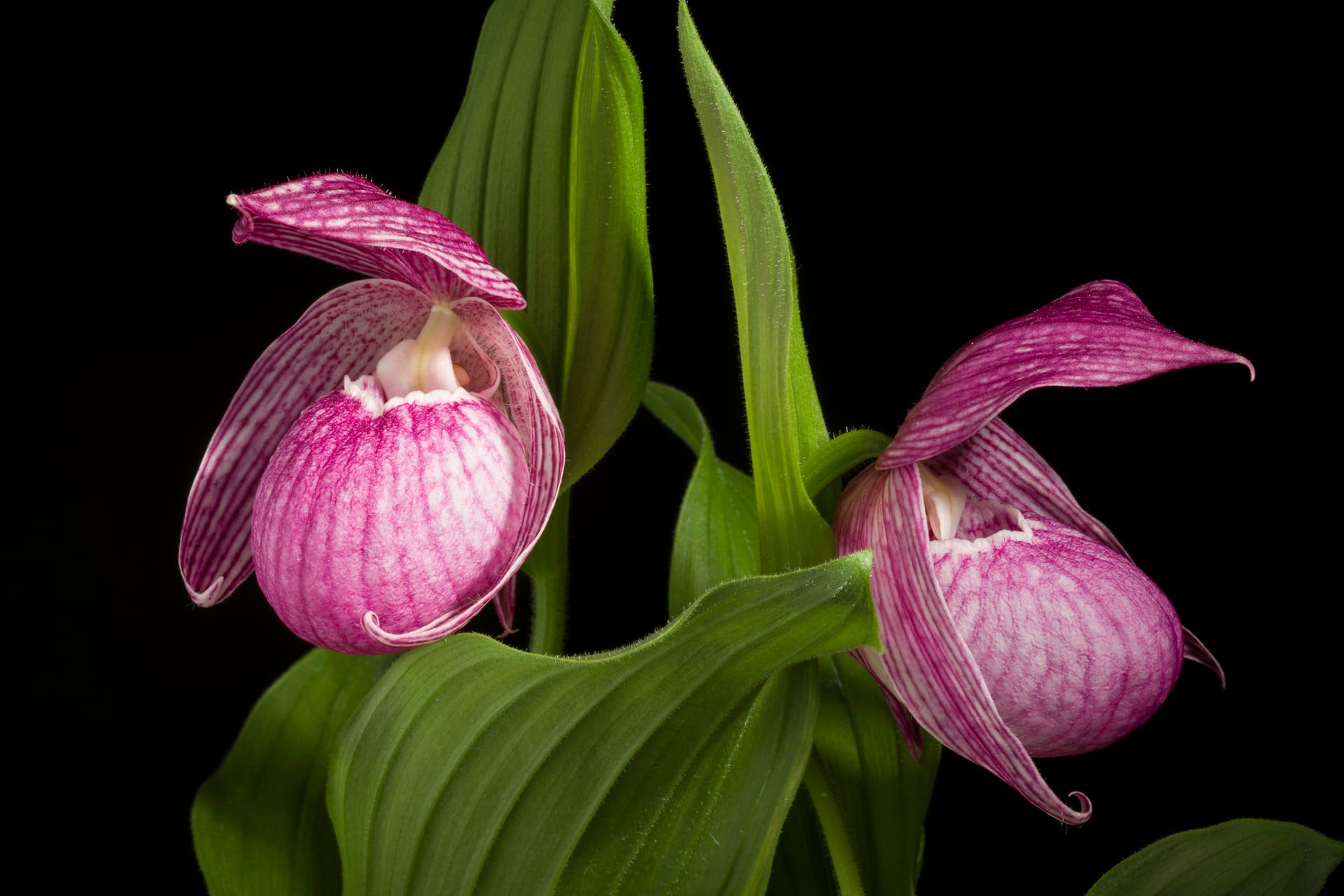
Atsumori-so
Cypripedium macranthos var. speciosum
Japan's atsumori-so, bearing a large red-purple pouched flower at the top of the stem. It grows in grassland and open woods in cold parts of Hokkaido and Honshu and is designated a Specified Class I Nationally Rare Species; plants on sale are artificially propagated.
 © Alpsdake / CC BY-SA 4.0
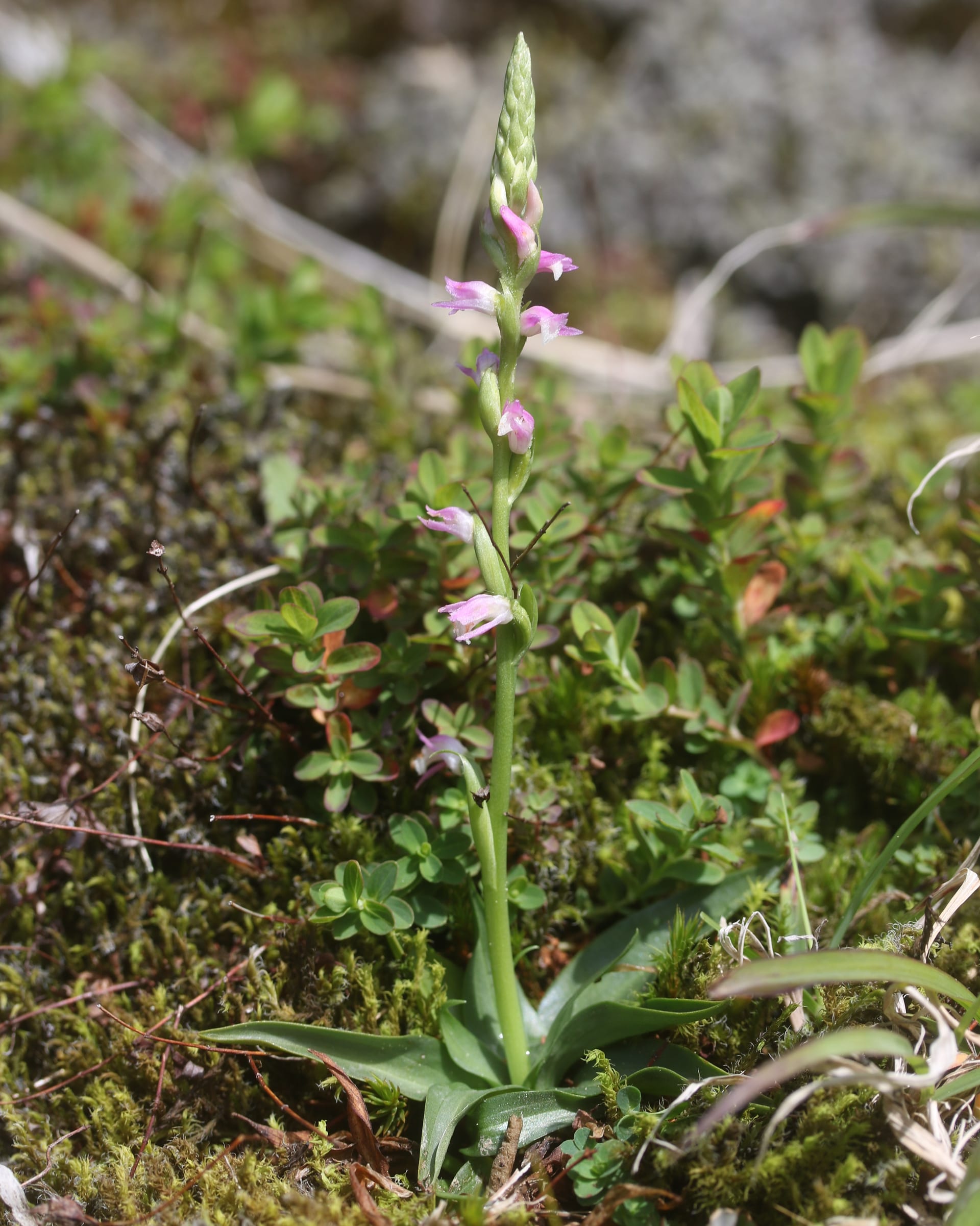
Austral Ladies' Tresses
Spiranthes australis
A small orchid of lawns, banks and other familiar grassland. Tiny pink flowers spiral up a slender spike, the twisted spike giving it its Japanese name. Left- and right-handed spirals occur in roughly equal numbers, and white and other variant forms exist.
 © snotch from Sapporo, Hokkaido, Japan / CC BY 2.0
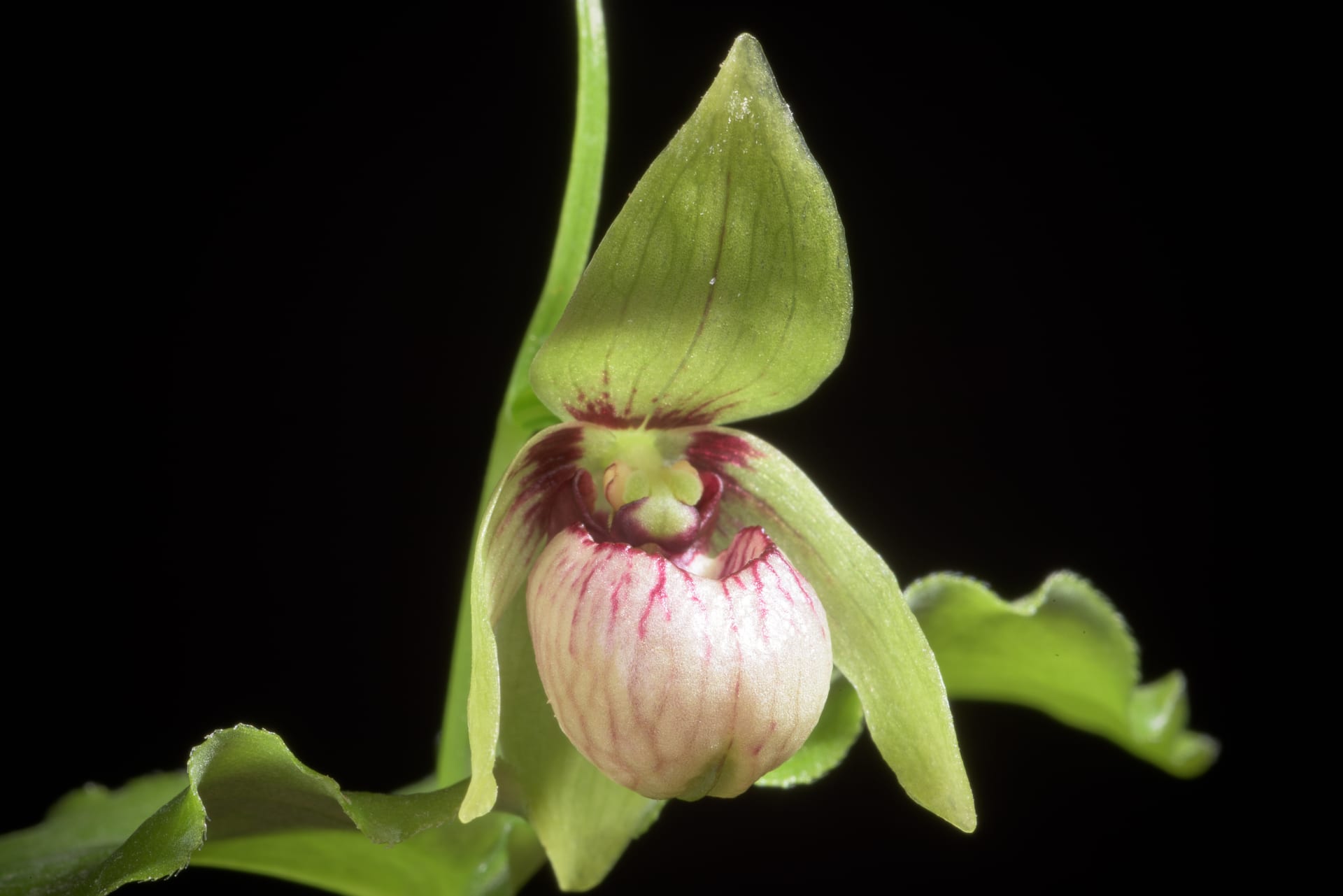
Frail Cypripedium
Cypripedium debile
A tiny Cypripedium that spreads two rounded, heart-shaped leaves horizontally and hangs a flower only 1-2 cm across beneath them. Because the flower sits just above the ground, it is easy to miss without lifting the leaves.
 © Alpsdake / CC BY-SA 4.0
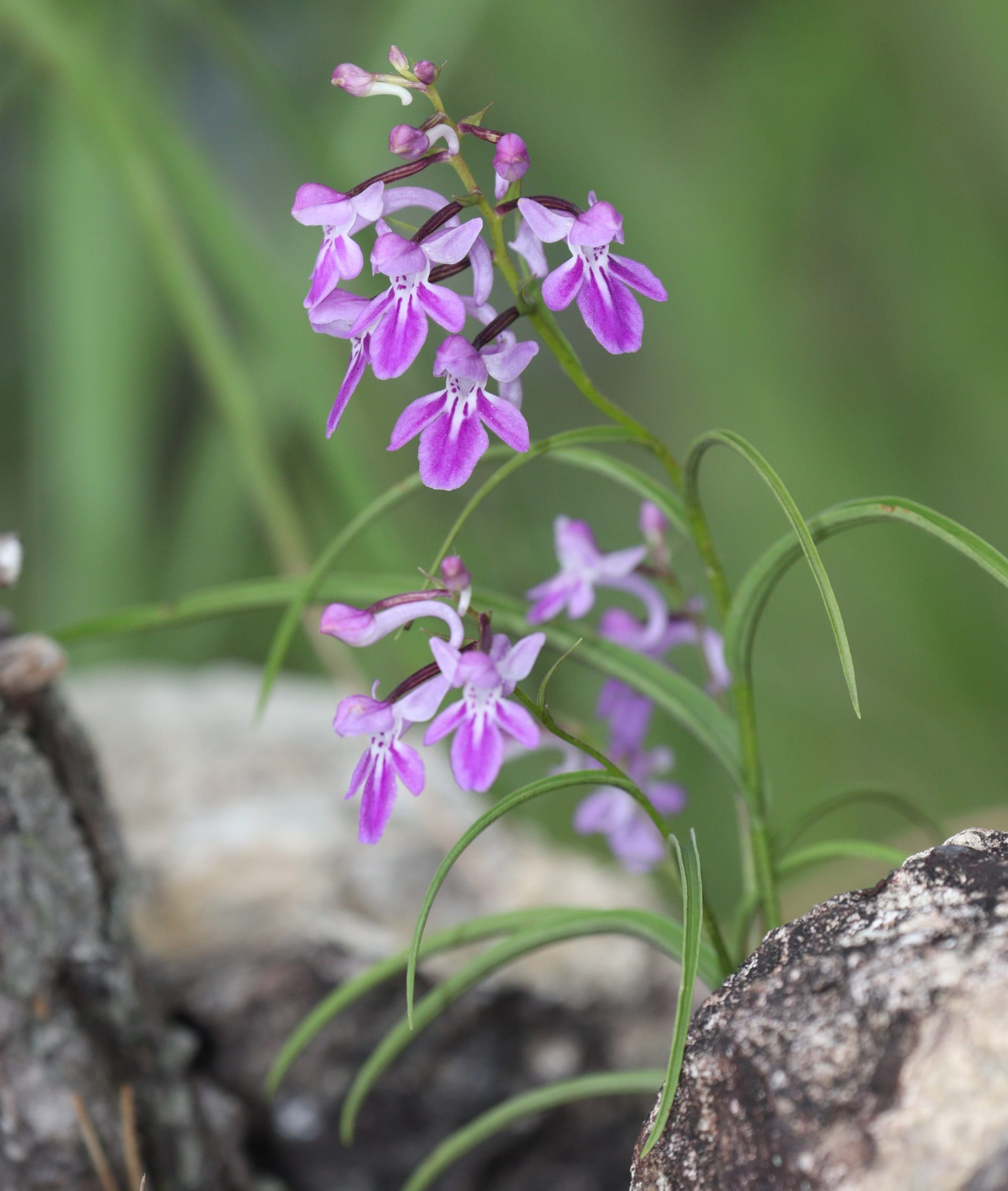
Grass-leaved Hemipilia
Hemipilia graminifolia
A small terrestrial orchid of damp rock faces in the hills of Japan and southern Korea. Between narrow leaves it bears a few to dozens of small purple-pink flowers, and many cultivars with different lip markings and colours have been raised.
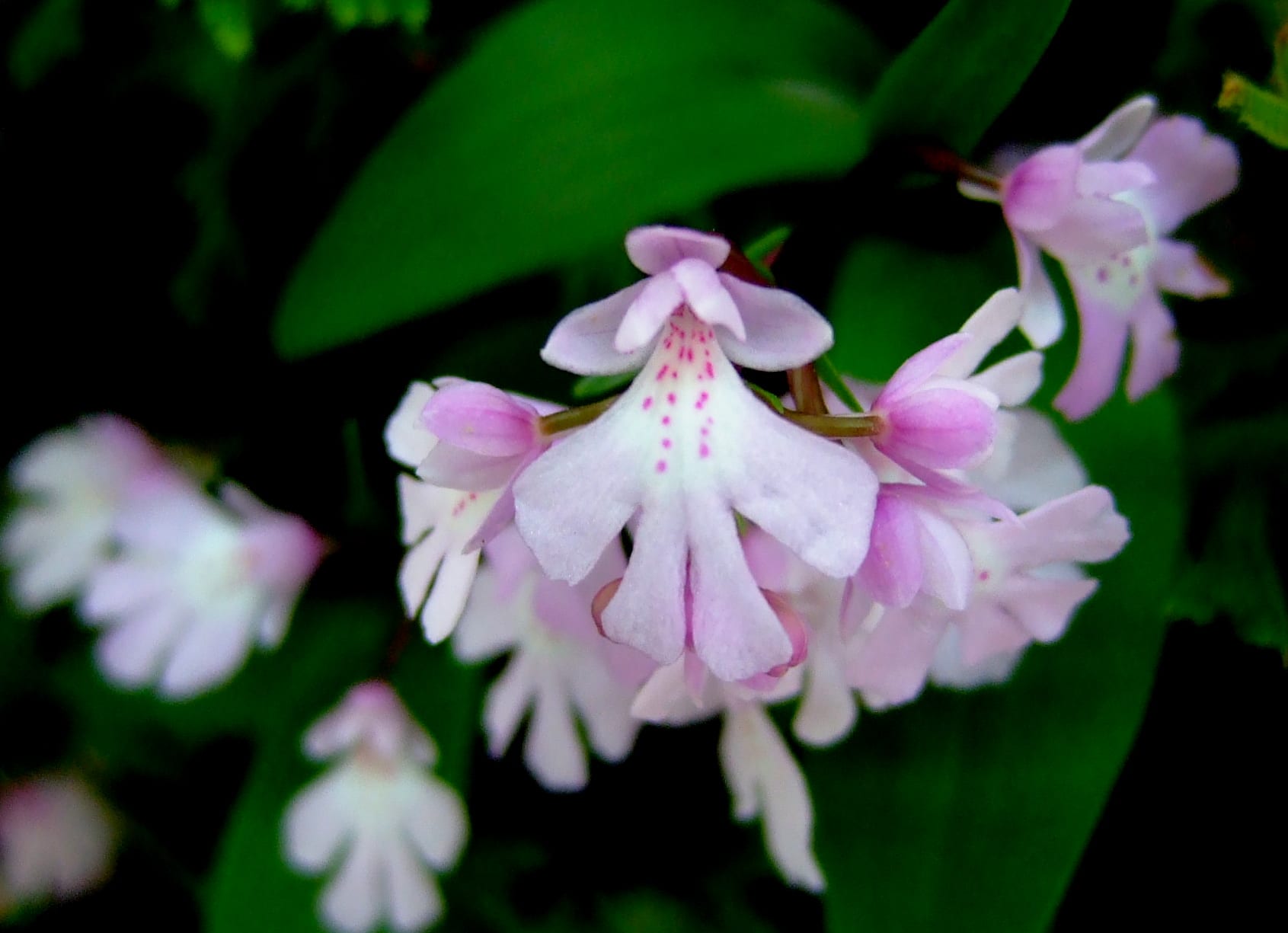 © 日:Jnn / CC BY 2.1 jp
Iwa-chidori
Hemipilia keiskei
A tiny terrestrial orchid endemic to Japan, growing in rock crevices in gorges from central Honshu westwards and on Shikoku. About 10 cm tall, it opens pink-purple flowers about 1 cm across in April and May and is nicknamed the fairy of the gorges.
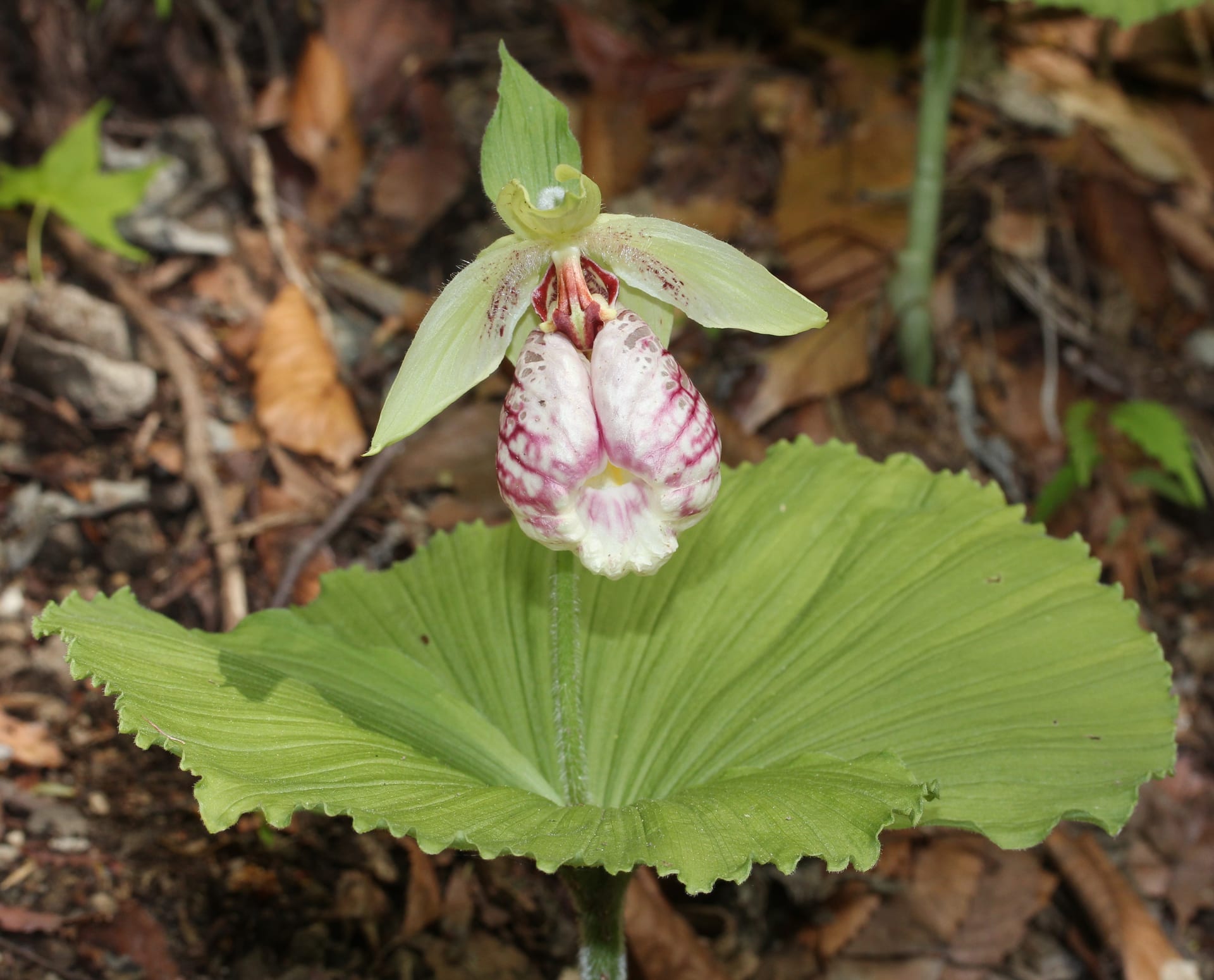 © Alpsdake / CC BY-SA 4.0
Japanese Cypripedium
Cypripedium japonicum
A Cypripedium with two large fan-shaped leaves held opposite each other, between which a large pouched flower faces sideways. The white lip is patterned purple-brown, and it forms large colonies on the floor of bamboo and cedar woods.
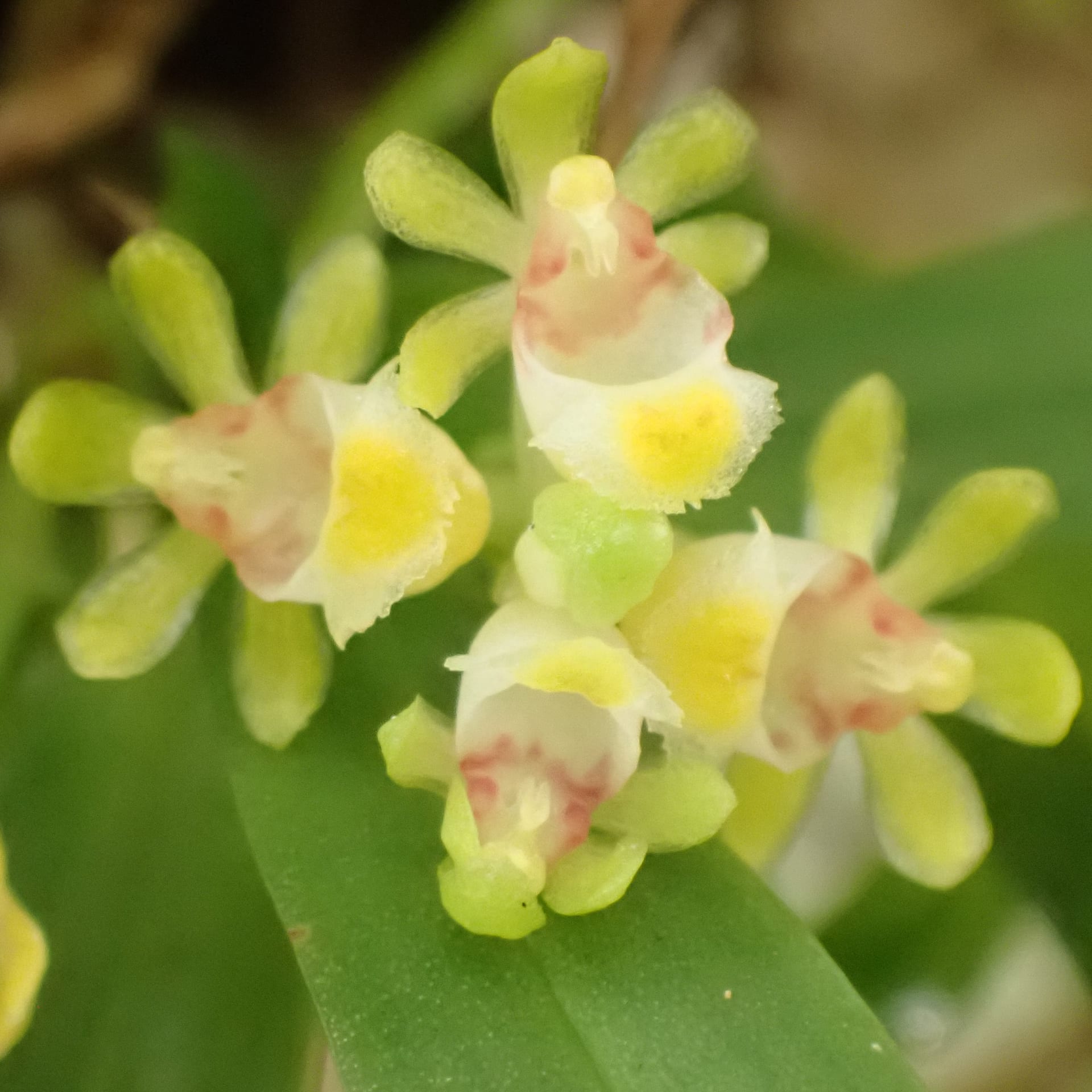 © M108t / CC BY 4.0
Japanese Gastrochilus
Gastrochilus japonicus
A small orchid growing on the trunks and branches of evergreen trees. It has leathery leaves like those of an evergreen oak in two rows and in summer opens clusters of pale yellow flowers about 1 cm across; the pouched lip is marked red-purple inside.
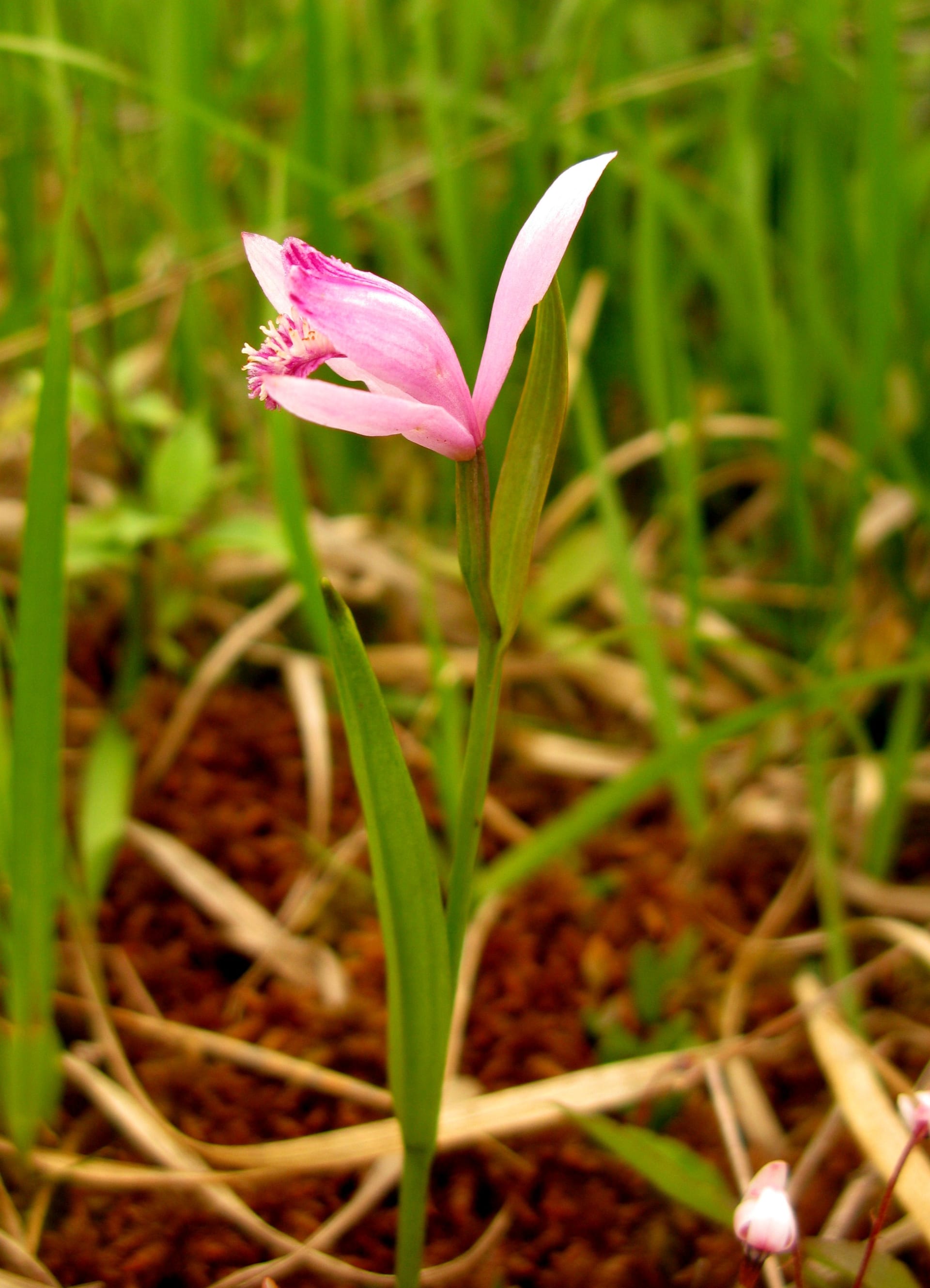 © Qwert1234 / Public domain
Japanese Pogonia
Pogonia japonica
A small terrestrial orchid of sunny wetlands and moors. A slender stem bears a single leaf and, in early summer, one sideways-facing flower in the soft pink-purple of the crested ibis (toki). The inside of the lip is densely covered in fleshy hairs.
 © snotch from Sapporo, Hokkaido, Japan / CC BY 2.0
Nago Orchid
Phalaenopsis japonica
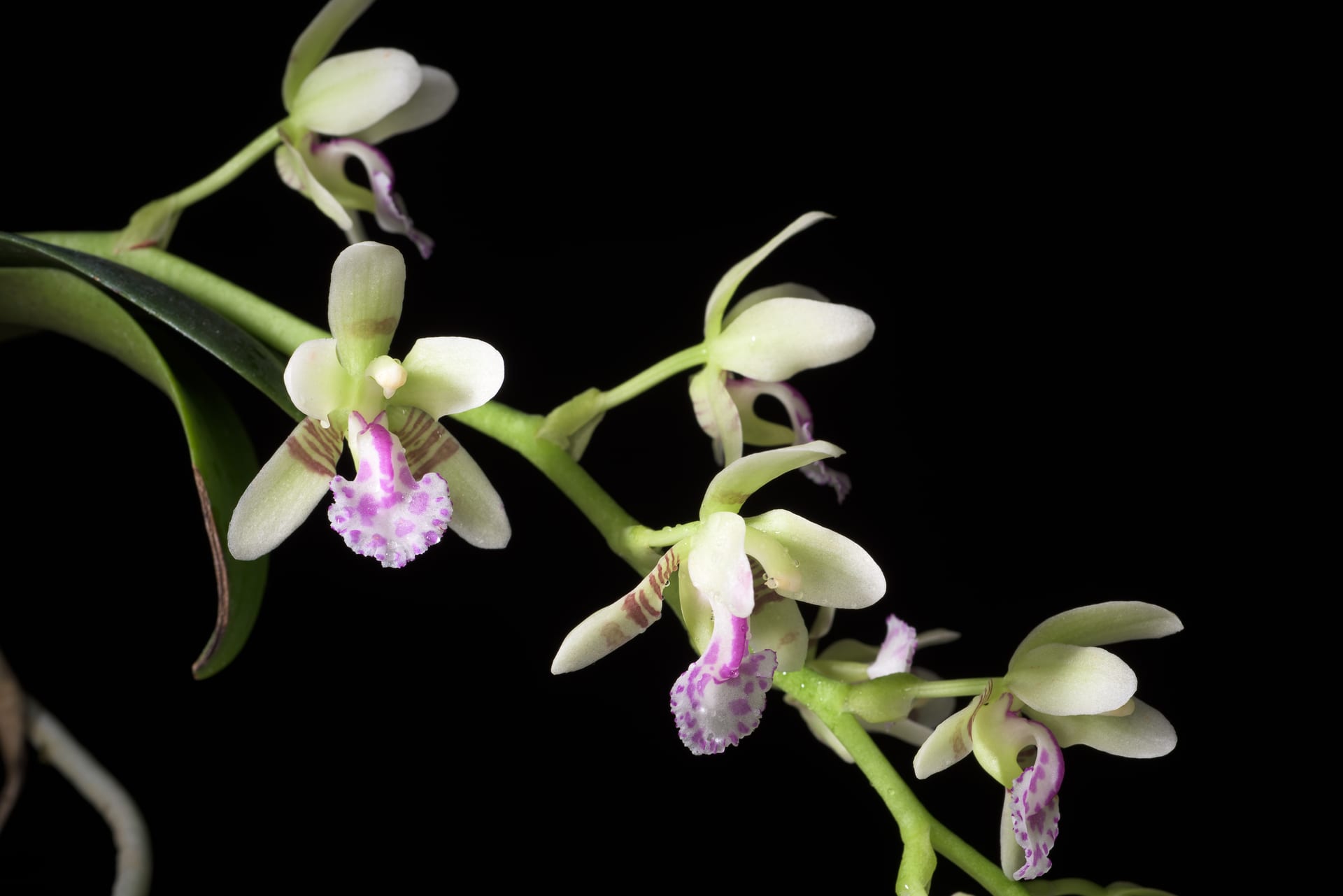
A small epiphytic orchid native to Japan, named after Mount Nago in Okinawa where it was found. It carries thick, leathery leaves in two rows and in early summer to summer opens pale greenish-white flowers with red-purple bars on the lateral sepals and a lemony scent.
Related Content
Orchid FAQ
- How much do orchids cost?
- Mini Phalaenopsis cost 1,000-5,000 yen, large Phalaenopsis 5,000-30,000 yen, Cattleya 3,000-20,000 yen, and rare species orchids tens of thousands of yen depending on type and size.
- Can beginners grow orchids?
- Phalaenopsis and Dendrobium are easy to manage indoors and recommended for beginners. Place in bright indirect light and water when the moss dries out for long-lasting blooms.
- How long do orchids live?
- With proper care, orchids can be grown for decades. Phalaenopsis bloom annually and can be propagated by division. Many enthusiasts have plants over 10 years old.
- What should I check when buying orchids?
- Check that roots are green and healthy, leaves are firm, and there are no disease spots. Choosing a blooming plant helps you see what to expect and is easier for beginners.
- How do I get orchids to rebloom?
- Cut the flower spike above a node after blooming and keep in bright shade. A day-night temperature difference in autumn encourages flower spike formation. Consistent fertilizing and watering are key.