Orchid Encyclopedia
Encyclopedia of popular orchid species with care guides, traits, and flowering tips.
Showing 12 of 140 species
 © Willow Coville / CC BY-SA 4.0
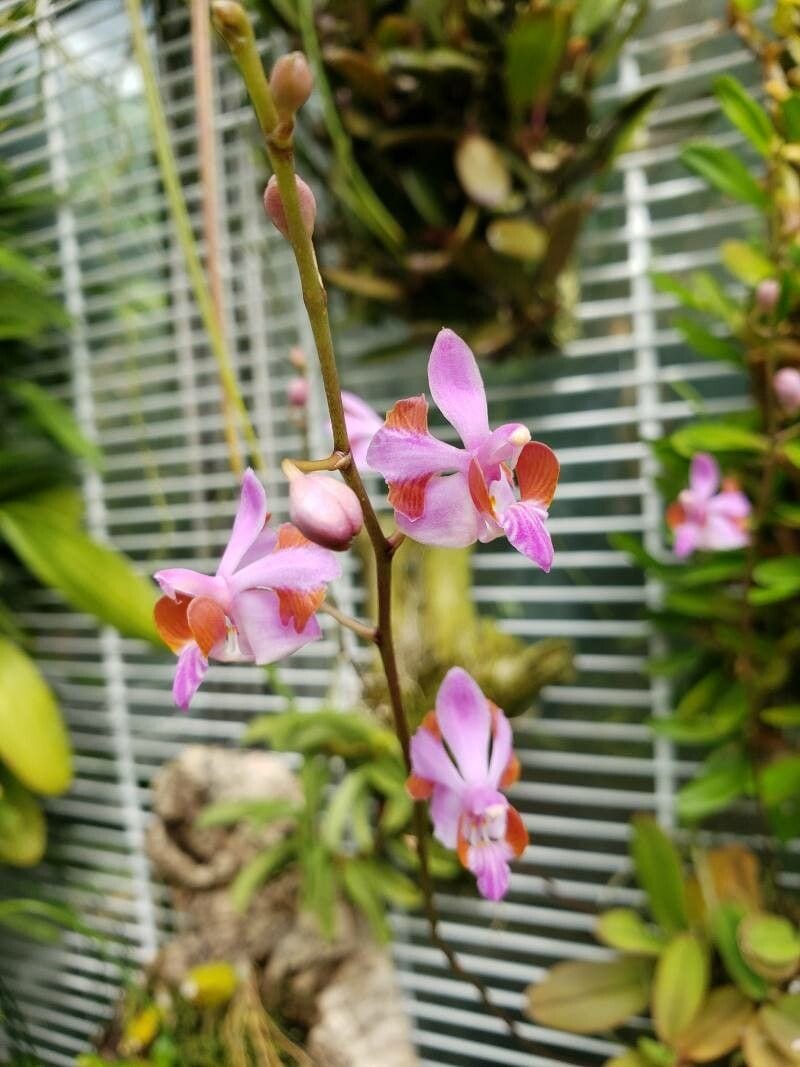
Beautiful Doritis
Phalaenopsis pulcherrima
A moth orchid species formerly placed in the genus Doritis. It has many stiff, fairly upright leaves and an erect, tall stem that opens small, bright pink-red flowers from the bottom up. It is known for wide variation in flower colour and shape.
 © Orchi / CC BY-SA 3.0
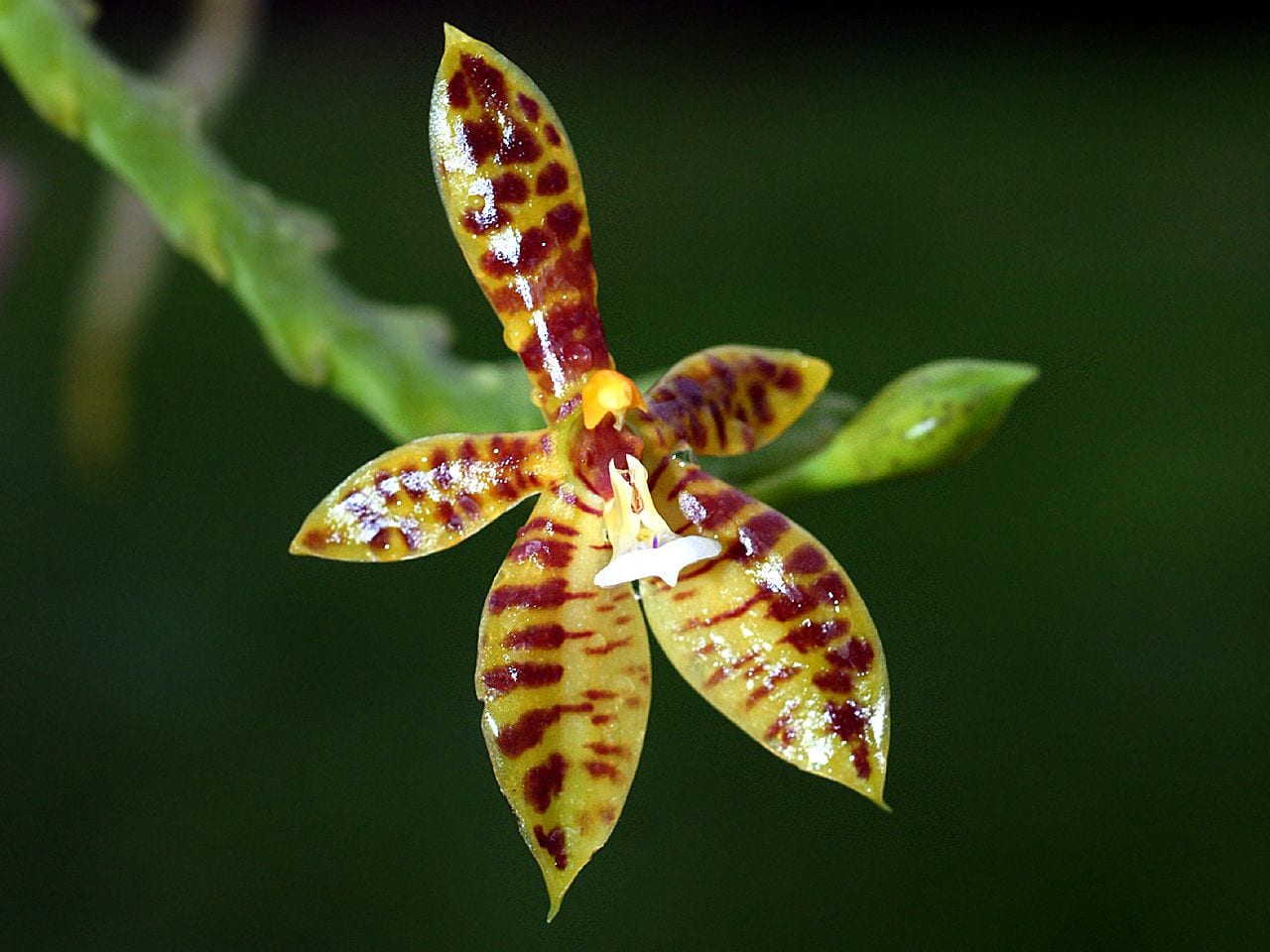
Deer-antlered Phalaenopsis
Phalaenopsis cornu-cervi
A moth orchid species named for its flattened, branching flower stem that resembles a deer's antler. The same stem keeps producing fleshy, fragrant flowers 3-5 cm across over a long period. It is widespread in lowland Southeast Asia.
 © Naoki Takebayashi from Fairbanks, AK, USA / CC BY-SA 2.0
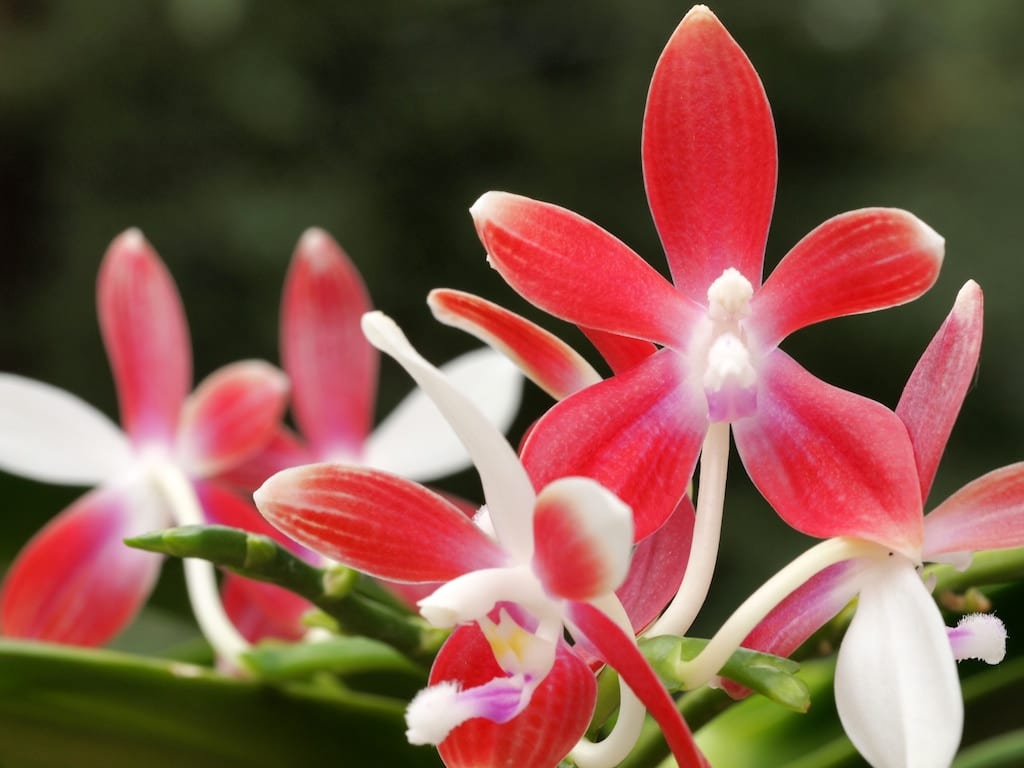
Four-shield Phalaenopsis
Phalaenopsis tetraspis
A moth orchid species from the Andaman and Nicobar Islands and north-western Sumatra. Its fleshy, strongly scented flowers range from white to red, varying between plants and even from year to year on one plant, and the former P. speciosa is now included in it.
 © Orchi / CC BY-SA 3.0
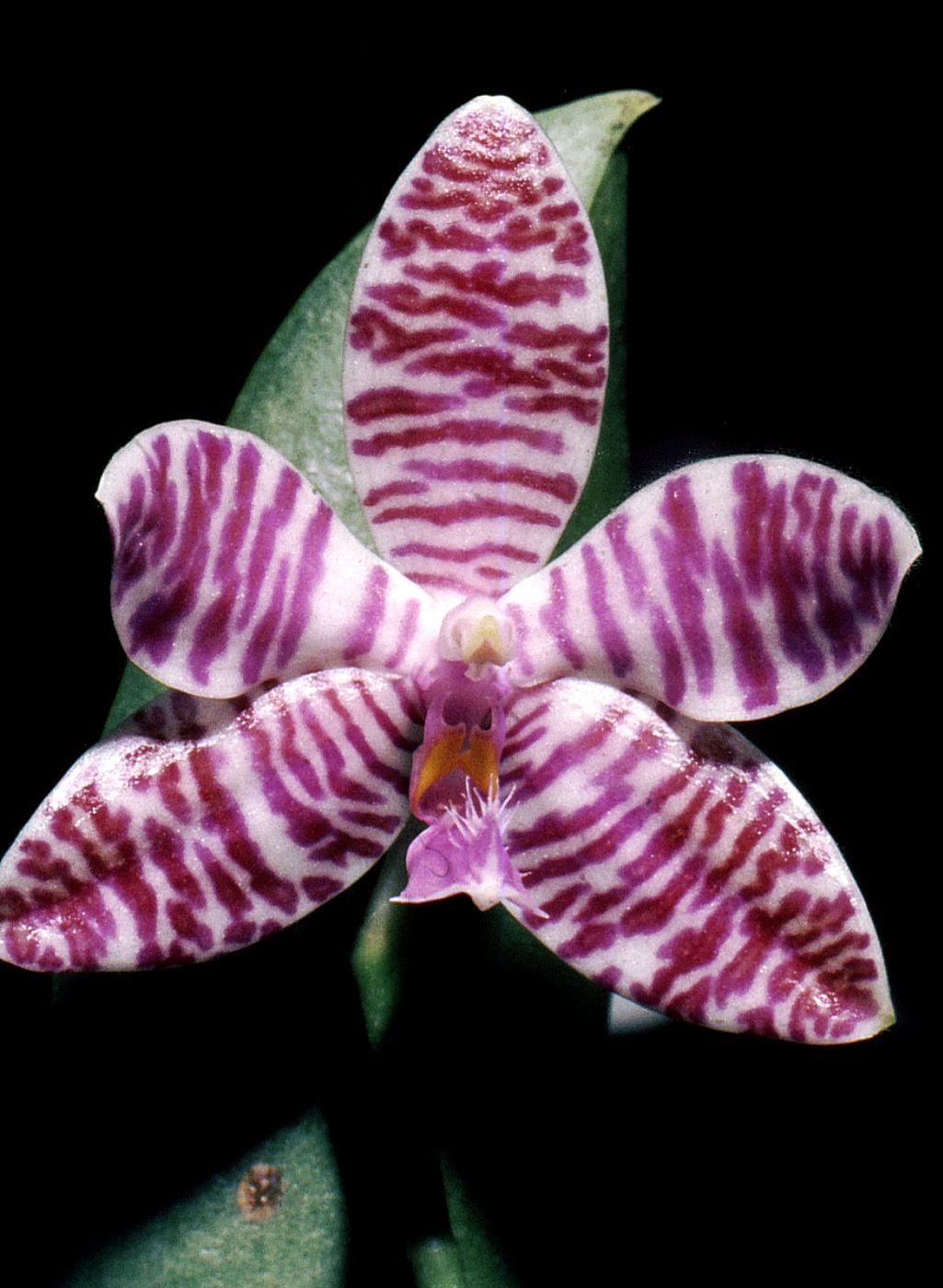
Lueddemann's Phalaenopsis
Phalaenopsis lueddemanniana
A moth orchid species endemic to the Philippines. Its waxy, fleshy flowers are white to ochre, barred and spotted violet to magenta, sweetly scented and long-lasting. The flower stems readily produce plantlets (keikis).
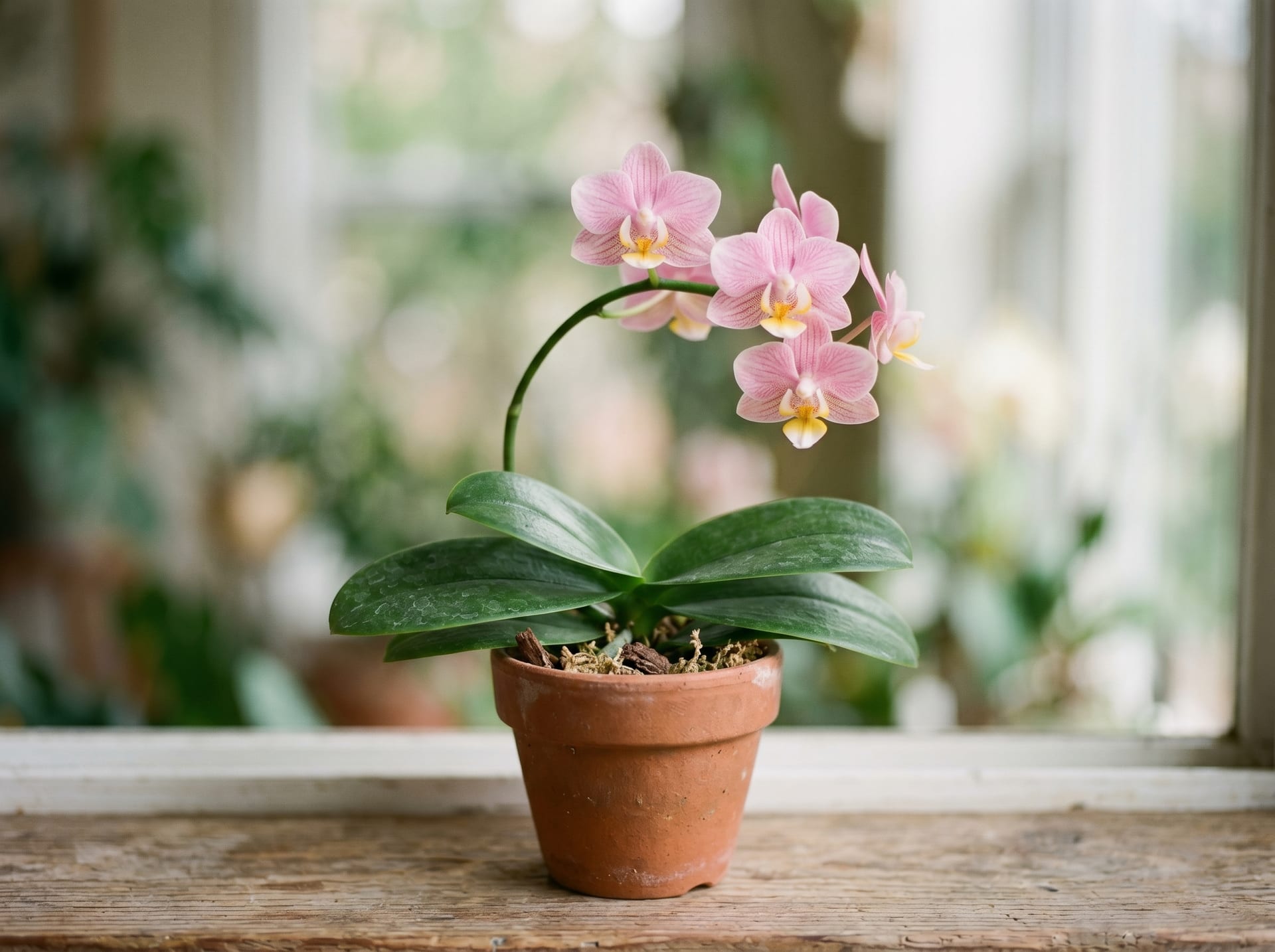
Mini Phalaenopsis
A compact Phalaenopsis perfect for tabletop display, popular as gifts.
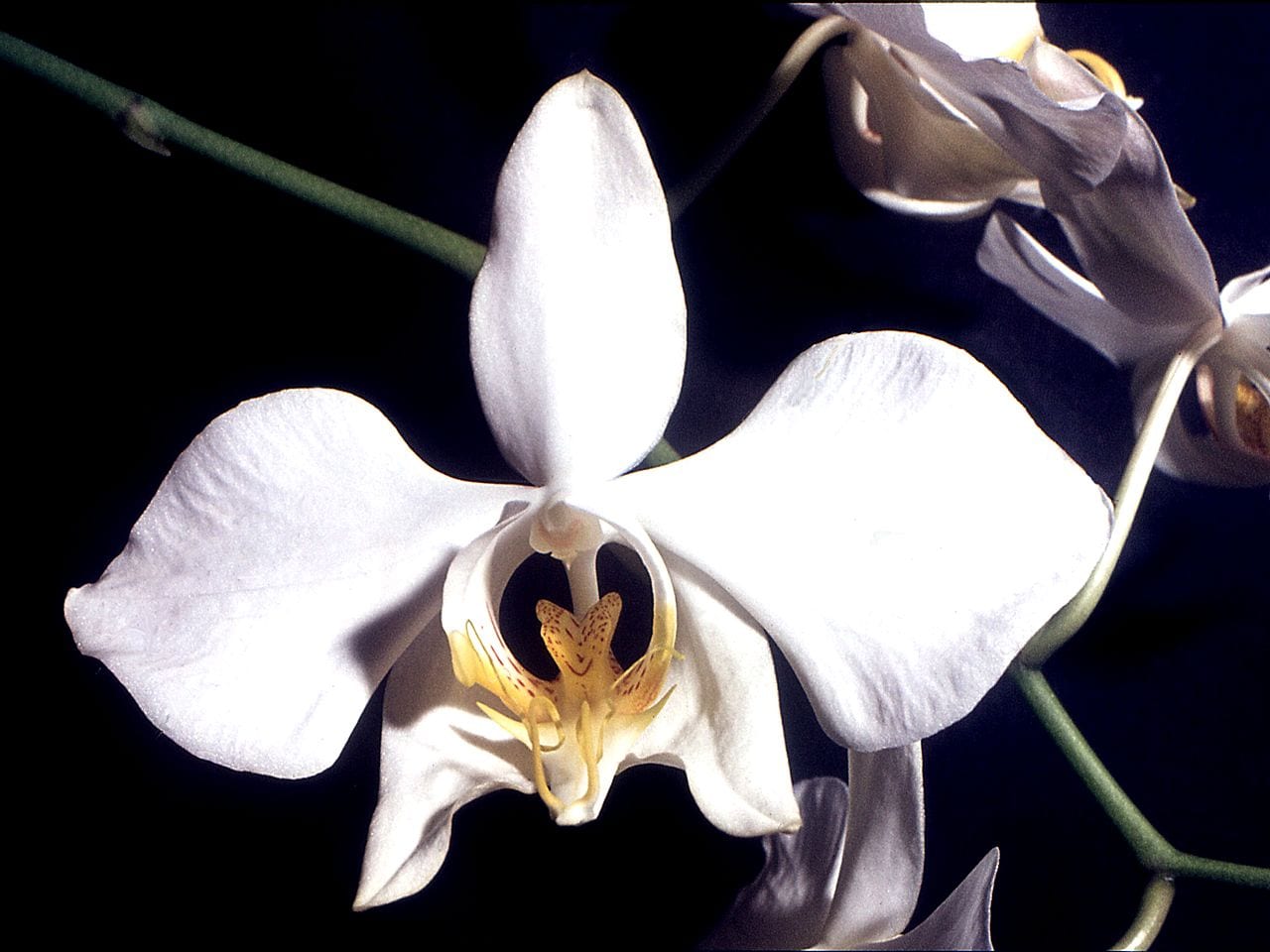 © Orchi / CC BY-SA 3.0
Moon Orchid
Phalaenopsis amabilis
The species behind the classic image of the large white moth orchid. A long, arching stem carries many flat white flowers about 6-8 cm across, and the lip ends in two thread-like tendrils. It is one of the national flowers of Indonesia.
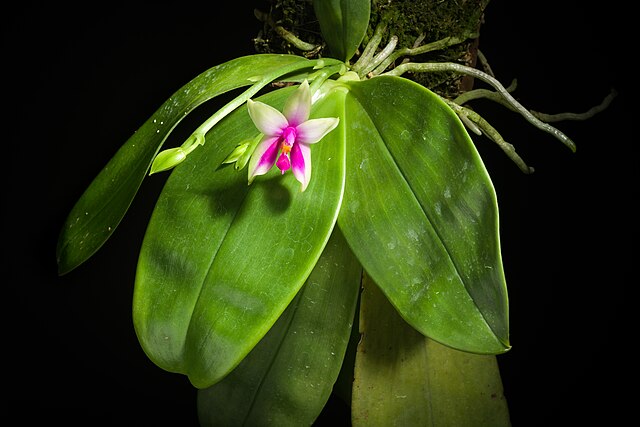 © sunoochi from Sapporo, Hokkaido, Japan / CC BY 2.0
Phalaenopsis Bellina
Phalaenopsis bellina
A species Phalaenopsis with refreshing lemon fragrance and beautiful green-purple gradient.
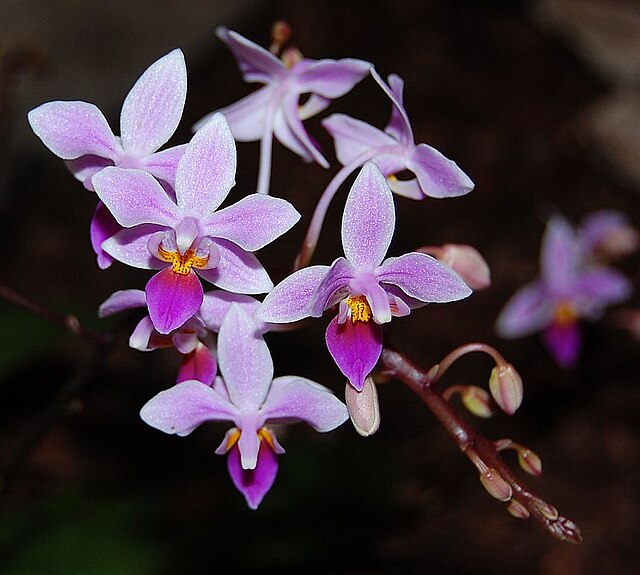 © AtonX / CC BY-SA 3.0
Phalaenopsis Equestris
Phalaenopsis equestris
A small Philippine species Phalaenopsis that branches and blooms with small flowers for a long period.
Phalaenopsis Schilleriana
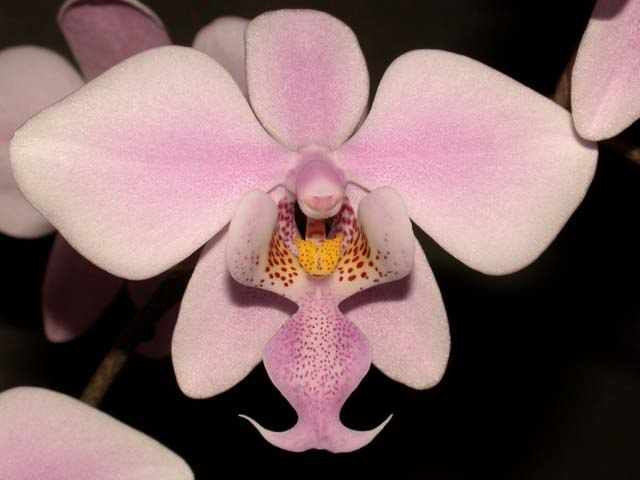
Phalaenopsis schilleriana
A species Phalaenopsis with silver-mottled leaves and pink flowers in cascading sprays.
 © Guillaume Paumier / CC BY-SA 3.0
Phalaenopsis Sogo Yukidian 'V3'
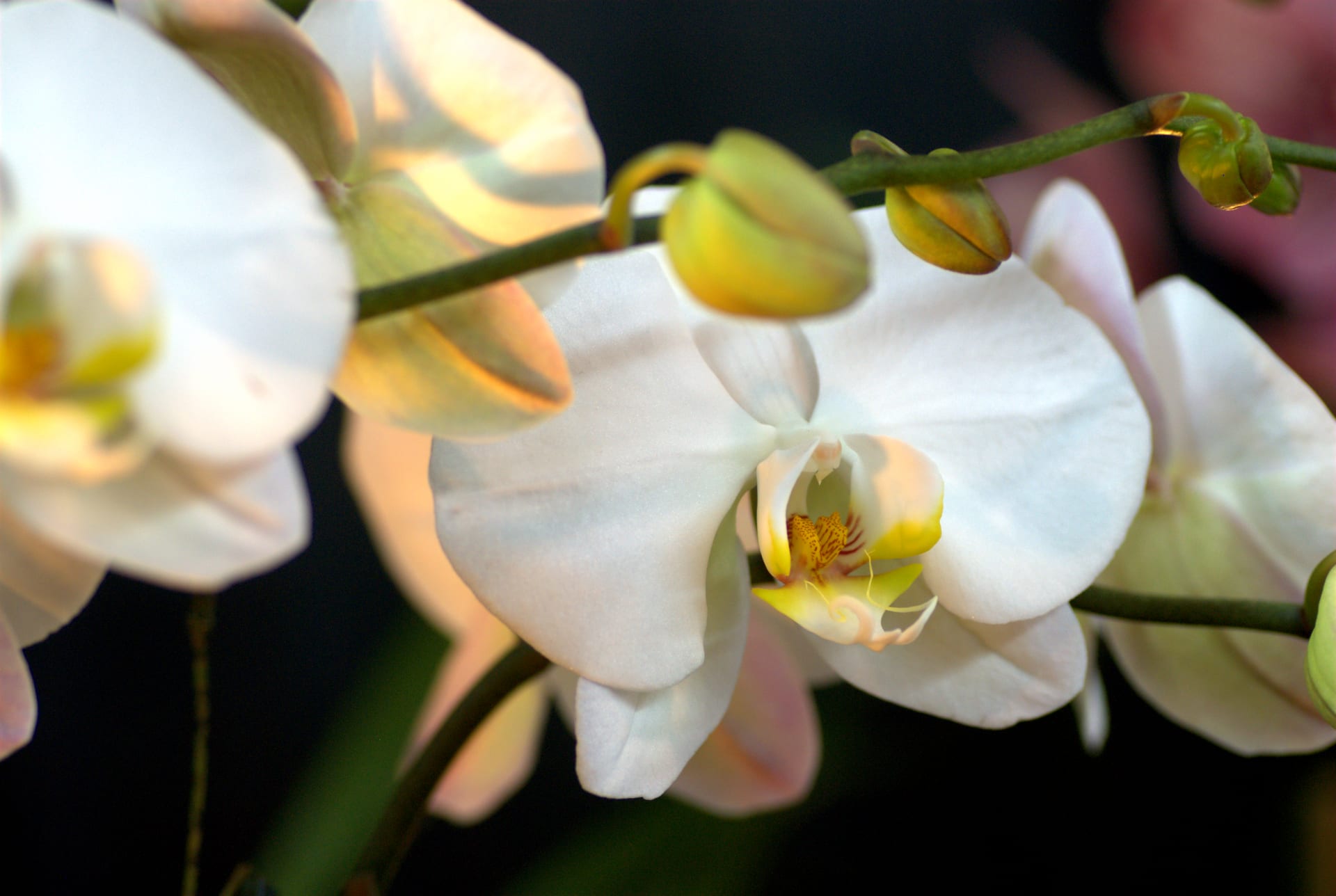
Phalaenopsis Sogo Yukidian 'V3'
'V3' is a named clone of Phalaenopsis Sogo Yukidian, a hybrid raised by the breeder Sogo and registered with the Royal Horticultural Society in 1998. It is sold as a large white-flowered moth orchid.
 © Elena Gaillard from New York, USA / CC BY 2.0
Stuart's Phalaenopsis
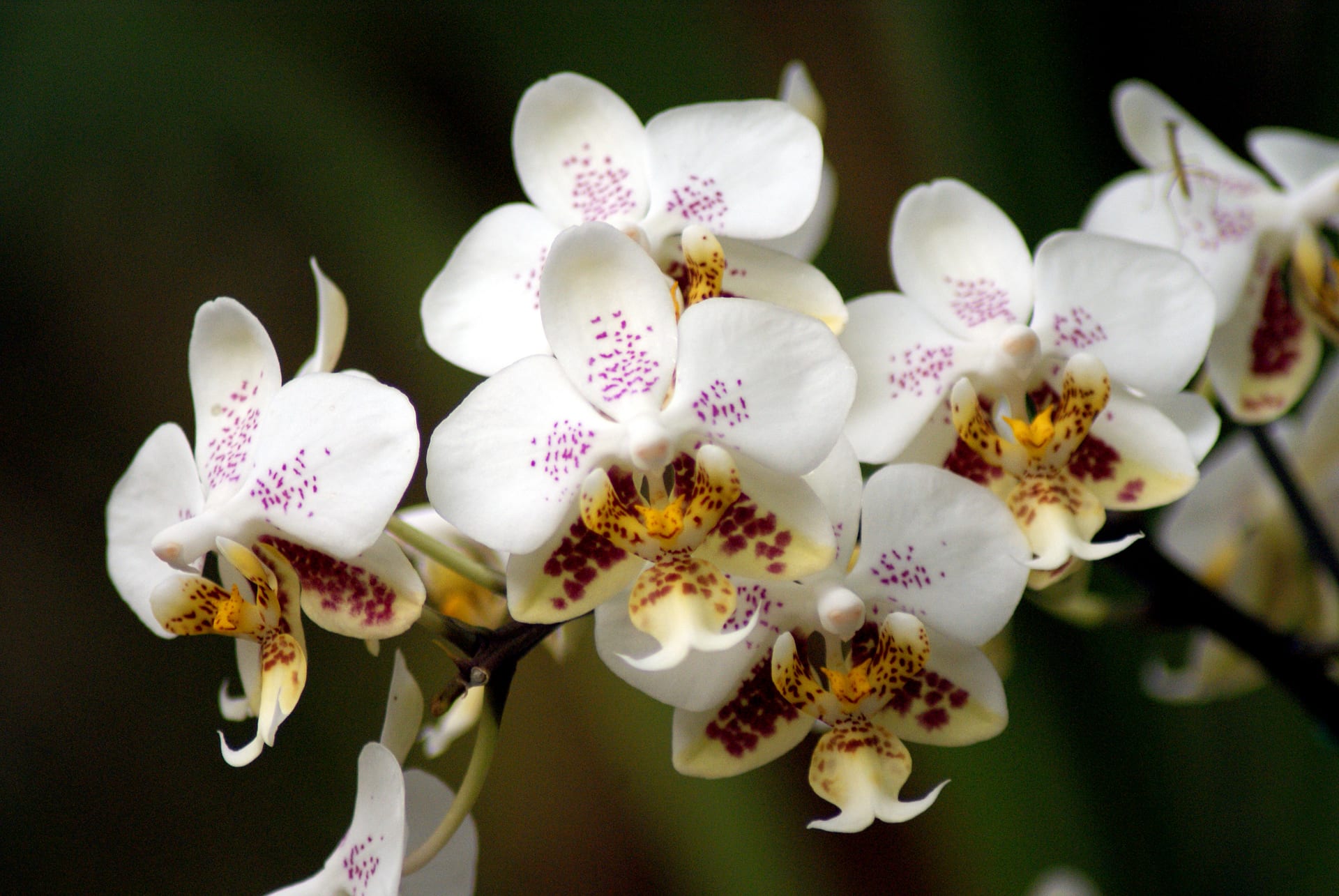
Phalaenopsis stuartiana
A moth orchid species endemic to Mindanao in the Philippines. It has mottled leaves and in winter and spring arches a branching stem up to 90 cm long bearing as many as 100 faintly fragrant flowers 5-9 cm across.
 © Andi S. / CC BY 2.0
Violet Phalaenopsis
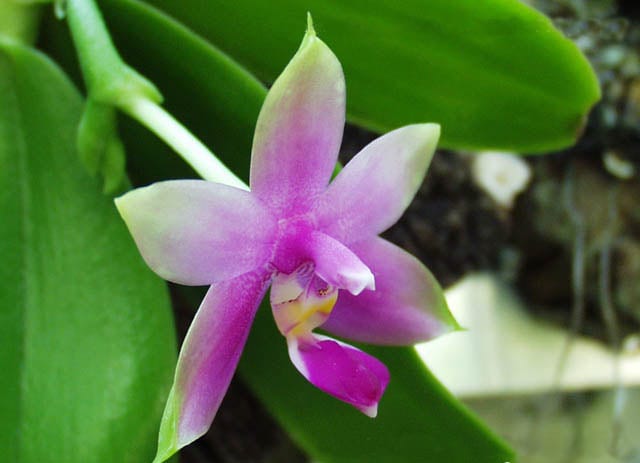
Phalaenopsis violacea
A small moth orchid species from lowland Sumatra and nearby areas. A short zigzag stem opens violet-dominated flowers about 3.5 cm across one after another, with a strong spicy fragrance.
Related Content
Orchid FAQ
- How much do orchids cost?
- Mini Phalaenopsis cost 1,000-5,000 yen, large Phalaenopsis 5,000-30,000 yen, Cattleya 3,000-20,000 yen, and rare species orchids tens of thousands of yen depending on type and size.
- Can beginners grow orchids?
- Phalaenopsis and Dendrobium are easy to manage indoors and recommended for beginners. Place in bright indirect light and water when the moss dries out for long-lasting blooms.
- How long do orchids live?
- With proper care, orchids can be grown for decades. Phalaenopsis bloom annually and can be propagated by division. Many enthusiasts have plants over 10 years old.
- What should I check when buying orchids?
- Check that roots are green and healthy, leaves are firm, and there are no disease spots. Choosing a blooming plant helps you see what to expect and is easier for beginners.
- How do I get orchids to rebloom?
- Cut the flower spike above a node after blooming and keep in bright shade. A day-night temperature difference in autumn encourages flower spike formation. Consistent fertilizing and watering are key.