How to Care for Operculicarya pachypus | Pruning Time, Watering, and Root Development Management
A complete guide to caring for Operculicarya pachypus, the king of caudiciform plants. Covering pruning timing (May–July), use of wound sealant, root development management and distinguishing between rot and callus formation, watering, differences between wild-collected and seed-grown specimens, and winter dormancy.
Key Takeaways
A complete guide to caring for Operculicarya pachypus, the king of caudiciform plants. Covering pruning timing (May–July), use of wound sealant, root development management and distinguishing between rot and callus formation, watering, differences between wild-collected and seed-grown specimens, and winter dormancy.
Related Species
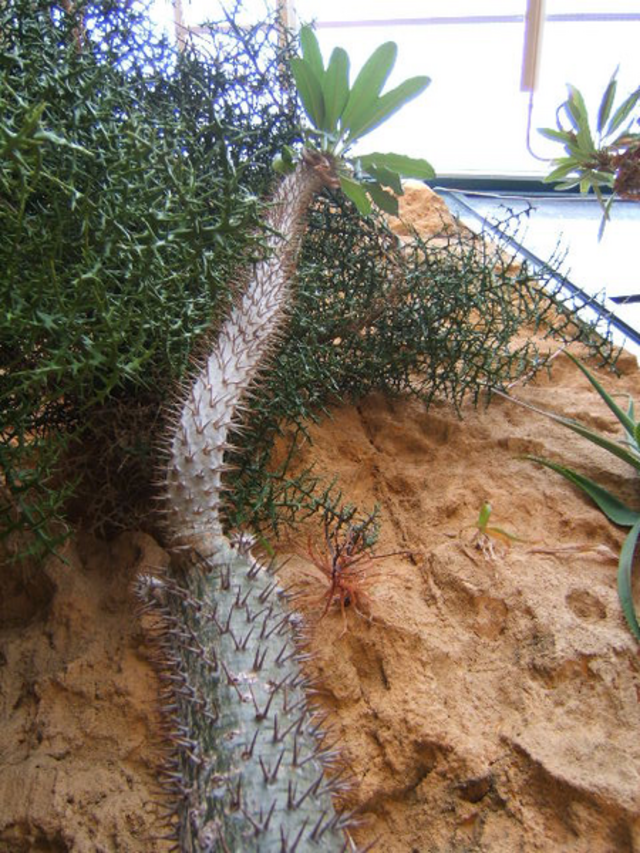
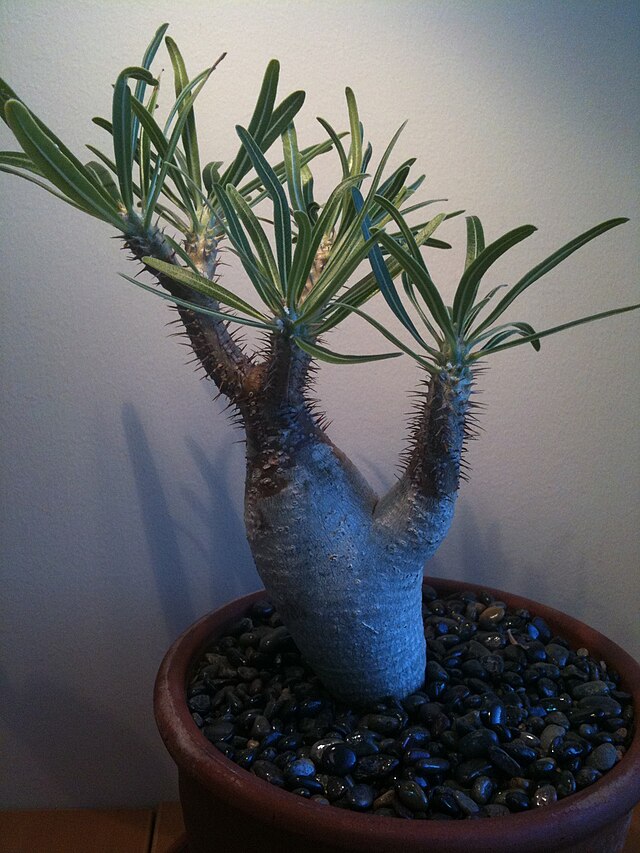
Operculicarya pachypus is known as "the king of caudiciform plants" and represents the ultimate dream for caudex enthusiasts. Native to Madagascar, it captivates with its striking contrast between a thick, powerful trunk and delicate, tiny leaves, commanding an overwhelming presence. Precisely because these plants are expensive, there is considerable tension around not wanting to fail in their care. Here I explain how to care for pachypus as concretely as possible, from root development management through winter dormancy and pruning.
The Appeal and Basic Information About Pachypus
First, let's understand what makes pachypus special.
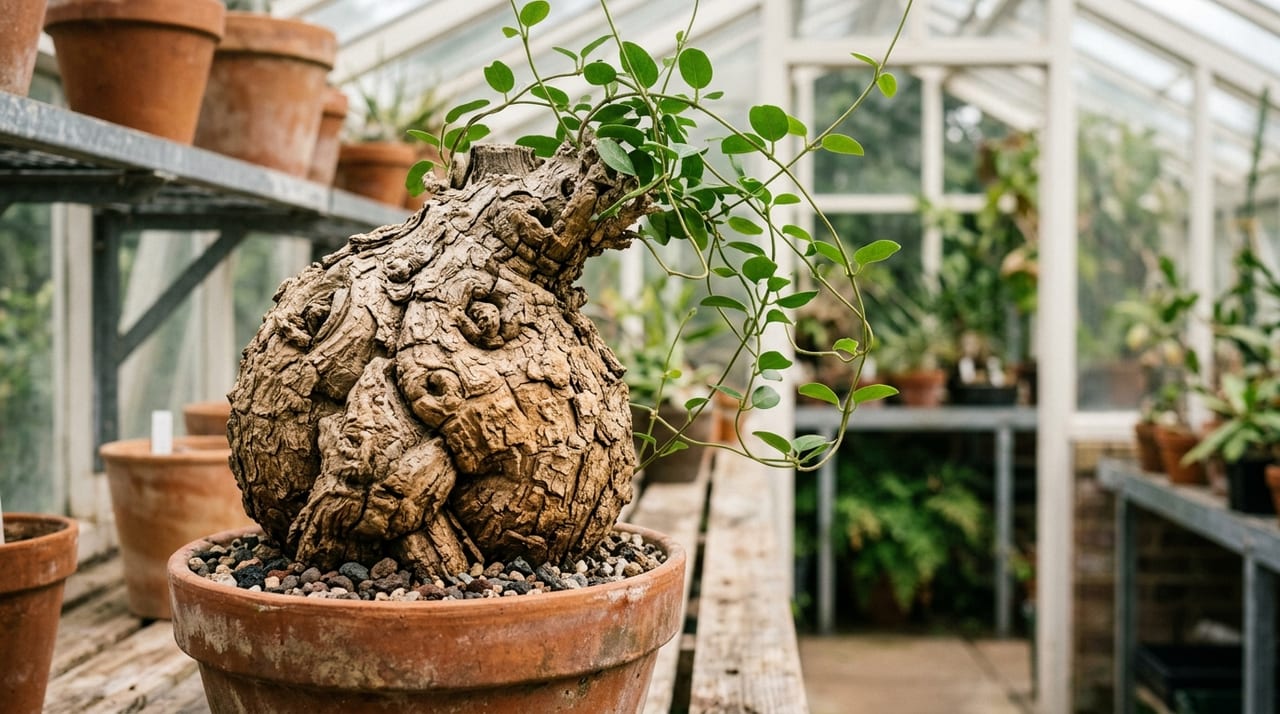
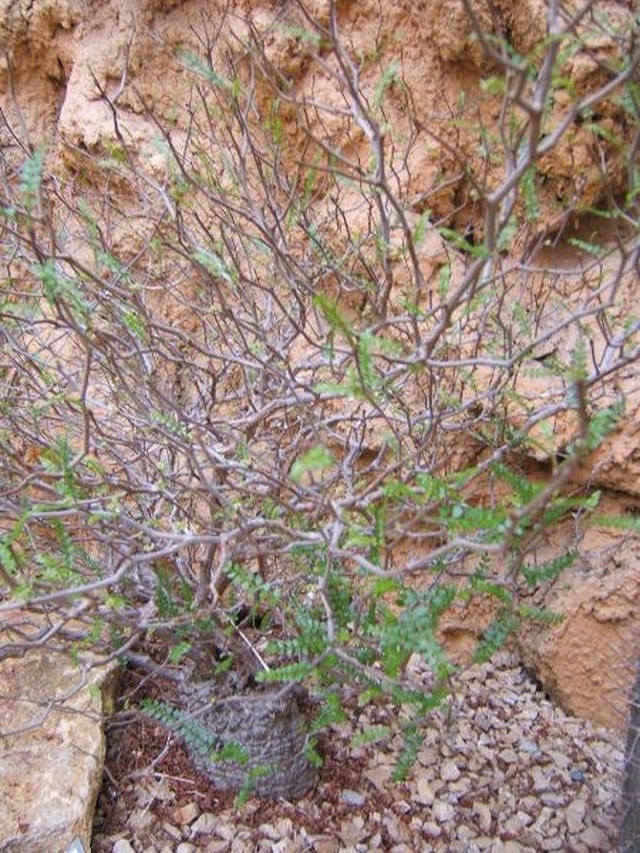
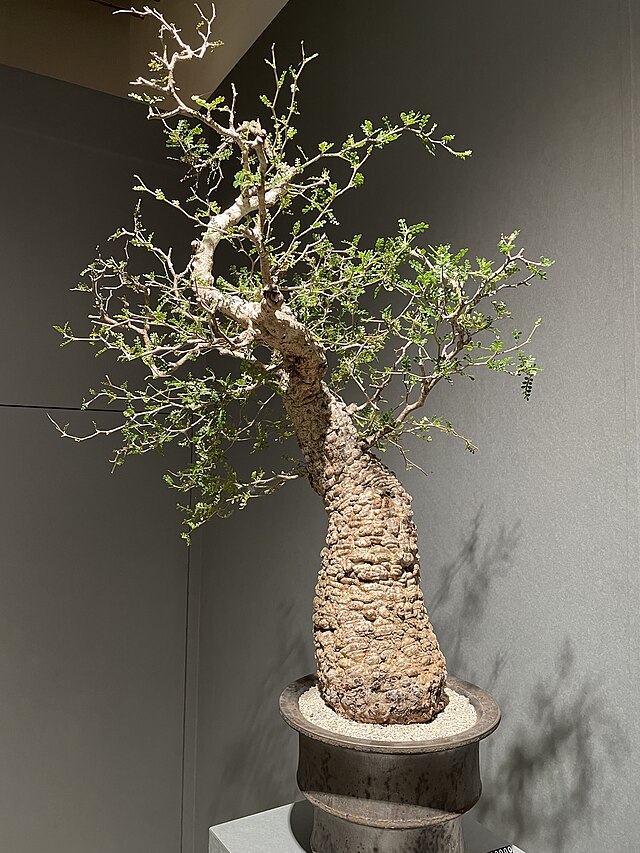
Distinctive Form The greatest appeal of pachypus is its rugged, thick trunk and bonsai-like branching structure. The bark is carved with deep furrows, giving off the bearing of accumulated years. Countless tiny, round leaves cover the trunk, and the gap between the harshness of the trunk and their delicacy is beautiful.
Rarity and Price Import regulations from Madagascar have become increasingly strict, making it increasingly difficult to obtain high-quality wild-collected specimens year by year. Established, rooted plants from the field can command tens of thousands of dollars, and large specimens sometimes exceed one million yen. Domestically propagated seed-grown plants are beginning to circulate, but developing an impressive trunk takes many years.
The Joy of Growth Although expensive, these plants will grow steadily with proper care, gaining character year after year. Watching the branches extend and the trunk thicken offers unparalleled pleasure.
Differences Between Wild-Collected Specimens and Seed-Grown Plants
When selecting pachypus, the first thing to understand is the difference between "wild-collected" and "seed-grown" plants. The choice between them affects both price and cultivation approach.
Appearance Wild-collected specimens, developed over many years in Madagascar's harsh environment, have a wide, flattened base to the trunk, giving them a solid, dignified bearing. Seed-grown plants, on the other hand, are spindle-shaped when young (vertically elongated with a swelling in the center), and the trunk gradually thickens over time. The presence or absence of this "flared base" is the key point for distinguishing between the two.
Growth Rate Difference The trunk of seed-grown plants thickens only a few centimeters per year, so it takes considerable time to develop into the wide, flattened trunk of a wild-collected specimen. Conversely, the pleasure of cultivating a seed-grown plant over many years and developing its character with your own hands could be said to be the true appeal.
Price Range Difference Established wild-collected specimens range from tens of thousands of dollars, and large individuals with good form can exceed one million yen. Domestically propagated seed-grown plants are available at relatively accessible prices, but as the trunk becomes thicker and more impressive, prices rise accordingly. It is best to weigh your budget against "how many years you wish to invest in cultivation."
Key Points in Root Development Management
When you obtain an unrooted bare-root specimen (common with wild-collected plants), you must first induce root development. This is the first critical hurdle in pachypus management and the most nerve-wracking step.
Optimal Timing for Root Development May through August, during warm months, are ideal. Pachypus favors high temperatures, and root development requires temperatures of 25–30°C or higher. If you obtain a specimen in winter, store it in a well-ventilated location until temperatures warm up. Attempting to force root development in low temperatures often fails and merely exhausts the plant.
Preparation (Root Trimming and Disinfection) First, remove any dead roots or blackened, rotted portions. The trimming standard is "until white, crisp, healthy tissue is exposed," and any discolored portions must be removed completely. Use clean scissors or a craft knife, and disinfect the blade with alcohol after each cut to prevent the spread of pathogens. Daconil and Benlate do not have labeled use rates or methods for applying or soaking the cut surfaces of caudiciform plants including Operculicarya (which fall under the pesticide category "flowers and ornamental foliage plants"), so protect cut surfaces through drying rather than relying on fungicides. After treatment, allow the cut surface to dry in a well-ventilated, shaded location for several days to a week, and do not plant until the cut surface is dry. Allow longer drying time for thicker roots.
Soil and Pot During root development management, use highly draining soil of pumice alone or a mix of pumice and Hinata soil. Choose a pot slightly smaller than the plant and secure it with a stake to prevent wobbling. If the plant moves, newly formed fine roots can be damaged, so secure it carefully.
Temperature and Light Management Use a heating mat under the pot to maintain 25–30°C. Place it in bright shade to soft light filtered through lace curtains, and avoid exposing the unrooted plant to direct sunlight all at once. Even without leaves, mist the trunk with water to maintain humidity. Buds may begin to move before roots emerge, but avoid excessive watering until water absorption from roots begins.
Confirming Root Development When the pot feels heavier when lifted lightly, or when new buds begin to expand vigorously, these are signs of root development. Typically roots form within 1–3 months, though some cases take six months or longer. Patience is essential.
Common Troubles and Solutions During Root Development Management
During the root development period, careful observation determines success or failure.
Distinguishing Between Root Rot and Callus Formation If a whitish, hard, raised bump appears at the cut surface, this is "callus," a wound-healing tissue and a good sign preceding root development. Conversely, if the cut surface or base of the trunk becomes soft and spongy, turning black or brown with a foul odor, this is root rot. Callus is dry and firm, whereas root rot is moist and will indent when pressed with a finger—this is the decisive difference. If you discover root rot, unhesitatingly remove the rotted portion down to healthy tissue, and repeat disinfection and drying.
Summer Heat Damage (High-Temperature Stress) If the pot is left in direct sunlight on a sweltering summer day, the temperature inside the pot can far exceed 40°C, causing the delicate unrooted plant to "cook." If leaf tips scorch or the trunk softens, move it to a well-ventilated, bright, shaded location and prevent overheating in the pot by using double pots or terra cotta containers.
Management During the Growth Period (Spring through Autumn)
Care for established, rooted plants during the growth period.
Light Pachypus loves strong light. During the growth period, expose it to direct sunlight as much as possible. Insufficient light causes branches to become leggy, leaves to enlarge, and the wild character to diminish. Outdoor management is ideal, though direct sunlight exceeding 40°C on scorching summer days is best avoided.
Watering During the growth period, water generously when the soil has dried. Pachypus is relatively vulnerable to drought during the growth period, and extreme dryness can cause leaf drop. However, this assumes well-draining soil; the same watering frequency with clay-based soil will cause root rot.
Fertilizer Apply dilute liquid fertilizer about twice a month during the growth period. Because pachypus is a slow-growing species, modest fertilizer is sufficient. Excessive nitrogen promotes leggy growth, so use caution.
Winter Dormancy and Rest Management
Overwintering pachypus is the most stressful aspect of care.
Leaf Drop Timing Gradual defoliation begins as the minimum temperature drops below 15°C. Once all leaves have fallen, the plant has entered dormancy. Leaf drop is a natural response and there is no cause for concern.
Winter Temperature Management Maintain a minimum temperature of 10°C or higher; ideally 15°C or above. Move it to a warm location indoors and watch for cold air from windows. Using a heating mat is also effective.
Winter Watering There are two approaches: complete drought and light watering about once a month. Pachypus can survive winter on complete drought, but if roots dry completely, spring emergence may be delayed. Misting the soil surface lightly about once a month is recommended.
Pachypus Annual Care at a Glance
| Period | Light / Location | Watering | Notes |
|---|---|---|---|
| Growth period (Spring–Autumn) | Direct sunlight (avoid over 40°C in midsummer) | Water generously when dry | Sensitive to drought; apply dilute fertilizer twice monthly |
| Winter (Dormancy) | Indoors 10°C minimum (ideally 15°C) | Complete drought to light monthly misting | Leaf drop signals dormancy |
| Root development (May–August) | Bright shade, warm 25–30°C | Mist trunk; water sparingly until absorption begins | Typically 1–3 months to root formation |
| Pruning | During growth period, May–July | — | Avoid thick branches; apply wound sealant |
The Joy of Recording Growth from Root Formation to Maturity
Pachypus is expensive, but precisely because of this, the joy of "nurturing it with your own hands and witnessing its growth" is priceless. The practice of keeping growth records multiplies this pleasure.
Experiencing Trunk Thickening as Numbers Pachypus trunk thickening is a slow, year-long process, so daily observation often misses the change. The recommendation is to measure the circumference of the thickest part of the trunk (trunk girth) and height with a measuring tape at fixed times—for example, at the start and end of each growing season—and record it in centimeters. By keeping numerical records, you gain a tangible sense that "the trunk girth has definitely thickened from last year," making the subtle change clearly visible.
Value of Annual Photos Consistently photographing from the same angle and background each year creates extraordinary emotion when viewed together years later. You can see at a glance how the trunk base has flared and how the branching has filled out, and the results of your care take concrete form. Keeping measurement records and photos together creates a cultivation album like no other in the world.
Branch Pruning and Form Development
Pachypus can also be enjoyed in a bonsai-like manner. Pruning not only shapes the form but also stresses the plant, so understand the timing and method.
Pruning Timing May through July, during the growth period, is optimal. The plant's recovery capacity is high during this time, and cut surfaces heal quickly, minimizing pruning damage. Avoid pruning during dormancy when healing is slow and pathogens more easily invade.
Cutting Method (Slant or Horizontal) For fine branches, there is little difference, but when removing slightly thicker branches, a gentle slant cut prevents water from pooling on the cut surface and reduces rot. Conversely, when cutting back a primary branch along the trunk's main line, making the cut surface horizontal and applying wound sealant firmly may be easier to manage. In either case, use sharp, clean blades and cut decisively without crushing the cut surface.
Timing of Wound Sealant Application Immediately after cutting, before the cut surface dries, apply wound sealant such as Topsin M, preventing pathogen invasion and excessive water loss. Thicker branches have larger cut surfaces that damage more easily, so apply sealant carefully without missing any spots.
Post-Pruning Care For several days to a week after pruning, water sparingly to prevent pathogens from entering the cut, and manage it in bright shade away from direct sunlight. Once the cut surface has dried and stabilized, return to normal growth-period management.
Thoughts on Form The appeal of pachypus lies in its natural branching. Avoid excessive pruning, and adjust the overall balance gradually. Because cutting thick branches cannot be undone, it is safer not to cut if in doubt.
Fundamental Mindset for Successful Cultivation
The most important thing in plant cultivation is developing the habit of listening to what the plant is telling you. Leaf color and shine, firmness, growth rate, appearance of new shoots—these small changes communicate the plant's health.
The philosophy that "a little less is just right" applies to many plants. Light watering, dilute fertilizer, small pots. Excessive care often weakens plants, but appropriate drought and constraint frequently result in sturdy growth.
The attitude of learning from failure is equally important. Every experienced cultivator has killed a plant; what matters is analyzing the cause of failure and applying it next time. Deliberate efforts to avoid repeating the same mistake steadily improve cultivation skills.
Connection with community also greatly expands the pleasure of cultivation. By communicating directly with growers through platforms like GrowerDirect, you absorb living know-how not found in books or the internet. Not fearing questions and actively pursuing learning is the fastest path to improvement.
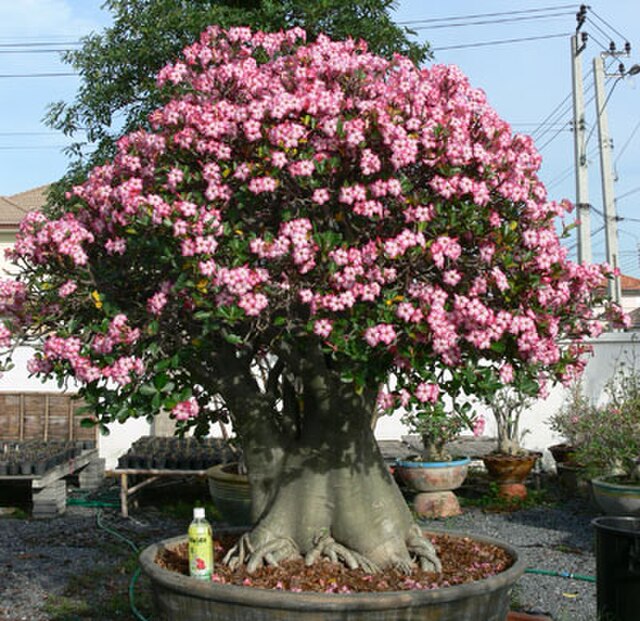
Pachypus is a uniquely special caudex plant, offering both the joy of ownership and the pleasure of cultivation. Many caudex enthusiasts begin with the relatively more accessible Operculicarya decaryi, also from Madagascar, gaining experience before taking on pachypus. Collecting other caudiciform plants like Pachypodium gracilius and Adenium arabicum that share the pleasure of developing thick trunks is a popular approach. On GrowerDirect, you can purchase well-rooted pachypus from trusted specialty growers. Because these plants are expensive, the advantage of GrowerDirect—where you can see the grower's face and directly confirm plant condition—is substantial.