Seasonal Growth Calendar for Caudex Plants | Year-Round Watering and Care Schedule
Detailed seasonal breakdown of annual care schedules for caudex plants. Calendar-format guide covering watering frequency, repotting timing, fertilizer application, and dormancy management for both summer-growing and winter-growing types.
Key Takeaways
Detailed seasonal breakdown of annual care schedules for caudex plants. Calendar-format guide covering watering frequency, repotting timing, fertilizer application, and dormancy management for both summer-growing and winter-growing types.
Related Species
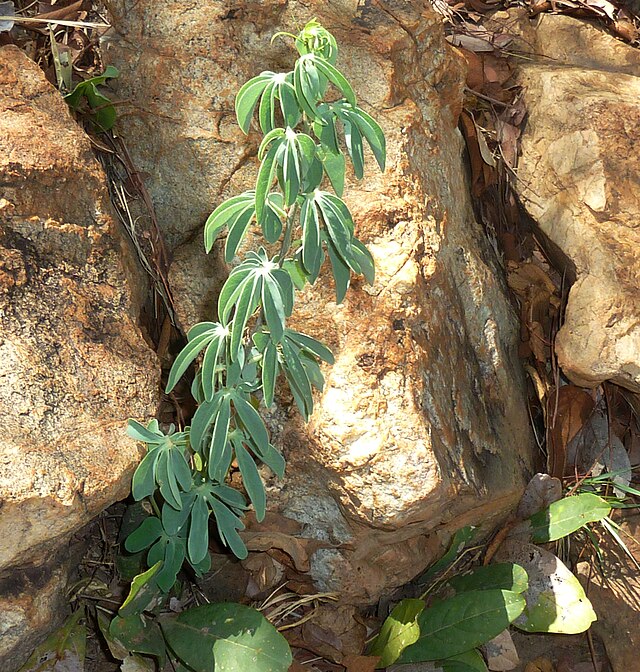
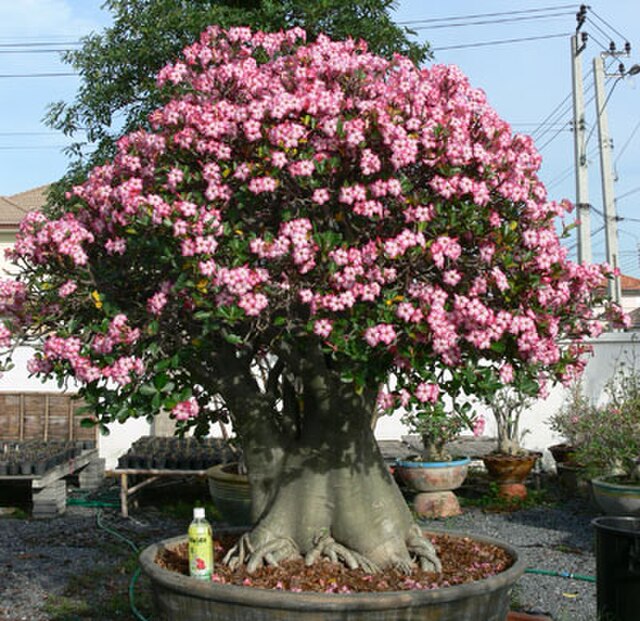
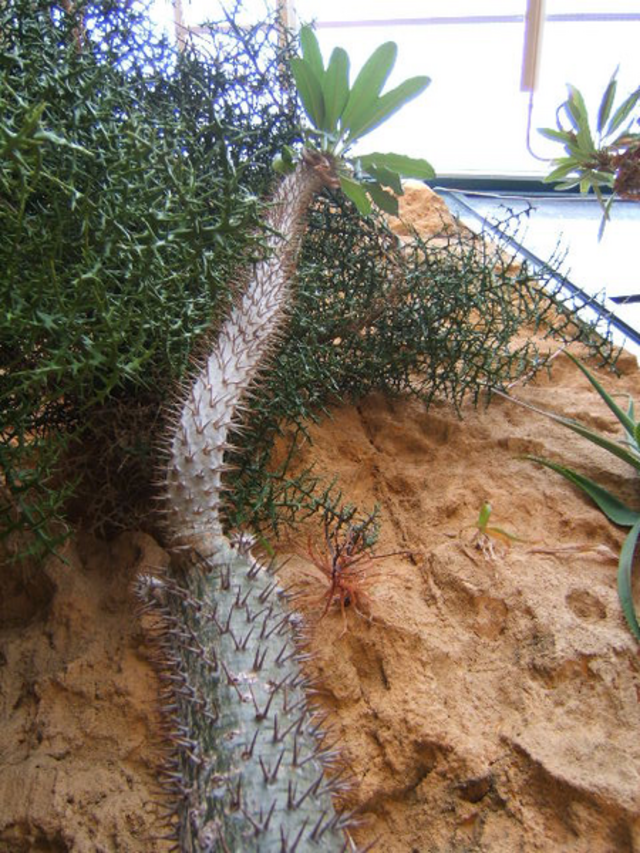
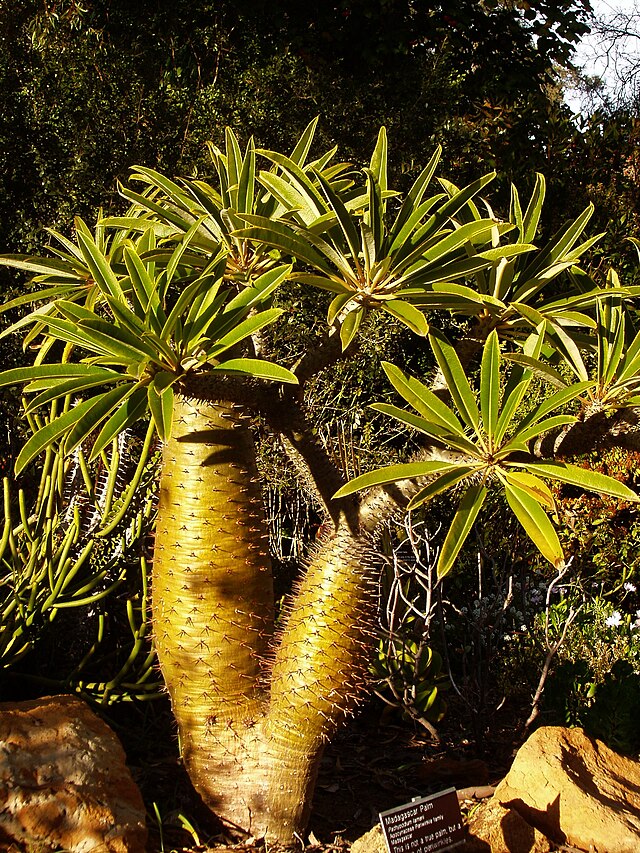
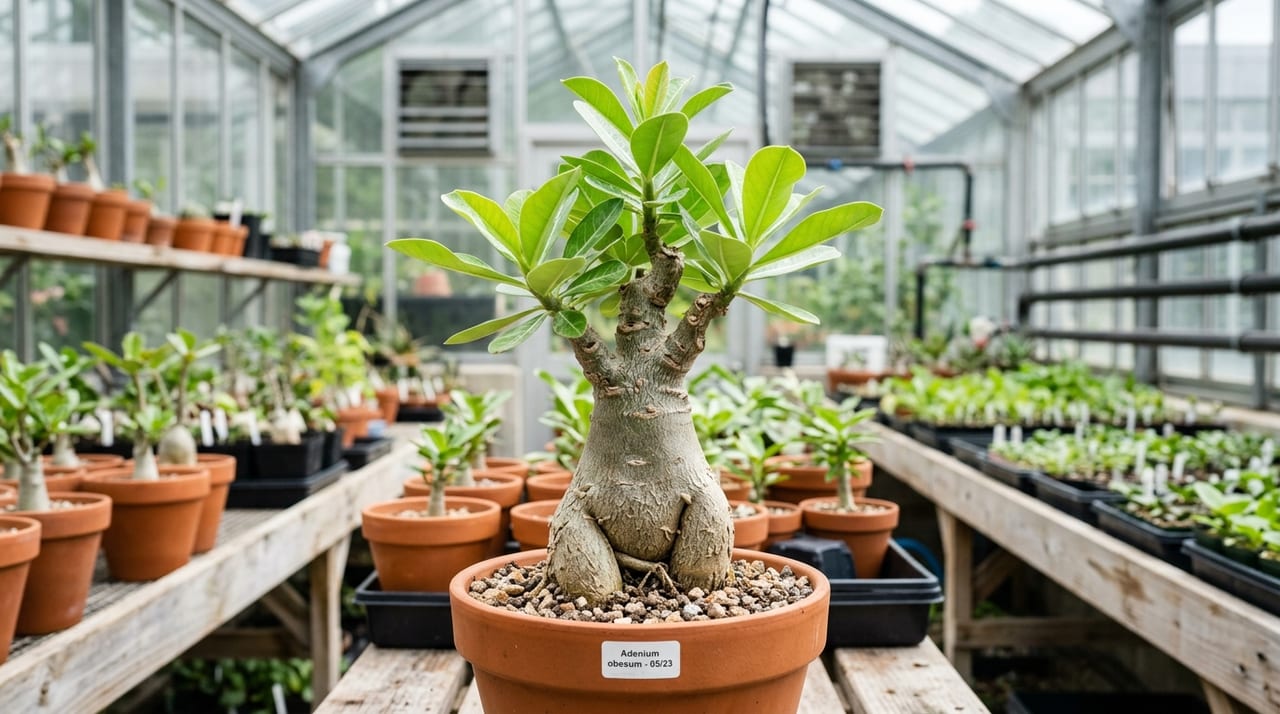
Caudex plants are plants with a unique water-storage structure in their roots and stems that allows them to store water and nutrients. Types such as Pachypodium, Adenium, Operculicarya, and Dioscorea elephantipes feature distinctive forms that appeal to collectors. However, to grow caudex plants successfully, it is essential to understand the seasonal differences in their care requirements.
Caudex plants fall into two main categories: summer-growing and winter-growing, with their growth periods and dormancy reversed. Applying the same care routine regardless of type can lead to rot or death. In this article, we provide a detailed seasonal breakdown of year-round care schedules. If you're new to caudex plants, it's helpful to first select a type suited to you from 15 beginner-friendly caudex plants before reading further.
Spring (March–May): Summer-Growing Types Awakening and Optimal Repotting Season
Spring is the most crucial season for summer-growing caudex plants. When temperatures begin to exceed 15°C (59°F), species such as Pachypodium lamerei, Adenium arabicum, and Operculicarya emerge from dormancy and begin producing new growth.
Resuming Watering
Do not suddenly water plants heavily after they have been kept dry or given minimal water during winter. Because root activity stops during dormancy, sudden watering can cause root rot. Once you see new growth, begin with light watering and gradually increase the amount and frequency over 2–3 weeks.
Repotting Timing
Spring is the ideal time for repotting. It is best done shortly after new growth appears and before growth becomes vigorous. Remove old soil, clean up the roots (removing damaged ones), and repot into fresh, well-draining soil. If you're unsure about soil selection, see Caudex Plant Soil Guide for reference. After repotting, hold off on watering for about a week to allow the roots to dry and heal.
Starting Fertilization
Once growth becomes vigorous in April–May, begin applying diluted liquid fertilizer about twice monthly. A balanced all-purpose fertilizer with nitrogen, phosphorus, and potassium, or one higher in phosphorus to encourage root development, works well.
Managing Winter-Growing Types
Winter-growing types such as Dioscorea elephantipes, on the other hand, begin yellowing and enter dormancy as spring arrives (Note: Adenia glauca is summer-growing and follows a reverse cycle, with leaf drop and dormancy in winter). Once leaves begin to yellow, gradually reduce watering, and stop watering entirely once all leaves have dropped.
Summer (June–August): Peak Growth of Summer-Growing Types and Preventing Excessive Moisture
Summer is when summer-growing caudex plants are at their peak growth. Provide ample light and water to encourage vigorous development.
Watering Frequency and Cautions
The basic rule is to water generously once the soil surface has dried, roughly once or twice weekly. However, extra caution is needed during the rainy season. Prolonged rain can create excessive moisture in the pot, increasing the risk of root rot. If kept outdoors, move plants to a sheltered location or under a roof when a rainy forecast is issued.
Shading and Placement
Although direct sunlight in midsummer is essential for most caudex plants, high pot temperatures can damage roots. Avoid placing pots directly on concrete; instead, use shelving or stands to elevate them off the ground and ensure air circulation around the pot. However, some species are sensitive to strong afternoon sun, so it's important to check the specific requirements of each type.
Watering Regime for Winter-Growing Types
Winter-growing types are completely dormant during summer. Stop watering and keep them in a cool, shaded location with good air circulation. If complete drying is not possible, limit watering to once monthly in minimal amounts, prioritizing prevention of rot and moisture.
Autumn (September–November): Summer-Growing Types Preparing for Dormancy and Winter-Growing Types Awakening
Autumn is the busiest season of the year, as care requirements shift for both summer-growing and winter-growing types.
Gradually Reducing Watering for Summer-Growing Types
Continue normal watering through September while temperatures remain high. However, once October arrives and minimum temperatures drop below 15°C (59°F), gradually reduce watering frequency from once weekly to once every 10 days, then to twice monthly. Plants that begin dropping leaves should receive even less, and stop watering entirely once all leaves have fallen.
Ending Fertilization
Stop fertilizing by the end of September. Continuing fertilization into late autumn can trigger new growth, which will be damaged by winter cold.
Winter-Growing Types Awakening and Repotting
Adenia glauca and Dioscorea elephantipes emerge from dormancy in autumn, with new growth beginning to appear. Once new growth is visible, gradually resume watering and move plants to a bright location. September–October is the optimal time for repotting winter-growing types. Doing so before vigorous growth minimizes stress to the roots.
Winter (December–February): Summer-Growing Types in Dormancy and Indoor Care
Winter is dormancy season for summer-growing caudex plants. The primary goal during this period is to protect plants from cold and excess moisture. As this can be a confusing time for watering decisions, it helps to also consult Winter Dormancy Care for Caudex Plants.
Temperature Control and Watering Cessation
Once all leaves have dropped, stop watering completely and keep plants indoors at a minimum temperature of 10°C (50°F) or above. For cold-sensitive species such as Pachypodium and Adenium, maintaining 15°C (59°F) or higher is ideal. Using a heating mat or heater to maintain root-zone temperatures around 15–20°C (59–68°F) helps reduce the risk of root rot.
If leaves have not completely dropped or if plants are in a warm indoor environment, provide minimal watering about once monthly to prevent complete drying.
Standard Care for Winter-Growing Types
Winter-growing types such as Dioscorea elephantipes and Adenia are in their growth period during winter. Place them on a bright windowsill and water once the soil has dried. In winter, when indoor heating can cause dryness, adjust watering frequency by observing leaf condition (watching for wilting or shriveling).
Summary: Key Points in the Year-Round Care Schedule
The most important aspect of caudex plant care is understanding the type of plant (summer-growing or winter-growing) and consistently adjusting watering and placement with the seasons. Below is a summary of key annual care points.
| Season | Summer-Growing Types | Winter-Growing Types |
|---|---|---|
| Spring (March–May) | Resume watering, repot, start fertilizing | Reduce watering, prepare for dormancy |
| Summer (June–August) | Peak growth period, water 1–2 times weekly | Complete watering cessation, shade management |
| Autumn (September–November) | Gradually reduce watering, stop fertilizing | Awaken, repot, resume watering |
| Winter (December–February) | Stop watering, maintain indoors above 10°C (50°F) | Growing season, water normally |
- The basic watering rule is to give water generously once the soil has dried
- Repot at the beginning of each type's growth season
- Excess moisture and low temperatures during dormancy pose the greatest risk
Once you master the basics, caudex plants are remarkably hardy and long-lived. By making seasonal adjustments part of your routine care, you can enjoy watching them develop their distinctive forms year after year. When purchasing or unsure about care, take advantage of GrowerDirect, where you can consult directly with growers for expert advice.