Guide to Caudex Plant Dormancy Management | Leaf Drop, Water Cessation, and Spring Awakening
Detailed explanation of caudex plant dormancy management. Introduces signs of dormancy, timing for water cessation, storage environment, and tips for spring awakening by representative species.
Key Takeaways
Detailed explanation of caudex plant dormancy management. Introduces signs of dormancy, timing for water cessation, storage environment, and tips for spring awakening by representative species.
Related Species
What Is Dormancy in Caudex Plants? Understanding Their Native Environment Is the First Step to Care
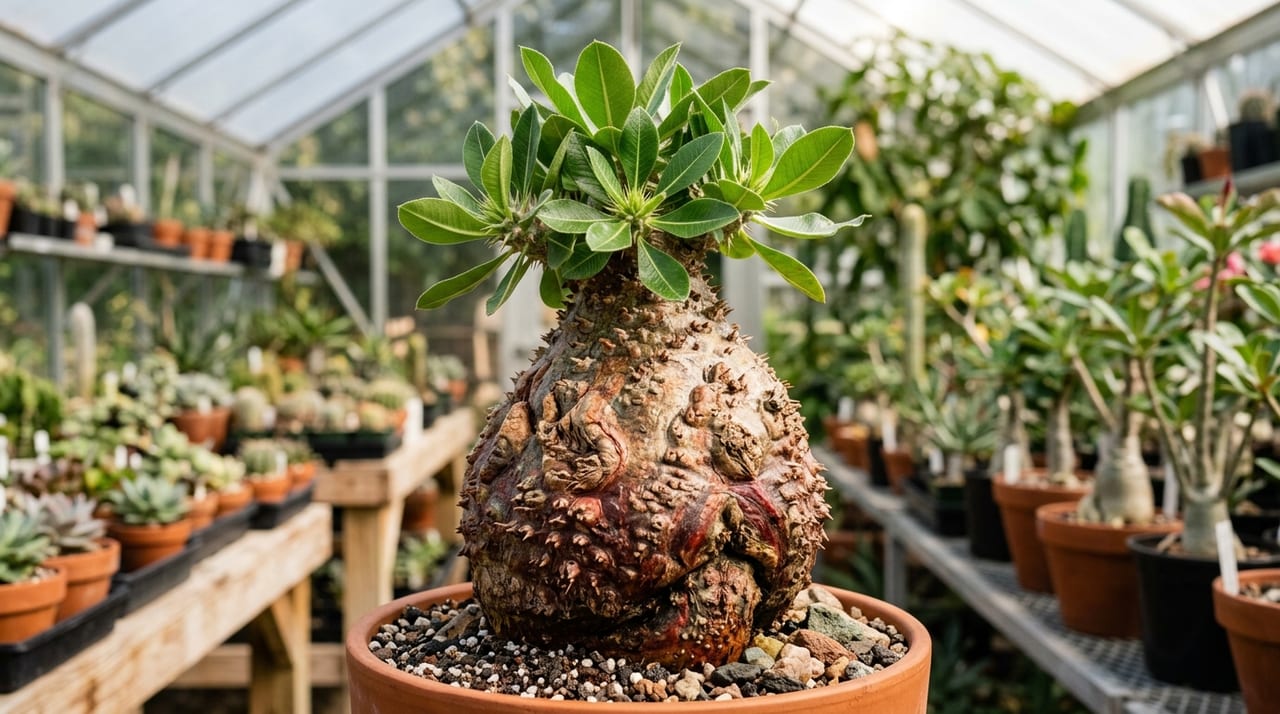
Caudex plants originate from arid regions such as Madagascar and South Africa, and possess unique survival strategies evolved to overcome harsh dry seasons. That strategy is "dormancy." During the dry season, they survive by storing water and nutrients in their caudex (enlarged roots or stems), shedding leaves, and reducing metabolism to a minimum.
In 2026, when cultivating caudex plants in Japan, management synchronized with their native environment's rhythm is key to maintaining plant health. Improper dormancy management easily leads to root rot and weakened plants, so it is important to first understand "why they go dormant." Dormancy is not a sign that the plant is weakening, but rather an active life process to conserve vitality. Simply holding this perspective will greatly reduce anxiety about care.
Dormancy Types: Correctly Understanding Summer and Winter Dormancy
Caudex plant dormancy broadly falls into two types, which vary by species. Understanding which type your plant is is a prerequisite for proper care.
Summer Dormancy (Growth in spring to autumn, dormancy in autumn to spring/winter)
In Japan's climate, this group enters dormancy around late October to March. Because summer is the dry season in their native habitats, winter in Japan (low temperatures, short day length) becomes the dormancy trigger.
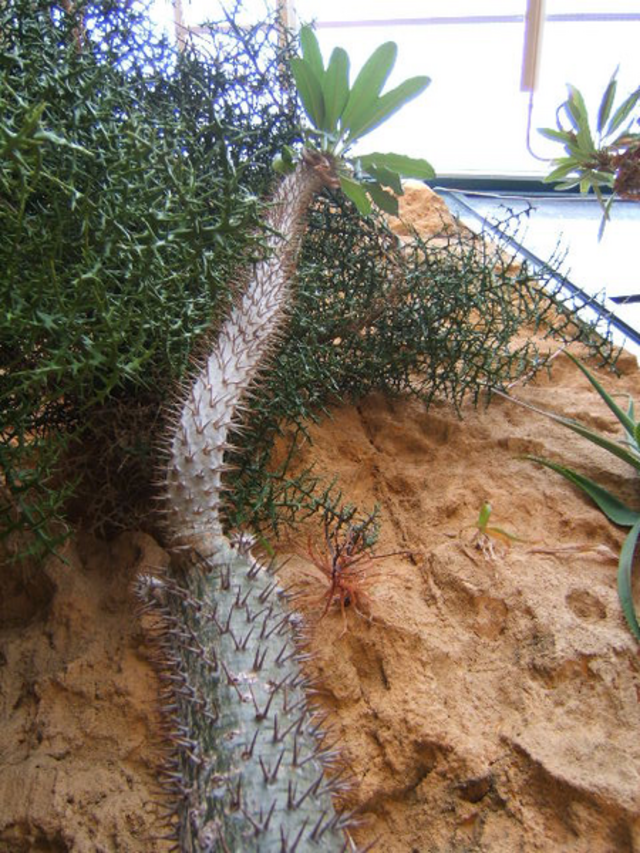
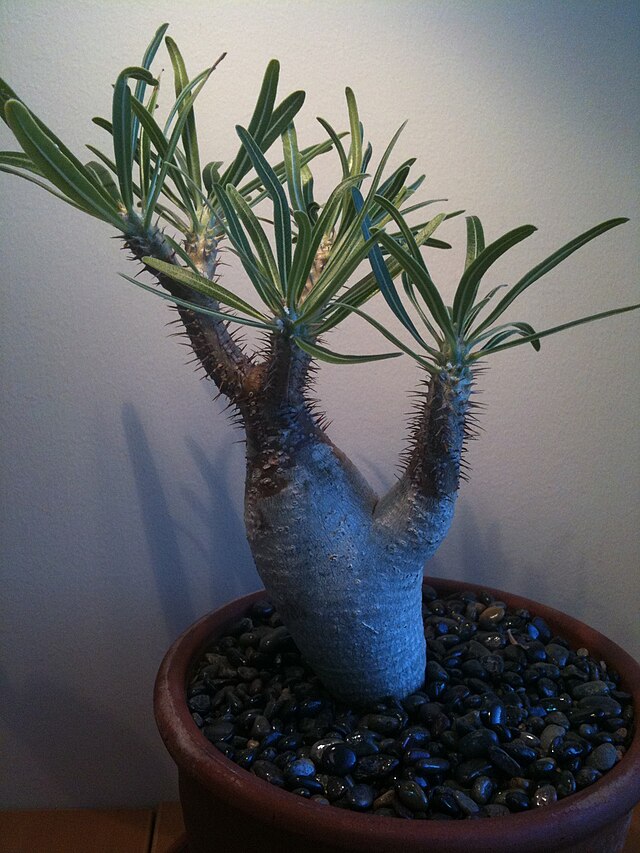
- Pachypodium gracilis: Native to southwestern Madagascar. One of the most popular caudex plants.
- Adenium obesum (desert rose): Native to East Africa and the Arabian Peninsula. Characterized by vibrant flowers.
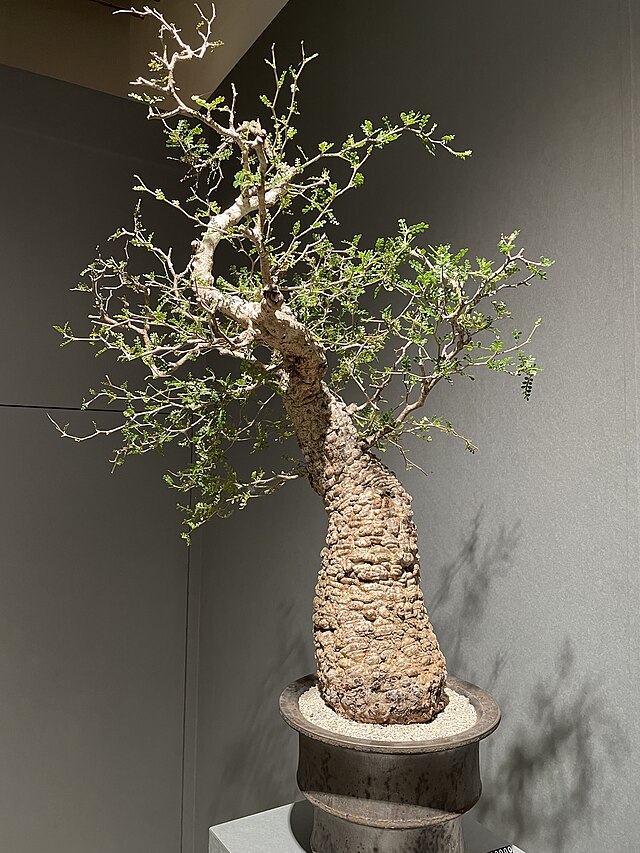
- Operculicarya pachypus: Native to Madagascar. Its bonsai-like form is popular.
- Various Euphorbia species: Widely distributed across Africa and Madagascar.
Winter Dormancy (Growth in autumn to spring, dormancy in spring to autumn/summer)
Species that naturally grow in Mediterranean climate regions of South Africa, where summer is the dry season and winter is the rainy season. In Japan, dormancy occurs around May to September.
- Tylecodon: Native to South Africa and Namibia. Unique bark is its appeal.
- Othonna: Native to South Africa. Features thin stems and succulent leaves.
- Sarcocaulon: Native to South Africa. A rare species with aromatic resin.
Summer dormancy species require attention to Japan's hot, humid summers. Manage by providing shade and ensuring air circulation.
Winter (Dormancy) Management for Summer Dormancy Caudex Plants
Timing for Water Cessation
A guideline is to gradually reduce watering starting in early November when temperatures begin dropping below 15°C. Abrupt water cessation stresses the roots, so the key is to reduce gradually.
- November: Light watering about once a week
- December onward: Nearly no watering (about once a month, lightly moistening so roots don't dry completely)
- Late February to early March: Begin gradually increasing watering in line with rising temperatures.
Temperature Management
Most caudex plants can overwinter at 10°C or above, but optimal temperatures vary by species.
- Pachypodium gracilis: Tolerates down to 5°C. However, 10°C or above is ideal.
- Adenium obesum: 10°C or above is essential. Below 5°C risks death.
- Various Euphorbia species: Generally, 5–10°C is the guideline.
For outdoor overwintering in cold temperatures, choose sheltered locations such as under eaves or entryways that are protected from wind and frost.
Light Management
Winter days are short and light is weak, so there is no need to restrict light. Rather, healthy plants are maintained by providing as much sunlight as possible.
Spring Awakening for Summer Dormancy Caudex Plants (2026 Edition)
Preparing for Growth
It is normal for new shoots to emerge from late March to early April. Pay attention to these points during this time:
- Right after new shoots emerge, roots are not yet active, so water sparingly.
- Begin regular watering once new shoots have grown about 3–5 cm.
- You may move plants outdoors once daytime temperatures consistently exceed 15°C.
Repotting Opportunity
Spring awakening is the ideal time to upsize pots or refresh the soil.
- Prepare specialized soil for caudex plants (a mixture of akadama, pumice, perlite, etc.).
- Thoroughly remove old soil and eliminate mold and insect eggs.
- If roots are damaged, trim them with scissors, dry them, and then pot.
Summer (Dormancy) Management for Winter Dormancy Caudex Plants
Winter dormancy species present the most challenging management period because Japan's hot, humid summer coincides with their dormancy.
Providing Shade and Air Circulation
- Use shade netting (about 50%) to lower peak daytime temperatures.
- Ensure air circulation by placing plants on shelves or using a small fan.
- To prevent moisture accumulation, use soil with a higher ratio of akadama and pumice.
Different Watering Pattern Than Summer Dormancy Species
Winter dormancy species often require light watering about 2–3 times per month even in summer, rather than complete water cessation. Since this varies by species, it is important to keep cultivation records and observe individual plant responses.
Good Signs During Dormancy and Signs of Concern
Good Signs
- Leaves drop gradually (in stages)
- Bark and stems become slightly wilted (evidence of energy conservation)
- New growth slows and quietness sets in
Signs of Concern
- Leaves suddenly turn yellow and drop rapidly (excessive cold stress)
- Stems or roots become soft and mushy (root rot progressing)
- Foul odor (warning sign of fungal growth)
If you notice problems, stopping watering immediately, increasing air circulation, and moving the plant to a warmer location often allows recovery.
Dormancy in caudex plants is a gentle time that lets us feel seasonal changes up close. The key to long-term cultivation is to nurture communication with your plant while imagining its native environment.