15 Recommended Caudex Plants for Beginners [2026] | How to Choose & Care for Them
We've carefully selected 15 easy-to-grow caudex species for beginners looking to start growing these fascinating plants. Comprehensive care instructions for Adenium, Pachypodium, and more.
![15 Recommended Caudex Plants for Beginners [2026] | How to Choose & Care for Them](https://img.botachoku.com/column-images/caudex-hybrid-guide/hero-1783580022106.jpg)
Key Takeaways
We've carefully selected 15 easy-to-grow caudex species for beginners looking to start growing these fascinating plants. Comprehensive care instructions for Adenium, Pachypodium, and more.
Related Species
Adenium Socotranum
View species details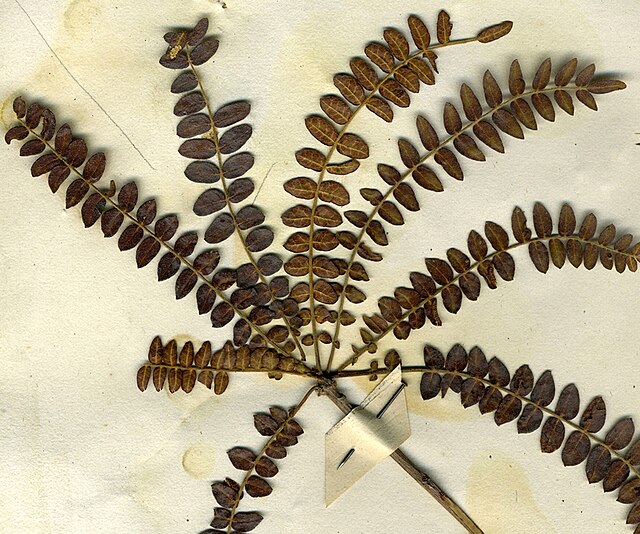
Boswellia Neglecta
View species details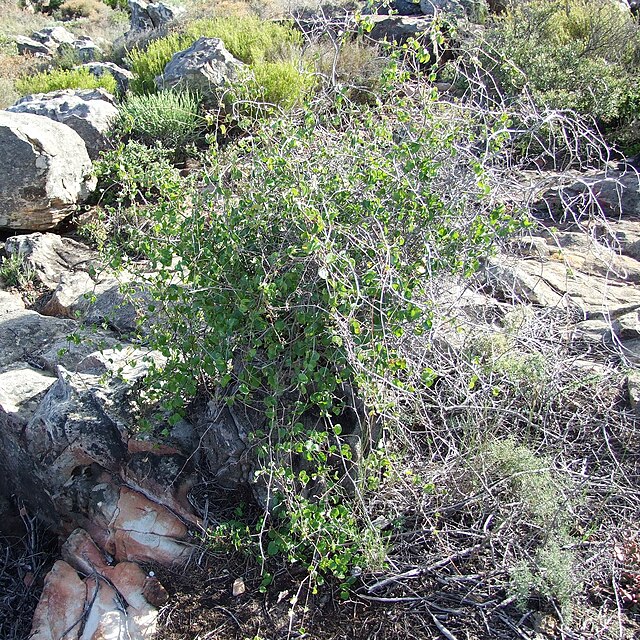
Dioscorea Elephantipes
View species details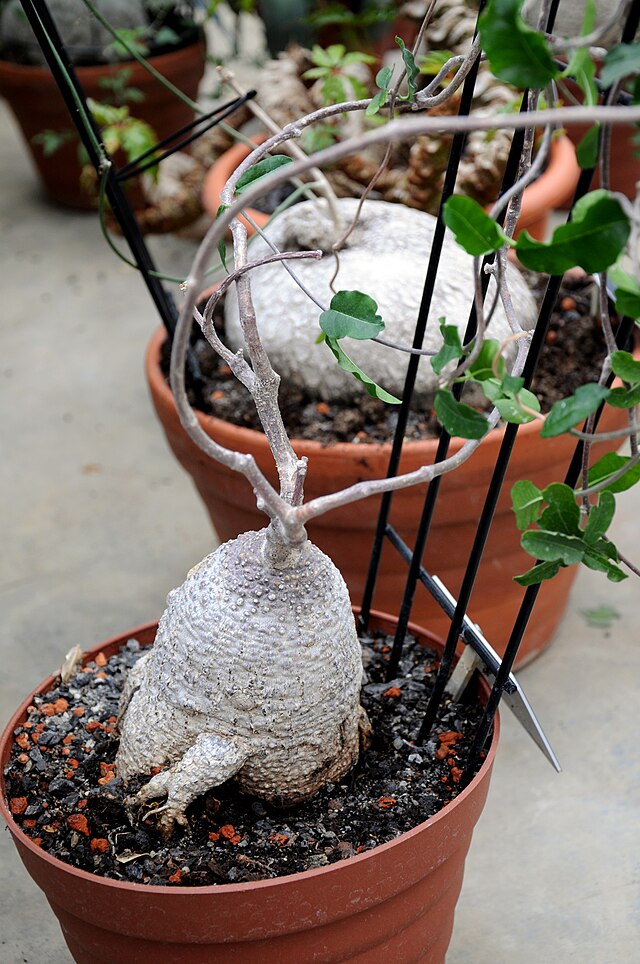
Fockea Edulis
View species details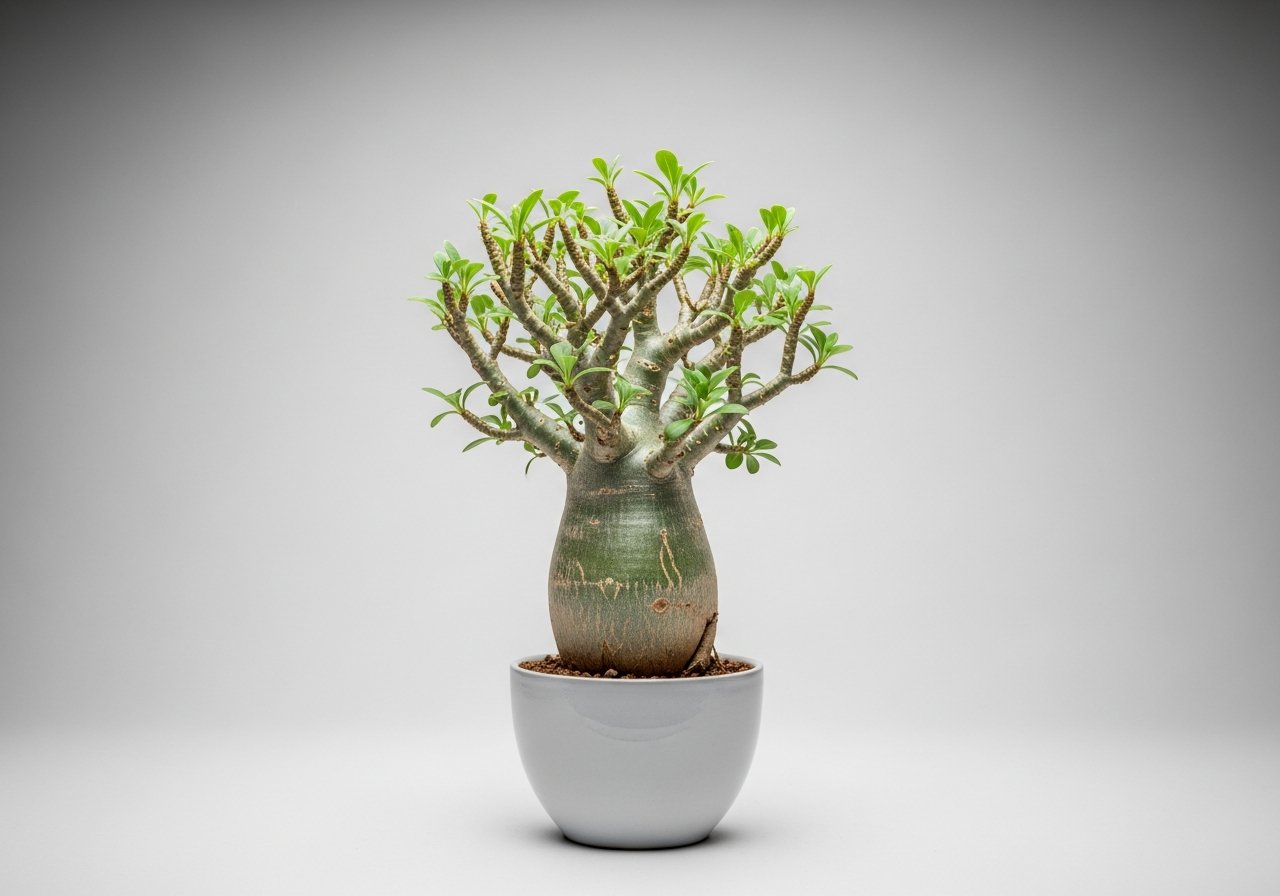
Monadenium
View species details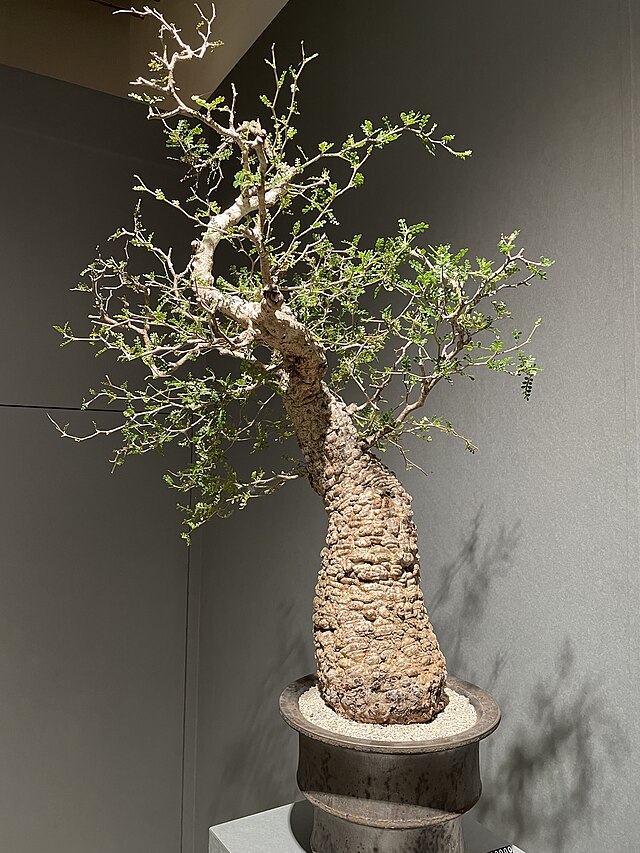
Operculicarya Pachypus
View species details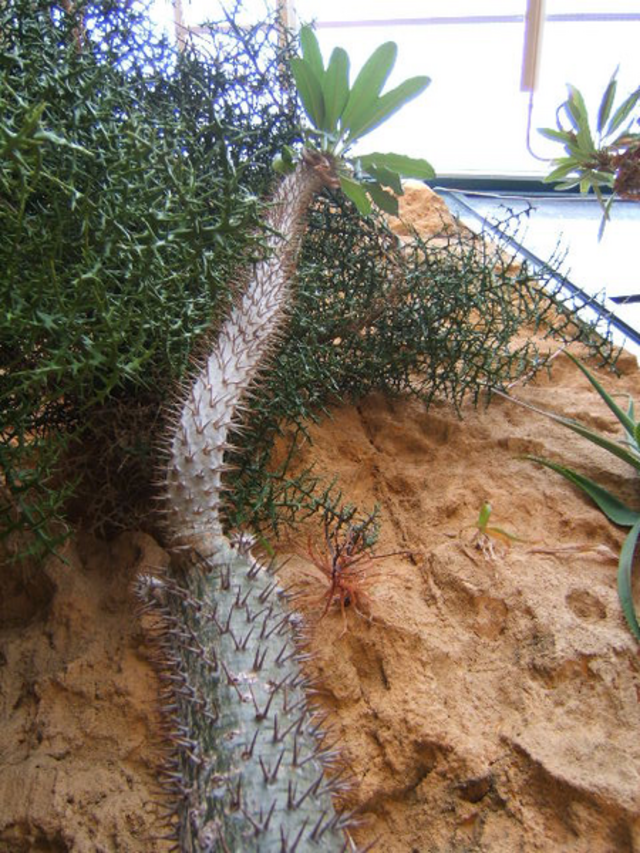
Pachypodium
View species details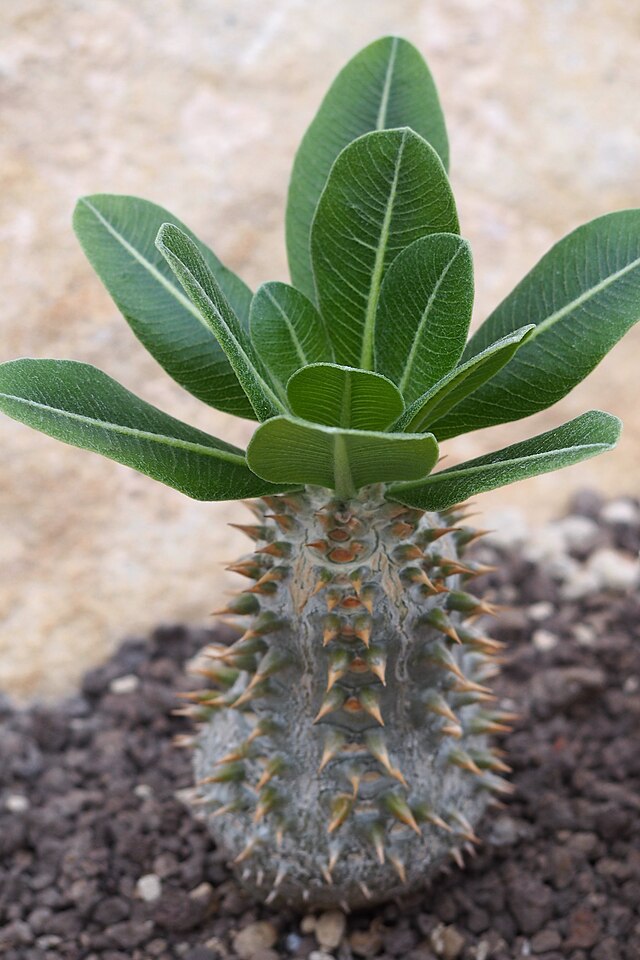
Pachypodium Eburneum
View species detailsCaudex plants (caudiciform succulents) are prized for their plump, swollen stems and roots. Due to their distinctive forms and high aesthetic appeal, their popularity remains strong, and simply knowing which species are easy to grow—even for beginners—significantly lowers the barrier to cultivation. This time, we've carefully selected 15 species that are particularly easy to grow.
Key Points for Beginners Selecting Caudex Plants
- Managing dormant periods: Management differs greatly between summer-growing and winter-growing types
- Cold hardiness: Whether the plant can survive Japanese winters indoors
- Whether rooted: Unrooted imported specimens are for advanced growers
- Growth rate: Seedlings (plants grown from seed) grow quickly
15 Recommended Caudex Plants
1. Adenium obesum (Desert Rose)
- Difficulty: ★☆☆☆☆ / Price: ¥1,000–5,000 / Growth type: Summer-growing / Cold hardiness: Approx. 8°C
Advantages: A classic entry point to caudex plants. Plump stem and beautiful pink flowers. Fast growth that's rewarding to watch. Seedlings are affordable and readily available. Disadvantages: Sensitive to cold. Completely stop watering in winter and keep indoors. Care tips: Place outdoors in bright light from spring through autumn. Water thoroughly after the soil dries. Stop watering once leaves fall in winter.
2. Pachypodium gracilis
- Difficulty: ★★★☆☆ / Price: ¥5,000–100,000 / Growth type: Summer-growing / Cold hardiness: Approx. 5°C
Advantages: The king of caudex plants. Its round, plump stem and yellow flowers are popular. Seedlings are relatively affordable. Disadvantages: Wild-collected specimens (imported plants) are expensive and difficult to root. Growth is slow. Care tips: Beginners should buy seedlings. Ensure bright light and good air circulation. Stop watering once leaves fall in winter.
3. Pachypodium lamerei (Madagascar Palm)
- Difficulty: ★★☆☆☆ / Price: ¥1,000–5,000 / Growth type: Summer-growing / Cold hardiness: Approx. 5°C
Advantages: Its palm-like appearance creates a tropical feel. Fast growth with satisfying stem thickening. Affordable and easy to find. Disadvantages: Becomes large and requires space. Has thorns. Care tips: Place in bright light. Water more frequently due to fast growth.
4. Euphorbia obesa
- Difficulty: ★★☆☆☆ / Price: ¥2,000–8,000 / Growth type: Summer-growing / Cold hardiness: Approx. 5°C
Advantages: Uniquely shaped like a baseball. Thornless and safe to touch. Compact and space-efficient. Disadvantages: Slow growth. Dioecious, so both male and female plants are needed for reproduction. Care tips: Place in bright light. Water sparingly. Cutting releases latex (white sap).
5. Pachypodium ebreneum
- Difficulty: ★★★☆☆ / Price: ¥3,000–15,000 / Growth type: Summer-growing / Cold hardiness: Approx. 5°C
Advantages: Beautiful white flowers and round caudex. Smaller and more compact than gracilis. Seedlings are widely available. Disadvantages: Slow growth. Care tips: Manage as you would gracilis. Prioritize bright light.
6. Adenium socotranum
- Difficulty: ★★★☆☆ / Price: ¥3,000–20,000 / Growth type: Summer-growing / Cold hardiness: Approx. 10°C
Advantages: Adenium that grows thicker than obesum. Impressive giant caudex. Known as bottle tree in its native habitat. Disadvantages: Becomes large. More sensitive to cold. Care tips: Same as obesum, but prefers warmer conditions.
7. Operculicarya pachypus
- Difficulty: ★★★★☆ / Price: ¥30,000–500,000 / Growth type: Summer-growing / Cold hardiness: Approx. 10°C
Advantages: The pinnacle of caudex plants. The contrast between the gnarled stem and fine foliage is striking. Also holds asset value. Disadvantages: Very expensive. Difficult to root. For advanced growers. Care tips: Included as an aspiration despite being for advanced growers. Seedlings are available starting at a few thousand yen.
8. Stephania erecta
- Difficulty: ★★☆☆☆ / Price: ¥2,000–10,000 / Growth type: Summer-growing / Cold hardiness: Approx. 10°C
Advantages: Vines with heart-shaped leaves emerge from the round tuber—a charming plant. Perfect for interior design. Disadvantages: Above-ground parts completely die in winter. Beginners often mistake this for plant death. Care tips: Display the tuber's upper portion above soil. Stop watering in winter. Resume watering in spring to trigger new growth.
9. Fockea edulis (Martian Plant)
- Difficulty: ★★☆☆☆ / Price: ¥2,000–8,000 / Growth type: Summer-growing / Cold hardiness: Approx. 5°C
Advantages: Its Japanese common name "Martian Plant" is unique. Vines emerge from the gnarled caudex. Growth is relatively fast. Disadvantages: Vines can become overgrown. Care tips: Support with a stake or manage with trimming. Place in bright light.
10. Dioscorea elephantipes (Elephant's Foot Vine)
- Difficulty: ★★☆☆☆ / Price: ¥2,000–10,000 / Growth type: Winter-growing / Cold hardiness: Approx. 5°C
Advantages: The caudex displays a fascinating tortoise-shell pattern. Winter-growing, so it develops from autumn through spring. Heart-shaped leaves are charming. Disadvantages: Goes dormant in summer with above-ground parts dying. Requires adjustment to winter-growing management. Care tips: Start watering when buds appear in autumn. Completely stop watering in summer.
11. Euphorbia holida
- Difficulty: ★★☆☆☆ / Price: ¥2,000–8,000 / Growth type: Summer-growing / Cold hardiness: Approx. 3°C
Advantages: Columnar Euphorbia with a cactus-like appearance. Robust with fast growth. Distinctive thorns. Disadvantages: Handle carefully due to thorns. Cutting releases white latex. Care tips: Place in bright light. Water sparingly.
12. Pachypodium horombense
- Difficulty: ★★★☆☆ / Price: ¥3,000–15,000 / Growth type: Summer-growing / Cold hardiness: Approx. 5°C
Advantages: The caudex thickens in a horizontal spread pattern—distinctive. Yellow flowers are beautiful. Seedlings are available. Disadvantages: Slow growth. Care tips: Manage as you would gracilis. Ensure bright light and good air circulation.
13. Tylecodon paniculatus (Palace of Ahong)
- Difficulty: ★★★☆☆ / Price: ¥3,000–15,000 / Growth type: Winter-growing / Cold hardiness: Approx. 3°C
Advantages: The peeling white stem has unique beauty. Red flowers are also appealing. A flagship winter-growing caudex plant. Disadvantages: Winter-growing with summer dormancy. Requires adjustment to the management cycle. Care tips: Growth period is autumn through spring. Keep in shade and completely stop watering in summer.
14. Monadenium montanum
- Difficulty: ★★☆☆☆ / Price: ¥1,500–5,000 / Growth type: Summer-growing / Cold hardiness: Approx. 10°C
Advantages: Branches emerge from a plump caudex. Cute flowers. Affordable and easy to find. Disadvantages: Somewhat sensitive to cold. Watch out for latex. Care tips: Keep in a warm indoor location. Water sparingly.
15. Boswellia neglecta
- Difficulty: ★★★☆☆ / Price: ¥5,000–20,000 / Growth type: Summer-growing / Cold hardiness: Approx. 10°C
Advantages: Related to frankincense. Beautiful stem with white peeling bark. Enjoyable to style in a bonsai-like manner. Disadvantages: Slow growth. Limited availability. Care tips: Manage in well-draining soil. Place in a warm, bright location.
Caudex Plant Care Basics for Beginners
| Item | Estimated Budget | Notes |
|---|---|---|
| Pot (plastic or terracotta) | ¥300–1,500 | Drainage priority |
| Soil mix (volcanic rock, pumice, etc.) | ¥500–1,500 | Maximum drainage |
| Pot feet/crocks | ¥200–500 | |
| Total | Approx. ¥1,000–3,500 | Excludes plants |
Soil Mix Formula
- 3 parts volcanic rock : 3 parts pumice : 2 parts red ball clay : 2 parts Kanuma soil
- Prioritize drainage. Minimize organic matter.
Frequently Asked Questions (FAQ)
Q. Can I grow caudex plants indoors? A. Ideally place outdoors in bright light from spring through autumn. Move indoors in winter. Grow lights are effective indoors.
Q. My plant lost its leaves in winter—is it okay? A. Leaf drop in winter is normal for summer-growing caudex plants. Stop watering and wait for spring. Seasonal management guidelines are detailed in Caudex Plants Seasonal Growth Calendar.
Q. What's the difference between wild-collected and seedling specimens? A. Wild-collected specimens developed in their native habitat. They have unique forms but are expensive with rooting risks. Seedlings are domestically grown from seed—affordable and reliable.
Q. How often should I water? A. During the growth period, water thoroughly 2–3 days after the soil dries. Completely stop watering during dormancy. The switching timing differs between summer-growing and winter-growing types, so refer to the seasonal calendar above if uncertain.
Related Content
- Beginner's Guide to Growing Caudex Plants
- Caudex Plant Soil Guide
- Caudex Plant Rooting Management
- Caudex Plant Winter Care
- Caudex Plants Seasonal Growth Calendar
GrowerDirect offers carefully grown caudex plants from specialized growers that you can purchase directly. Find your favorite specimen in the Caudex category.