[2026 Edition] 15 Beginner-Friendly Carnivorous Plants | Selection & Care Tips
A curated selection of 15 easy-to-grow carnivorous plants for beginners. Detailed care instructions for Venus flytraps, Nepenthes, and more.
![[2026 Edition] 15 Beginner-Friendly Carnivorous Plants | Selection & Care Tips](https://img.botachoku.com/column-images/nepenthes-vs-venus-flytrap/hero-1778970233270.jpg)
Key Takeaways
A curated selection of 15 easy-to-grow carnivorous plants for beginners. Detailed care instructions for Venus flytraps, Nepenthes, and more.
Related Species
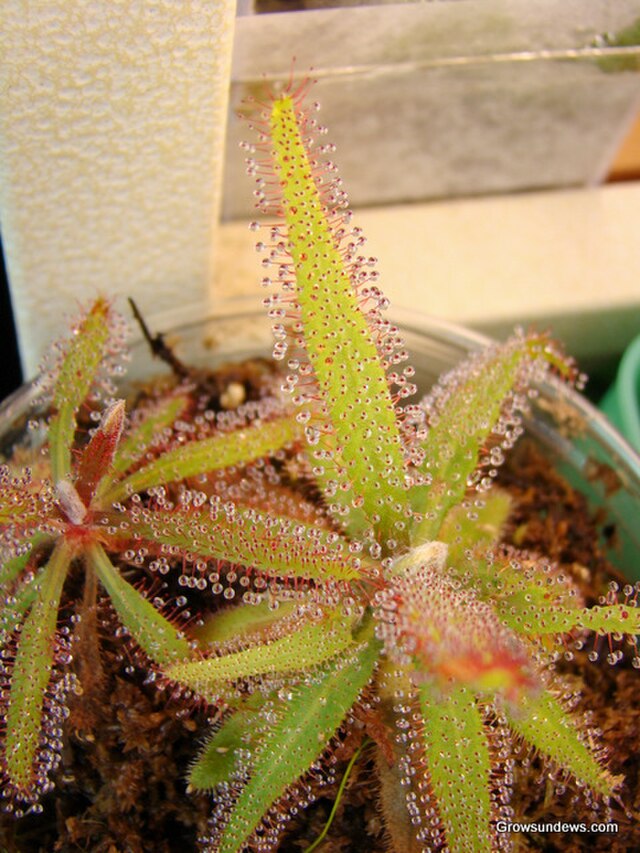
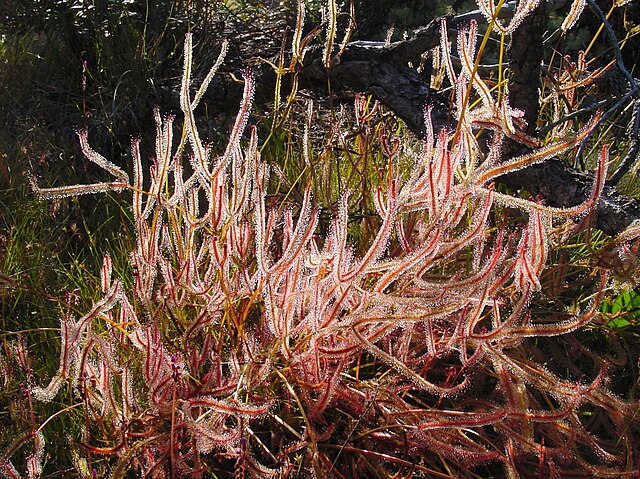
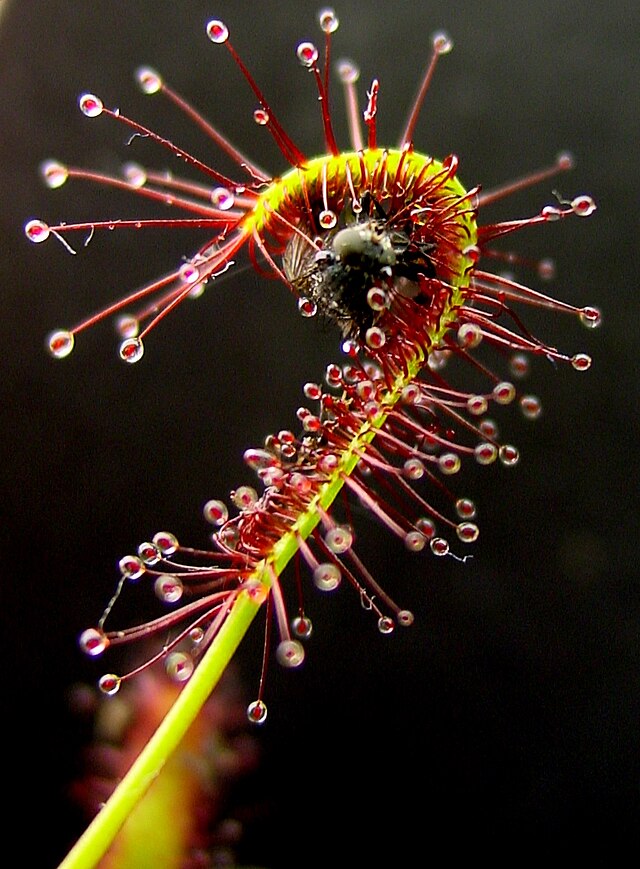
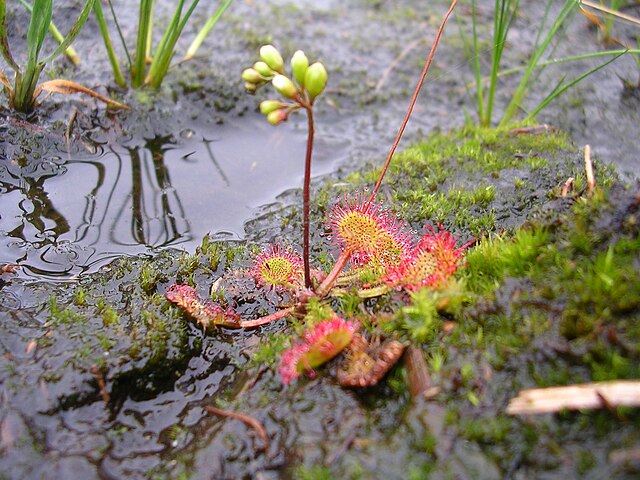
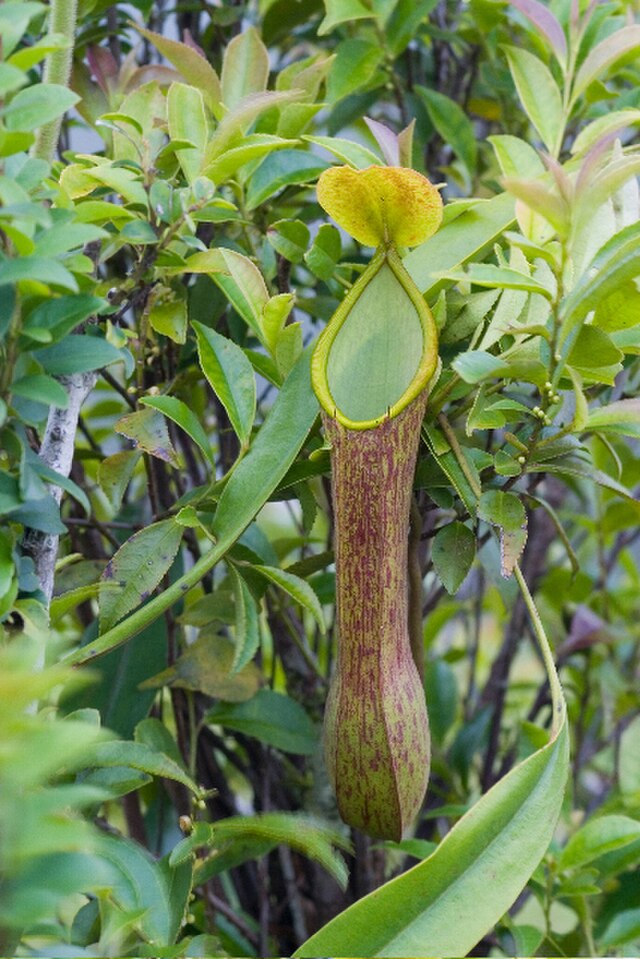
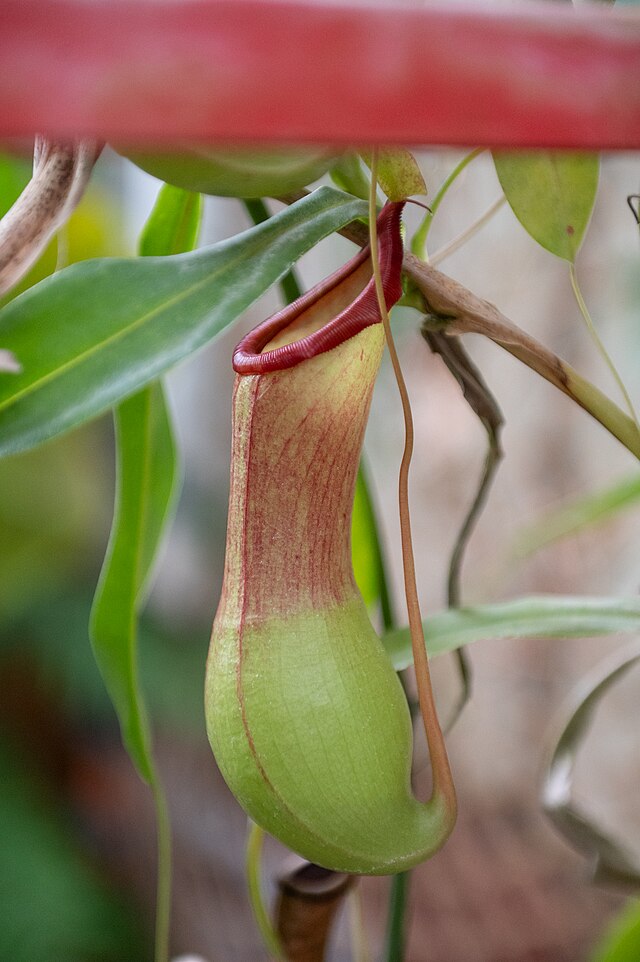
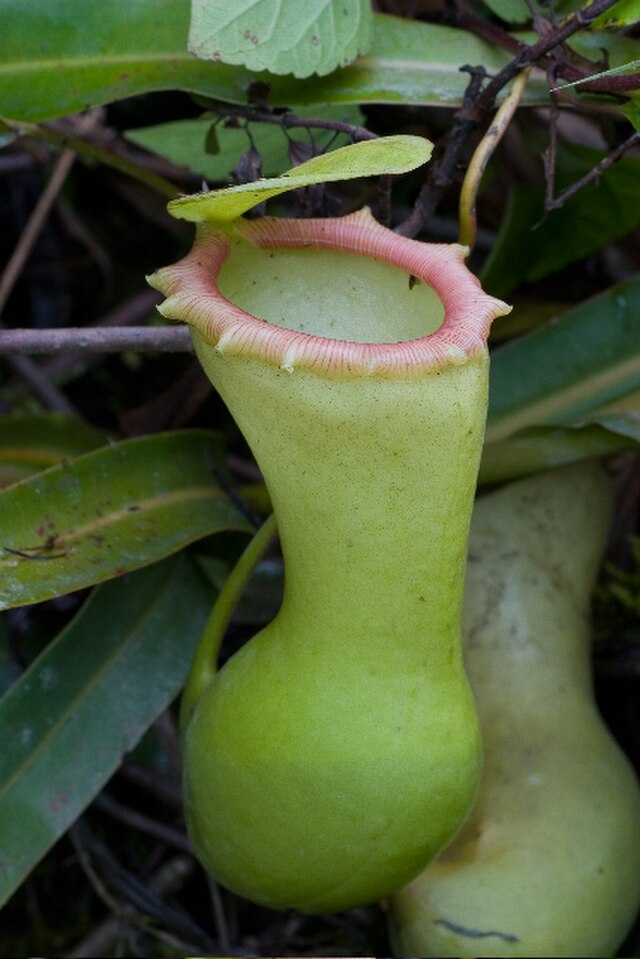
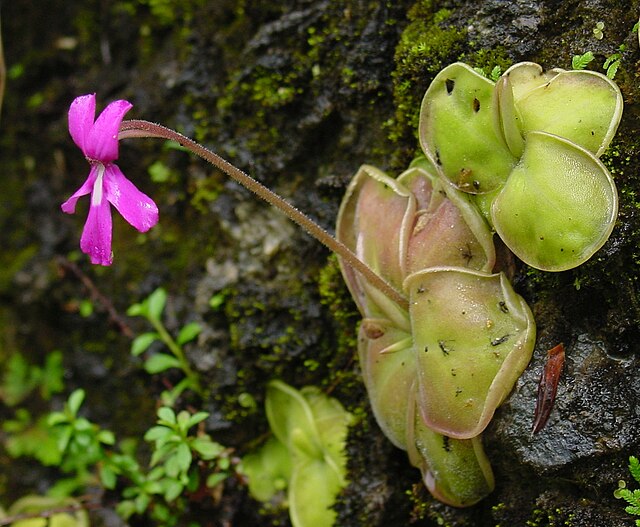
Carnivorous plants have a unique appeal: they capture insects for nutrition. Their striking appearance and the joy of observation make them popular with both children and adults. We've carefully selected 15 species that are easy for beginners to grow.
Tips for Beginners Selecting Carnivorous Plants
- Trap type: Sticky traps, pitcher traps, snap traps, and more
- Temperature management: Winter hardiness varies by species
- Soil and watering: Care methods differ significantly from common houseplants
- Light: Most species prefer bright, direct light
15 Recommended Carnivorous Plants
1. Venus Flytrap (Dionaea)
- Difficulty: ★★☆☆☆ / Price: ¥500–2,000 / Trap type: Snap trap / Cold tolerance: Around -5°C
Advantages: The poster child of carnivorous plants. The snapping trap action is fascinating. Hardy and can be grown outdoors. Dormant in winter. Disadvantages: Each trap leaf closes only a few times before dying. Excessive handling wastes traps. Care tips: Avoid playing with the plant. Grow outdoors in bright light with water tray watering. Allow dormancy in winter.
2. Nepenthes Alata
- Difficulty: ★★☆☆☆ / Price: ¥800–3,000 / Trap type: Pitcher trap / Cold tolerance: Around 10°C
Advantages: An excellent beginner Nepenthes. Large, impressive pitchers. Pitchers form easily indoors. Disadvantages: Cold-sensitive; indoor care required in winter. Humidity management is important. Care tips: Grow in a bright indoor location. Maintain 50%+ humidity. Keep warm in winter.
3. Sarracenia purpurea
- Difficulty: ★★☆☆☆ / Price: ¥800–3,000 / Trap type: Pitcher trap / Cold tolerance: Around -15°C
Advantages: Exceptionally cold-hardy pitcher plant. Beautiful red tubular leaves. Can be grown outdoors year-round. Disadvantages: Above-ground parts die in winter (revive in spring). Care tips: Grow outdoors in bright light with water tray watering. Even if it dies back in winter, new shoots appear in spring.
4. Sundew (Drosera capensis)
- Difficulty: ★★☆☆☆ / Price: ¥500–1,500 / Trap type: Sticky trap / Cold tolerance: Around 0°C
Advantages: Traps insects with sticky leaf secretions. The glistening droplets look like jewels. Hardy and propagates from seed. Disadvantages: Seeds scatter and germinate outside the pot. Care tips: Grow in bright light with water tray watering. Capensis is particularly hardy for beginners.
5. Sarracenia flava
- Difficulty: ★★☆☆☆ / Price: ¥1,000–3,000 / Trap type: Pitcher trap / Cold tolerance: Around -10°C
Advantages: Beautiful yellow-green tubular leaves. Impressive when large. Cold-hardy. Disadvantages: Grows large and requires space. Care tips: Grow outdoors in bright light with water tray watering.
6. Nepenthes Gracilis
- Difficulty: ★★☆☆☆ / Price: ¥800–2,500 / Trap type: Pitcher trap / Cold tolerance: Around 10°C
Advantages: An excellent beginner Nepenthes alongside Alata. Produces many slender pitchers. Easy to pitcher. Disadvantages: Cold-sensitive. Care tips: Care similar to Alata. Beautiful trailing form in hanging baskets.
7. Pinguicula esseriana
- Difficulty: ★★☆☆☆ / Price: ¥800–2,000 / Trap type: Sticky trap / Cold tolerance: Around 5°C
Advantages: An excellent beginner Mexican butterwort. Produces cute violet-like flowers. Grows well in bright indoor windowsills. Disadvantages: Dormant and shrinks in winter (succulent-like appearance). Care tips: Grow in a bright indoor windowsill. Standard succulent soil works. Keep watering minimal.
8. Cephalotus
- Difficulty: ★★★☆☆ / Price: ¥2,000–8,000 / Trap type: Pitcher trap / Cold tolerance: Around 0°C
Advantages: Uniquely small pitcher-shaped traps. Australian endemic with high collector value. Disadvantages: Sensitive to environmental changes. Dislikes heat and humidity. Care tips: Prefer cool, well-ventilated locations. Watch for summer heat. Water tray watering.
9. Drosera adelae
- Difficulty: ★☆☆☆☆ / Price: ¥500–1,500 / Trap type: Sticky trap / Cold tolerance: Around 5°C
Advantages: Large leaves with abundant sticky secretions. Produces many offsets from roots. Very hardy. Disadvantages: Can proliferate excessively. Care tips: Grows even in partial shade. Ideal for indoor care. Water tray watering.
10. Drosera binata
- Difficulty: ★★☆☆☆ / Price: ¥500–2,000 / Trap type: Sticky trap / Cold tolerance: Around -5°C
Advantages: Distinctive forked leaf shape. Large and impressive. Cold-hardy. Disadvantages: Grows large and requires space. Care tips: Can be grown outdoors. Bright light with water tray watering.
11. Sarracenia leucophylla
- Difficulty: ★★☆☆☆ / Price: ¥1,500–5,000 / Trap type: Pitcher trap / Cold tolerance: Around -10°C
Advantages: Beautiful white-patterned tubular leaves. One of the most beautiful Sarracenia species. Disadvantages: Grows large. Care tips: Grow outdoors in bright light. Water tray watering. Dies back in winter but revives in spring.
12. Nepenthes ventricosa
- Difficulty: ★★★☆☆ / Price: ¥2,000–8,000 / Trap type: Pitcher trap / Cold tolerance: Around 10°C
Advantages: Distinctive waisted pitcher shape. A highland species that prefers relatively cool conditions; popular as a beginner highland species. Disadvantages: Somewhat heat-sensitive. Care tips: Prefer cool environments. Manage temperature with ventilation and shade in summer.
13. Butterwort (Pinguicula moranensis)
- Difficulty: ★★☆☆☆ / Price: ¥800–2,000 / Trap type: Sticky trap / Cold tolerance: Around 5°C
Advantages: Efficiently captures fruit flies and gnats—a practical carnivorous plant. Charming flowers too. Disadvantages: Dormant in winter. Care tips: Place on a kitchen windowsill as a natural gnat control. Grow in a bright indoor location.
14. Drosera rotundifolia (Sundew)
- Difficulty: ★★☆☆☆ / Price: ¥500–1,500 / Trap type: Sticky trap / Cold tolerance: Around -10°C
Advantages: Round-leaved sundew native to Japan. Exceptionally cold-hardy. Small and cute. Disadvantages: Forms winter hibernacula (dormancy buds). Care tips: Grow outdoors with water tray watering. Keep wet during dormancy.
15. Heliamphora minor
- Difficulty: ★★★☆☆ / Price: ¥3,000–10,000 / Trap type: Pitcher trap / Cold tolerance: Around 5°C
Advantages: Beautiful highland species from the Guiana highlands of South America. Mystical reddish tubular leaves. Disadvantages: Heat-sensitive. Requires cool conditions. Care tips: Keep below 25°C in a cool environment. Maintain high humidity. Beginner-to-advanced level, but included as an aspiration.
Beginner-Friendly Carnivorous Plant Care Basics
| Item | Budget Guide | Tips |
|---|---|---|
| Pot (plastic) | ¥100–300 | Avoid terracotta (nutrients leach) |
| Soil (sphagnum moss or peat moss) | ¥300–800 | Never use standard potting soil |
| Water tray for watering | ¥100–300 | Keep constantly in water |
| Total | Around ¥500–1,400 | Plant cost separate |
Essential Care Rules
- Never fertilize: Carnivorous plants are adapted to nutrient-poor environments
- Water tray watering: Always water from below, letting the pot absorb water
- Sphagnum moss or peat moss only: Never use standard potting soil
- Tap water is fine: Japanese tap water is suitable for carnivorous plant cultivation
Frequently Asked Questions (FAQ)
Q. Will the plant die if I don't feed it insects? A. No. Carnivorous plants survive through photosynthesis. Insects are only supplemental nutrition.
Q. Can I grow them indoors? A. Nepenthes and Pinguicula are suited to indoor growing. Venus flytraps and Sarracenia thrive better outdoors.
Q. What should I do in winter? A. Venus flytraps and Sarracenia can be left outdoors in dormancy (they actually need it). Move Nepenthes indoors.
Related Content
At GrowerDirect, you can purchase carnivorous plants directly from dedicated growers who have carefully raised them. Browse our carnivorous plant category to find your favorite specimen.