Bonsai| ✍️ BoTachoku Editorial Team

[2026 Edition] 15 Recommended Bonsai for Beginners | Selection and Cultivation Tips

For beginners who want to start bonsai, we've carefully selected 15 easy-to-grow species. Comprehensive guide to care methods for black pine, Japanese maple, ficus retusa, and more.

[2026 Edition] 15 Recommended Bonsai for Beginners | Selection and Cultivation Tips

Key Takeaways

For beginners who want to start bonsai, we've carefully selected 15 easy-to-grow species. Comprehensive guide to care methods for black pine, Japanese maple, ficus retusa, and more.

Related Species

Bonsai is considered living artwork and a traditional Japanese art form. Though many think "it's difficult" or "it's an old person's hobby," in recent years bonsai has become increasingly popular among younger generations. We've carefully selected 15 tree species that beginners can grow with ease.

Key Points for Beginners When Selecting Bonsai

  • Hardiness: Choose species that can tolerate minor care mistakes
  • Indoor or Outdoor: Most bonsai require outdoor management as standard, though some species suit indoor environments
  • Seasonal Changes: Can you enjoy autumn foliage, flowering, fruit, and other seasonal displays?
  • Ease of Shaping: Select species that are easy to prune even for beginners

1. Black Pine (Kuromatsu) - **Difficulty Level**: ★★☆☆☆ / **Price**: ¥2,000-10,000 / **Location**: Outdoor (Sunny) / **Type**: Evergreen Conifer

Advantages: The classic of bonsai. Powerful trunk and beautiful needle foliage. Hardy and easy to manage for beginners. Most evocative of traditional Japanese aesthetics. Disadvantages: Requires learning pruning and wiring techniques. Care Tips: Place in a sunny outdoor location. Spring budding and autumn foliage removal are basic maintenance.

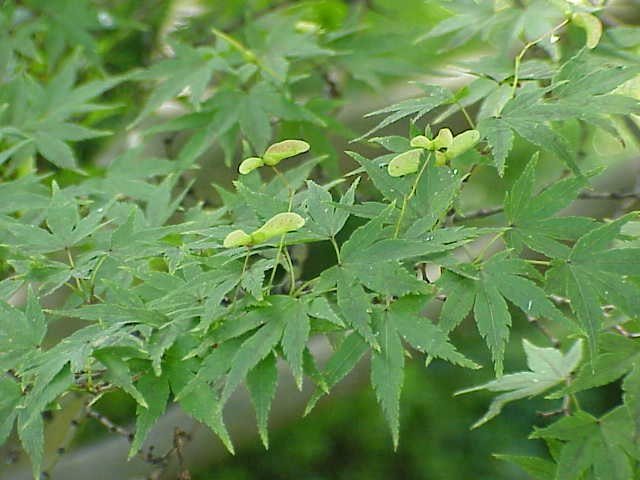
2. Japanese Maple (Irohamomiji) - **Difficulty Level**: ★★☆☆☆ / **Price**: ¥2,000-8,000 / **Location**: Outdoor (Partial shade to sunny) / **Type**: Deciduous Broadleaf

Advantages: Spectacular autumn foliage. Beautiful spring growth as well. Among the most enjoyable bonsai for experiencing seasonal changes. Disadvantages: Susceptible to leaf scorch (afternoon shade recommended in summer). Deciduous in winter. Care Tips: Avoid direct summer sunlight. Water twice daily (morning and evening). Use pruning to develop finer branching.

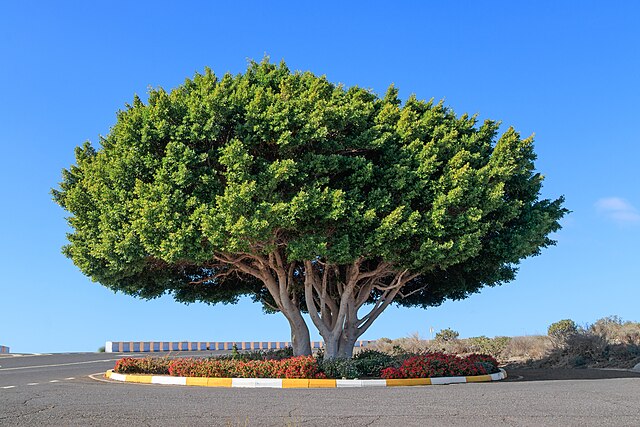
3. Ficus Retusa (Gajumaru) - **Difficulty Level**: ★☆☆☆☆ / **Price**: ¥1,000-5,000 / **Location**: Indoor (Bright location) / **Type**: Evergreen Broadleaf

Advantages: One of the few bonsai-suitable species that thrives indoors. Distinctive aerial roots are unique. Extremely hardy and ideal for beginners. Disadvantages: Departs from traditional bonsai aesthetics. Sensitive to cold (requires 10°C or higher). Care Tips: Place by a bright indoor window. Water after soil dries. Maintain in a warm location during winter.

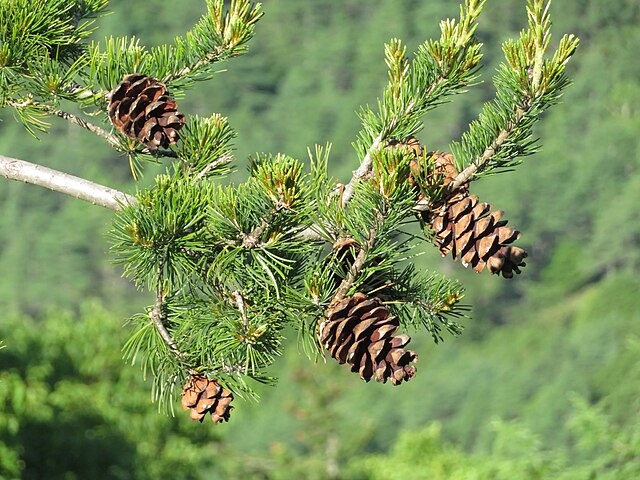
4. Japanese White Pine (Goyoematsu) - **Difficulty Level**: ★★★☆☆ / **Price**: ¥3,000-20,000 / **Location**: Outdoor (Sunny) / **Type**: Evergreen Conifer

Advantages: Short needles in clusters of five create an elegant appearance. Equals black pine as the pinnacle of pine bonsai. Aged character develops readily. Disadvantages: Slightly more delicate than black pine. Sensitive to excess moisture. Care Tips: Use well-draining soil. Water sparingly.

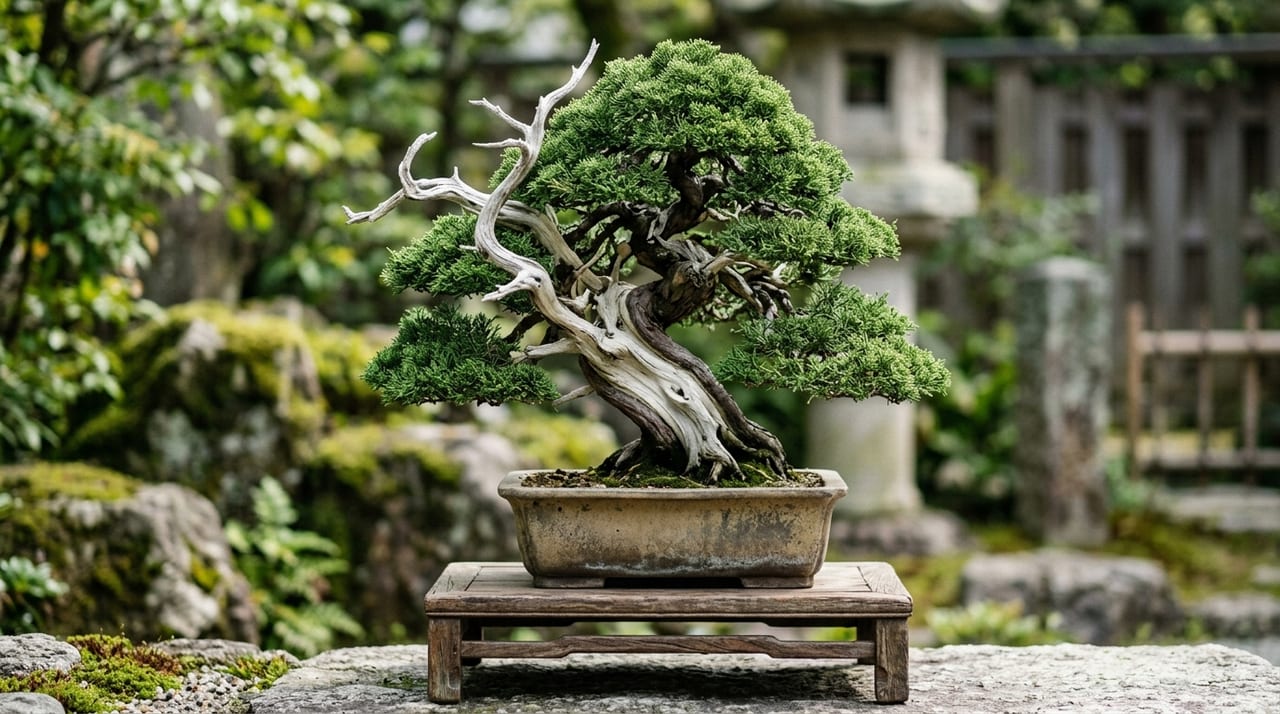
5. Hinoki Falsecypress (Shinpaku) - **Difficulty Level**: ★★☆☆☆ / **Price**: ¥2,000-15,000 / **Location**: Outdoor (Sunny) / **Type**: Evergreen Conifer

Advantages: Enjoy jin and shari (white deadwood sections). Shape freely with wire. Hardy. Disadvantages: Requires specific care techniques for this species. Care Tips: Place in a location with good sunlight and airflow. Water generously in the morning.

6. Cherry (Sakura) - **Difficulty Level**: ★★☆☆☆ / **Price**: ¥2,000-8,000 / **Location**: Outdoor (Sunny) / **Type**: Deciduous Broadleaf

Advantages: Spring flowering is the greatest appeal. Enjoy cherry blossom viewing at home. Popular as mini bonsai. Disadvantages: Blooming period is short. Watch for pests and disease. Care Tips: Sunlight is essential. Prune after flowering to secure flower buds for next year.

7. Japanese Apricot (Ume) - **Difficulty Level**: ★★☆☆☆ / **Price**: ¥2,000-10,000 / **Location**: Outdoor (Sunny) / **Type**: Deciduous Broadleaf

Advantages: Early spring flowers and fragrance are appealing. Develops aged character easily, and branches thicken quickly. Hardy and easy to manage. Disadvantages: Prone to aphids. Care Tips: Place in a sunny location. Prune after flowering. Fertilize generously.

8. Maple (Kaede/Chinese Maple) - **Difficulty Level**: ★★☆☆☆ / **Price**: ¥2,000-8,000 / **Location**: Outdoor (Partial shade to sunny) / **Type**: Deciduous Broadleaf

Advantages: Like Japanese maple, enjoy autumn foliage. Trunk thickens easily, achieving an attractive bonsai quickly. Disadvantages: Like Japanese maple, protect from intense direct summer sun. Care Tips: Manage as with Japanese maple. Chinese maple (Toukaede) is particularly hardy.

9. Flowering Plum (Chojubai) - **Difficulty Level**: ★★☆☆☆ / **Price**: ¥2,000-8,000 / **Location**: Outdoor (Partial shade to sunny) / **Type**: Deciduous Shrub

Advantages: Blooms multiple times per year for repeated flowering. Name is auspicious. Popular as a bonsai gift. Disadvantages: Prone to root rot. Care Tips: Use well-draining soil. Avoid excess moisture.

10. Zelkova (Keyaki) - **Difficulty Level**: ★★☆☆☆ / **Price**: ¥1,500-6,000 / **Location**: Outdoor (Sunny) / **Type**: Deciduous Broadleaf

Advantages: Broom-style form is beautiful. Enjoy new growth, autumn foliage, and winter branch structure through the seasons. Disadvantages: Requires regular pruning to maintain shape. Care Tips: Place in a sunny location. Pinch buds to develop finer branching.

11. Pyracantha - **Difficulty Level**: ★★☆☆☆ / **Price**: ¥1,500-5,000 / **Location**: Outdoor (Sunny) / **Type**: Evergreen Shrub

Advantages: Produces abundant red and orange berries in autumn. Ideal starting point for fruit-bearing bonsai. Hardy. Disadvantages: Thorny. Vigorous growth requires regular pruning. Care Tips: Place in a sunny location. Thin fruit after flowering for larger berries.

12. Dwarf Apple - **Difficulty Level**: ★★☆☆☆ / **Price**: ¥2,000-6,000 / **Location**: Outdoor (Sunny) / **Type**: Deciduous Broadleaf

Advantages: Enjoy spring flowers and small apples in autumn. Popular as fruit-bearing bonsai. Disadvantages: Cross-pollination from different varieties required for fruiting (two or more specimens recommended). Care Tips: Sunlight is essential. Ensure pollination by growing multiple varieties or hand-pollinating.

13. Roebelia - **Difficulty Level**: ★★☆☆☆ / **Price**: ¥1,500-5,000 / **Location**: Outdoor (Sunny) / **Type**: Semi-evergreen Shrub

Advantages: Small red berries cover the plant densely. Ideal for small-scale bonsai. Relatively easy care. Disadvantages: Plain appearance outside of fruiting season. Care Tips: Place in a sunny location. Apply fertilizer sparingly.

14. Cork-bark Pine (Nishikimatsu) - **Difficulty Level**: ★★★☆☆ / **Price**: ¥5,000-30,000 / **Location**: Outdoor (Sunny) / **Type**: Evergreen Conifer

Advantages: Rugged cork-textured trunk is the main attraction. Possesses distinctive character unlike other pines. Disadvantages: Grows slower than black pine. More expensive. Care Tips: Manage as with black pine. Enjoy the trunk's distinctive corky texture.

15. Coastal Pepper Tree (Isosansho) - **Difficulty Level**: ★★★☆☆ / **Price**: ¥2,000-8,000 / **Location**: Outdoor (Sunny) / **Type**: Evergreen Shrub

Advantages: Natural aged character develops easily. Beautiful jin and shari. Berries add interest. Disadvantages: Limited availability in the trade. Care Tips: Place in a sunny location. Watch for drying out.

Basic Bonsai Care for Beginners

ItemBudget EstimateKey Points
Bonsai Pot¥500-3,000Drainage holes essential
Bonsai Soil (Akadama, etc.)¥300-800
Pruning Shears¥1,000-3,000
Bonsai Wire¥300-500
Fertilizer¥300-500Pellet or top-dress type
Total~¥2,400-7,800Plant cost separate

Basic Watering Guidelines - **"Water thoroughly when dry"** is the golden rule - Spring to autumn: once or twice daily. Summer: morning and evening - Winter: every 2-3 days - Water until it drains from the pot bottom

Frequently Asked Questions (FAQ)

Q. Can bonsai be grown indoors? A. Most bonsai require outdoor management as standard. Some tropical species like ficus retusa can be grown indoors.

Q. How can I prevent killing my bonsai? A. Drying out is the biggest enemy. Especially in summer, don't skip morning and evening watering. When traveling, use water-wicking or arrange care with someone.

Q. When should I prune? A. Generally in spring (before buds break) and autumn (as growth slows). Timing varies by species.

Q. How long does a bonsai live? A. With proper care, bonsai can live for decades or even centuries. Truly a lifelong hobby.

At Botachoku, you can purchase carefully cultivated bonsai material and finished specimens from specialized growers. Visit the bonsai category to find your perfect specimen.

✍️

BoTachoku Editorial Team

BoTachoku Editorial Team specializes in plant growing information. We cover propagation, horticulture, and related fields to deliver articles that are easy to understand for beginners.

About our editorial policy

Read Next

Browse Related Listings

Browse listings related to this article's Bonsai on BoTachoku. You can buy directly from verified growers.

Sell the Bonsai you grow

List plants you have propagated from seed or division, or simply have spare. Registration is free with no listing or monthly fees — you only pay a commission when a sale closes.

Related Columns

Browse by Category

🌿Aquatic Plants
🪴Foliage Plants
🌵Succulents
🌳Caudex Plants
🪴Carnivorous Plants
🌹Roses & Flowers