[2026 Edition] Top 15 Agaves for Beginners | Selection Guide & Care Tips
We've carefully selected 15 easy-to-grow agave varieties for beginners looking to start cultivation. Comprehensive breakdown of Titanotas, Horidas, and more—covering difficulty levels, price ranges, and care methods.
![[2026 Edition] Top 15 Agaves for Beginners | Selection Guide & Care Tips](https://img.botachoku.com/column-images/agave-encyclopedia/hero-1778965065856.jpg)
Key Takeaways
We've carefully selected 15 easy-to-grow agave varieties for beginners looking to start cultivation. Comprehensive breakdown of Titanotas, Horidas, and more—covering difficulty levels, price ranges, and care methods.
Related Species
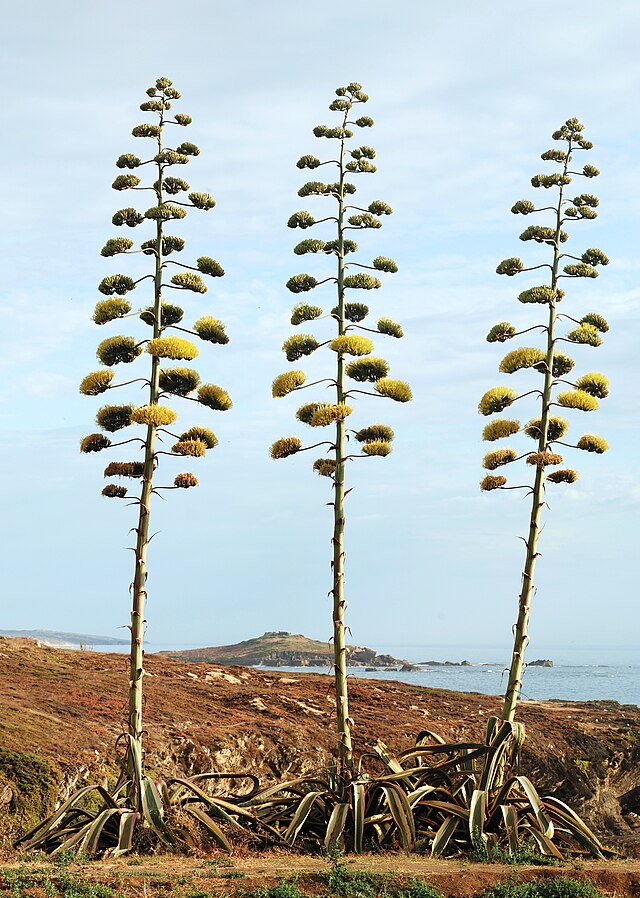
Agave Americana
View species details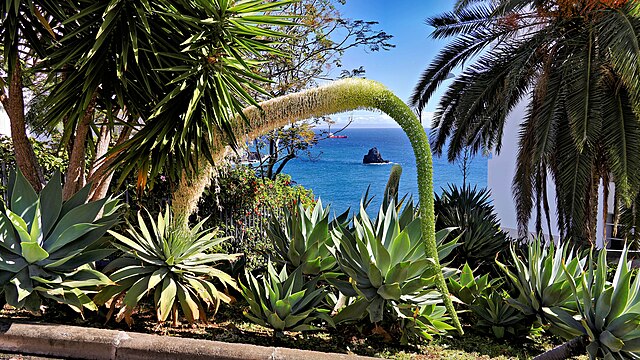
Agave Attenuata
View species details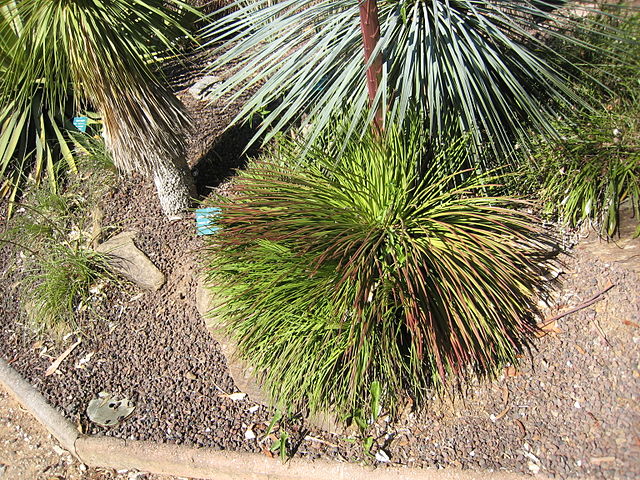
Twin Flower Agave
View species details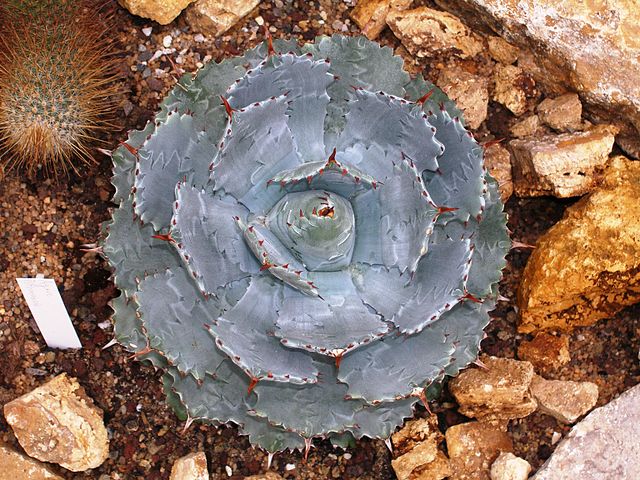
Agave Isthmensis
View species detailsAgave Kissho Kan
View species details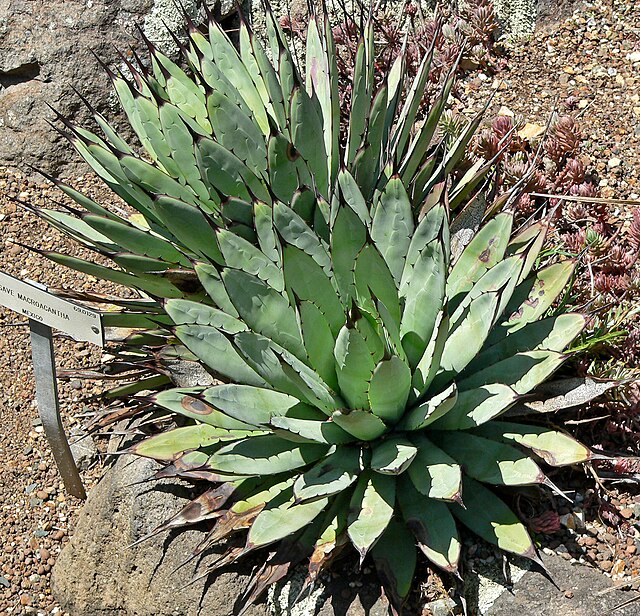
Large-Thorned Agave
View species details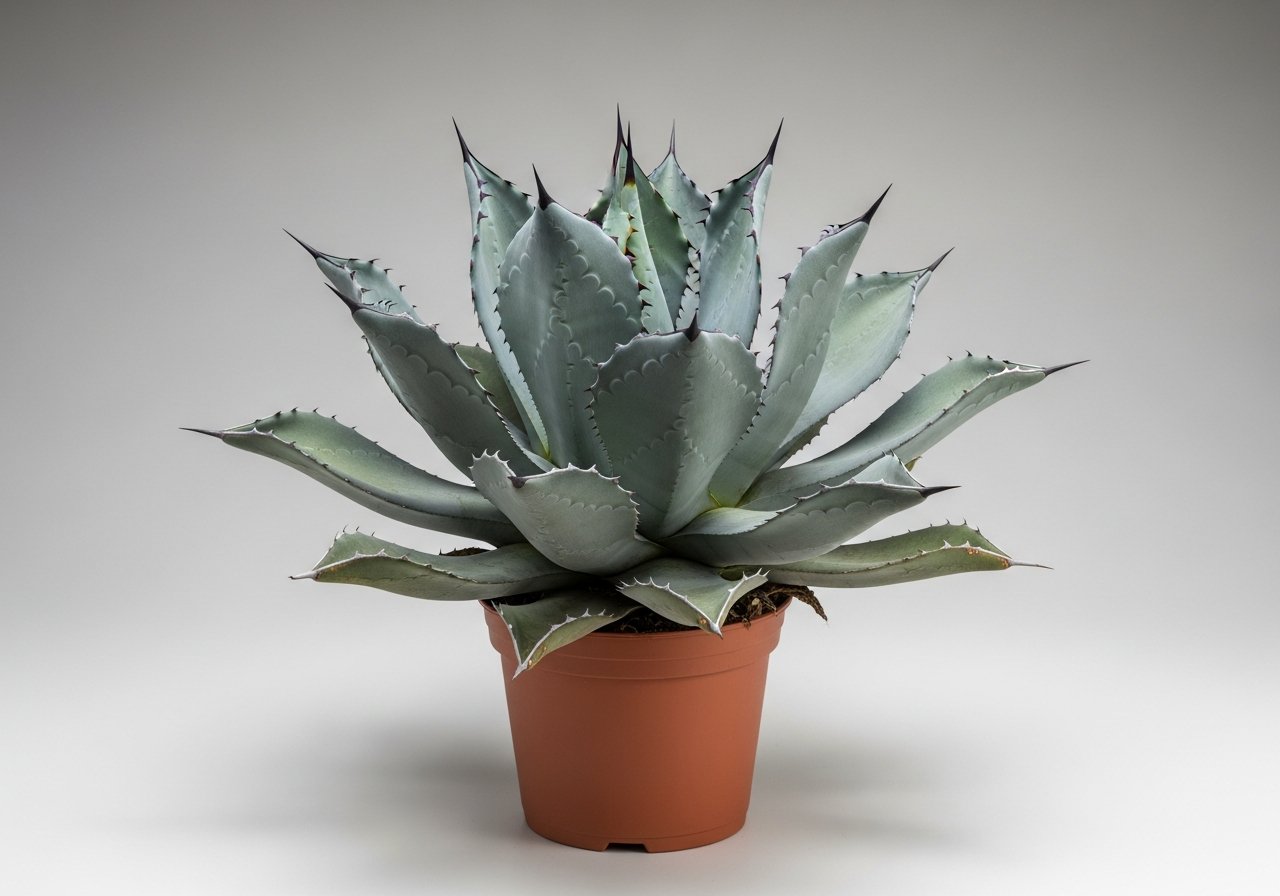
Whale's Tongue Agave
View species details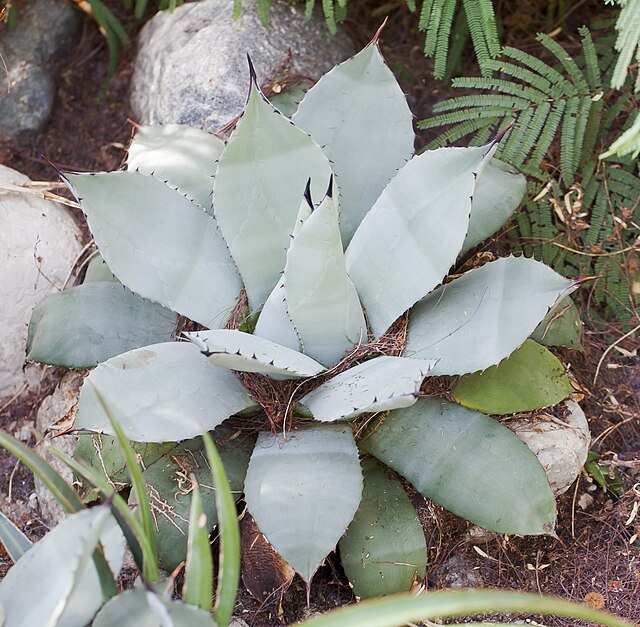
Agave Parryi
View species detailsAgaves have become increasingly popular in recent years as ornamental and succulent plants due to their striking architectural form and durability. However, price and cultivation methods vary significantly by variety. We've carefully selected 15 varieties that even beginners can successfully grow.
Key Points for Selecting Agaves as a Beginner
- Cold Hardiness: Whether the plant can survive Japan's winters outdoors
- Growth Rate: Fast-growing varieties offer more visible changes over time
- Availability: Widely distributed varieties are more affordable and easier to obtain
- Size: Determine the final size and ensure adequate space
15 Recommended Agaves
1. Agave Titanota (Blue)
- Difficulty: ★★☆☆☆ / Price: ¥3,000–30,000 / Max Diameter: 30–50cm / Cold Hardiness: Around 0°C
Pros: The spark that ignited the agave craze. Beautiful contrast between blue-gray leaves and white serrated edges. Hardy and easy to grow. Cons: Popular varieties attract counterfeits and mislabeling. High-grade specimens are expensive. Care Tips: Keep in a bright, well-lit location. Use well-draining soil and water only after it dries completely.
2. Agave Horida
- Difficulty: ★★☆☆☆ / Price: ¥2,000–15,000 / Max Diameter: 40–60cm / Cold Hardiness: Around -3°C
Pros: Deep green leaves with striking black serrated edges. Relatively high cold hardiness allows ground planting in warmer regions. Cons: Grows larger than Titanotas, requiring more space. Care Tips: Cold-hardy but protect from frost. Can be grown outdoors year-round in suitable climates.
3. Agave Kisshokukan (Crown of Good Fortune)
- Difficulty: ★☆☆☆☆ / Price: ¥1,000–5,000 / Max Diameter: 30–40cm / Cold Hardiness: Around -5°C
Pros: A classic variety cherished in Japan for generations. Extremely hardy with high cold hardiness. Affordable and ideal for beginners. Cons: Relatively plain appearance. Care Tips: Well-adapted to Japan's climate; can overwinter outdoors in regions west of the Kanto area.
4. Agave Attenuata
- Difficulty: ★☆☆☆☆ / Price: ¥2,000–8,000 / Max Diameter: 60–100cm / Cold Hardiness: Around 0°C
Pros: Spineless and gentle-looking. Grows large with striking decorative impact. Fast-growing. Cons: Requires significant space due to large size. Lacks the classic serrated edge appeal of typical agaves. Care Tips: Tolerates bright indoor locations. Grows rapidly when repotted into larger containers.
5. Agave Parryi (Truncata)
- Difficulty: ★★☆☆☆ / Price: ¥2,000–10,000 / Max Diameter: 30–50cm / Cold Hardiness: Around -10°C
Pros: Beautiful rounded rosette form. Exceptional cold hardiness allows ground planting even in cold regions. Cons: Growth is somewhat slow. Care Tips: Extremely hardy. With adequate drainage, thrives even when planted in open ground.
6. Agave Sashanoyu (Snow Bamboo Leaf)
- Difficulty: ★★☆☆☆ / Price: ¥1,500–8,000 / Max Diameter: 20–30cm / Cold Hardiness: Around -3°C
Pros: Beautiful white "paint-line" markings. Compact, ideal for balconies and indoor spaces. Cons: Susceptible to overwatering. Slow growth. Care Tips: Water sparingly. Avoid direct sunlight; bright shade is best.
7. Agave Obatifolia
- Difficulty: ★★☆☆☆ / Price: ¥3,000–15,000 / Max Diameter: 50–100cm / Cold Hardiness: Below -10°C
Pros: Impressive blue-gray large rosette form. Top-tier cold hardiness allows ground planting throughout Japan. Cons: Large size requires ample space. Care Tips: Ideal for garden ground planting. Highly resistant to both drought and cold.
8. Agave Americana
- Difficulty: ★☆☆☆☆ / Price: ¥1,000–5,000 / Max Diameter: 100–200cm / Cold Hardiness: Around -7°C
Pros: Classic variety beloved for generations. Known by the name "American Agave." Also available in variegated forms. Extremely hardy. Cons: Grows very large, making container cultivation challenging. Care Tips: Best suited for ground planting. Use a large container if growing in pots. Fast-growing.
9. Agave Geminiflora
- Difficulty: ★★☆☆☆ / Price: ¥2,000–8,000 / Max Diameter: 30–50cm / Cold Hardiness: Around -5°C
Pros: Unique form with thin leaves spreading radially. A distinctly different look from typical agaves. Cons: Differs from the standard agave aesthetic. Care Tips: Cold-hardy and easy to manage. Keep in a well-lit location.
10. Agave Potatorium (Thunder God)
- Difficulty: ★★☆☆☆ / Price: ¥2,000–10,000 / Max Diameter: 20–40cm / Cold Hardiness: Around 0°C
Pros: Wide leaves with striking red serrated edges. Compact and suitable for indoor management. The Japanese name "Thunder God" is iconic. Cons: Growth is somewhat slow. Care Tips: Keep in a bright indoor location. Water 2–3 times per month.
11. Agave Titanota (Whale Shark)
- Difficulty: ★★★☆☆ / Price: ¥5,000–50,000 / Max Diameter: 25–40cm / Cold Hardiness: Around 0°C
Pros: Popular variety with thick white serrated edges arranged like shark teeth. Compact with high ornamental value. Cons: Expensive. Be cautious of imported specimens requiring rooting management. Care Tips: Purchasing domestically-grown, rooted seedlings is recommended. Prefers strong sunlight.
12. Agave Macracantha
- Difficulty: ★★☆☆☆ / Price: ¥2,000–8,000 / Max Diameter: 30–50cm / Cold Hardiness: Around -3°C
Pros: Beautiful contrast between blue-tinted leaves and black serrated edges. Medium size with balanced proportions. Cons: Less popular than Titanotas with less available information. Care Tips: Keep in a bright, well-ventilated location. Standard agave care methods work well.
13. Agave Isismenensis (Iceberg)
- Difficulty: ★★★☆☆ / Price: ¥5,000–30,000 / Max Diameter: 15–25cm / Cold Hardiness: Around 0°C
Pros: Fantastical appearance covered in white waxy coating. Compact, space-efficient. Cons: Extremely slow-growing. Susceptible to overwatering. Care Tips: Water sparingly. Manage in a well-ventilated location.
14. Agave Stricta
- Difficulty: ★★☆☆☆ / Price: ¥1,500–5,000 / Max Diameter: 30–50cm / Cold Hardiness: Around -5°C
Pros: Needle-like thin leaves spreading radially in a sea urchin-like form. Hardy with high cold hardiness. Cons: Sharp leaf tips require careful placement. Care Tips: Position in a bright location. Pups form easily, making propagation straightforward.
15. Agave Titanota (Red Cat Weasel)
- Difficulty: ★★★☆☆ / Price: ¥5,000–40,000 / Max Diameter: 20–35cm / Cold Hardiness: Around 0°C
Pros: Reddish-tinted leaves and serrated edges create a distinctive presence. Compact with high collectibility. Cons: Expensive. Red coloration varies by individual specimen. Care Tips: Strong sunlight and temperature fluctuations intensify red coloring. Water sparingly.
Basic Agave Care for Beginners
Required Equipment and Budget
| Item | Budget | Notes |
|---|---|---|
| Pot (Plastic or Terracotta) | ¥300–1,500 | Prioritize drainage |
| Soil (Volcanic Soil, Kanuma Soil, etc.) | ¥500–1,500 | Well-draining mix |
| Pot Bottom Stones | ¥200–500 | Improve drainage |
| Magamp K (Fertilizer) | ¥500–800 | Slow-release fertilizer |
| Total | ~¥1,500–4,300 | Plant price separate |
Soil Mix Example
- Medium-grain volcanic soil 3 : Medium-grain kanuma soil 3 : Medium-grain red loam 2 : Pumice 2
- Commercial succulent potting soil works fine. Good drainage is what matters.
Frequently Asked Questions (FAQ)
Q. Can agaves be grown indoors? A. Yes, but they're prone to insufficient light. Place near a south-facing window or use a plant growth light.
Q. How often should I water? A. Water thoroughly 2–3 days after the soil completely dries. In winter, once per month.
Q. How do I manage them in winter? A. Bring non-cold-hardy varieties indoors. Keep indoors if temperatures drop below 0°C.
Q. What's the difference between imported and domestically-grown seedlings? A. Imported specimens arrive "bare root" without roots, requiring rooting management. Beginners should choose rooted, domestically-grown seedlings.
Related Content
At GrowerDirect, you can purchase agave plants directly from specialist growers who have carefully cultivated them. Find your favorite specimen from our Agave category.