Bonsai Growth Speed and Cultivation Period | Species-by-Species Guide
Bonsai growth speed varies significantly by species. Learn cultivation periods for seedlings and cuttings, growth rates of five-needle pine, Itoigawa shimpaku juniper, and Japanese maple, and techniques for creating forms quickly.
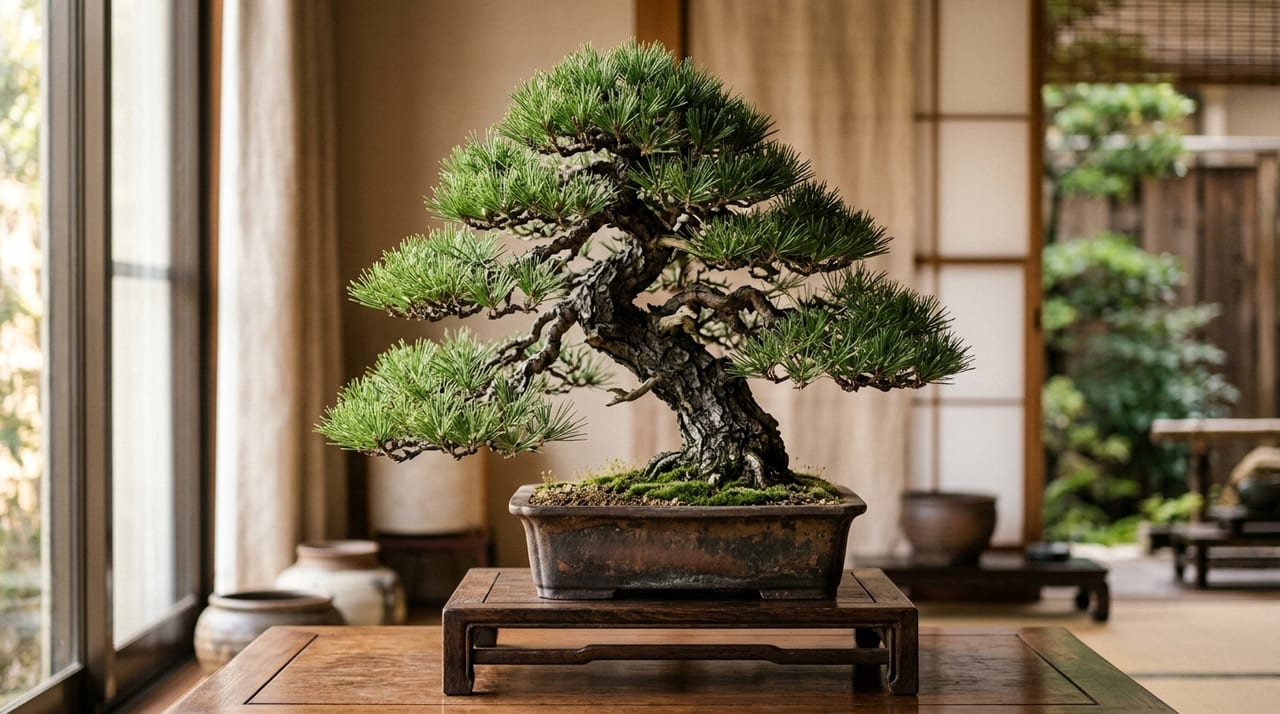
Key Takeaways
Bonsai growth speed varies significantly by species. Learn cultivation periods for seedlings and cuttings, growth rates of five-needle pine, Itoigawa shimpaku juniper, and Japanese maple, and techniques for creating forms quickly.
Related Species
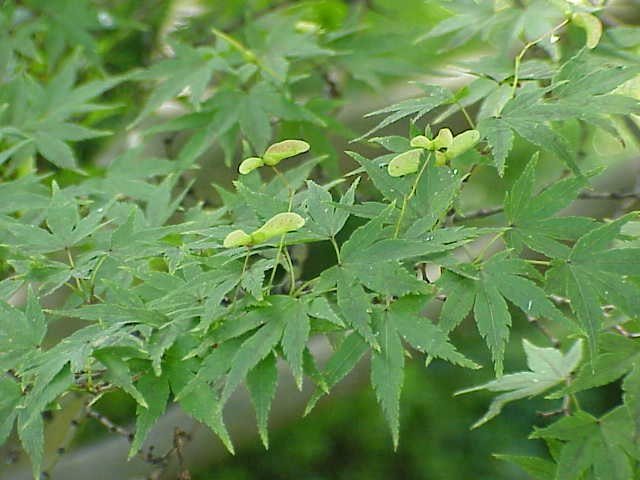
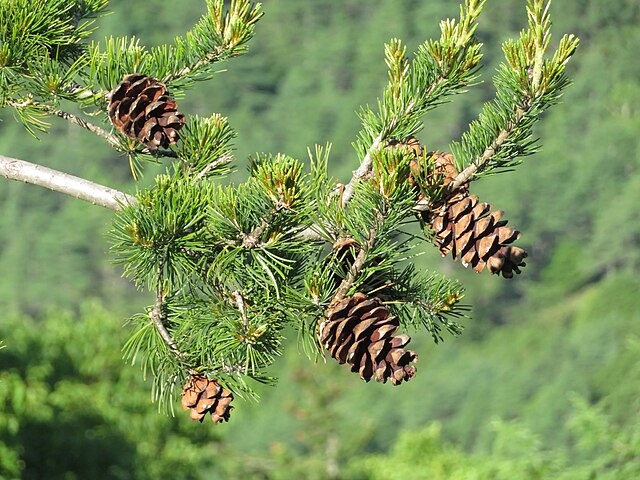
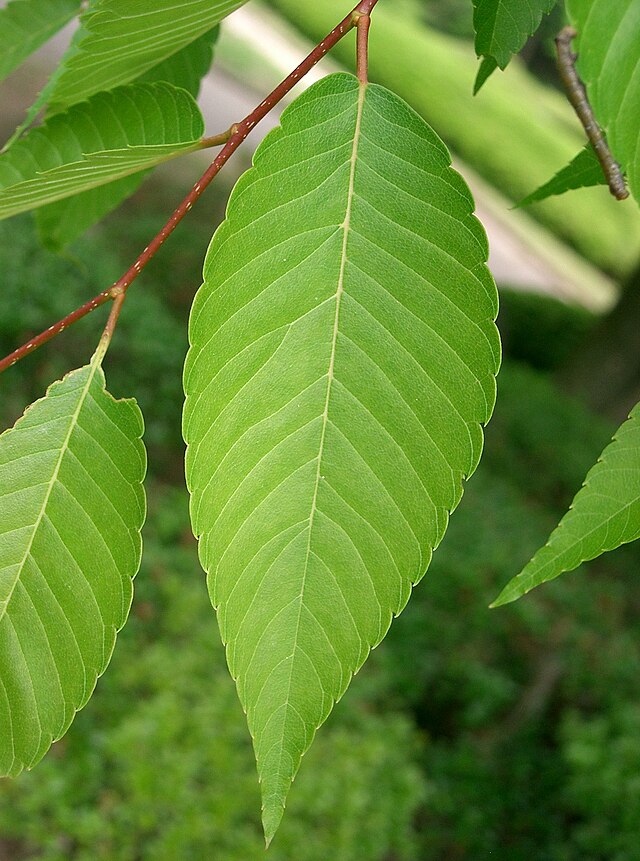
Bonsai is often called an art form with no "completion." The process of gradually refining the tree's form over many years is itself the charm of bonsai. Nevertheless, for those attempting bonsai for the first time, questions like "which species should I choose?" and "how long until the bonsai becomes worth appreciating?" are very practical concerns. If you're unsure about species selection, also check out Bonsai Species Selection for Beginners.
In fact, the cultivation period can vary several times over depending on how you select the species and material. Choosing materials with a proper understanding of fast-growing and slow-growing species is the first step to enjoying bonsai for a long time. In this article, we'll explain in detail the growth speed guidelines by material type and species, as well as practical techniques for completing tree forms quickly.
Materials and Cultivation Period Guidelines
Bonsai materials fall into three main categories—seedlings, cuttings, and field-collected or nursery materials—each requiring very different cultivation periods.
Seedlings (Growing from Seed)
Growing from seed generally requires 5 to 10 years or more until the bonsai becomes worth appreciating. Growth is slow, and it takes considerable time for the trunk to thicken. However, being able to create everything yourself—from the root structure to the trunk's flow to branch placement—is the greatest appeal. It's especially recommended for those who want to have a bonsai they can say they created themselves, or those who enjoy the cultivation process.
Cuttings
Cuttings can develop into form within 3 to 5 years for miniature bonsai. This method is suited to species that root easily, such as Japanese maple and Itoigawa shimpaku juniper, and since it inherits the characteristics of the parent tree as-is, it's also used to propagate individuals with superior forms. Because you can begin shaping the tree sooner than with seedlings, it's also well-suited for beginners working on bonsai beyond their first one.
Field-Collected and Nursery Materials
Since this material already has a developed trunk, it's possible to shape the tree within 1 to 3 years. Field-collected material comes from trees nurtured in nature over many decades, so natural appearance and an aged character are already present. However, field collection has limitations due to harvesting regulations and plant protection considerations, so it's important to source from trustworthy dealers or growers.
Growth Speed Comparison by Species
Even with the same material, growth speed varies significantly by species. Understanding the characteristics of each species allows you to select a tree that suits your goals and growing style.
Fast-Growing Species
Japanese elm (Zelkova) is particularly fast-growing among deciduous trees, with branches extending steadily from spring through summer. The delicate branching exemplified by broom style can be created in a relatively short period, making it a species that easily provides a sense of achievement. However, because growth is fast, frequent pinching and pruning are necessary.
Japanese maple also grows at a moderate to somewhat fast rate, with substantial annual branch extension. The trunk thickens relatively quickly, and it's a popular species because of its ornamental autumn foliage.
Slow-Growing Species
Five-needle pine grows extremely slowly, with only a few centimeters of annual growth. The branches become densely packed, resulting in a refined and dignified form, but you must be prepared for a long time before reaching completion. It's suited for those who want to experience the true charm of bonsai, which is "cultivating patiently."
Itoigawa shimpaku juniper also grows slowly. In return, it allows for unique expressions called "jin" (deadwood on the trunk) and "shari" (deadwood on branches), with its restrained aesthetic form being its charm. Once formed, it maintains a stable appearance over a long period, which is why it has enduring popularity among enthusiasts.
Practical Techniques for Creating Forms Quickly
There are several effective methods for those wanting to create impressive bonsai quickly. However, rushing can put stress on the tree, so it's important to proceed while monitoring the tree's condition.
Thickening the Trunk Through Ground Planting
Since roots are restricted in a pot, growth speed increases dramatically with ground planting. To thicken the trunk, it's effective to keep it in the ground for 2 to 3 years. Once you approach the desired trunk thickness, return it to a pot and shape it from there.
Using Sacrifice Branches
There's a technique called "sacrifice branches" where certain branches are left unpruned and allowed to grow freely to thicken the trunk. Nutrients concentrate in the part you want to thicken, efficiently promoting trunk growth. Once it reaches the desired thickness, the sacrifice branches are removed.
Optimizing Fertilizer Timing and Type
During the growing season (spring through autumn), apply solid organic fertilizer every 2 to 4 weeks. While high-nitrogen fertilizers promote branch and foliage growth, when shaping the tree, reducing nitrogen and increasing phosphorus and potassium helps branches develop fully and improves flowering and fruiting. For a more detailed understanding of fertilizer selection, see Bonsai Fertilizer: A Comprehensive Guide.
Wiring and Tree Shaping Guidelines
Wiring is one of the most important techniques for determining a bonsai's form. Incorrect timing places significant stress on the tree, so following the appropriate timing for each species is fundamental.
- Deciduous trees (Japanese maple, zelkova, etc.): The optimal time is November through February, after leaves fall and before new buds emerge. This period also offers better visibility and easier working conditions.
- Evergreens (pines, Itoigawa shimpaku juniper, etc.): The appropriate time is autumn through winter when sap flow settles. Avoid wiring in summer, as it stresses the tree.
- Establish form while young: It's important to establish the basic framework while branches are young and pliable. As they thicken, the tree becomes harder to move with wire.
Also, leaving wire on for too long will cut into the bark and cause damage. Remember to check regularly and remove the wire before the branches thicken.
GrowerDirect's Safety and Reliability System
When purchasing bonsai, the most important thing is having a clear management history. On GrowerDirect, you can buy bonsai directly from growers, so you can directly confirm the tree's age, care methods, and the environment in which it was raised with the seller. If you're uncertain about repotting intervals or timing, also refer to Bonsai Repotting Guide.
Since you can also consult with sellers for cultivation advice after purchase, even beginners can start with confidence. A wide range of materials are available, from seedlings to prized field-collected specimens, so you can carefully select one suited to your level and goals. Bonsai is a long-term hobby. A tree welcomed from a trustworthy grower becomes the starting point for decades of cultivation. Please find your bonsai companion on GrowerDirect.