Bonsai Root Growth and Healthy Root System Development: Root Establishment Management and Repotting Timing
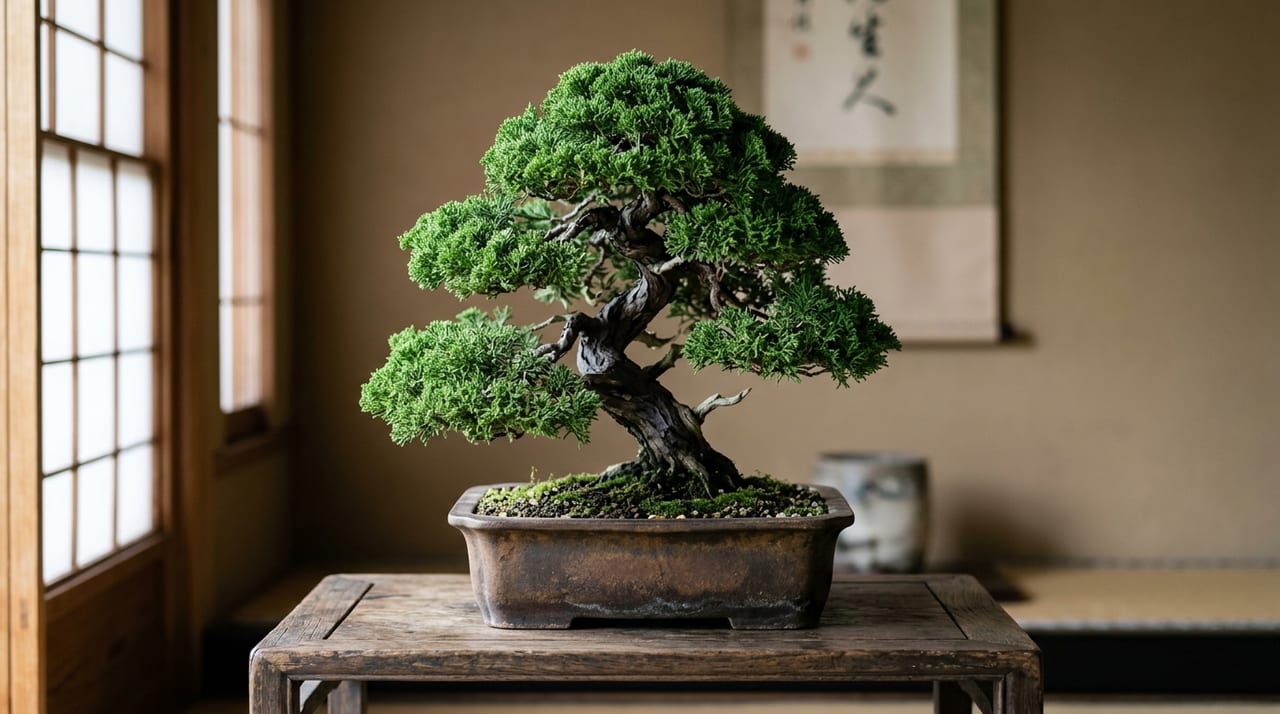
The importance of root system development in bonsai and practical management methods. Without a healthy root system, tree form and nutrient absorption will decline. This article explains in detail the mechanisms and conditions of root growth, as well as proper repotting timing.
Key Takeaways
The importance of root system development in bonsai and practical management methods. Without a healthy root system, tree form and nutrient absorption will decline. This article explains in detail the mechanisms and conditions of root growth, as well as proper repotting timing.
Related Species
Introduction: The Importance of Root System Development in Bonsai
The most important element supporting the beauty and longevity of bonsai is the invisible part—the roots. Without a healthy root system, no matter how excellent the tree form, nutrient absorption cannot keep up and the tree will gradually decline. This article provides detailed explanations of practical management methods for bonsai root growth mechanisms, conditions for healthy root system development, and proper repotting timing.
Root Growth Structure and Physiology in Bonsai
Bonsai roots perform three major roles. First, there are "absorption roots" that take in water and nutrients from the soil; second, "conductive roots" that transport nutrients; and third, "support roots" that stabilize the root system. Absorption roots in particular are fine, white roots that proliferate intensively during active growth periods (spring and autumn).
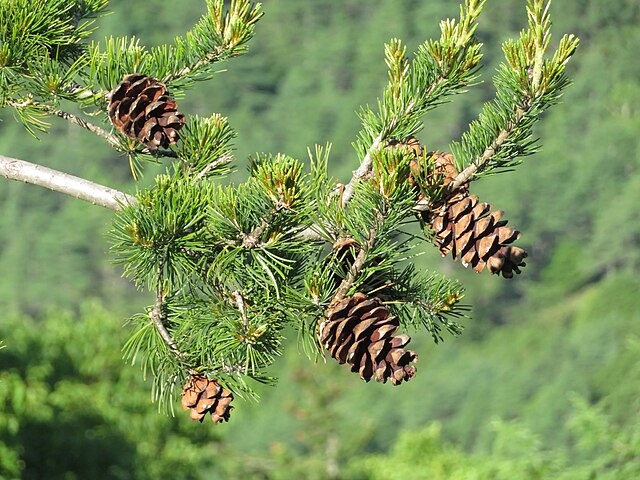
In conifers such as Japanese white pine (Pinus parviflora), root growth rate typically exceeds tree growth rate. During the new root emergence period from spring through early summer, there is a crucial season when the entire root system is renewed. Whether proper management is performed during this period significantly affects the vigor of the bonsai thereafter.
Conditions for Healthy Root System Development
Soil Composition and Aeration
The most important element supporting root system health in bonsai is soil aeration. Potting mix appropriately blended with akadama, pumice, and sand promotes root respiration and prevents root rot, going beyond mere nutrient supply.
A standard mixture is 60% akadama, 20% leaf mold, and 20% sand, though adjustments are necessary depending on tree species. For example, for trident maple (Acer buergerianum) which prefers moist conditions, increase the proportion of leaf mold slightly; for pines that prefer dry conditions, increase the proportion of sand.
Water Management and Oxygen Supply to the Root System
Oxygen is essential for healthy root growth. The timing and method of daily watering serve not only to moisten the plant but also play an important role in supplying fresh oxygen to the root system.
During the spring and summer growing season, water thoroughly when the soil surface becomes dry; reduce watering in winter. Early morning watering in particular is recommended, as it effectively supplies oxygen for the roots to respire throughout the day.
Temperature and Root Activity
Root growth activity is highly dependent on temperature. The optimal range is 15–25°C (59–77°F), where root cell division and root hair formation are most active. When temperatures fall below 5°C (41°F) in winter, root growth essentially stops; when they exceed 30°C (86°F) in summer, the risk of root rot increases rapidly.
When cultivating bonsai outdoors, it is important to lightly mist the entire pot in summer to keep the roots cool and prevent excessive heat.
Practical Techniques for Root Establishment Management
How to Inspect Roots and Assess Their Health
Develop a habit of inspecting roots once or twice annually to assess their health. When repotting, remove the tree from the pot and check the color and firmness of the roots. Healthy absorption roots are white and pliable, breaking easily if damaged. Darkened roots or foul odor indicate root rot.
Bonsai with good root establishment will have roots clinging tightly to the inner walls of the pot, forming a "root-bound" condition when removed during repotting. Even distribution of this root ball is evidence of a well-balanced root system.
Repotting Techniques That Minimize Root Damage
Avoiding damage to the root system during repotting significantly affects subsequent recovery and growth. When removing old soil, gently comb with a bamboo pick while protecting fine roots. For thicker roots that must be cut, smooth the cut with a clean blade.
Species such as trident maple are particularly susceptible to root damage, so after repotting, provide shade from direct sunlight during the day and maintain adequate humidity.
Complete Guide to Repotting Timing
Spring Repotting (Optimal Period)
Spring repotting is the ideal time for repotting bonsai. Late March through mid-April, just before new leaves emerge, is optimal. New root emergence during this period is very active, damaged roots recover quickly, and post-repotting recovery is best.
For deciduous trees, repot just before buds break; for evergreens, repot when temperatures stabilize around 15°C (59°F). Spring repotting is typically done every 2–3 years; young bonsai are repotted annually.
Autumn Repotting (Supplementary Use)
Autumn repotting is a supplementary option for cases where spring repotting was not possible. Mid-September through mid-October is the timeframe when new roots emerge readily, but because the recovery period before winter is short, it is not recommended as highly as spring repotting. However, it is effective as an emergency measure in cases of severe root rot.
Periods to Avoid
Midwinter (November–February) is when root activity slows, delaying post-repotting recovery. Summer repotting (July–August) should also be avoided, as rapid water loss from roots exacerbates the stress of repotting.
Root System Regeneration in Aged Bonsai
As bonsai age, root system deterioration is inevitable. Thicker roots proliferate while the proportion of absorption roots declines. In such cases, aggressive root pruning during spring repotting is necessary.
Cut thickened roots 5–10 cm (2–4 in) back from the tips to stimulate new root emergence. This technique is essential for extending bonsai lifespan; even bonsai over 50 years old can see decade-scale life extension if performed properly.
Seasonal Root System Management Calendar
| Period | Main Tasks | Notes |
|---|---|---|
| March–April | Repotting (optimal period)・Observe new roots | Best just before budbreak |
| May–June | Active watering・Begin fertilizing | Protect new roots |
| July–August | Cool management・Improve water quality・Provide shade | Do not repot |
| September–October | Autumn repotting (if necessary) | Recovery is slower than spring |
| November–February | Dry storage・Root dormancy period | Water sparingly・Do not repot |
Common Root Management Mistakes and Solutions
Failure 1: Applying fertilizer immediately after repotting New roots are damaged, creating high risk of fertilizer burn. For 2–3 weeks after repotting, withhold fertilizer and prioritize root recovery.
Failure 2: Repotting into the same size pot every year When the root system is root-bound, new roots cannot emerge. Young bonsai should be repotted into one size larger pot annually; mature bonsai should be repotted every 2–3 years.
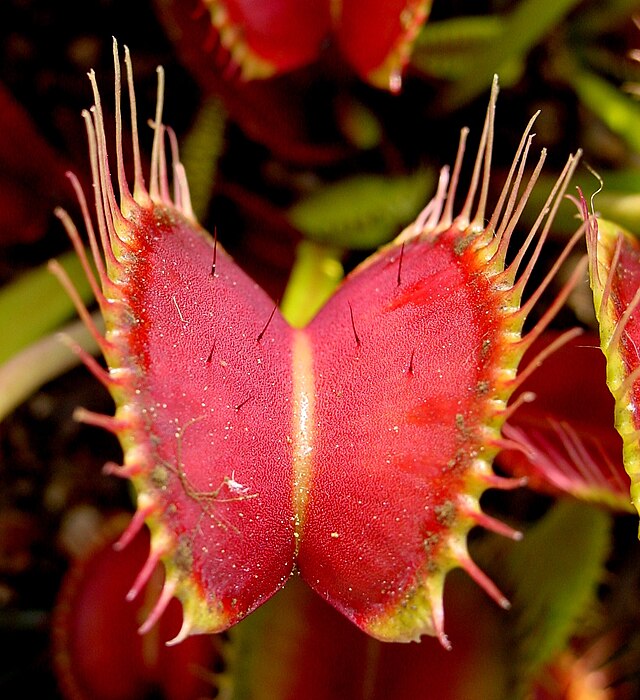
Failure 3: Excessive fertilizing and watering immediately after repotting This applies to delicate plants such as Venus flytraps as well, but with bonsai especially, "restraint" is key to success.
Summary
The health of a bonsai's root system is far more important than its visible tree form. By performing regular root system checks centered on spring repotting, using appropriate soil mixes, and implementing rigorous seasonal watering management, you can successfully grow long-lived bonsai over 50 years old. Building on the knowledge explained in this article, observe, understand, and nurture your bonsai's roots to deepen your enjoyment of this rewarding pursuit.