Beginner's Guide to Bonsai Tree Species | Characteristics of 10 Easy-to-Grow Varieties
Introducing 10 bonsai tree species recommended for beginners. Detailed explanations of the characteristics, care tips, and how to obtain easy-to-grow varieties such as black pine, Japanese maple, and zelkova.
Key Takeaways
Introducing 10 bonsai tree species recommended for beginners. Detailed explanations of the characteristics, care tips, and how to obtain easy-to-grow varieties such as black pine, Japanese maple, and zelkova.
Related Species
When you decide to start growing bonsai, the first hurdle you'll face is "which tree species should I choose?" Hundreds of bonsai species exist, each with different care requirements and aesthetic appeal. Choose the wrong species and you risk killing your bonsai shortly after you've started, which is an unfortunately common outcome for beginners.
In this article, we'll carefully select 10 species that beginners can grow without difficulty and explain the characteristics and care tips for each one in an easy-to-understand way. Use this guide as a reference to find the perfect specimen that matches your lifestyle and growing environment.
4 Important Considerations Before Choosing Your Tree Species
Before selecting a bonsai, take time to assess your growing environment and lifestyle. Checking these 4 points will significantly narrow down your options.
Location: Outdoors or Indoors?
Most bonsai require outdoor management as their foundation. Conifers like pines and junipers in particular thrive with plenty of sunlight and good air circulation. Even if you only have a small apartment balcony as your growing space, you can still grow bonsai successfully, but complete indoor cultivation is difficult for most species. Securing adequate sunlight should be your top priority.
Ensuring Adequate Sunlight
Bonsai typically require vigorous photosynthesis and ideally need 4-6 hours or more of sunlight per day. Japanese maples and other deciduous trees that tolerate partial shade are relatively adaptable options for environments with limited light.
Care Requirements: Frequency of Watering and Pruning
Watering is the central task in bonsai care. The smaller the pot, the faster it dries out, and during summer months you may need to water twice daily. If you're frequently away from home for extended periods, consider species that are relatively drought-tolerant or invest in an automatic watering system.
Growth Rate and the Degree of Tree Shape Development
If you want to enjoy the tree shape quickly, purchasing a partially developed "finished tree" or "pre-developed material" is the most direct route. Growing from seed or cuttings is a long journey that can take years or even decades to create your desired tree shape.
10 Recommended Tree Species for Beginners
Conifers (Evergreens with Strong Forms)
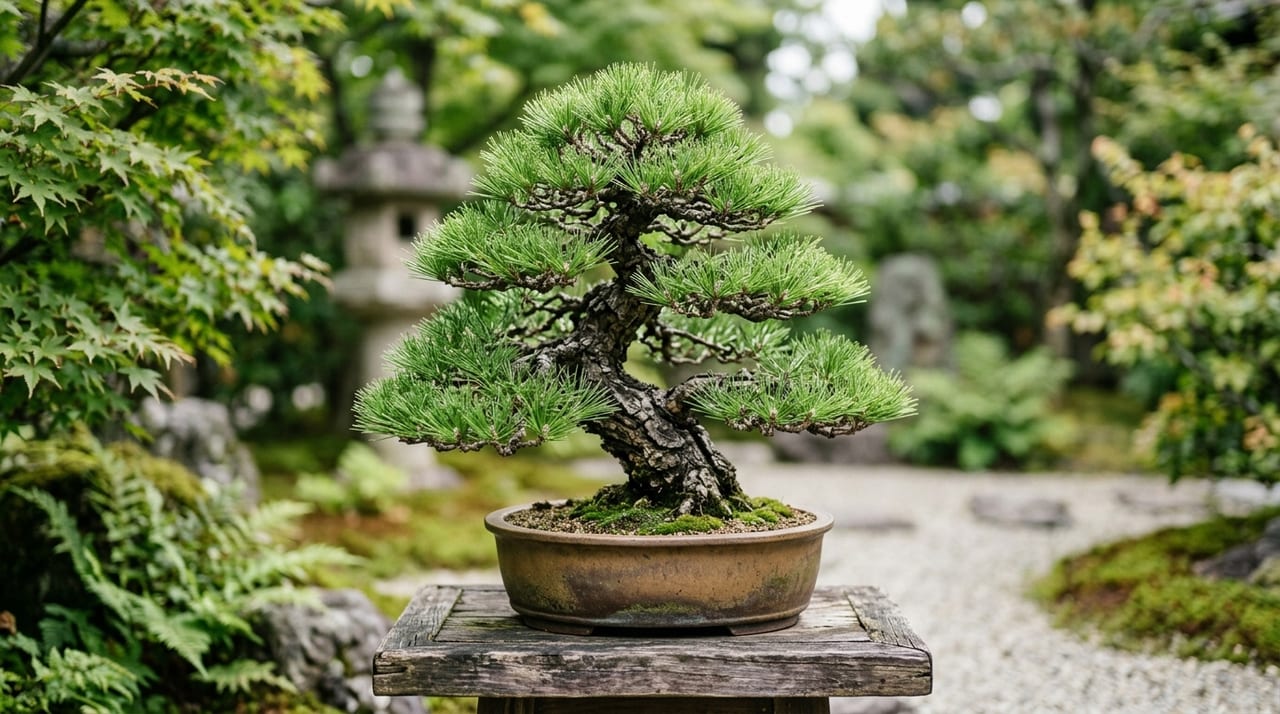
1. Black Pine (Kuromatsu) Often called the king of bonsai, it's prized for its strong trunk and deep green needle-like foliage. Manage it outdoors in a location with plenty of sunlight and good air circulation, using well-draining soil. This hardy species resists disease and pests well and can tolerate some care mistakes. Performing "momage" (removing old needles) each autumn will result in a more refined tree shape.
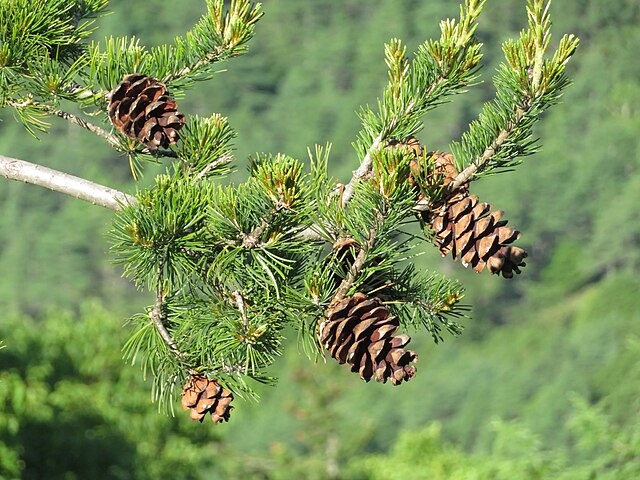
2. Japanese Five-Needle Pine (Goyomatsu) A refined pine with short, compact foliage that creates an elegant impression. Its natural tree shape is particularly beautiful, and because growth is slower than black pine, it looks good with minimal intervention, making it ideal for beginners. Water slightly less and avoid excessive moisture—this is the secret to longevity.
3. Japanese Juniper (Shinpaku) An evergreen that creates unique character through deadwood features called "jin" and "shari." It offers high design freedom through wiring and carving the deadwood, making it perfect for those who want to deeply explore bonsai artistry. Its drought tolerance and ease of care are additional advantages.
Deciduous Trees (Enjoy the Changing Seasons)
4. Japanese Maple (Momiji) The most rewarding species for enjoying seasonal change—vibrant spring foliage, deep summer greens, and spectacular autumn red leaves. It adapts well to various light conditions from partial shade to full sun and prefers consistently moist soil, so watch carefully for drought stress. Summer requires special attention to watering due to high transpiration rates.
5. Acer (Kaede) Similar seasonal changes to Japanese maple but with smaller leaves and greater hardiness, making it more suitable for beginners. It adapts easily to various bonsai styles including root-over-rock and growing on stone, making it popular with those wanting to create a distinctive specimen.
6. Zelkova Beautiful upright branching resembling an inverted broom creates an elegant form. The delicate branch structure after winter leaf drop is particularly spectacular. Rapid growth requires regular pruning, but this actually becomes rewarding—giving you the satisfying feeling of actively cultivating your bonsai while enjoying the care process.
7. Katsura Tree (Katsura) Charming heart-shaped leaves, and beautiful yellow autumn foliage with a sweet fragrance. Its small leaves also make it suitable for mini bonsai (mame bonsai), allowing you to display it indoors at a convenient size. As this species loves moisture, be particularly careful about drought stress.
Flowering and Fruiting Species (Add Color and Interest)
8. Serissa (Chojubai) A beloved introductory flowering bonsai species. Red flowers bloom repeatedly throughout the year, providing long periods of floral enjoyment. As the name suggests—"long life"—it's auspicious and makes a great gift. It's vulnerable to drought, so develop the habit of watering immediately when the soil dries out.
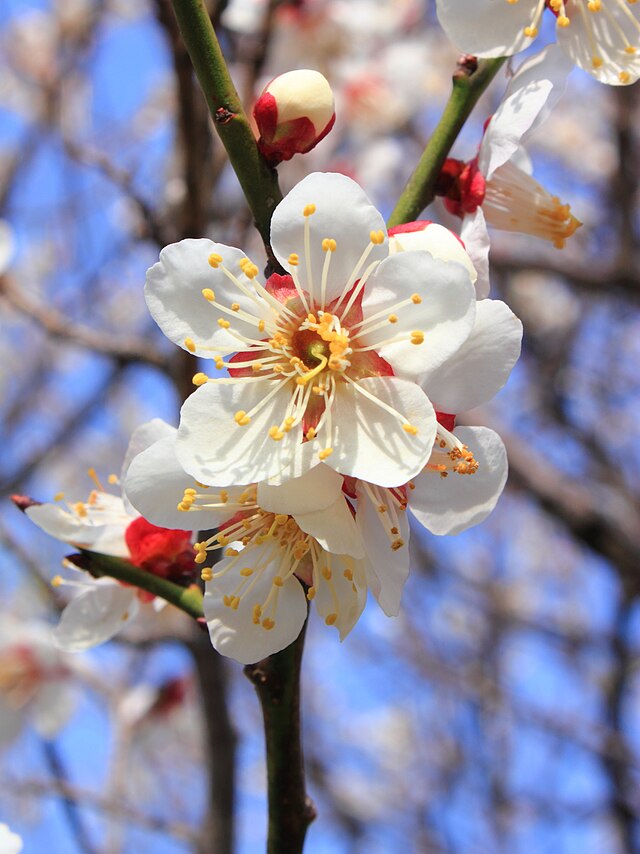
9. Japanese Apricot (Ume) Blooms early in the cold early spring, announcing the season's arrival with its fragrance. Long treasured as a bonsai for display in alcoves or entryways, it has deep cultural significance in Japanese tradition. Pruning timing after flowering greatly affects next year's flower production—remember to prune immediately after the flowers fade.
10. Pyracantha From autumn through winter, this fruiting bonsai displays clusters of small red or orange berries. Resistant to pests and diseases with relatively easy care, it has a well-deserved reputation as beginner-friendly. Double the appeal with white spring flowers followed by autumn fruits, offering a sense of seasonal transition.
Common Beginner Mistakes and How to Avoid Them
Even the easiest-to-grow species can die if basic care is neglected. Keep in mind these common pitfalls that beginners often encounter.
- Overwatering or underwatering: The basic rule is to water thoroughly when the soil surface dries out. Never leave water sitting in the saucer beneath the pot.
- Excessive fertilization: Too much fertilizer causes root burn. Apply appropriate amounts only during the growing seasons of spring and autumn.
- Neglecting repotting: Repotting should be done every 2-3 years. Neglecting this causes root-bound conditions, leading to rapid decline.
- Strong summer sunlight: Intense midday summer sun can cause leaf scorch. Consider using shade cloth during peak summer months.
Safe and Reliable Ways to Source Bonsai Through GrowerDirect
There are several ways to obtain bonsai materials and finished specimens, and particularly noteworthy for quality and reliability is purchasing directly from specialized growers and vendors.
GrowerDirect connects you with growers who specialize in bonsai and carefully cultivate material trees and finished specimens that you can purchase from anywhere in Japan. You can review the seller's profile, cultivation history, and past transaction ratings before purchasing, so beginners can trade with confidence.
The platform also allows you to ask sellers direct questions before purchase. Growers with specialized knowledge are happy to answer straightforward questions like "Can I grow this on my apartment balcony?" or "Can a beginner manage this?" with patience and expertise.
Bonsai quality depends not only on the species but also on who cultivated it. Starting with a specimen from a trustworthy seller sets you on the right path toward long-term healthy growth. Explore the bonsai category on GrowerDirect and find the perfect specimen for you.