6 Beginner-Friendly Bonsai Species | Difficulty-Based Selection Guide
This guide presents 6 carefully selected bonsai species organized by difficulty level, perfect for beginners just starting their bonsai journey. We explain the characteristics of Choujoubai, Black Pine, Japanese Zelkova, Winged Euonymus, Japanese White Pine, and Shimpaku Juniper, along with fundamental watering and pruning techniques to help you choose your first tree.
Key Takeaways
This guide presents 6 carefully selected bonsai species organized by difficulty level, perfect for beginners just starting their bonsai journey. We explain the characteristics of Choujoubai, Black Pine, Japanese Zelkova, Winged Euonymus, Japanese White Pine, and Shimpaku Juniper, along with fundamental watering and pruning techniques to help you choose your first tree.
Related Species
Introduction: Choosing the Right Species Is Your First Step to Bonsai Success
When beginners start their bonsai journey, they inevitably face one crucial question: "Which species should I choose?" There are dozens of bonsai species available, each with different management requirements, viewing pleasures, and seasonal changes. Many people select a difficult species for their first attempt, end up killing it, and abandon bonsai altogether.
In this article, as a bonsai specialist, I'll introduce 6 beginner-recommended species organized by difficulty level. They're divided into three tiers—★☆☆ (easy) through ★★★ (intermediate to advanced)—so you can select the perfect first tree based on your lifestyle and growing space.
★☆☆ (Easy): Choujoubai and Black Pine
Choujoubai (Longevity Plum)
Difficulty Level: ★☆☆ Choujoubai can be managed outdoors year-round and is highly drought-tolerant. It blooms multiple times per year, making it easy to experience the satisfaction of growing bonsai. Its auspicious name also makes it popular as a gift.
Basic Care:
- Watering: Water thoroughly when the soil surface becomes dry (once daily spring through fall; every 2–3 days in winter)
- Location: Year-round outdoor placement in bright, sunny conditions. Strong summer sunlight is not a problem
- Pruning: Trim branches after flowering. Being vigorous, it recovers easily even from heavy cuts
- Repotting: Every 2–3 years, ideally in March or April
Flowers bloom intermittently from February through November, offering one of the longest continuous flowering periods among bonsai. It's an excellent beginner species because it gives you a clear sense of accomplishment.
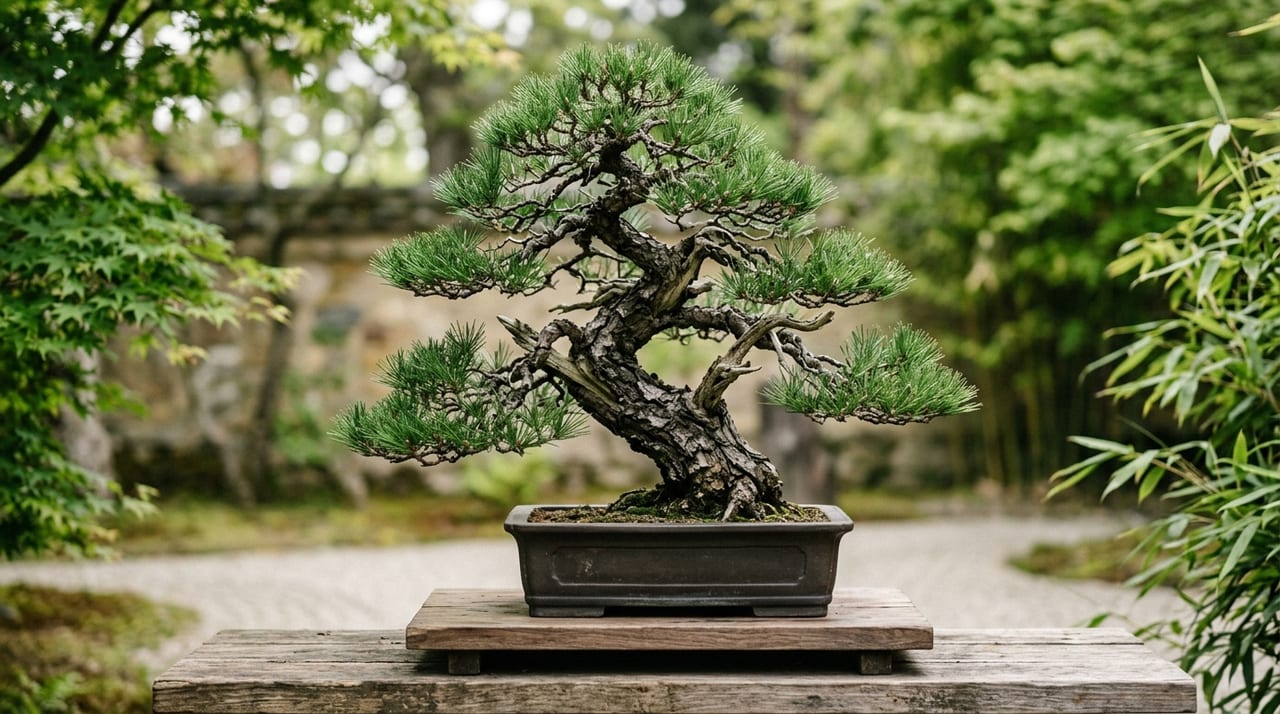
Black Pine (Pinus thunbergii)
Difficulty Level: ★☆☆–★★☆ A flagship bonsai species representing Japan, the Black Pine impresses with its strong trunk and deep green foliage. It's relatively hardy and falls into the easy-to-grow category when managed outdoors.
Basic Care:
- Watering: Daily (or more) spring through fall. Summer often requires watering twice daily (morning and evening)
- Location: Year-round outdoor management is essential. It tolerates winter frost
- Bud pinching: Perform "bud stripping" (removing new growth) in May–June to shape the tree
- Repotting: Every 2–3 years, ideally in March or April
However, learning the species-specific technique of bud pinching takes practice—typically 2–3 months of experience for a complete beginner. Once you master basic watering, the Black Pine is ideal for your next step.
★★☆ (Intermediate): Japanese Zelkova and Winged Euonymus
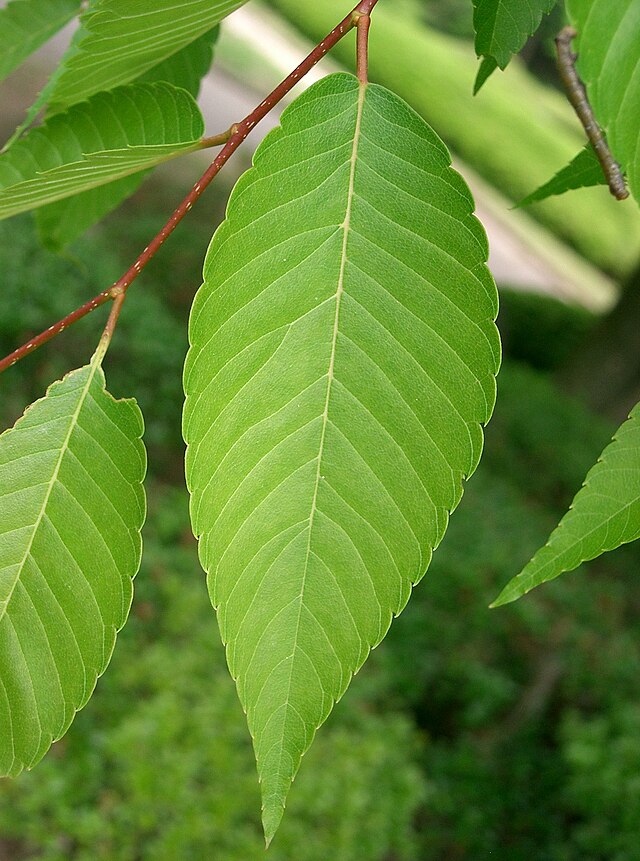
Japanese Zelkova (Zelkova serrata)
Difficulty Level: ★★☆ Japanese Zelkova is prized for its majestic form, with particularly beautiful fall foliage. The rapid growth rate makes it excellent for practicing tree shaping techniques.
Basic Care:
- Watering: 1–2 times daily spring through fall. Watch carefully for drying during new growth season
- Location: Year-round outdoor management. Afternoon shade is recommended during intense summer sun
- Pruning: Spring bud pinching and fall thinning are the fundamentals
- Repotting: Every 2–3 years, ideally in March
Zelkova grows vigorously, so branches can become unruly if neglected. Skipping spring bud pinching (the practice of pinching new shoot tips with scissors) results in irregular branching. Regular management is essential.
Winged Euonymus (Euonymus alatus)
Difficulty Level: ★★☆ This deciduous shrub is renowned for its brilliant crimson fall foliage. The distinctive cork-like wings on its branches are also visually striking, making it popular among bonsai enthusiasts.
Basic Care:
- Watering: Once daily spring through fall. Once or twice weekly in winter
- Location: Year-round outdoor placement. The brighter the location, the more vibrant the fall color
- Pruning: Primarily thinning cuts performed after fall leaf drop
- Repotting: Every 2–3 years, ideally in March
Its autumn display is spectacular, but watch for summer drought stress. Smaller pots dry faster, so don't skip morning watering during summer months.
★★★ (Intermediate to Advanced): Japanese White Pine and Shimpaku Juniper
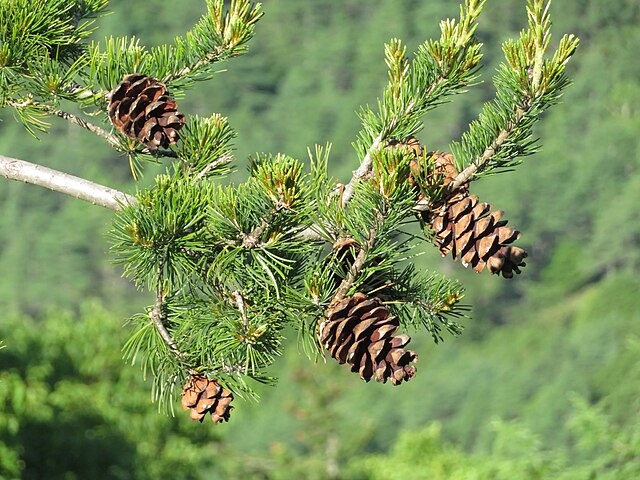
Japanese White Pine (Pinus parviflora)
Difficulty Level: ★★★ A quintessential display bonsai with refined form and dense, short needles. These trees receive high praise in bonsai exhibitions, but their care is particularly delicate among pine species.
Basic Care:
- Watering: Keep on the drier side. Even in summer, avoid overwatering. The principle is "water only when dry"
- Location: Year-round outdoor management. Good light and air circulation are critical
- Bud pinching: May new growth stripping is key to maintaining form. Pinch the extending candle-like shoots midway
- Repotting: Every 3–5 years, ideally in March. Minimize repotting frequency
Japanese White Pine roots are slow to recover from injury; severe root damage can be fatal. Use well-draining soil (primarily akadama and Kiryu sand) and absolutely avoid waterlogging. This is the secret to longevity.
Shimpaku Juniper (Juniperus procumbens subsp. nana)
Difficulty Level: ★★★ This species is striking for its dramatic contrast between deadwood (shari/jin) and living green foliage. The intricate, gnarled trunks create exceptional artistry and are featured prominently in top-tier exhibitions.
Basic Care:
- Watering: 1–2 times daily spring through summer. Prefers drier conditions but cannot tolerate complete drying
- Location: Year-round outdoor management. Sunlight is everything. Indoor management is absolutely forbidden
- Special care: Annual application of lime-sulfur fungicide to the shari/jin deadwood (approximately once per year)
- Repotting: Every 3–5 years, ideally around April
Shimpaku Junipers are finicky; once decline begins, it's often difficult to stop. Insufficient light is the primary enemy—trees weaken rapidly in shaded or semi-shaded locations. This species is best suited for growers who can provide abundant sunlight.
Species Selection Summary Table
| Species | Difficulty | Appeal | Best For |
|---|---|---|---|
| Choujoubai | ★☆☆ | Four seasons of flowers | Complete beginners |
| Black Pine | ★☆☆–★★☆ | Strong, powerful form | Those with outdoor space |
| Japanese Zelkova | ★★☆ | Brilliant fall color | Those who enjoy vigorous growth |
| Winged Euonymus | ★★☆ | Vivid crimson autumn display | Those seeking eye-catching fall color |
| Japanese White Pine | ★★★ | Refined, elegant form | Those wanting to deepen pine expertise |
| Shimpaku Juniper | ★★★ | Artistic deadwood and living contrast | Those aiming for advanced mastery |
Conclusion: Choose Your First Tree Based on Ease of Care
Bonsai care requirements vary dramatically by species. Starting with a difficult species, killing it, and losing interest in bonsai entirely would be a tremendous shame.
The ideal progression is to begin with either Choujoubai or Black Pine, spending 1–2 years developing your instincts for watering and pruning before moving to Japanese Zelkova and Winged Euonymus. Once you understand the pleasures of pine and cypress cultivation, then aim for Japanese White Pine and Shimpaku Juniper. This is the most reliable path to long-term, uninterrupted bonsai enjoyment.
Bonsai combines the joy of cultivation, the satisfaction of shaping, and the pleasure of viewing—making it a deeply rewarding hobby. Keep your first tree alive, and you'll inevitably want a second. Find a species that matches your lifestyle and start your bonsai journey today.
In recent years, online marketplaces where you can purchase directly from growers have proliferated. Being able to ask producers directly about growing conditions and pruning history is an invaluable resource for beginners.