Beginner Bonsai: Year-One Growing Schedule by Species
Beginner Bonsai: Year-One Growing Schedule by Species。How to Choose Beginner Bonsai and First-Year Goals For beginners starting bonsai cultivation, the first…
Key Takeaways
Beginner Bonsai: Year-One Growing Schedule by Species。How to Choose Beginner Bonsai and First-Year Goals For beginners starting bonsai cultivation, the first…
How to Choose Beginner Bonsai and First-Year Goals
For beginners starting bonsai cultivation, the first year is an extremely important period to master the fundamentals and establish proper growing habits. Different tree species, such as black pine and hinoki cypress, require distinct care approaches, and understanding these basics leads to long-term success.
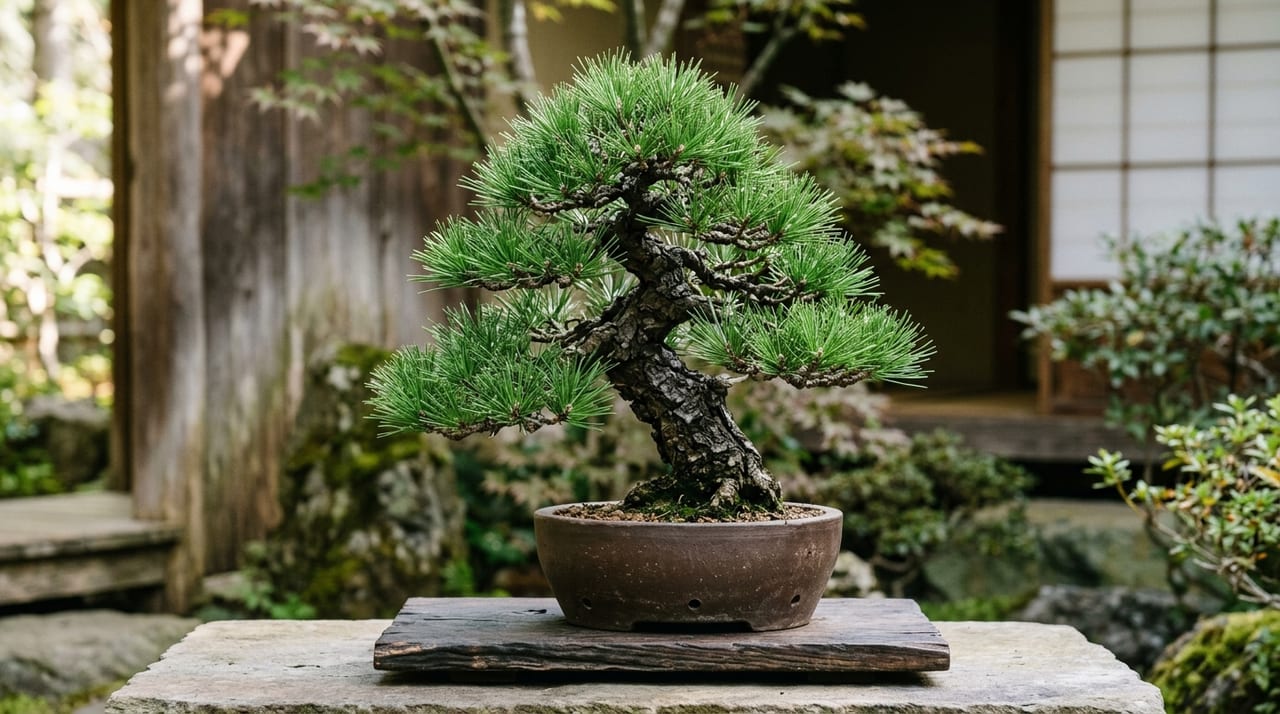
Black pine (Pinus thunbergii) is the recommended species for beginners. Black pine is hardy and forgiving of beginner mistakes, allowing you to develop an attractive specimen throughout the year. While hinoki cypress (Chamaecyparis obtusa) is also popular, its watering requirements are somewhat strict, so it's safer to wait until you've gained more experience before attempting it.
Year-One Monthly Care Schedule (Black Pine)
For black pine, spring (March–May) is when new shoots emerge. During this period, root growth is also active, and you need to prepare for pinching. Once new shoots begin to extend in April, perform "pinching" in mid-May to balance the branches.
Summer (June–August) is the season of most vigorous growth for black pine. Daily watering is essential, with irrigation twice daily (morning and evening) being the standard. Apply liquid fertilizer roughly twice per month to prevent nutrient deficiency. Unlike hinoki cypress, black pine thrives in direct sunlight, so shade cloth is unnecessary.
Fall (September–November) is the secondary flush period for black pine. From late September through October, perform pinching again to refine the branch tips. Reduce fertilization during this period to once monthly with liquid fertilizer. During the autumn rain season, adjust watering carefully to prevent root rot.
Winter (December–February) is the dormant period for black pine. Reduce watering frequency to about 2–3 times per week. Do not apply fertilizer and respect the root dormancy. However, if keeping the tree indoors with supplemental heat, mist daily to maintain relative humidity.
Species-Specific Tips: Hinoki Cypress and Deciduous Bonsai
Hinoki cypress requires stricter watering management than black pine. Its fine roots are prone to rot, yet the tree is also sensitive to drought—a contradictory trait. During the first year, learning watering timing is paramount, and daily observation is essential. In spring and fall, watering once in the morning is sufficient, but summer requires morning and evening irrigation.
Deciduous bonsai (such as zelkova and oak) are gaining attention as beginner-friendly species. Watering requirements are relatively forgiving, and fertilizer needs are modest, making them ideal for beginners to learn from mistakes. The first year is perfect for establishing fundamental habits: daily observation and recording changes.
Fundamental Techniques: Pinching and Pruning
Pinching is the most fundamental bonsai technique. For black pine, once new shoots reach 1.5–2 cm, pinch off the tip with your fingers. This action awakens lateral buds, causing branching to progress. Hinoki cypress follows the same principle, but pinching occurs earlier (around 1 cm).
Pruning differs from pinching—it involves cutting branches with pruning shears. During the first year, avoid heavy pruning and limit yourself to light shaping. During the secondary flush pinching period in fall, perform light pruning to balance the overall form, which establishes the basic tree shape.
Watering and Fertilizer Management
Ninety percent of bonsai success comes down to watering management. The basic rule is to water thoroughly until it drains from the pot's base when the soil surface dries. However, this judgment varies by species and season. While black pine is said to prefer drier conditions, insufficient watering during the growth period causes leaf tips to brown.
Fertilizer requirements vary greatly by species. Black pine appreciates feeding, while hinoki cypress is sensitive to it. A balanced approach combines chemical and organic fertilizers—applying liquid fertilizer twice monthly for chemical feeding and using solid organic fertilizer pellets as a base dressing.
First-Year Checklist
At the end of the first year, there are key items to assess: Has the basic tree shape been established? Have you avoided root rot? Have you prevented pest damage? If any of these three areas shows problems, plan improvements for year two.
Keeping daily observation notes makes management significantly easier in subsequent years. Record when you pinch, which branches you prune, when you fertilize, and your watering frequency—patterns in the tree's response will emerge. For beginners, the first year should maximize this "learning and recording" phase.
Supplement: Quality Management Checklist
Here is a quality management checklist for bonsai cultivation. Review these items during monthly maintenance.
- Overall plant health (are new leaves emerging normally?)
- Presence or absence of pests and diseases
- Soil drainage
- Signs of root rot
- Symptoms of nutrient deficiency
- Environmental conditions (temperature, humidity, light)
Regularly checking these items enables early detection and prevention of problems.
Practical Examples by Species
Showing practical management examples for black pine deepens beginner understanding. Taking a black pine purchased in March as an example: new shoots begin to emerge in April. At this point, examine the pot and check whether roots are potbound. If so, perform repotting.
Mid-May pinching is your first critical task. Once new shoots reach approximately 1.5 cm, pinch them off decisively. This action requires commitment and courage—hesitation prevents lateral buds from fully awakening, resulting in poor branching.
Pour your energy into watering during summer. Morning watering is mandatory, and check soil moisture in the evening. July and August bring intense transpiration, sometimes requiring two daily waterings.
Hinoki cypress demands finer management. Because its roots are thin and sensitive, watering timing must be even more precise than with black pine. Develop the habit of checking soil moisture at the same time each day to judge whether it is dry.
Pest and Disease Control
Pest damage is also a concern during the first year. Bonsai are compact trees with dense foliage where pests hide easily and damage spreads quickly. Aphids and spider mites regularly appear from spring through fall. Applying horticultural oil emulsion once monthly as a preventative minimizes damage.
Fungal diseases like anthracnose and powdery mildew thrive in high humidity. Risk peaks during the rainy season and autumn rain periods. Regular ventilation and removal of dead leaves are your best preventatives.
Evaluation at Year's End and Outlook for Year Two
After a year of care, assess how much your bonsai has progressed. Evaluate three areas: Has the tree shape begun to refine? Have new branches developed? Has vigor remained strong? If any area shows weakness, it becomes material for improvements in year two.
For beginners, the first year is not about perfection but about learning fundamentals and building routines. Once you've mastered the three habits—proper watering, appropriate fertilization, and regular observation—year two and beyond will bring dramatic progress. Bonsai cultivation is a long journey; steady, patient progress is the key to success.