[Beginner's Guide] How to Start Bonsai: A Complete Introduction
For beginners wanting to start bonsai. A complete guide covering how to choose tree species, basics of soil and pots, techniques for watering, fertilizing, pruning, and wiring, plus recommended beginner-friendly species like five-needle pine and Itoigawa shimpaku.
![[Beginner's Guide] How to Start Bonsai: A Complete Introduction](https://img.botachoku.com/column-images/bonsai-beginner-guide/hero-1778968633723.jpg)
Key Takeaways
For beginners wanting to start bonsai. A complete guide covering how to choose tree species, basics of soil and pots, techniques for watering, fertilizing, pruning, and wiring, plus recommended beginner-friendly species like five-needle pine and Itoigawa shimpaku.
Related Species
What is Bonsai? Its Culture, Appeal, and How to Enjoy It
Bonsai is a uniquely Japanese traditional culture that captures natural scenery and the passage of time within a small pot. Its origins lie in the Chinese "penjing," and after reaching Japan, it evolved by incorporating Japan's unique aesthetic sensibilities and spirituality. Known as a culture beloved by samurai and literati, it is today cherished by people of all ages, both domestically and internationally.
Many people may have the impression that bonsai is "difficult" or "time-consuming." While it's true that bonsai has immeasurable depth, beginners can still enjoy it fully by grasping the fundamentals. The quiet time spent watering each morning while observing the growth of new shoots brings a gentle richness to daily life. In this article, we'll explain the foundational knowledge necessary to start bonsai in an easy-to-understand way for beginners.
Choosing Tree Species: Start with Easy-to-Grow Trees
The first step in bonsai is choosing a tree species. The key to success for beginners is to start with hardy trees that are easy to manage. There are roughly three main categories:
Conifers (Shohaku-rui)
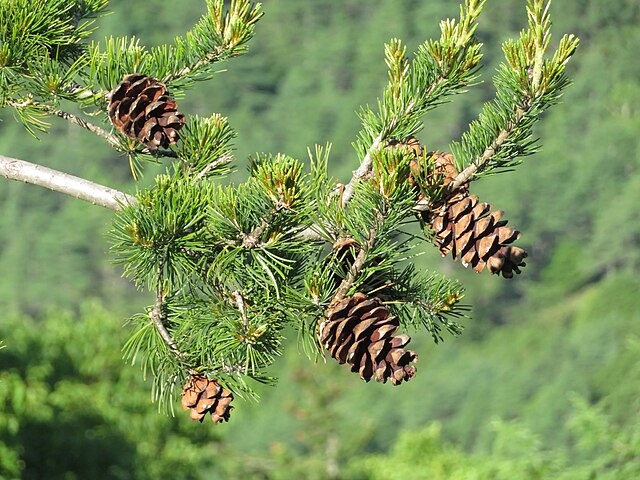
These are evergreens such as five-needle pine, black pine, and Itoigawa shimpaku. Since they don't lose their leaves year-round, you can enjoy their form regardless of season. They are characterized by sturdy trunks and delicate branching, creating an air of elegance befitting bonsai. Five-needle pine in particular has strong vitality and is relatively forgiving of management mistakes, making it popular with beginners.
Deciduous Trees (Zoki-rui)
These are deciduous trees such as Japanese maple, maple, and zelkova. Their greatest appeal is the ability to enjoy distinct seasonal expressions: fresh spring foliage, deep summer green, autumn colors, and bare winter branches. Japanese maple in particular grows relatively quickly, making it easy to see the results of your care, and it's also recommended for beginners.
Flowering and Fruiting Trees (Hanamoto/Mimono)
Examples include Chinese plum, plum, and miniature apple. The sight of small flowers and delicate fruit is a unique charm of bonsai. Chinese plum in particular produces small red flowers in spring and is popular as a gift due to the auspicious nature of its name.
Choosing Soil and Pots: The Foundation for Plant Health
In bonsai cultivation, the choice of soil and pot is a critical factor that influences plant health.
Soil Basics
Bonsai soil must strike a balance between good drainage and adequate water retention. Here's a general guideline for soil composition:
- Conifers: Akadama 5 : Kiryu sand 3 : Fuji sand 2
- Deciduous trees: Akadama 7 : Leaf mold 3
- Flowering/Fruiting: Akadama 6 : Leaf mold 3 : River sand 1
You can easily get started with commercially available "bonsai soil," but adjusting the mixture gradually to suit your tree species and growing environment will help develop healthier trees.
Pot Selection
Select pot size based on the balance between the tree's trunk thickness and height. Generally, the pot's width should be about two-thirds the tree's height. Ceramic is the primary material, available as glazed pots and unglazed (mud) pots. The subdued finish of unglazed pots complements conifers well, while colorful glazed pots often showcase flowering and deciduous trees beautifully.
Watering and Fertilizing: Nurturing Your Tree Through Daily Care
Watering Basics
Watering is the most important and deepest aspect of bonsai care. There's even a saying "it takes three years to master watering," reflecting how long it takes to develop this skill.
- Basic timing: When the soil surface turns white and dry, water thoroughly
- Method: Apply water in 2–3 passes with a watering can until it flows from the pot's drainage holes
- Summer: High temperatures cause faster drying, so water twice daily (morning and evening). On days with intense direct sun, misting leaves is also effective
- Winter: Lower transpiration means slower drying, so reduce watering frequency. However, never let the soil dry completely
Both overwatering and underwatering damage trees. The most important habit is checking the soil condition each morning.
About Fertilizer
Since bonsai grows in a limited volume of soil, proper fertilization is essential. The most common method is "top dressing"—placing solid organic fertilizer (such as oil cake) at the pot's edge, primarily during the spring growth period and autumn maturation period. Pay attention to the balance of nitrogen, phosphorus, and potassium, and be careful not to over-fertilize.
Pruning and Wiring: The Art of Shaping
Purpose and Timing of Pruning
Pruning is the process of removing unnecessary branches and refining the tree's form.
- Deciduous trees: The dormant period after leaf fall (roughly November to February) is ideal, as the overall shape is easier to see and work with
- Evergreens: Spring before new growth begins, or autumn when growth has slowed, are good times
As a basic rule, prioritize removing upward-facing, inward-facing, and crossing branches while retaining outward-growing branches and buds to achieve a natural, spreading form.
Wiring Basics
Wiring is the technique of wrapping wire around branches to correct their direction and angle. While essential to bonsai shaping, beginners should start with aluminum wire, which is easier to work with.
- Select wire that matches the branch thickness (roughly one-third the branch diameter)
- Wrap at a 45–60 degree angle as a rule
- Always remove the wire before it cuts into the branch. Leaving it causes permanent scars
Don't worry if your first attempts look awkward. With practice, you'll develop a feel for it.
GrowerDirect's Safety and Reliability
When purchasing bonsai, choosing where to buy directly impacts quality and peace of mind. GrowerDirect is a platform that directly connects growers and producers with buyers, offering the following features:
Purchase Directly from Producers
On GrowerDirect, you can purchase directly from the producers and artisans who cultivate bonsai. By eliminating middlemen, you get high-quality trees at fair prices. You can also easily understand the care history of each tree, giving you peace of mind even when selecting your first bonsai.
Wide Selection from Finished to Raw Material
You can choose from fully finished bonsai shaped by experts over years to raw material plants where you can develop the form from scratch. This allows selection based on your goals and skill level. Beginners can opt for easy-to-manage finished pieces, while more advanced enthusiasts can enjoy the challenge of selecting raw material.
Consult Directly with Producers on Care
A major advantage is being able to ask the producer questions about care methods directly—such as watering frequency or pruning timing after purchase. Since bonsai care varies by variety and regional climate, having access to expert advice is especially reassuring support for beginners.
Meeting a bonsai is also meeting the producer who has carefully cultivated it. Through GrowerDirect, find the perfect tree for you.