How to Create a Carnivorous Plant Terrarium | Tips for Humidity Management and Layout
Learn how to grow carnivorous plants in a terrarium. We explain how to choose between closed and open types, soil mixes of sphagnum moss and kanuma soil, LED lighting selection, and humidity management tips suited for Nepenthes and Cephalotus.
Key Takeaways
Learn how to grow carnivorous plants in a terrarium. We explain how to choose between closed and open types, soil mixes of sphagnum moss and kanuma soil, LED lighting selection, and humidity management tips suited for Nepenthes and Cephalotus.
Related Species
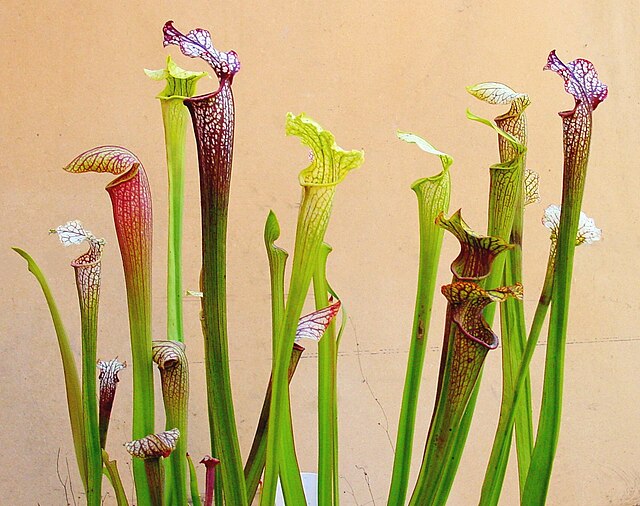
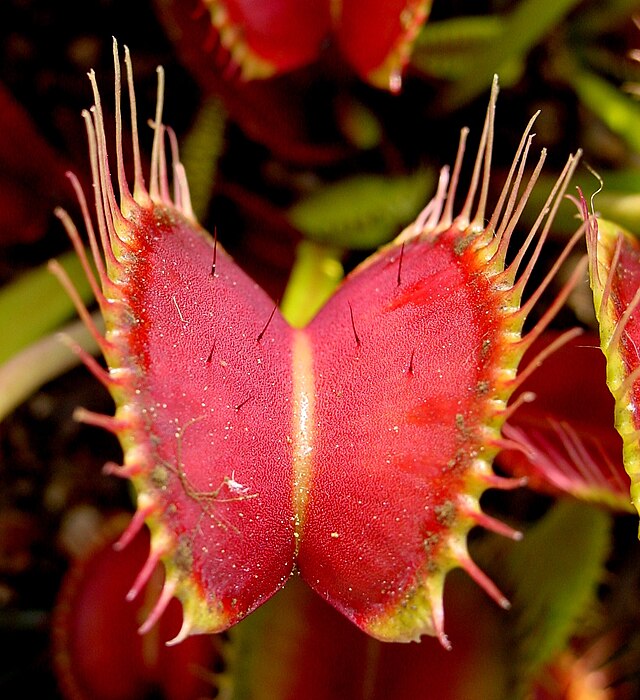
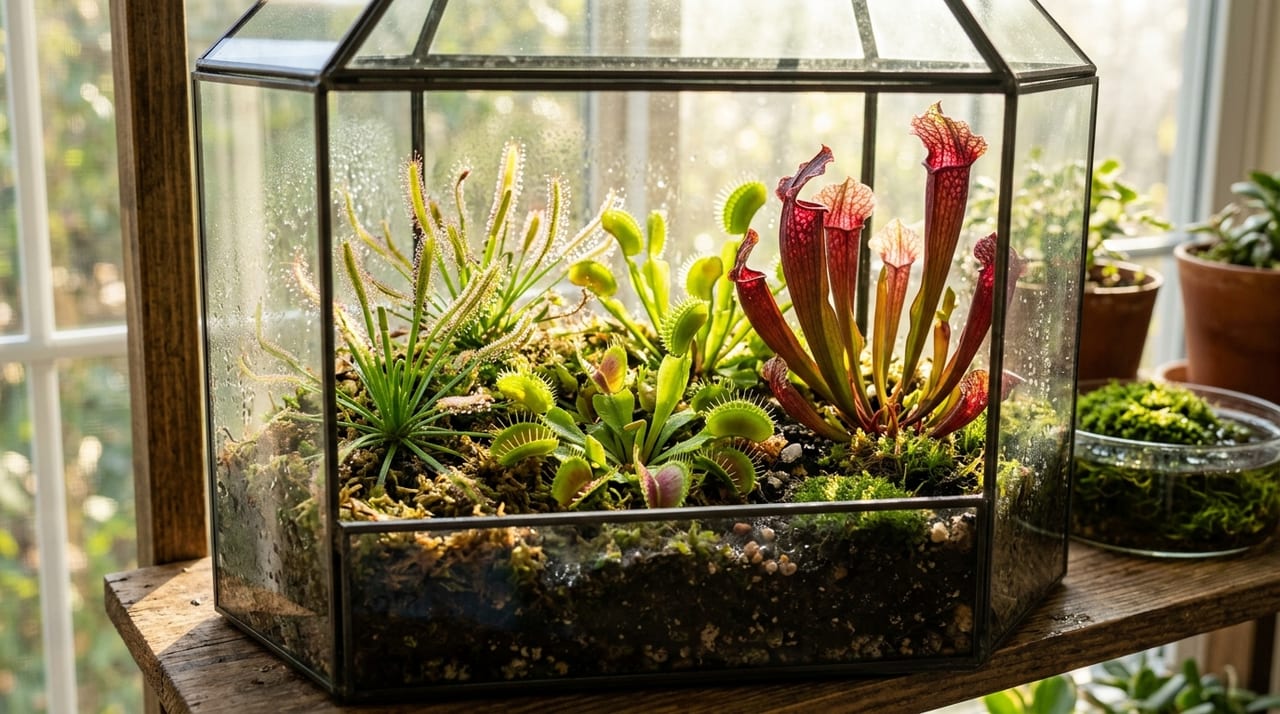
When you grow carnivorous plants in a terrarium, you can create a unique ecosystem within a small glass container. The landscape formed by plants that have evolved the distinctive ability to trap insects, combined with moss and layout materials, is highly popular as interior decoration.
However, carnivorous plants vary greatly in their required temperature, humidity, and light intensity depending on species. Choosing the wrong terrarium type or soil mix can cause them to wilt quickly. This article provides detailed explanations from the basics of terrarium creation to layout examples by species and management tips.
Differences Between Closed and Open Terrariums and How to Choose
Terrariums are divided into two main types: "closed (sealed)" and "open" styles. Which one you choose depends on the carnivorous plant species you want to grow and its native environment.
Closed Terrariums
By securely sealing the glass container, you can maintain interior humidity at nearly 100%. The water that transpires inside the container circulates within it, dramatically reducing watering frequency—the biggest advantage. This style is easy to manage and suitable for busy people or beginners unfamiliar with plant care.
Suitable species include Cephalotus and Drosera rotundifolia, which prefer high humidity. However, sealed conditions can restrict airflow and increase the risk of mold. Develop a habit of opening the lid several times per month to ventilate and introduce fresh air into the container.
Open Terrariums
This style uses a container without a lid or with ventilation holes. Air circulation helps prevent root rot and mold. It is well-suited for species like Nepenthes (pitcher plants) that prefer air movement, especially highland species (those from altitudes above 1,000m).
Highland species prefer a day-night temperature difference of about 10°C; sealing them would eliminate this temperature fluctuation. Open terrariums naturally capture room temperature changes, making management easier. However, water evaporates quickly—especially in summer—so be prepared for increased watering frequency.
How to Choose Soil and Soil Mix Recipes
The most important factor in choosing soil for carnivorous plants is that it must be extremely low in nutrients. Organic and chemical fertilizers contained in typical houseplant potting soil damage roots and can cause death. Combine the following materials:
- Sphagnum moss: High water retention and maintains weak acidity. Using live sphagnum moss further improves aeration and drainage, allowing long-term use. It works well both alone and mixed with other materials.
- Kanuma soil: A porous, weakly acidic volcanic soil excellent in aeration and drainage. While it can be used alone, it is typically mixed 1:1 with sphagnum moss.
- Perlite: An inorganic, expanded volcanic glass. Mixed in to improve aeration and drainage. Rarely used alone; combining with other materials is standard practice.
- Peat moss: A strongly acidic material (pH 3–4) with high water retention. Mixing with kanuma soil creates an acidic environment suited to Drosera.
Recommended Mixes by Species
| Plant | Recommended Mix |
|---|---|
| Venus Flytrap, Sarracenia | Kanuma soil : Perlite = 1:1 |
| Cephalotus | Sphagnum moss : Kanuma soil = 1:1 (perlite drainage layer at base) |
| Sundew | Sphagnum moss alone, or Peat moss : Perlite = 1:1 |
| Nepenthes (Lowland) | Kanuma soil : Perlite : Sphagnum moss = 2:1:1 |
How to Choose and Install LED Lighting
If your environment allows placement near a window, natural light is ideal. However, in seasons with short daylight or in rooms with poor sunlight, grow lights for plants are extremely effective.
Carnivorous plants generally require approximately 12–16 hours of light per day. Using a timer outlet allows you to automatically manage exposure time, preventing insufficient light and overexposure. Adjust the distance from the light source to the plant's leaf surface to approximately 15–30cm, being careful to avoid leaf burn.
If light coverage is uneven, one side of the container may grow disproportionately. Combining multiple LEDs or rotating the container periodically creates more uniform lighting. A color temperature of 5,000–6,500K (cool white to daylight) is ideal for plant growth.
Layout Examples by Species
Open Terrarium Layout for Nepenthes (Pitcher Plants)
Use an open aquarium-style tank of 45cm or larger, laying kanuma soil and perlite (1:1) 3–5cm deep at the base. Trailing varieties look especially natural and attractive when affixed to cork bark or driftwood. A popular arrangement involves suspending the pot, allowing the pitchers to hang gracefully.
Closed Terrarium Layout for Cephalotus
A small- to medium-sized closed container is appropriate. Create a drainage layer by laying 2cm of perlite at the base, then add sphagnum moss and kanuma soil (1:1) approximately 5cm thick above. Maintain humidity at approximately 70–90%, and ventilate by opening the lid 2–3 times per month. This species grows very slowly, rewarding patient cultivation over years.
Layout for Sundew
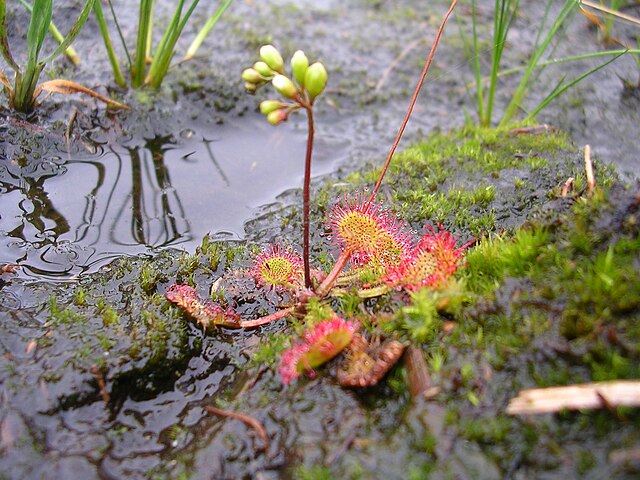
A relatively easy-to-grow species that adapts to either closed or open styles. The basic management style uses water tray management—filling the container base with purified or rainwater and directly submerging the soil. Use sphagnum moss alone or peat moss and perlite (1:1). Observing the plant's sticky secretions trap insects is endlessly fascinating.
Essential Rules for Terrarium Management
These principles are universally important regardless of which species you cultivate:
- Always use purified, rainwater, or distilled water: Calcium, chlorine, and minerals in tap water accumulate over time, shifting soil pH and damaging roots.
- Fertilizer is generally unnecessary: Carnivorous plants obtain nutrients by trapping insects; applying fertilizer weakens them instead. If you must fertilize, dilute liquid fertilizer to 1/10 the recommended strength and apply as a foliar spray only.
- Address mold promptly: Closed terrariums are especially prone to mold. If spotted, remove affected areas and increase ventilation frequency. Fungicides can also damage the plant; if used, select a product suitable for carnivorous plants and apply minimally.
- Repot during the growing season (spring to early summer): Avoid repotting during sensitive periods (peak summer, winter) when roots are easily damaged. Spring through early summer, when plants grow actively, is best.
Managing Humidity, Ventilation, and Watering
Appropriate Humidity Levels
The optimal humidity for a carnivorous plant terrarium is 60–80%. Complete sealing can result in humidity near 100%, promoting mold and decay, so caution is necessary.
- Terrarium cases with ventilation holes naturally regulate humidity
- With glass aquariums, don't seal the lid completely; leave a gap of several centimeters, or ventilate at least once daily
- In dry winter environments, a small humidifier (terrarium type) placed inside the container is an option
Watering Tips
Use purified water, rainwater, or RO water when watering carnivorous plants. Chlorine and calcium in tap water can damage roots over time.
- Water tray management (keeping water constantly in a tray beneath the container) is effective for most species, keeping sphagnum moss consistently moist
- Misting water on container walls and plant leaves also provides moisture to the pitchers
- Ideal practice: supplement water when the moss surface feels slightly dry, being careful not to overwater
GrowerDirect's Safety and Reliability System
Many rare carnivorous plant species are hardly ever found in general garden centers. Cephalotus, highland Nepenthes, and Japanese native Drosera are best sourced from specialist growers who have cultivated and maintained them for many years.
GrowerDirect lets you buy carnivorous plants directly from specialist growers. Since sellers are the growers themselves, you can ask specific questions before purchase: "What soil was it grown in?" "How much sunlight does it need?" "Is it suitable for terrarium cultivation?" This direct connection is invaluable.
Additionally, GrowerDirect operates on a complete success-based fee model; growers pay no listing fees. As a result, high-quality stock is offered at reasonable prices. Whether seeking rare species or quality plants from trustworthy growers, GrowerDirect is your ideal marketplace.