Caudex Plant Soil Selection Guide | Soil Mix & Management to Prevent Root Rot
Explains soil composition suitable for caudex plants and management methods to prevent root rot. Introduces blend ratios for pumice, Hyuga soil, and akadama soil, pot material selection, and root handling during repotting.
Key Takeaways
Explains soil composition suitable for caudex plants and management methods to prevent root rot. Introduces blend ratios for pumice, Hyuga soil, and akadama soil, pot material selection, and root handling during repotting.
Related Species
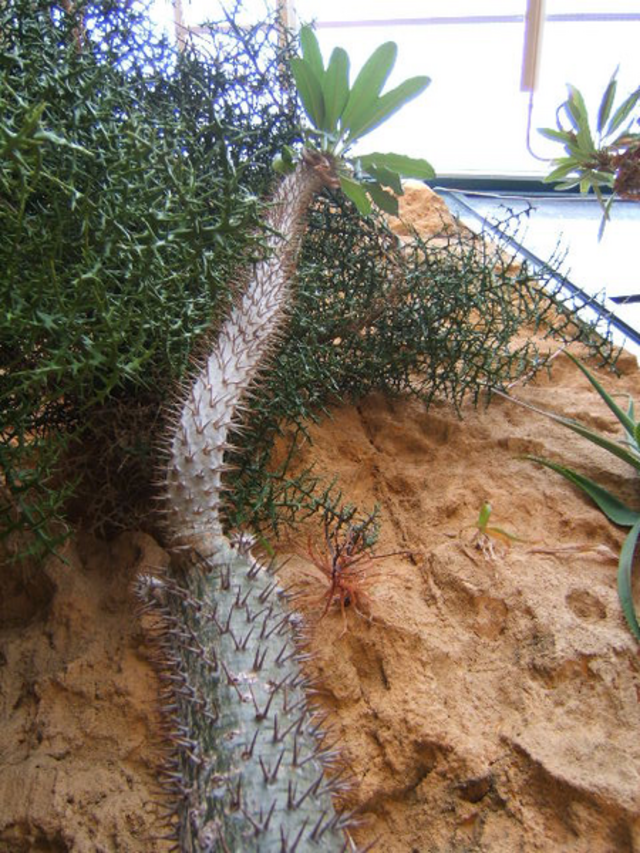
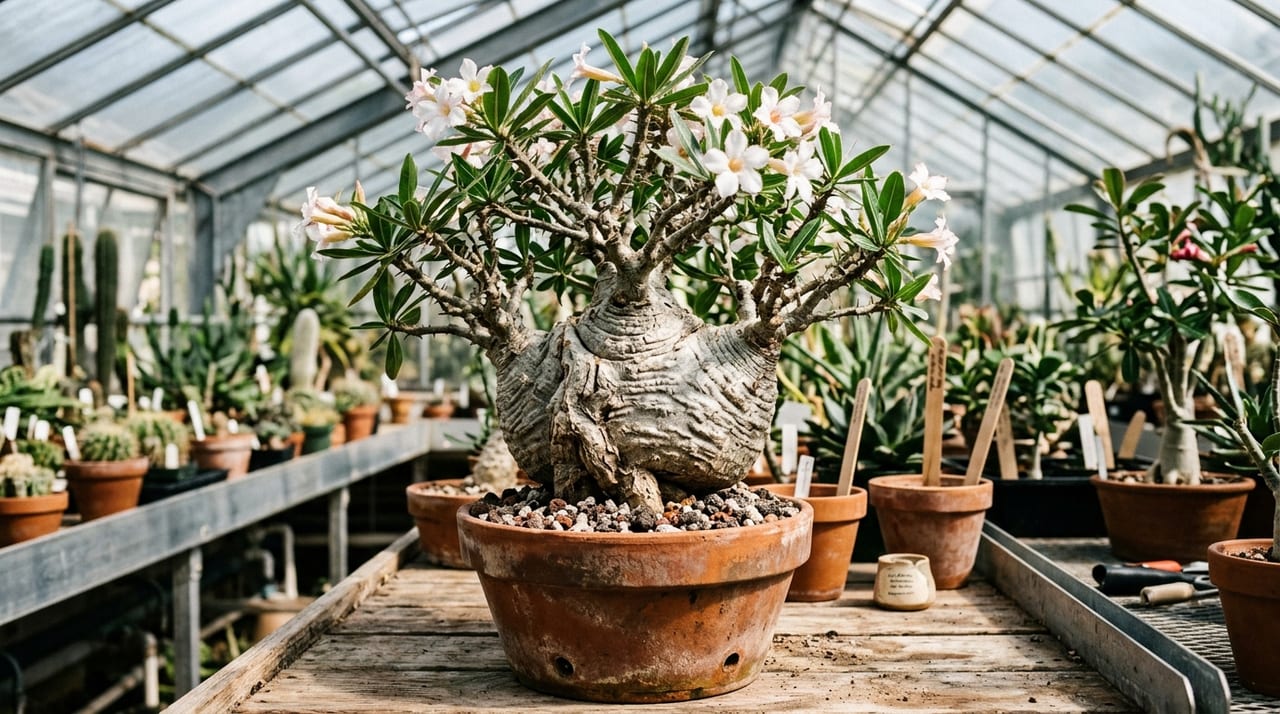
The most common failure in caudex plant cultivation is "root rot." Popular species such as Pachypodium, Adenium, and Dioscorea originate from extremely arid regions in Africa, Madagascar, and South America. In their natural habitat, they develop roots in poor, gravelly soil and grow in environments with distinct rainy and dry seasons. Standard Japanese horticultural soil is far removed from these conditions, and using it as-is keeps roots constantly moist, causing rot.
To help beginners who wonder "what soil should I use," this guide systematically explains soil materials, recommended blend ratios by species, pot selection, and repotting tips.
4 Essential Conditions for Caudex Plant Soil
Understanding soil selection criteria makes it easier to choose commercial products or create your own blend.
- High drainage: Water drains immediately after watering, keeping roots from staying submerged for long periods.
- Moderate water retention: Slight moisture retention is better than completely dry soil, as complete dryness stresses the plant.
- Aeration: Roots need oxygen as much as water. Granular materials with plenty of gaps support root respiration.
- Low nutrients: Excessive fertilizer promotes excessive root growth, triggering stretching and root rot. Small amounts of slow-release fertilizer during growing season is sufficient.
To meet these four conditions, blending multiple materials rather than using a single soil is fundamental to caudex plant cultivation.
Key Soil Materials and Their Characteristics
Familiarize yourself with materials available at garden centers and nurseries. Understanding each material's properties makes it easier to adjust your mix to your environment.
Pumice (Hyuga Soil)
The most essential base material for caudex plant soil. Crushed volcanic rock with porous granules excels in drainage and aeration. Use small to medium granules, typically comprising 40–60% of the total mix. Hyuga soil is domestic pumice that's affordable and readily available, making it ideal for cost-conscious growers.
Akadama Soil
A standard domestic material balancing water retention and drainage. Single use retains too much water, so combine with pumice. Choosing small granules promotes better root development, allowing fine root growth throughout. Granules break down over time and clog, so replace with fresh soil at each repotting.
Kanuma Soil
Slightly acidic (pH 4–5). High drainage makes it compatible with Pachypodium. More durable than akadama soil, maintaining soil structure longer even with extended use.
River Sand / Kiryu Sand
Fills tiny gaps while boosting drainage. Commonly used for species preferring extreme dryness, such as Bursera and Cyphostemma.
Commercial Succulent & Cactus Potting Soil
Pre-blended soil sold by various manufacturers works alone for caudex plants. However, adding 20–30% pumice further improves drainage and increases confidence. For beginners starting out, this method is convenient and recommended.
Recommended Soil Blend Recipes by Species
The optimal blend varies depending on the species' native climate and growing season (summer or winter growing). Adjust these recommendations to match the plants you grow.
| Species | Recommended Mix | Notes |
|---|---|---|
| Pachypodium | Pumice 5 : Akadama 3 : Leaf mold 2 or Pumice 6 : Kanuma 4 | Summer grower, sensitive to excessive moisture. Prioritize drainage |
| Adenium | Pumice 4 : Akadama 4 : Leaf mold 2 | Summer grower. Moderate water retention adds stability |
| Dioscorea (winter type) | Pumice 5 : Akadama 5 | Winter grower. Particularly sensitive to excess moisture during growing season |
| Bursera / Cyphostemma | Pumice 7 : River sand 3 | Extreme-drought adapted. Maximize drainage to the extreme |
| Operculicarya | Pumice 5 : Akadama 3 : Kanuma 2 | Vigorous root growth. Larger granules recommended ◎ |
For first-time growers, starting with the universal blend "Pumice 5 : Akadama 3 : Leaf mold 2" accommodates most species and minimizes failure.
Pot Selection and the Importance of Drainage Holes
Like soil, pot selection is crucial to preventing root rot.
Terracotta / Clay Pots (Most Recommended)
Water evaporates through pot walls, ensuring aeration. Especially during rainy seasons or humid indoor conditions, terracotta pots provide peace of mind. Note that rapid drying requires attention to prevent water stress during hot summers.
Plastic Pots
Lightweight and easy to handle, but moisture accumulates inside. When using plastic pots, water less frequently than with terracotta to compensate.
Drainage Holes Are Essential
Pots without drainage are unsuitable for caudex plants. Even with highly draining soil, roots become waterlogged without a water escape route. For pots with small drainage holes, use pot shards (coarsely layered pumice) to prevent clogging.
Repotting Timing and Procedure
Best Repotting Season
Early spring (March–May) before growth resumes is ideal. As temperatures rise, root recovery capacity increases. For winter-growing species, fall (September–October) is the recommended season.
When to Repot
- Every 2–3 years into a slightly larger pot
- When roots protrude from drainage holes, address promptly
- When soil deteriorates and drainage declines noticeably
Post-Repotting Care
Immediately after repotting, roots are damaged, so hold off watering for 1–2 weeks to let them dry before resuming. Keep in bright, indirect light and gradually return to normal conditions.
GrowerDirect's Safe and Reliable System
In the caudex plant category, specialist growers growing caudex plants sell healthy specimens maintained in optimal soil and environment directly to you.
GrowerDirect features a messaging function with growers, allowing you to confirm specific care information before purchase: "What soil mix do you use?" and "When did you last repot?" Knowing the soil composition makes it easier to recreate the same environment when your plant arrives, minimizing stress from environmental change.
Receiving specimens and knowledge simultaneously from experienced growers is GrowerDirect's unique advantage. Even first-time caudex plant growers can start with confidence in a supportive environment.