Caudex Plants: A Guide to Distinguishing Genuine Stock | Differences Between Seed-Grown, Wild-Collected, and Grafted Plants
Explains the differences between seed-grown caudex plants, wild-collected specimens, and grafted plants. Covers characteristics, identification methods, pros and cons, typical pricing, and purchasing precautions.
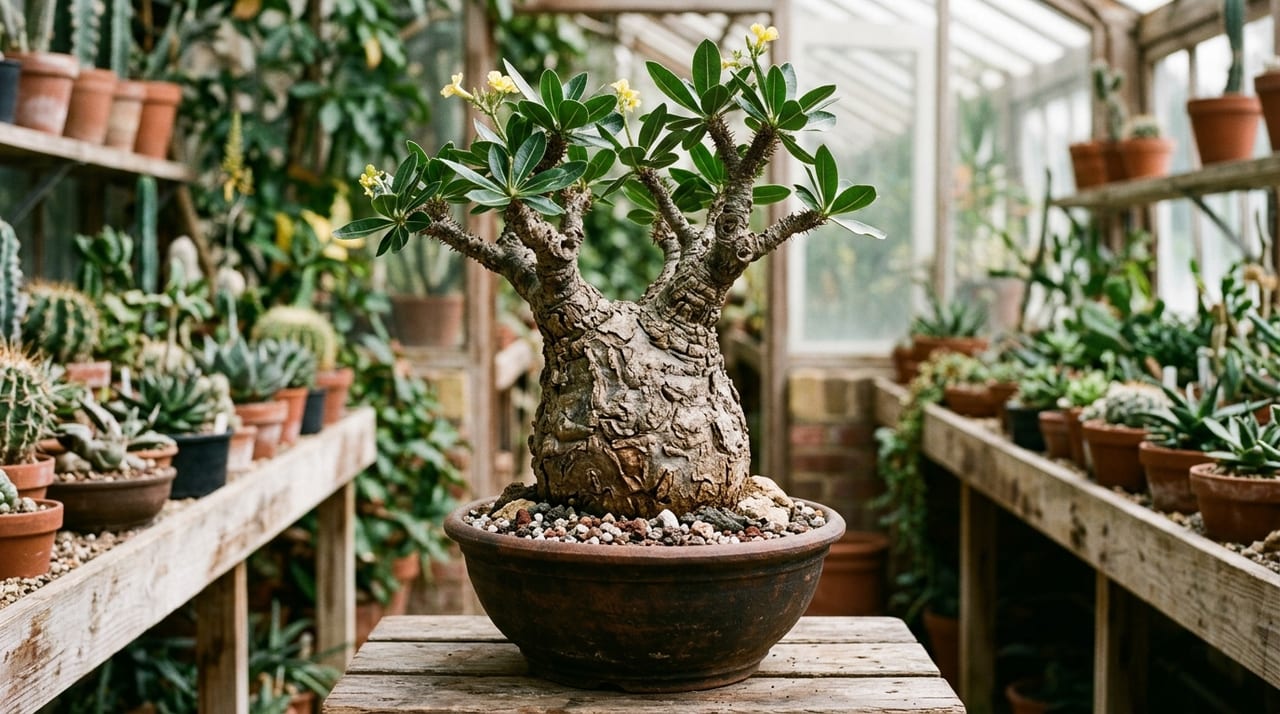
Key Takeaways
Explains the differences between seed-grown caudex plants, wild-collected specimens, and grafted plants. Covers characteristics, identification methods, pros and cons, typical pricing, and purchasing precautions.
Related Species
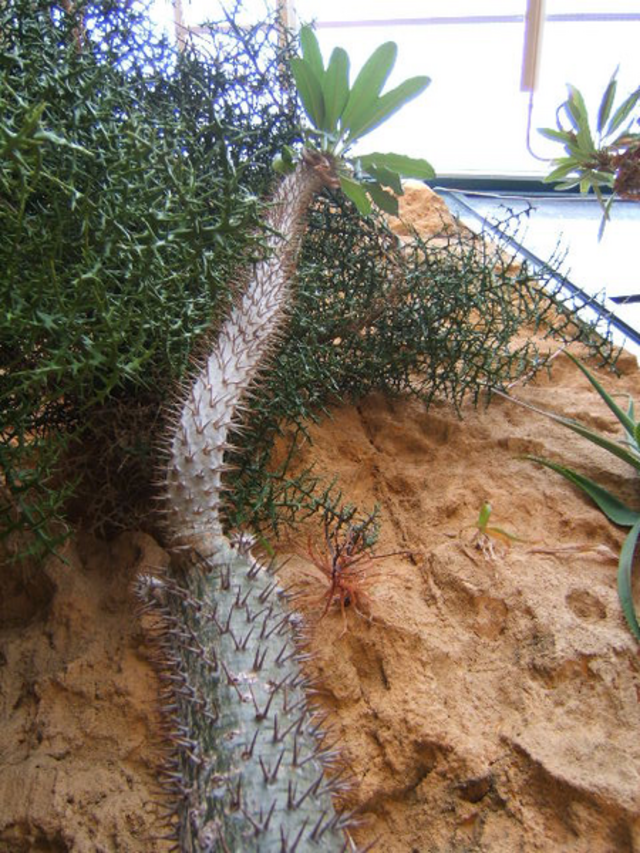
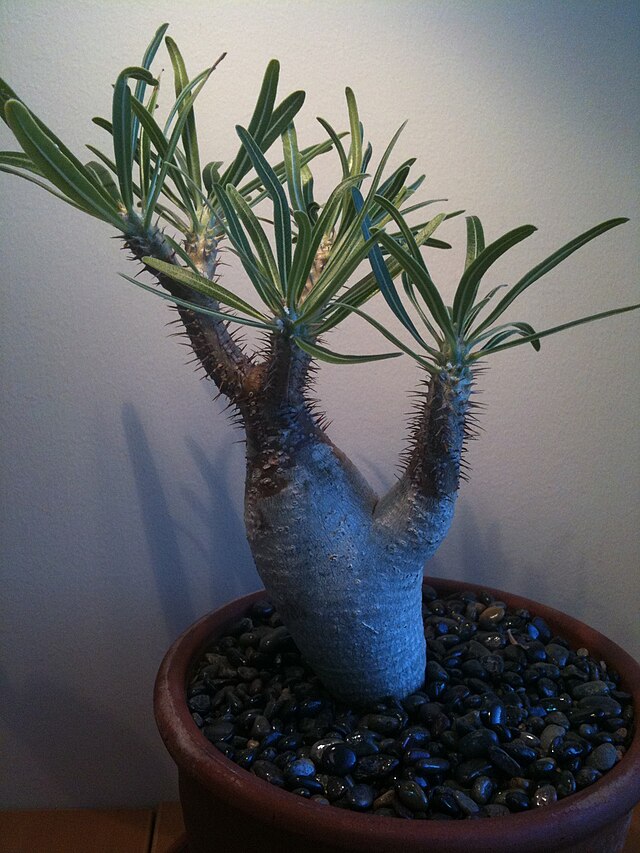
As caudex plants grow in popularity, the plant's provenance—whether seed-grown, wild-collected, or grafted—has become a crucial factor in choosing which to purchase. Understanding each type's characteristics and selecting stock that matches your goals leads to a satisfying purchase. This article explains the different types of caudex plants and how to distinguish them.
What Are Seed-Grown Plants?
Seed-grown plants are specimens raised from seed domestically. Growers sow the seed and nurture it from germination, with the plant growing from the start in Japan's climate.
Advantages of Seed-Grown Plants
- Rooted and reliable: Because they are grown from seed, roots are well-established from the start. Unlike wild-collected plants, there is no risk of un-rooted stock
- Adapted to Japan's climate: Having grown in Japan's environment from the beginning, they are accustomed to seasonal changes
- The joy of growth: You can enjoy the process of nurturing a small seedling into a large specimen. You can watch the plant's shape change year by year
- Clear provenance: The grower's history of collecting seed from parent stock and raising the plant is documented, ensuring high varietal reliability
- Lower environmental impact: Because they are not collected from nature, they help protect the plant's native habitat
Disadvantages of Seed-Grown Plants
- Large variation in form: Plants grown from seed vary individually in shape. Your plant may not develop the form you prefer
- Takes time to reach specimen size: In the case of Pachypodium gracilis, it can take 5–10 years or more to reach an impressive size
- Lacks the wild character of wild-collected plants: Plants grown in Japanese greenhouses rarely develop the rugged character seen in wild-collected specimens
How to Identify Seed-grown plants typically have a relatively uniform-shaped caudex at the base with evenly distributed spines on the stem. The plant is often relatively small in comparison to the pot.
What Are Wild-Collected Plants?
Wild-collected plants are specimens that grew naturally in their native habitat—Madagascar, Africa, and elsewhere—and were then harvested and imported. They are also called "wild specimens."
Advantages of Wild-Collected Plants
- Commanding presence: The unique form and character that develops over decades in nature possess an impact that seed-grown plants cannot achieve
- Instant gratification: You acquire a large mature specimen at purchase and can enjoy it as décor immediately
- Rare and collectible: Some species have restricted imports under CITES (Convention on International Trade in Endangered Species), making them highly sought after
Disadvantages of Wild-Collected Plants
- Risk of failed rooting: Roots are typically cut during import, requiring you to re-root the plant in Japan. Failure to re-root will kill the specimen
- Environmental adaptation: Because the plant's native climate differs significantly from Japan's, acclimation can be slow
- Higher mortality risk: Transport damage and rooting failures pose a far greater risk of death than with seed-grown stock
- Expensive: Large wild-collected specimens can cost hundreds of thousands of yen or more
- Environmental concerns: Over-harvesting threatens the ecosystems of native habitats
How to Identify Wild-collected plants show characteristic wrinkles and irregularities in the caudex, with visible scars and dents that speak to harsh natural conditions. You may see cut roots. The stems often have worn or irregularly distributed spines.
What Are Grafted Plants?
Grafted plants are specimens created by joining a desired variety onto fast-growing rootstock. With caudex plants, this technique is sometimes used to accelerate the growth of seed-grown material.
Advantages of Grafting
- Rapid growth: The rootstock's vigor allows the plant to grow several times faster than normal
- May be more robust: Grafting a tender variety onto hardy rootstock can make cultivation easier
Disadvantages of Grafting
- Visible graft union: An unnatural bulge or step appears at the junction between rootstock and scion
- Distorted caudex shape: Rootstock influence can warp the caudex's form
- May be less valued: Collectors typically prefer own-rooted plants (those grown on their own roots)
How to Identify Grafted plants show a clear graft union somewhere along the stem. The upper and lower portions differ noticeably in stem thickness, texture, and spine pattern. Sales listings should explicitly state "grafted," but if not, carefully examine the entire stem.
Checklist When Purchasing
When Buying Seed-Grown Plants
- Confirm the sowing date (how many years old)
- Information about the parent plant is a bonus
- Check that roots are well-established (lift the pot—is it stable?)
- Verify that the cultivar name is accurate
When Buying Wild-Collected Plants
- Always confirm whether the plant is rooted or un-rooted. For beginners, rooted plants are strongly recommended
- Verify that CITES (Convention on International Trade in Endangered Species) documentation is present—proof of legal import
- Gently press the caudex to check firmness. Softness may indicate internal rot
- Inspect the stem and caudex for major damage or rot
Typical Pricing Seed-grown plants vary by cultivar and size, but expect ¥1,000–¥3,000 for one-year-old seedlings and ¥5,000–¥30,000 for three- to five-year-old plants. Wild-collected specimens start at tens of thousands of yen even for small sizes, and large specimens often exceed hundreds of thousands. If a price is significantly below market, suspect hidden problems.
Advice for Beginners
For first-time caudex plant buyers, we recommend rooted seed-grown specimens. They are reasonably priced, have no rooting concerns, and are already acclimated to Japan's climate, making them easy to manage. Growing from a small seedling is also a major part of the caudex-collecting experience. Wild-collected plants can wait until you have more cultivation experience.
Frequently Asked Questions and Practical Tips
Q. Can you tell wild-collected and seed-grown plants apart by appearance? A. In most cases, yes. Wild-collected plants have coarse skin with visible scars and natural irregularities because they swelled over years in their native habitat. Seed-grown plants have smoother skin with a gradual transition from base to stem. However, wild-collected plants grown long-term in Japan may have less pronounced surface features, so consulting the seller is the most reliable way to confirm.
Q. Should I avoid grafted plants? A. Not at all. Grafted plants have clear advantages—faster growth and better flowering. The issue arises when a graft is concealed and the plant is sold at a seed-grown price. The union typically shows as a color or thickness change near the base, so ask for photos of the base before buying.
Q. How can I confirm if a plant is rooted? A. The most reliable test is lifting the pot—if the plant doesn't shift when you gently pull it, it is rooted. For online purchases, request a photo of the roots after removing the plant from its pot, or a video showing the leaves firming up after watering. The note "rooting managed" alone does not tell you when rooting occurred.
Find Trustworthy Caudex Plants on GrowerDirect
GrowerDirect lets you purchase caudex plants from specialist growers who have carefully nurtured them from seed in Japan. Plant provenance is clear, and you can trust the accuracy of cultivar names. Because you can ask growers directly about rooting methods and post-purchase care, you can start your caudex collection with confidence.