Import Guide for Caudex Plants | Customs Procedures and How to Find Reliable Suppliers
Explains the procedures for importing caudex plants internationally (for individuals and businesses). This guide provides practical information on CITES application, plant quarantine procedures, differences between personal and commercial imports, and how to find reliable overseas growers and suppliers.
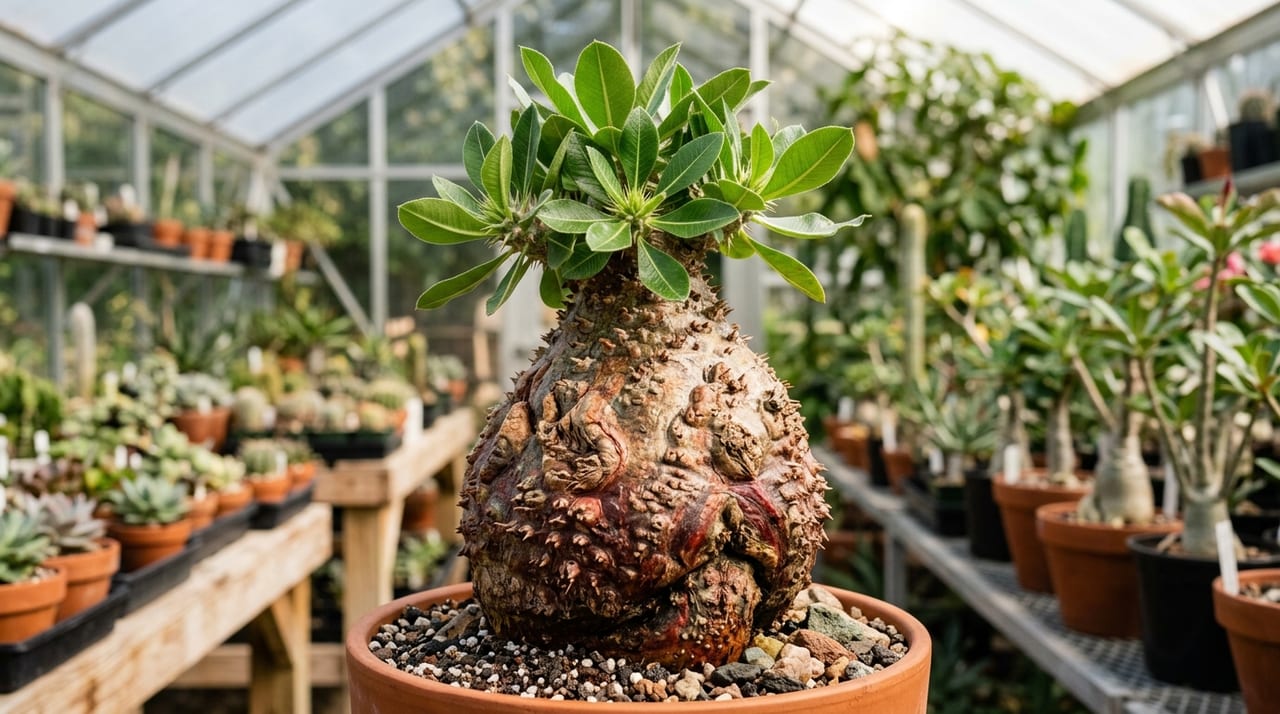
Key Takeaways
Explains the procedures for importing caudex plants internationally (for individuals and businesses). This guide provides practical information on CITES application, plant quarantine procedures, differences between personal and commercial imports, and how to find reliable overseas growers and suppliers.
Related Species
Why Overseas Sourcing Is Necessary
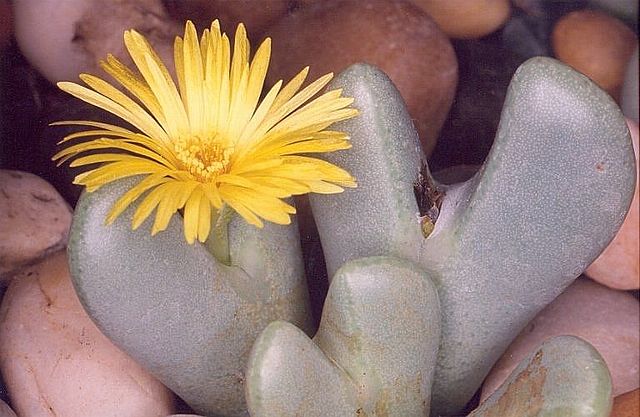
Japan's caudex plant market has grown rapidly in recent years, but when seeking certain rare species or high-quality specimens, cases where they cannot be found on the domestic market are increasingly common. In particular, premium Madagascar Pachypodium lineages, undistributed South African Conophytum species, and original Mexican Agave lines can be sourced directly from local growers, securing specimens with fullness, coloration, and size not seen in domestic resale stock at fair prices. Guidelines for assessing quality domestically are also summarized in Caudex Plant Buying Guide, and understanding domestic market prices alongside import options makes decision-making easier.
Overseas auctions and SNS sales also offer the advantage of acquiring specimens before they arrive in Japan. It is not uncommon for specimens priced as "rare items" domestically to circulate at standard prices in their countries of origin. However, international plant imports involve complex interactions of multiple regulations including the "Washington Convention (CITES)," "Plant Protection Law," and "tariffs." Imports without proper procedures constitute legal violations, so it is essential to acquire systematic knowledge before beginning.
Confirming the Washington Convention (CITES) and Preparing Documentation
Many caudex plants are listed in the appendices of CITES (Convention on International Trade in Endangered Species of Wild Fauna and Flora), and documentation is required for commercial transactions.
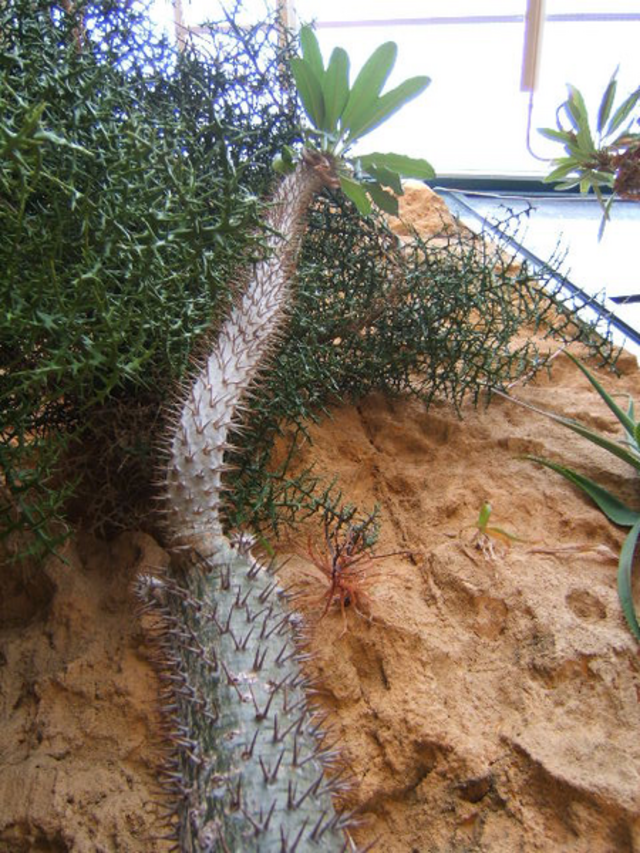
- Pachypodium genus: Appendix II (export permit from the exporting country's CITES management authority is mandatory). However, four species—ambongense, baronii, decary, and winzorii—are listed in Appendix I.
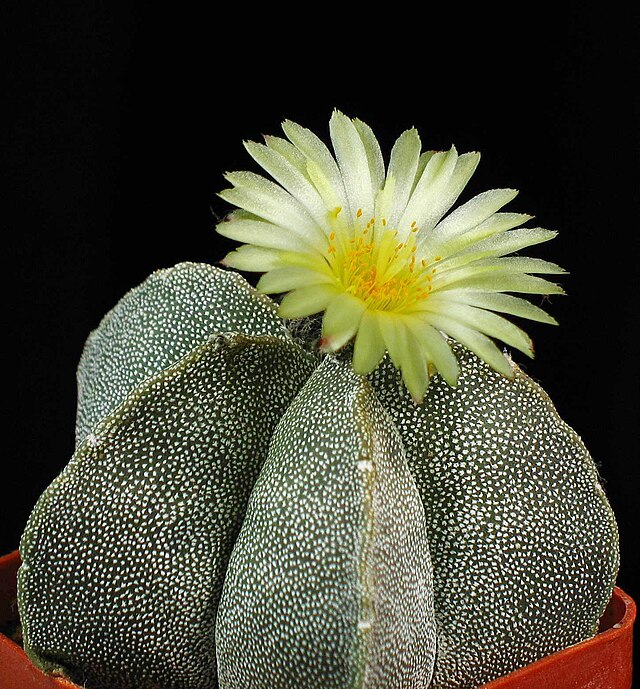
- Cactaceae: Appendix II (some genera such as Ariocarpus and crown cacti [Astrophytum asterias] are Appendix I. Some artificially propagated specimens have exemption provisions).
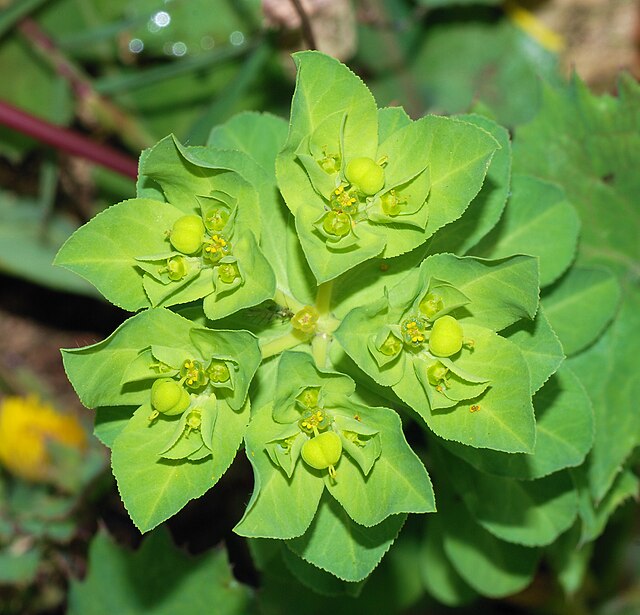
- Some Euphorbia species: Appendix II (local confirmation required).
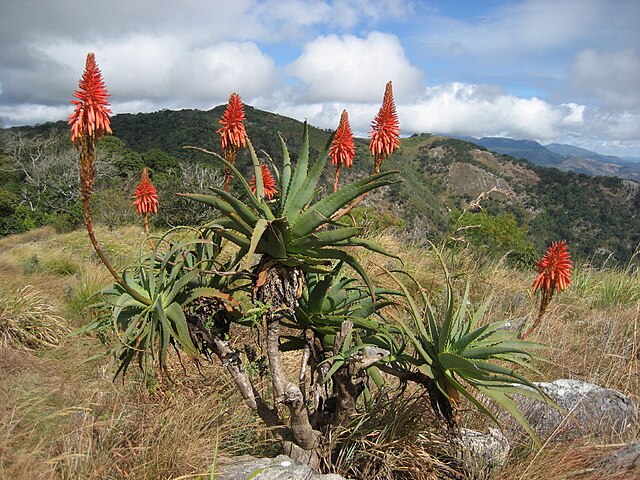
- Some Aloe species: Mix of Appendix I and II (confirmation required for each species).
When importing Appendix II species into Japan, an export permit from the exporting country's CITES authority is required. Plants brought into Japan without a permit are subject to seizure and disposal by customs and plant quarantine authorities. As permit issuance can take weeks to over a month depending on the exporting country, always confirm with the supplier whether they can provide the necessary documentation before proceeding with a transaction.
Note that specimens certified as "Artificially Propagated" may have simplified documentation procedures compared to wild-collected specimens. It is important to clearly confirm with the supplier the origin of the plant (wild or artificially propagated) and have them accurately record this in the documentation.
Plant Quarantine Procedures (Ministry of Agriculture, Forestry and Fisheries)
All plants imported into Japan must undergo quarantine inspection by the Plant Protection Station of the Ministry of Agriculture, Forestry and Fisheries. Understanding the procedures in advance can significantly reduce the risk of delays or disposal upon arrival.
Procedure Outline
- Consult with the nearest Plant Protection Station before import (inform them of the species, quantity, and origin).
- Have the supplier obtain a "Phytosanitary Certificate" issued by the plant protection authority of the exporting country.
- Undergo quarantine inspection upon arrival in Japan (at airport or port animal and plant quarantine counters).
- If no pests or pathogens are detected, a permit is issued and the plant can be collected.
Difference Between Soil-Rooted and Bare-Root Plants
Soil and soil-attached plants are prohibited imports under the Plant Protection Law; soil-rooted specimens cannot be imported at all. Plants must be sent in bare-root condition with soil completely removed from the roots, and if pests or diseases are detected during import inspection, the plant will be disinfected or disposed of. For overseas imports, requesting bare-root packing from the supplier is the practical choice. To preserve root condition, the supplier's packing technique using sphagnum moss or dried paper is also an important criterion for supplier selection.
Choosing Between Personal Import and Commercial Intermediaries
Personal Import (Self-Handling)
Suited to small quantities of a few to a dozen specimens. While knowledge of CITES and quarantine procedures is essential, direct communication with local suppliers offers the advantage of easier quality verification and price negotiation. Although there is a learning cost for the first import, procedures become significantly more efficient from the second time onward.
Using Customs Brokers and Import Agents
For large-volume or regular imports, engaging a customs broker specializing in plants is practical. They can handle CITES documentation verification, plant quarantine procedures, and customs declarations together. While this costs several tens of thousands of yen per import, it avoids the risk of disposal due to documentation errors, making it cost-effective for business use. Multiple plant-specialized import agents exist domestically, so confirm their track record and species they handle in advance.
How to Find Reliable Overseas Suppliers
Discovering on Social Media (Instagram and Facebook)
Many overseas growers and nurseries publicly display and sell specimens on Instagram. Check the consistency of their posts, interactions with followers, and comments regarding documentation handling. Facebook groups such as "Cactus and Succulent Buy/Sell/Trade" are also valuable information sources.
Specialized Forums and International Events
International communities such as "Rare Plants Fair" and "International Succulent Introductions (ISI)" accumulate information on highly-regarded producers. Referring to past transaction reviews within forums allows you to verify their documentation handling track record. For guidance on assessing specimen authenticity, refer to Caudex Plant Authenticity Guide.
Items to Verify Before First Transaction
- Can they issue legitimate CITES export permits?
- Can they arrange phytosanitary certificates?
- Can they provide bare-root packing and appropriate packaging?
- Track record of past exports to Japan and buyer reviews
- Payment methods (whether PayPal, credit card, or other refund-friendly options are available)
Post-Import Care and Precautions
Bare-root specimens from overseas may have damaged roots due to stress during transport. Do not pot them immediately upon arrival; instead, allow them to dry and recover in a well-ventilated, partly shaded location for several days. Afterward, pot them shallowly in clean growing medium (such as Kanuma soil or pumice mixture, prioritizing drainage), and confirm rooting before transitioning to normal care.
Imported specimens may retain pest risk compared to domestically-distributed plants. As a precaution, isolate them from other plants and observe for 1–2 weeks, checking for signs of mealybugs or root mealybugs.
When conducted in compliance with regulations, overseas sourcing offers significant advantages in terms of quality, rarity, and cost. For any unclear points, we strongly recommend consulting in advance with the Plant Protection Station of the Ministry of Agriculture, Forestry and Fisheries (your nearest quarantine station) or the Ministry of Economy, Trade and Industry (for CITES-related matters).