Caudex Plants Off-Season (Dormancy) Management Guide | Water Withholding, Temperature Management, and Spring Awakening Signs
A guide to winter dormancy management for caudex plants. Learn the timing and method for water withholding, the minimum temperatures required for overwintering and insulation measures, how to recognize spring awakening signs (new buds and root emergence), and the steps for gradually resuming watering.
Key Takeaways
A guide to winter dormancy management for caudex plants. Learn the timing and method for water withholding, the minimum temperatures required for overwintering and insulation measures, how to recognize spring awakening signs (new buds and root emergence), and the steps for gradually resuming watering.
Related Species
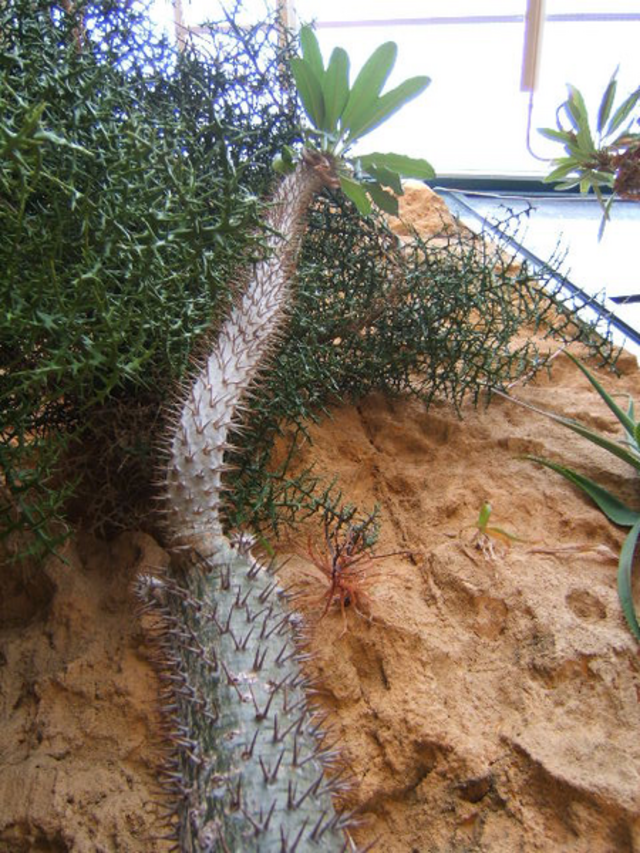
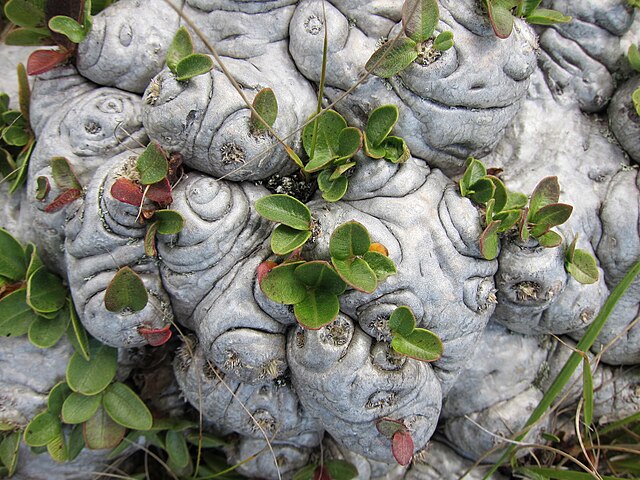
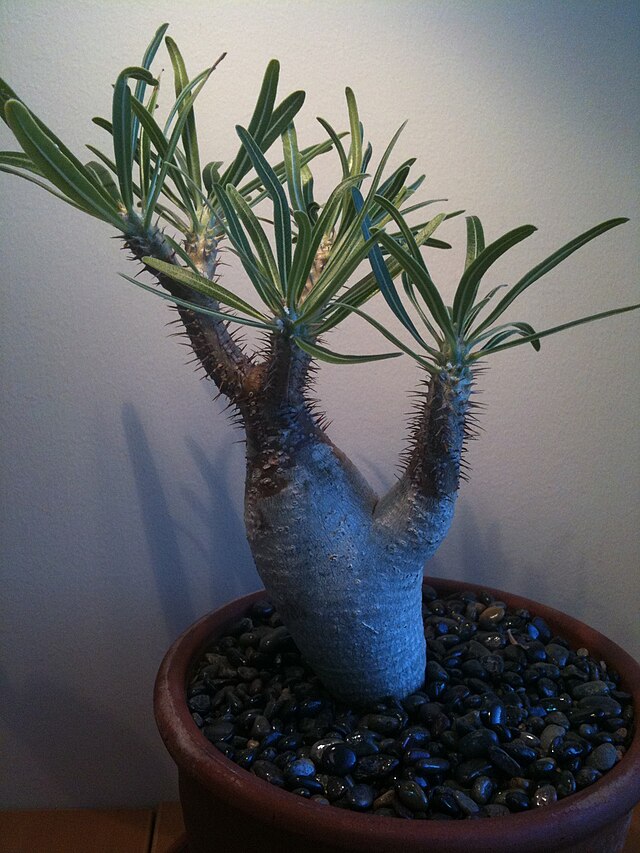
What is Caudex Plant Dormancy?
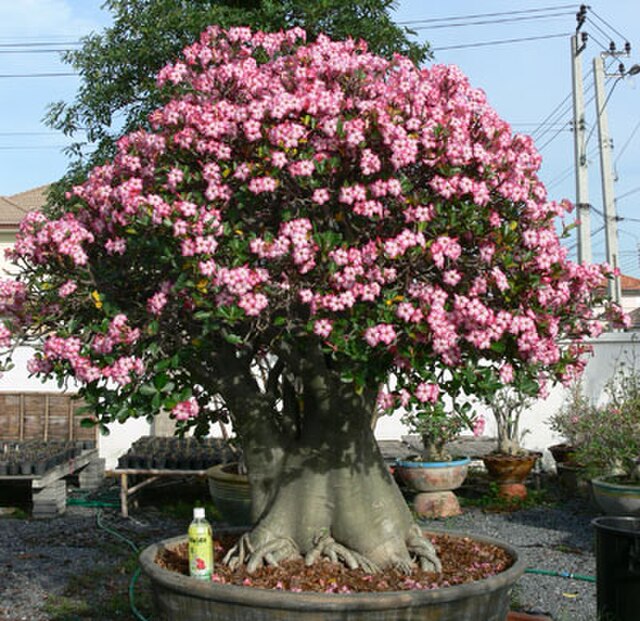
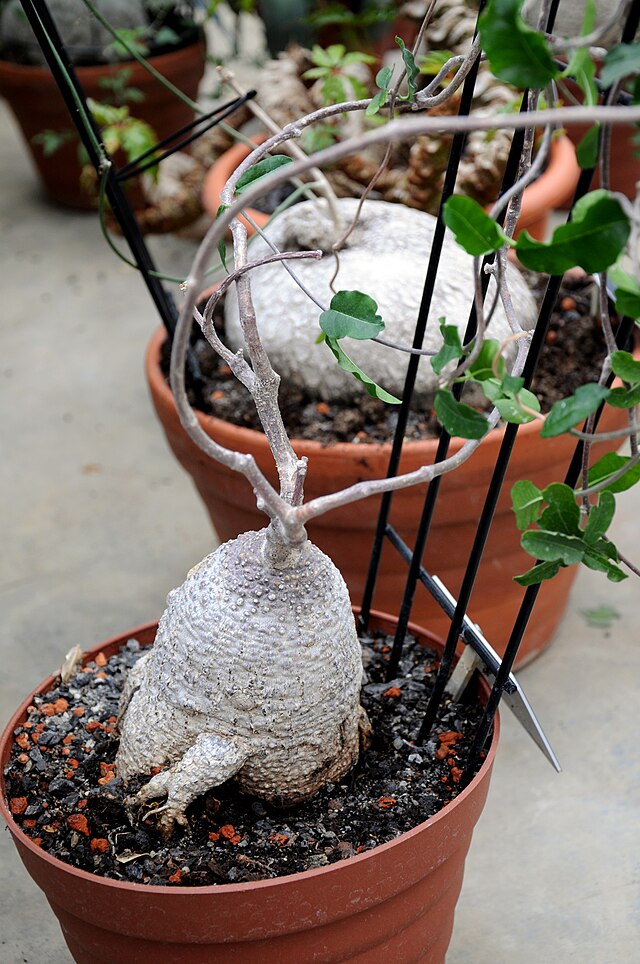
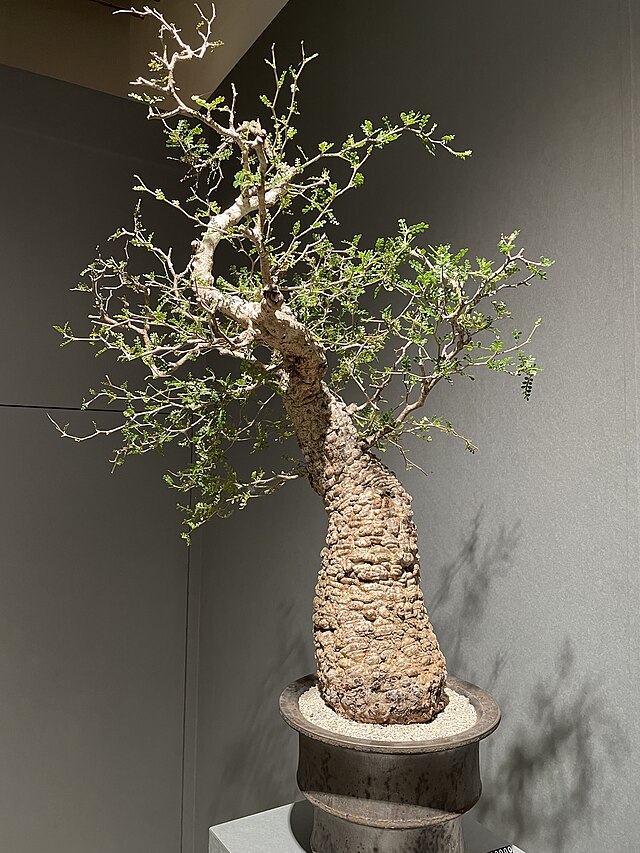
Most caudex plants have a dormancy period that corresponds to the dry season in their native habitats. During this time, they shed their above-ground foliage and completely halt growth, surviving on the nutrients and water stored within the caudex. While the dormancy depth and timing vary depending on the species—such as African Pachypodium and Adenium, South American Operculicarya, and Madagascar Astroloba—the basic management principles are shared.
Dormancy is not stress for plants; rather, it is a reset period in preparation for the next growing season. When dormancy is properly observed, spring growth becomes vigorous and the risk of pests and diseases decreases. Conversely, forcing water during dormancy causes root rot and etiolation.
In Japan's climate, as temperatures drop and daylight hours shorten from autumn through winter, most caudex plants naturally enter dormancy mode. Understanding this natural cycle and reading the plant's signals is the first step to proper management.
Identifying the Dormancy Period and Timing Water Withholding
The transition to dormancy is influenced not only by temperature and daylight but also by the plant's own physiological rhythm. The most reliable sign is "leaf yellowing and abscission." In Pachypodium and Adenium, starting from late September through October, lower leaves gradually turn yellow and naturally fall. At this stage, even if some green leaves remain, you should begin reducing watering frequency.
Specifically, gradually increase the interval from the usual 7–10 days between waterings to once every 2 weeks, then to once every 3 weeks. Abruptly stopping water causes the plant to go into shock without adequate preparation, so it is best to reduce gradually over about a month.
When nighttime minimum temperatures drop below 15°C, this is a good benchmark to begin water withholding. Summer-growing species such as Pachypodium gracilius and Adenium arabicum shed all their leaves at this time and remain as caudex only. However, some species like Operculicarya pachypus remain nearly evergreen, so it is important to research the characteristics of each species beforehand.
Some growers give a small amount of water around the pot's edge once a month after withholding—a "safety watering" practice to prevent the caudex from shrinking excessively. Beginners are more successful starting with complete water withholding and adjusting based on observing the caudex's condition.
Managing During Dormancy: Balancing Temperature, Humidity, and Light
The greatest enemies during dormancy are "cold" and "excessive moisture." Most caudex plants face a high risk of frost damage below 5°C and suffer fatal damage at 0°C. To survive a Japanese winter, an environment that maintains a minimum temperature above 10°C is essential.
The ideal location is a south-facing windowsill or a heated greenhouse. In an apartment living room, heating naturally maintains around 10–15°C, but the area near the window at night becomes very cold, so caution is needed. Simply elevating the pot slightly off the floor using a slatted platform or stand prevents heat loss.
For humidity, a lower level of around 40–50% is desirable during dormancy. Excessive dryness causes the caudex to shrivel too much, but high humidity causes roots to remain active even during dormancy, increasing the risk of mold and decay. Using a dehumidifier or circulating fan to move air and prevent stagnation is important.
Regarding light, place dormant plants in a bright location. Even without leaves, the caudex surface conducts photosynthesis, and complete darkness causes energy depletion. However, too much direct sun can sunburn the caudex, so soft, filtered light through a sheer curtain is ideal.
When managing in a greenhouse or polytunnel, large temperature fluctuations between day and night often result in condensation. Establish a routine of ventilating first thing in the morning to release internal moisture, which greatly reduces disease risk.
Spring Awakening Signs and Resuming Watering
Timing the end of dormancy depends on both temperature and the plant's condition. From mid-March through April, when daytime temperatures consistently exceed 20°C and nighttime temperatures stay above 10°C, observe the plant carefully.
The easiest sign to spot is "bud swelling." From Pachypodium, look at the branch tips; from Adenium, watch the top of the caudex for small green protrusions. At this stage, even if leaves have not yet unfurled, begin with only a light misting over the entire plant.
One week later, when new buds begin to visibly elongate, resume normal watering. However, do not immediately water abundantly until water drains from the pot's bottom. For the first 2–3 waterings, be conservative. Fine roots may have died during dormancy, reducing the plant's water absorption capacity.
After resuming watering, new fine roots regenerate within 2–3 weeks and leaves fully unfurl. Once this occurs, start applying diluted liquid fertilizer to accelerate growth. However, never fertilize until watering is well established—applying fertilizer while roots are still weak risks fertilizer burn.
Some caudex plants are "early risers" while others are "late sleepers." Pachypodium brevicaule begins to move in mid-March, while Adenium obesum may sleep until late May. Patience and respecting each plant's pace are essential.
Dormancy Patterns by Type and Precautions
Dormancy patterns in caudex plants vary greatly depending on the climate zone of origin. Summer-growing Pachypodium and Adenium species have the typical cycle of dormancy from autumn through winter, awakening in spring. These have straightforward water-withholding management and are beginner-friendly. Detailed cultivation guidelines for Pachypodium gracilius are explained separately in Pachypodium Gracilius Cultivation Guide.
Below is a table showing dormancy and water-withholding cycles and management tips for each growth type.
| Growth Type | Representative Species | Dormancy and Water-Withholding Cycle | Management Tips |
|---|---|---|---|
| Summer-growing | Pachypodium spp., Adenium spp. | Dormancy from autumn through winter, awakening in spring | Water-withholding management is straightforward and beginner-friendly |
| Winter-growing | Pelargonium spp., Crassulacean spp. | Summer dormancy with growth from autumn through spring; water withholding during extreme heat in August, resuming water in mid-September | Sensitive to summer heat and stagnant air; even during water withholding, manage in a cool location with good air circulation |
| Intermediate-growing | Fockea edulis (Alien Plant) | No extreme dormancy, may retain thin foliage even in winter | "Semi-dormancy management" with light watering 1–2 times per month is more suitable than complete water withholding |
| Evergreen | Operculicarya pachypus | Strong evergreen nature, continues growth in winter if temperature is maintained | If maintaining 15°C or higher, continue normal watering; if temperature drops below 10°C, safer to withhold water and induce dormancy |
The biggest beginner mistake is treating all caudex plants identically without understanding species differences. When purchasing, confirm the plant's origin and growth type (summer-growing, winter-growing, intermediate, or evergreen) and adjust management accordingly. This is the key to success.
Common Mistakes and How to Address Them
The most frequent dormancy management mistake is "overwatering." Seeing bare branches, people often feel compelled to water, but dormant roots do not absorb water. Excess moisture stagnates in the pot and causes root rot. If the caudex becomes soft and mushy with a foul smell, the damage is irreversible.
Early detection is everything for addressing this. Even during dormancy, lift the pot once weekly to check its weight; if it feels abnormally heavy (water is pooling), dry it out immediately. If root rot has already begun, excavate the caudex, cut away rotted sections with a knife, apply fungicide, and dry thoroughly. For detailed rescue procedures if rot has advanced significantly, see Complete Caudex Root Rot Solutions.
The next common problem is "frost damage." A single night below 5°C can cause brown spots on the caudex surface. This is an early frost symptom that leads to cell death if it progresses. During winter nights, move plants away from windows or cover them with cardboard to provide insulation.
Conversely, management in an overly heated room keeps dormancy shallow, causing buds to partially break prematurely. If you water in this state, plants become etiolated. Allowing deep dormancy in a cool, dark location actually produces better spring growth. The ideal is 10–15°C, an environment where the plant "wants to sleep but won't freeze."
Restarting watering too early in spring is another common failure. Warm days in early March are often followed by cold snaps the next week. Wait patiently until temperatures consistently exceed 20°C. However, delaying too long also weakens plants through energy depletion, so aim for activity to begin by mid-April.
Finally, never neglect regular observation during dormancy. Scale insects and spider mites emerge even during dormancy and silently weaken the plant. Check the undersides of leaves (if present) and crevices in the caudex once monthly for early pest detection. Remember that dormancy is not a period of neglect but a time of quiet observation and care.