Complete Guide to Growing Pachypodium | Management Methods Centered on Gracilius
Complete explanation of how to grow Pachypodium (Gracilius), the king of caudex plants. Covering soil mix, watering, shading, winter care, and root development management—all the care information beginners can understand.
Key Takeaways
Complete explanation of how to grow Pachypodium (Gracilius), the king of caudex plants. Covering soil mix, watering, shading, winter care, and root development management—all the care information beginners can understand.
Related Species
Types and Characteristics of Pachypodium
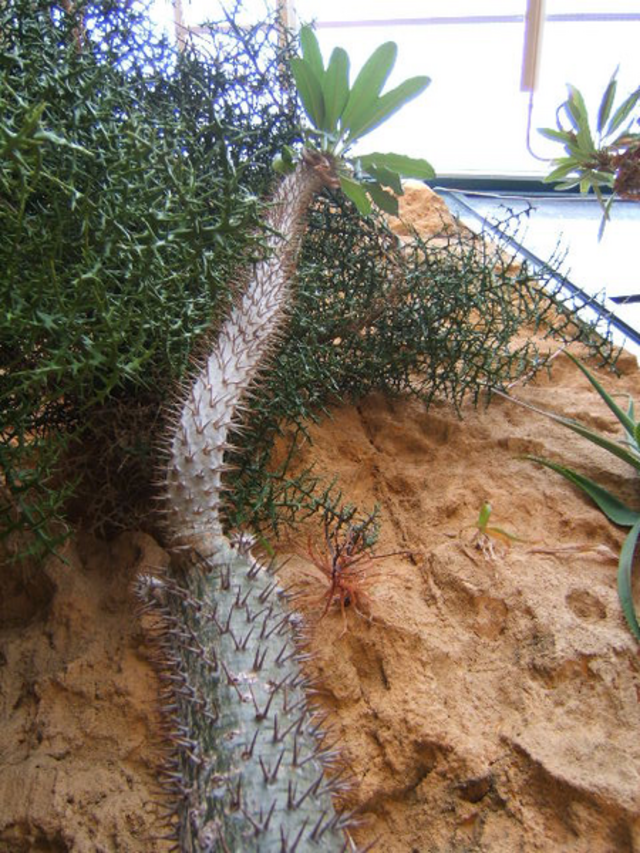
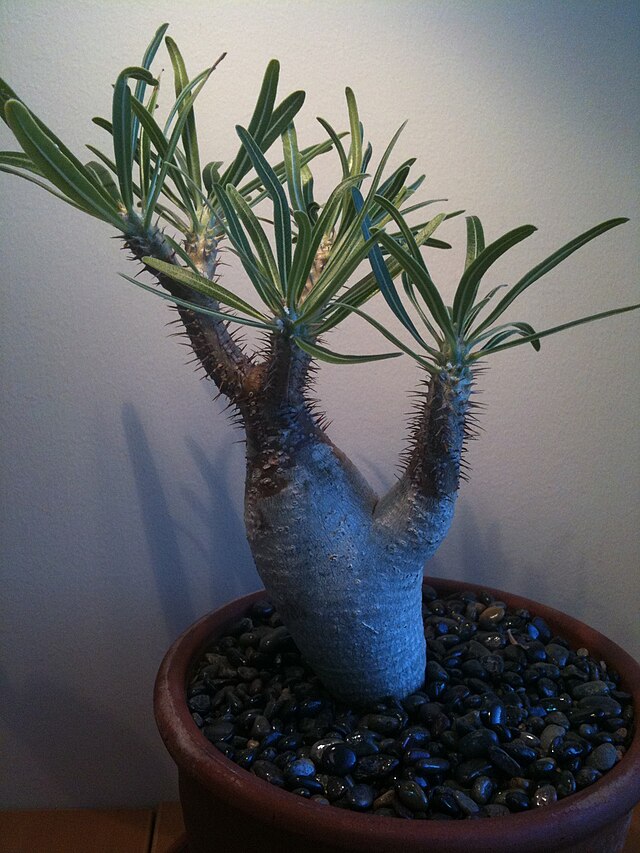
Often called the "king of caudex plants," Pachypodium is a succulent of the Apocynaceae family native to Madagascar and southern Africa. Among these, Pachypodium rosulatum var. gracilius (P. rosulatum var. gracilius) is characterized by its round, squat caudex and enjoys overwhelming popularity as a collector's plant. With high rarity, well-conditioned specimens sometimes command prices in the tens of thousands to over 100,000 yen. There is a significant price difference between wild-collected specimens and nursery-grown seedlings, and with increased availability today, seedling-grown plants have become relatively accessible. Methods for developing a thick caudex from seedlings are explained in more detail in Pachypodium Gracilius Growing Guide | Management Methods to Enlarge the Caudex from Seedlings.
Other major types include Baronii (P. baronii), known for its beautiful vivid red flowers; Brevicaule (P. brevicaule), an ultra-compact species with a special flattened, horizontally-spreading form; Lamerei (P. lamerei), a columnar, hardy beginner-friendly species; and Densiflorum (P. densiflorum), a medium-sized species that produces abundant yellow flowers. All are plants adapted to dry, rocky habitats in their native regions, and their basic care is shared across species.
Soil Mix and Pot Selection
The most critical factor in growing Pachypodium is drainage. Their native habitat consists of dry rocky outcrops and sandy-gravelly terrain, and constantly moist conditions are the primary cause of root rot.
An inorganic soil mix with minimal organic matter is recommended. A typical example would be 30% Kanuma soil (fine grain), 30% Hyuga soil (fine grain), 20% pumice (fine grain), and 20% golden granular substrate. If using commercial succulent soil, add 20-30% additional pumice or Kanuma soil to reinforce drainage. Placing coarser pumice at the pot base further enhances drainage.
Terracotta pots offer superior breathability and drainage, making them the best choice. Plastic pots retain moisture longer, requiring conscious reduction of watering frequency. Pot size should be just one size larger than the root system; avoid oversized pots as they tend to retain excess moisture.
Light, Placement, and Seasonal Management
Pachypodium is a high-light-demand plant that thrives in strong light. Adequate direct sunlight is essential for forming a compact caudex and promoting healthy growth. South-facing balconies or outdoor placement is ideal; insufficient light causes "etiolation" and underdeveloped caudex.
Japan's summer (July-August) is hot and humid; using 30-50% shade cloth prevents leaf scorch on newly planted or root-developing specimens. Well-established plants tolerate strong light, but when moving from winter indoor care to outdoors, always allow 1-2 weeks for gradual light acclimatization.
Winter cold tolerance is approximately 5-8°C minimum, so indoor management is essential in frost-prone regions. Choose a bright south-facing windowsill, or supplement with LED grow lights if sunlight is insufficient to prevent etiolation. Bring plants indoors around late October to early November.
Watering and Fertilizer Management
Growing season (May-September): The basic rule is to wait an additional 2-3 days after the soil is completely dry, then water thoroughly. Maintaining a drier approach ensures the caudex develops fully. Watering in the morning to mid-morning is ideal, with the soil surface beginning to dry by evening.
Autumn (October-November): As temperatures drop and leaves begin to yellow, gradually reduce watering frequency. Once leaf drop is complete, essentially stop watering.
Winter (December-April): The dormancy period calls for essentially no water. If indoor temperatures are maintained above 10°C, minimal water (just enough to dampen the surface layer) may be given once monthly, though this is not essential. The approach to dormancy care for caudex plants generally is detailed in Caudex Plant Off-Season (Dormancy) Management Guide | Watering Cessation, Temperature Maintenance, and Spring Awakening Signs.
Spring (April-May): Resume watering once new growth begins. Start with small amounts, gradually increasing volume and frequency as foliage unfolds.
Fertilize only during the growing season, either by mixing slow-release fertilizer (such as MagAmp K) into the soil or applying diluted liquid fertilizer (Hyponex diluted to about half strength) 1-2 times monthly. Overfertilizing causes weak caudex development, so "less is more" is the rule. Never fertilize in winter.
Root Development Management (Bare-Root Plants)
For bare-root specimens from imports or online sales, root development management is key to success. The steps are as follows:
- Upon arrival, inspect the roots and remove any damaged or rotted portions with clean scissors
- Allow cut surfaces to dry in shade for 1-3 days to encourage callus formation
- Apply rooting hormone (such as Rootone or Menedel) to the cut surfaces
- Plant in drainage-prioritized soil with abundant pumice mixed in
- Manage in bright shade (avoiding direct sunlight) and water lightly from the bottom
- New growth emergence or restored firmness to the caudex indicate successful rooting
After confirming rooting, gradually acclimate to light while transitioning to normal care. Patience is key.
Common Mistakes and Solutions
Root rot is the most common failure, caused by overwatering, excessive moisture, or poor drainage. Softening caudex is a warning sign. Early detection and removal of affected tissue with drying can sometimes lead to recovery.
Etiolation (spindly growth) is mainly caused by insufficient light. Ensure adequate light with south-facing windows or LED grow lights, and review the growing environment.
Winter death is triggered by prolonged exposure to low temperatures (5°C or below) and unnecessary watering during dormancy. Strictly eliminate water and maintain minimum temperatures above 10°C.
Pachypodium is a rewarding plant that beginners can enjoy long-term by following three principles: light, drainage, and dryness. Enjoy watching the caudex develop year after year and appreciate the vibrant flowers that bloom in spring.