Complete Guide to Growing Sinningia (Brazilian Edelweiss) | Caudex Care, Watering, and Blooming Tips
A comprehensive guide to caring for Sinningia leucotricha (Brazilian Edelweiss). Learn caudex management, optimal light and dry conditions, seasonal watering adjustments between growth and dormancy periods, well-draining acidic soil mixes, and methods for blooming, fruiting, and seed propagation—practical guidance for beginners.
Key Takeaways
A comprehensive guide to caring for Sinningia leucotricha (Brazilian Edelweiss). Learn caudex management, optimal light and dry conditions, seasonal watering adjustments between growth and dormancy periods, well-draining acidic soil mixes, and methods for blooming, fruiting, and seed propagation—practical guidance for beginners.
Related Species
About Sinningia (Brazilian Edelweiss)
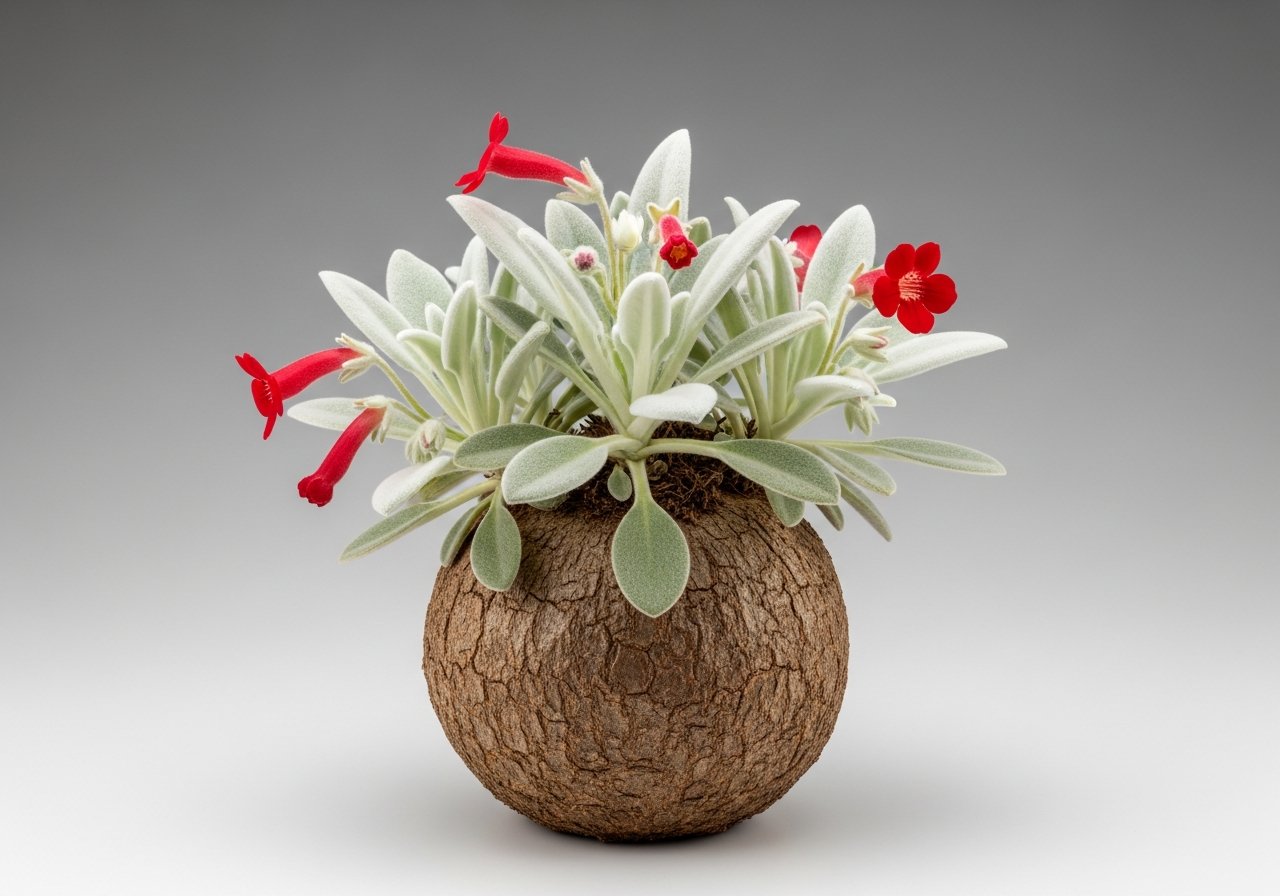
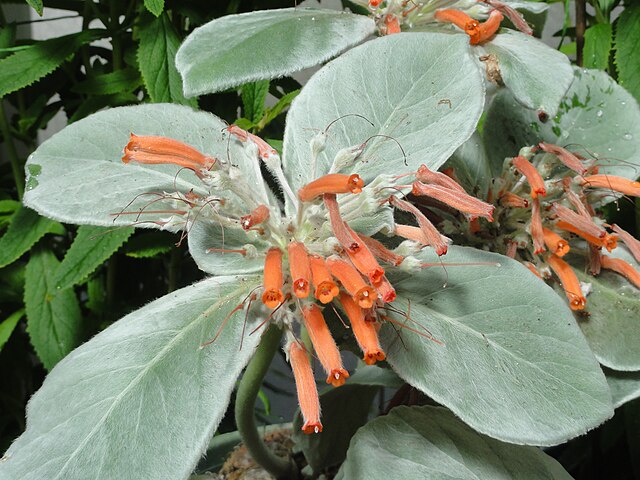
Sinningia leucotricha (Sinningia leucotricha) is a caudex plant in the Gesneriaceae family native to the cliffs of Paraná State, Brazil. The name "Brazilian Edelweiss" comes from its natural habitat on steep cliff faces. Its most distinctive features are a large, grayish-white flattened caudex and thick leaves covered in silvery fine hairs; it produces orange tubular flowers from early summer through fall.
Mature specimens can develop caudexes 10–20 cm or larger in diameter, with a thick, grayish-brown corky outer layer. In Japan, it is known as "Brazilian Edelweiss" and is a favorite among caudex collectors. Paraná State, its native habitat, lies at an elevation of 700–1,200 m and has a subtropical climate with abundant rain in summer (December–February in the Southern Hemisphere) and dry winters (June–August). Proper watering management tailored to this climate is key to successful cultivation.
Location and Light
Sinningia leucotricha prefers strong direct sunlight. During the growing season (spring–fall), place it outdoors in full sun or indoors on a south-facing windowsill. Insufficient light causes the stems to become leggy and disrupts its normally compact form.
| Season | Location | Target Light Hours |
|---|---|---|
| Spring (Mar–May) | Outdoors (eaves acceptable) | 5–8 hours |
| Summer (Jun–Sep) | Outdoors (direct sun) | 5–8 hours |
| Fall (Oct–Nov) | Outdoors → transition indoors | 4–6 hours |
| Winter (Dec–Feb) | Indoors by window | Ensure adequate light |
It can survive winter if kept above 5°C, but 10°C or higher is safer. It is sensitive to frost and freezing, so move it indoors as soon as temperatures begin to drop. Indoors, supplemental LED grow lights can help compensate for insufficient natural light. See also Caudex Plant Winter Care for additional reference.
Watering Basics
As with all caudex plants, Sinningia has a high risk of rot from overwatering, making proper timing crucial.
Growing Season (Spring–Fall)
- Water thoroughly until it drains from the pot bottom, but only after the soil surface is completely dry
- During hot summer months, water in the morning or early evening
- Do not let water accumulate in the saucer (prevents root rot)
- Water at the base of the plant, avoiding the leaves and caudex
Dormancy Period (Winter)
- When the plant enters dormancy and drops its leaves, largely withhold water (give minimal water about once monthly to prevent excessive caudex shrinkage)
- Do not completely withhold water during dormancy (the caudex may shrivel excessively)
- If room temperature is high, the plant may not fully defoliate
Soil and Repotting
Well-draining soil is essential. The following mix, built on a commercial succulent soil base, is commonly used.
Recommended Mix
- Red volcanic (akadama) soil, small grain, 30–40%
- Hyuga soil, 20–30%
- Kanuma soil, 20–30%
- Vermiculite (small amount)
Pure mineral mixes (such as 100% Kanuma soil) may drain too quickly, so some growers add a small amount of leaf mold (≤10%). For more details on soil selection, see Caudex Plant Soil Mix Guide.
The best time to repot is in spring before new growth (March–April). Remove the caudex, trim any dead roots, and repot into a container one to two sizes larger. Use terracotta or a breathable plastic pot. Since Sinningia caudexes spread flat, choosing a shallow, wide pot helps the caudex develop an attractive shape.
Fertilizing
Sinningia leucotricha maintains a compact, healthy form when fertilized sparingly.
- Growing Season (Apr–Sep): Apply slow-release fertilizer once or twice monthly, or dilute liquid fertilizer (1000–2000× dilution) every 2–3 weeks
- Dormancy Period: Do not fertilize
- Excess nitrogen causes legginess and weakness, so use a phosphorus- and potassium-rich formulation (bloom-promoting type)
- A light potassium boost in early fall promotes robust caudex development the following year
Blooming and Fruiting
From early summer through summer, flower stalks emerge from the caudex and bear orange-red tubular flowers at the tip. The flowers are 5–10 cm long with a yellowish interior. While insects can pollinate naturally, hand-pollination with a brush or fingertip is more reliable. Fertilized flowers develop small, capsule-like fruits containing numerous tiny seeds.
Seedlings take years to mature, but growing them lets you observe caudex formation from the start. Raising seedlings allows you to develop caudexes with unique shapes and characteristics. Caudex Plant Seedling Growing Guide provides detailed guidance on germination and early seedling care.
Even seeds from the same parent plant produce variable offspring, with differences in caudex shape and size, and leaf hair density. Part of the appeal is selecting and preserving your favorite individuals.
Common Problems and Solutions
Soft or Rotting Caudex Overwatering causing root rot is the primary cause. Remove the affected area and let the cut dry. Light rot may recover after repotting.
Yellowing and Leaf Drop Natural leaf drop in fall and winter is normal. Sudden yellowing during the growing season indicates underwatering or root rot. Check watering schedule and soil condition.
No Flowers Insufficient light is the main cause. Move it to a location with direct sun and ensure proper watering and feeding during spring and summer. Young plants rarely bloom; prioritize developing a robust caudex first.
Thinning Leaf Hairs This often occurs from excessive light or overwatering. Adjusting to appropriate light levels and drier conditions may help.
Tips for Purchasing from Growers
Sinningia leucotricha is rarely found at general nurseries; caudex-specialist growers and online retailers are the main sources. Advantages of buying directly from growers include getting care advice from an expert and knowing the plant's growing history.
Points to Check When Selecting
- Is the caudex firm and turgid? (Soft caudexes may indicate root rot)
- Are the leaf hairs uniformly developed? (Sparse hairs suggest insufficient light or overwatering)
- Check for rot or damage at the base and stem junctions
- If buying during dormancy, pay special attention to caudex firmness
Most Sinningia leucotricha in Japan are seedlings or cuttings; large, mature specimens are rare. Large specimens are sometimes priced high for collectors, but starting with small seedlings and watching the caudex develop is part of the hobby's appeal.
Summary: Keys to Sinningia Success
For those trying Sinningia leucotricha for the first time, here are common pitfalls and the path to success.
Common Failure Patterns
- Winter overwatering: Continuing normal watering during dormancy causes root rot
- Insufficient light: Keeping indoors with only sheer curtain light causes leggy stems
- Summer underwatering: Withholding water in peak summer shrinks the caudex
- Planting too shallow: Caudex protrusion makes the plant unstable
Three Basics for Success
- Strong light (5+ hours) and slightly dry conditions
- During dormancy (after leaf drop), water sparingly, roughly once a month or less
- Well-draining soil + terracotta or breathable pot
Once you master the basics, Sinningia is relatively easy to manage and offers years of enjoyment through its annual cycle of sprouting, growth, flowering, and dormancy. Refer to Caudex Plant Dormancy Management Guide for seasonal care guidance.