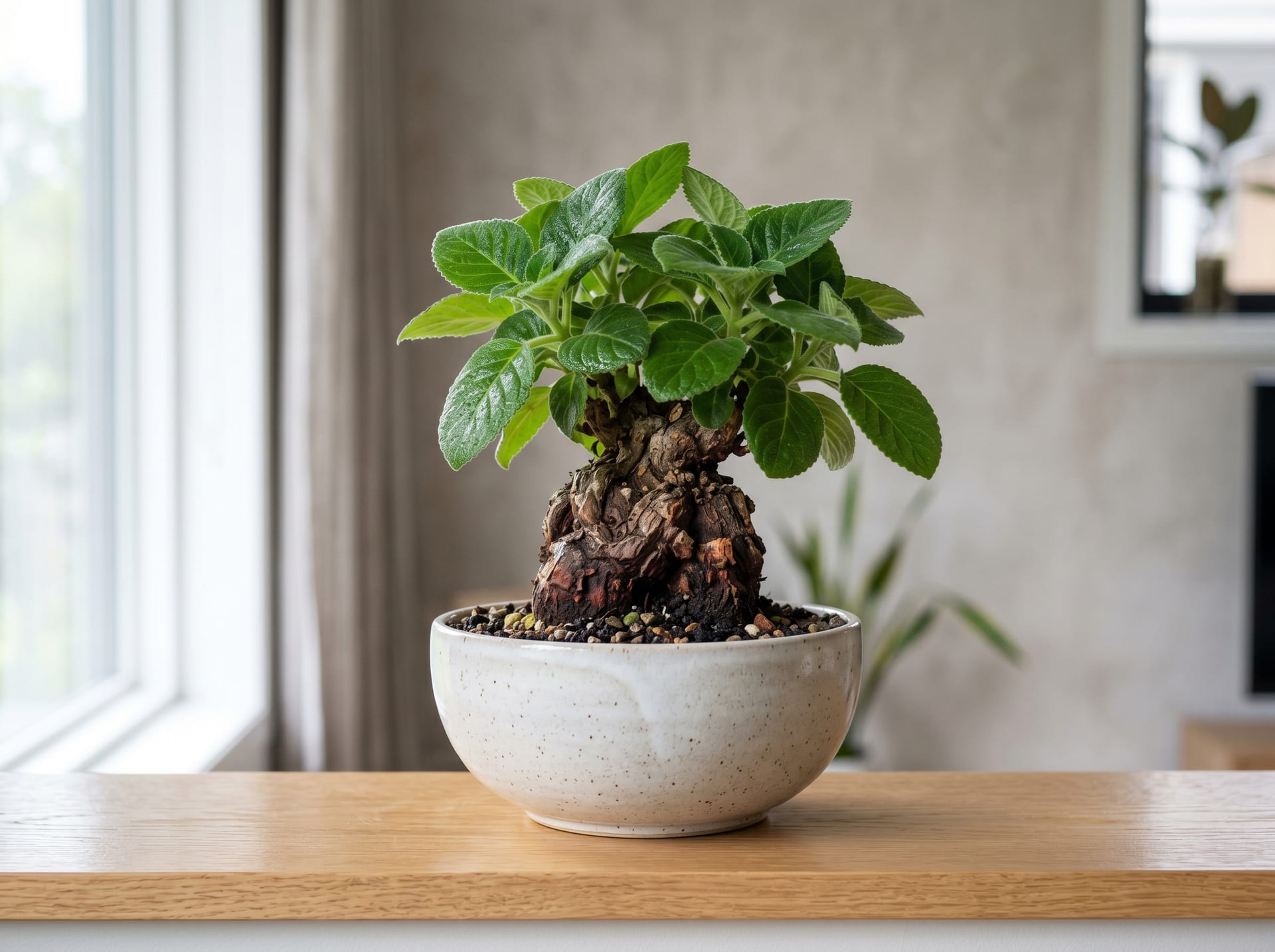
AI-generated image
Sinningia
IntermediateSinningia
The genus Sinningia in the gesneriad family. About 90 species are known from Central and South America, centred on Brazil; most form tubers and rest through the dry or cool season. Includes Brazilian edelweiss (S. leucotricha) and the florist's gloxinia (S. speciosa).
About
Sinningia is a genus in the gesneriad family (Gesneriaceae) with about 90 species, native to Central and South America and centred on Brazil. Most species form a tuber, a swollen underground or surface stem, and survive the dry or cool season by letting the top growth die back and resting as a tuber. Because the tuber can be displayed above the soil, the genus is often grown as a caudex plant. The tubular to bell-shaped flowers come in red, orange, pink, purple, white and more, varying in color and shape from species to species. The best-known members in cultivation are Brazilian edelweiss (S. leucotricha), known in Japan as the Queen of the Cliffs for its silvery-haired leaves, and S. speciosa, the florist's gloxinia; small wild species and man-made hybrids are also sold. Growth is generally from spring to summer, and plants are kept on the dry side once the top growth dies back, but the timing of dormancy and cold tolerance differ between species, so check the species name when buying and care for it accordingly. Three points apply across the genus: use a free-draining mix, water the soil at the base rather than the leaves or growing point, and keep the resting tuber from freezing or staying wet.
Source: Wikipedia (CC BY-SA 4.0)
Basic Info
Origin
Central and South America (mainly Brazil)
Temperature
5〜35℃
Growing Tips
Light & Placement
Grow in bright partial shade to sun. Planting with the tuber exposed above the soil reduces rot and shows off its distinctive form.
Watering
Water on the leaves or growing point causes rot, so water the soil at the base. In growth water when the soil dries; during dormancy water sparingly.
Temperature & Overwintering
In the cold of winter the top growth dies back and the plant rests. Keep it indoors so the tuber does not freeze and water sparingly.
Soil & Repotting
Use a fast-draining mix and plant with the top of the tuber above the soil to prevent rot. The best time to repot is spring, as dormancy ends.
Dormancy Care
Once the top growth dies back, reduce water and let it rest on the dry side. When new shoots emerge from the top of the tuber in spring, gradually resume watering.
Sinningia FAQ
QWhat is the growing difficulty level for Sinningia?
Intermediate. A variety suitable for intermediate growers. Requires some cultivation experience and knowledge of environment management. Pay careful attention to temperature and humidity control.
QWhat is the typical price for Sinningia?
The price of Sinningia varies significantly by variety, characteristics, size, and lineage. Please check GrowerDirect's price guide for the latest market information.
Last updated: September 25, 2026
References & Sources
Edited & verified by: GrowerDirect Editorial Team
The classifications, regulations, and growing data on this page are created and verified based on the primary information database below.
Taxonomy & Authority
Accepted name: Sinningia Nees
Authority databases: GBIF
Nomenclature follows global taxonomic authority databases.
Regulations & Conservation Status
Not listed in either CITES Appendix I or II. Also not subject to Japan's designated invasive species or specified animals regulations (being a plant).
Sources: CITES Appendix I species list / CITES Appendix II species list / Ministry of the Environment List of Specified Invasive Alien Species
Regulations may change. Always verify the latest information with the relevant authorities.
Related Species
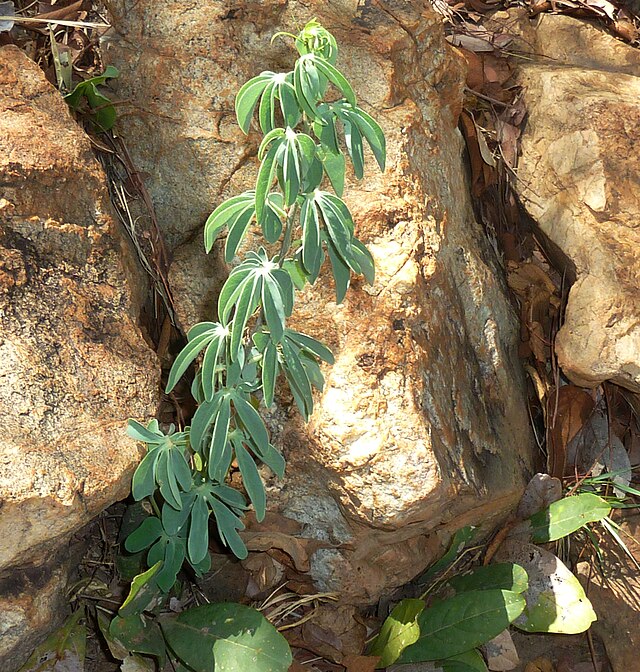
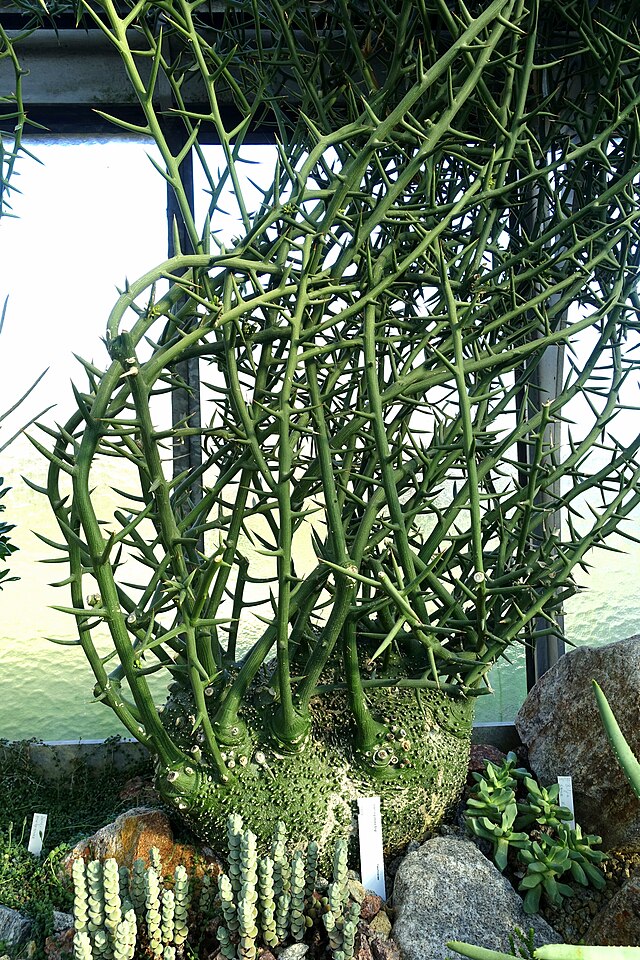
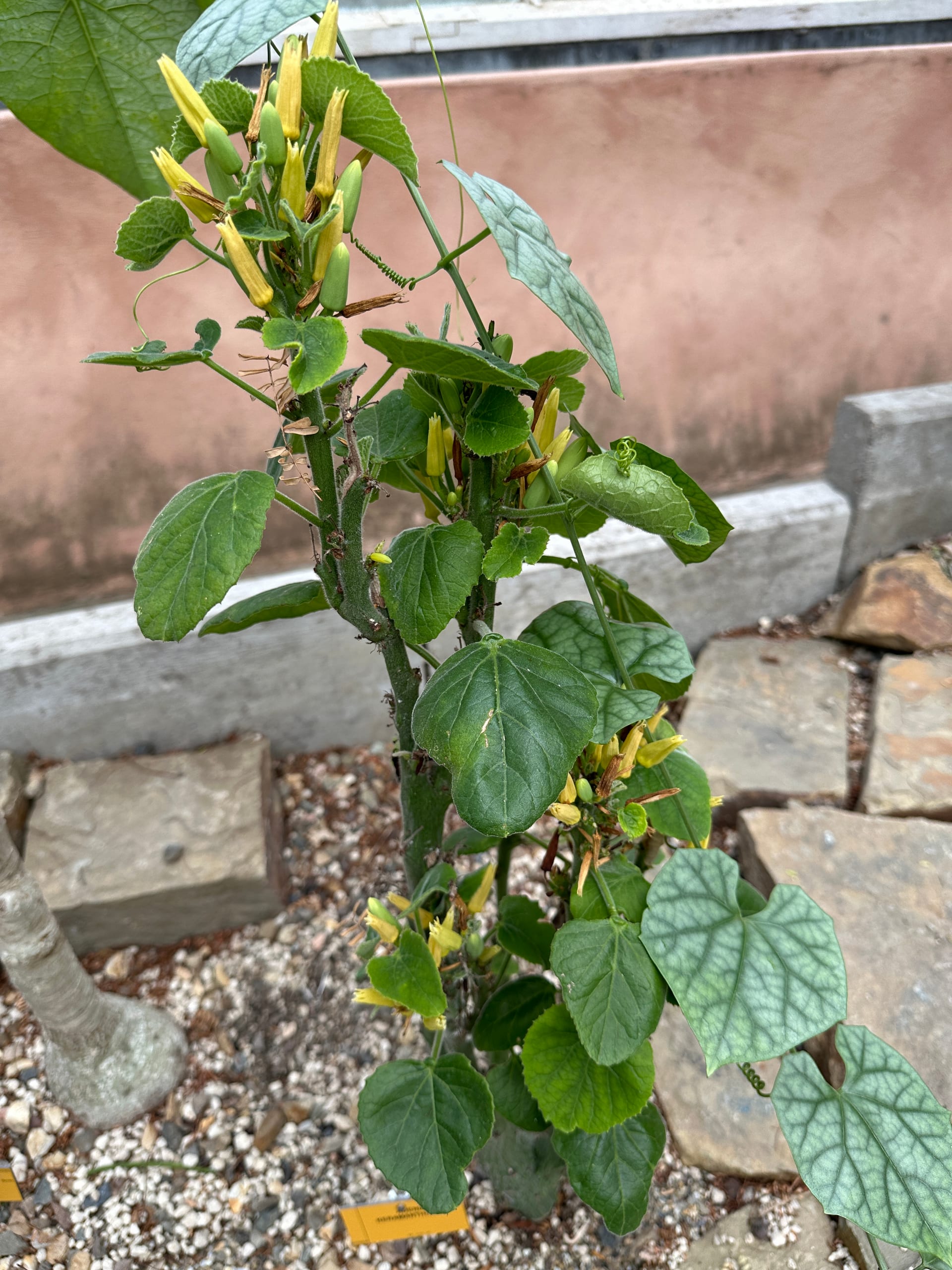
Find listings for this species
Related Articles
Complete Guide to Growing Sinningia (Cliff Lily) | Caudex Care, Watering, and Blooming Tips
A comprehensive guide to caring for Sinningia leucotricha (Cliff Lily). Learn caudex management, optimal light and dry conditions, seasonal watering adjustments between growth and dormancy periods, well-draining acidic soil mixes, and methods for blooming, fruiting, and seed propagation—practical guidance for beginners.
How to Grow Uncarina | Differences Between the Madagascar Endemic Species Grandidieri and Roeoesliana
An explanation of the appeal and cultivation methods of the Madagascar endemic caudex plant Uncarina genus. We introduce the differences between Uncarina grandidieri and roeoesliana, seedling cultivation, and repotting timing.
Complete Guide to Choosing Caudex Plants as Gifts | Recommended Varieties by Occasion and How to Include Care Notes
A guide to choosing caudex plants as gifts organized by occasion. We introduce how to select varieties based on the recipient's cultivation experience and how to include care notes for long-term enjoyment.
Diagnosing and Treating Poor Root Development in Caudex Plants | Causes and Solutions for Roots That Won't Emerge or Won't Grow
A detailed guide to root emergence problems in caudex plants. From diagnosis methods to solutions, practical techniques for promoting healthy root development are introduced.
🩺 Common diseases
Can't find the plant you're looking for?
Post your wishes for free and growers with matching plants will contact you with introductions.