Diagnosis and Solutions for Poor Root Development in Caudex Plants | Why Roots Won't Emerge and How to Fix It
A detailed guide to rooting problems in caudex plants. From diagnosis methods to improvement strategies, we introduce practical techniques for successful rooting.
Key Takeaways
A detailed guide to rooting problems in caudex plants. From diagnosis methods to improvement strategies, we introduce practical techniques for successful rooting.
Related Species
Understanding the Timeline Before Diagnosing Poor Root Development
One of the most common problems in caudex plant cultivation is the issue of "roots won't emerge." However, before taking steps to address poor rooting, you must first understand precisely what timeframe constitutes a problem. The time required for rooting varies considerably among species, and it is not uncommon for roots to take several months to appear even when conditions are ideal.
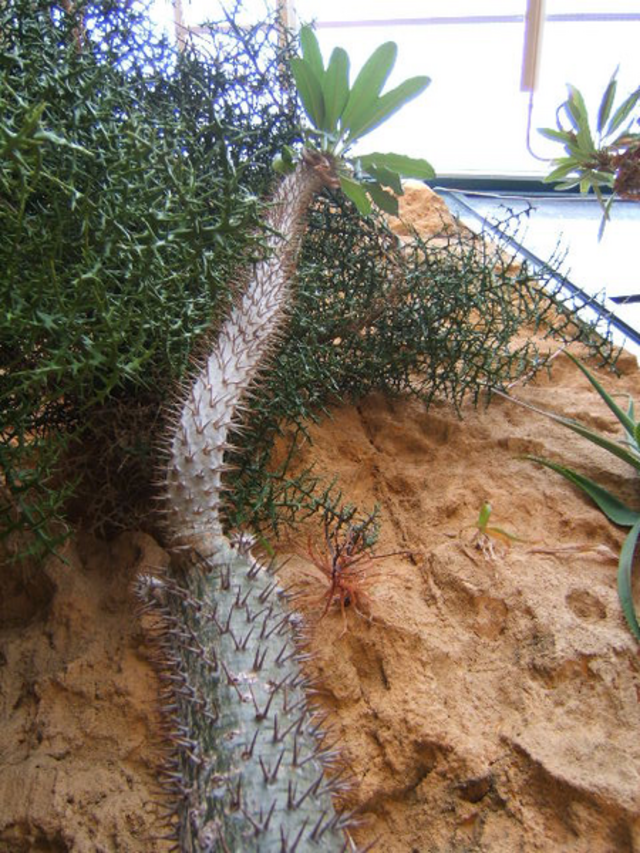
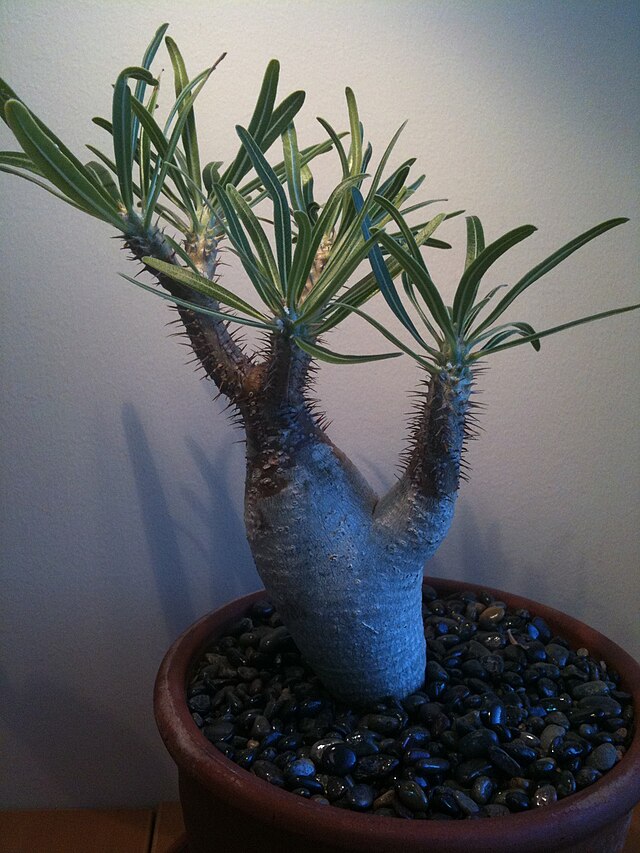
Species such as Stephania erecta, which store moisture readily within their caudex, may produce new roots within 2–3 weeks if conditions are favorable. Conversely, Pachypodium gracile requires 3–8 weeks for rooting, and depending on the plant's condition and season, may take nearly 3 months. Some Adenium species also take more than 2 months when acquired as specimens with a poor root system at the time of purchase.
As a benchmark for determining "poor root development," you should use the following standard: if the environmental conditions are adequate but no sign of roots appears after 3–4 weeks in Stephania species or 8–10 weeks in Pachypodium species, then action should be considered. Repeatedly removing the plant to check it actually interferes with root formation, so limit inspections to once every 4 weeks, gently lifting only the base of the plant.
Three Major Environmental Factors Affecting Rooting and a Diagnostic Checklist
The majority of rooting problems stem from one of three environmental factors: temperature, moisture, and light. First, organize your current situation using the checklist below.
Temperature Checklist
- Is the minimum temperature at your growing location not dropping below 18°C?
- Is there a sudden chill near window areas during the night?
Moisture Checklist
- Is the growing medium staying constantly wet?
- Are you watering so heavily that water flows from the drainage holes?
- Are you watering again before the growing medium dries completely?
Light Checklist
- Does the plant receive at least 4 hours of direct sunlight or bright indirect light per day?
- Is it placed in an extremely dark location, such as a shelf inside a room with little light?
Growing Medium Checklist
- Are you using a high-moisture commercial houseplant potting mix as-is?
- Are the drainage holes at the base of the pot blocked?
If you find yourself answering "yes" to multiple items, there is considerable room for improvement. For basic caudex plant care, also refer to fundamental knowledge about caudex plants.
Solutions by Cause: Adjusting Temperature, Moisture, and Light
When Temperature Is Too Low
The optimal rooting temperature for caudex plants is 20–28°C. Below 18°C, rooting nearly stops entirely, and around 15°C the risk of rot increases significantly. Moving the plant to a warmer location indoors is the first measure, but even south-facing windowsills can become suddenly cold at night, making a heat mat highly effective. Maintaining the pot base at a stable 20–25°C alone often causes stalled rooting to resume within weeks—this is a widely reported experience among cultivators.
When Moisture Is Excessive
The rooting phase is a time when very little water is needed. The idea that "water is necessary to promote rooting" does not apply to caudex plants. When the growing medium stays constantly wet, anaerobic bacteria proliferate easily, and rot progresses from the caudex's cut edge or base. The correct timing for watering is 3–4 days after the growing medium is completely dry. The amount to give should be just enough to barely moisten the top 1–2 cm of the growing medium.
If it is difficult to judge dryness, insert a wooden stick or bamboo skewer into the medium. If no moisture adheres when you pull it out, drying is complete.
When Light Is Insufficient
Photosynthesis is the process that supplies energy for root growth, and light is essential even during the rooting phase. Pachypodium species in particular show significantly delayed rooting when light is insufficient. Placing the plant on a south-facing windowsill or providing an LED grow light for 12–14 hours per day compensates for light quantity. However, if direct sunlight causes the caudex to become too hot, adjust to shade the strong afternoon light.
Choosing Growing Medium and Pot Size Affects Rooting Success
Commercial houseplant potting mixes are high in water retention and unsuitable for caudex plant rooting. A mix prioritizing drainage and aeration is required.
A recommended basic formula is akadama (small grain) 40%, kanuma soil (small grain) 30%, perlite 20%, and vermiculite 10%. This mixture maintains moderate water retention while rapidly draining excess moisture and creates an oxygen-rich environment where roots develop easily. For rooting-only use, you can further increase the perlite ratio to create extremely fast drainage.
Pot size is also important. A pot much larger than the plant takes longer for the entire medium to dry, making it prone to waterlogging. During the rooting phase, it is safer to choose a small pot about one size larger than the plant's diameter, then gradually upsize once roots are well-established. Terracotta pots have high air permeability and dry quickly, making them ideal for rooting management.
Distinguishing Between Rot, Dormancy, and Plant Viability
In some cases, the cause of poor rooting lies in the condition of the plant itself. Specimens acquired through online auctions or resale apps may already show signs of damage upon arrival.
Confirming Plant Viability A healthy caudex remains firm and does not indent even when pressed firmly with a finger. If the entire plant feels soft with no elasticity, or if only certain areas feel mushy, internal rot is suspected. The same applies if the surface shows dark discoloration or an off odor.
Treating Rot Cut away the rotted area with a clean knife or blade until healthy tissue appears. Allow the exposed cut surface to dry in shade for 1–2 days, then apply diatomaceous earth (Mylion) or powdered charcoal to the wound if needed before repotting in fresh medium.
Missing Dormancy Some Adenium species and multiple Pachypodium species enter dormancy in winter, during which rooting scarcely occurs. If the plant is potted during the dormancy period (typically November–February), the standard approach is to wait for rooting until temperatures rise in spring. Forcibly watering or raising the temperature only exhausts the dormant plant. The optimal potting period is spring to early summer (March–June), when temperature, sunlight, and plant vigor align to create the most favorable rooting conditions. For seasonal Pachypodium care, also reference the Pachypodium annual management calendar.
Practical Steps for Rescuing Poor-Rooting Plants
Plants suspected of poor rooting should be treated in the following order.
Step 1: Confirm Plant Condition Remove the plant from the growing medium and check the caudex's firmness, color, and odor. If rot is present, proceed to Step 2; if healthy, proceed to Step 3.
Step 2: Remove Rot and Dry Remove the rotted area with a clean blade, and air-dry the cut surface in shade for 1–2 days. Once the exposed surface is completely dry, proceed to the next step.
Step 3: Repot in Fast-Draining Medium Prepare fresh growing medium based on akadama, kanuma soil, and perlite, and pot in a small container.
Step 4: Establish Proper Temperature and Light Use a heat mat to maintain the pot base at 20–25°C and place the plant on a south-facing windowsill or under an LED grow light.
Step 5: Minimize Watering Do not water during the first week after potting. Afterward, water lightly only 3–4 days after the growing medium is completely dry.
Step 6: Regular Inspection and Record-Keeping Every 4 weeks, gently lift the base of the plant to check for roots. Once roots are confirmed, transition to normal care and gradually increase watering frequency.
By following this procedure, most poor-rooting plants will produce new roots within 2–6 weeks. Caudex plant rooting management requires both the patience to wait and the judgment to accurately identify and eliminate causes. By resisting the urge to rush and observing plant signals carefully, you will find the fastest route to success.