Why Caudex Plant Leaves Turn Yellow & How to Fix It | Nutrient Deficiency Signs & How to Identify Them
A symptom-by-symptom breakdown of why caudex plant leaves turn yellow. Learn to identify nutrient deficiency signs—nitrogen, magnesium, iron deficiency (lower leaf yellowing, interveinal chlorosis, new leaf whitening)—and distinguish them from root rot and natural leaf drop, plus seasonal fertilizing timing.
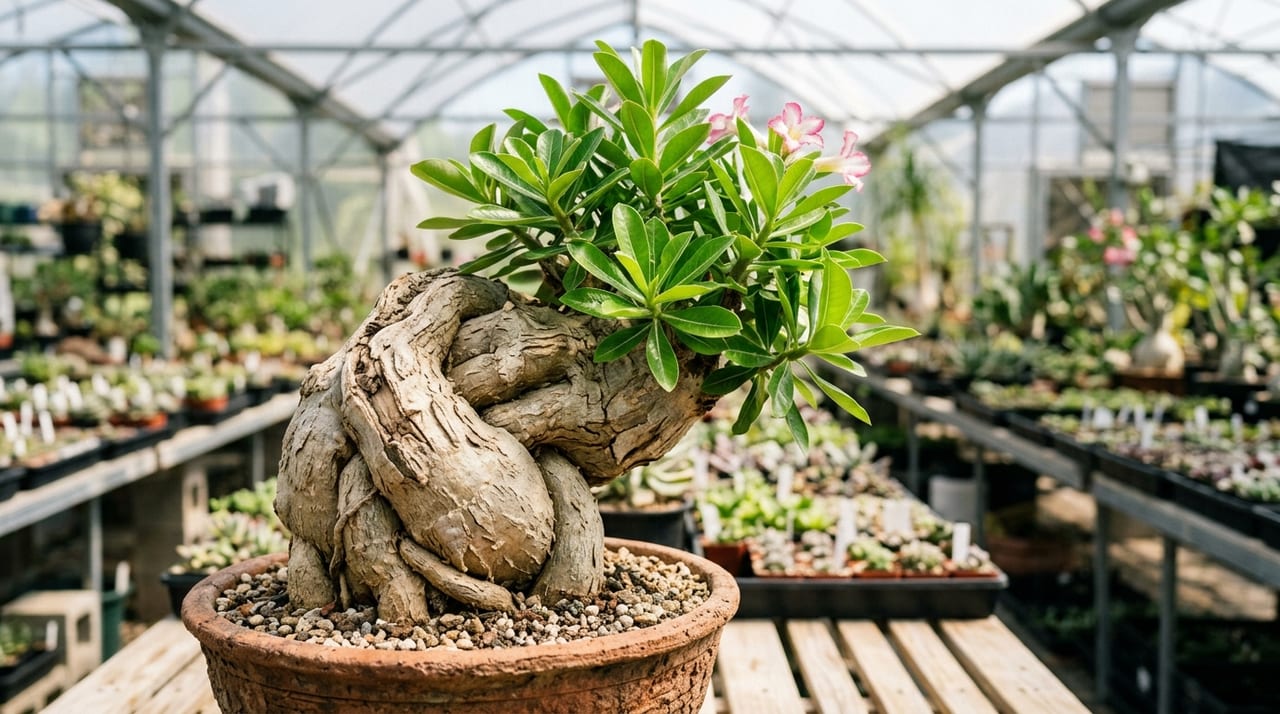
Key Takeaways
A symptom-by-symptom breakdown of why caudex plant leaves turn yellow. Learn to identify nutrient deficiency signs—nitrogen, magnesium, iron deficiency (lower leaf yellowing, interveinal chlorosis, new leaf whitening)—and distinguish them from root rot and natural leaf drop, plus seasonal fertilizing timing.
Related Species
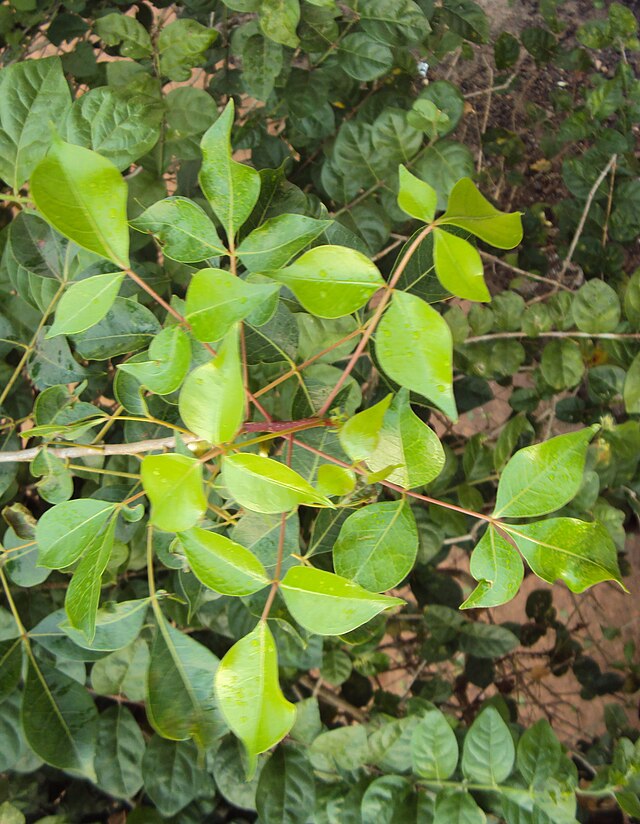
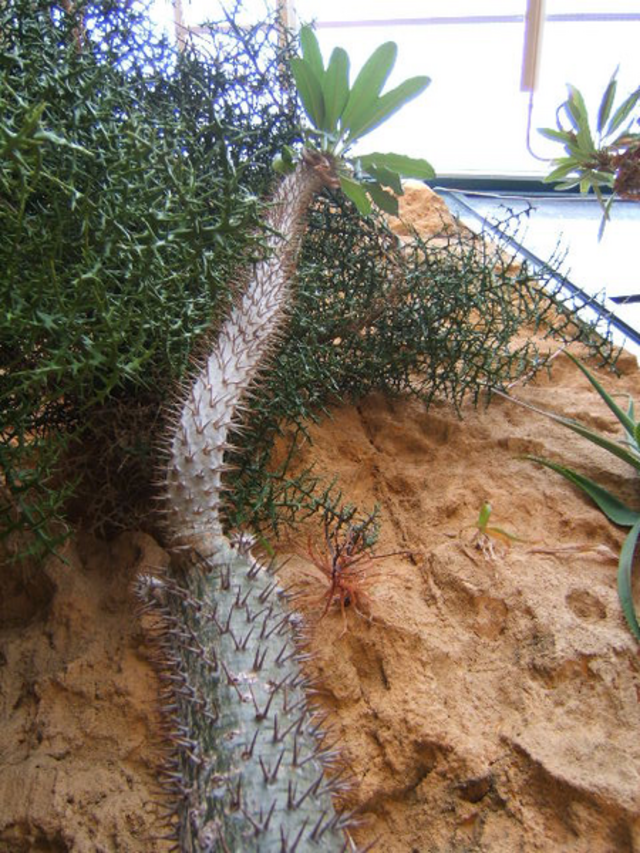
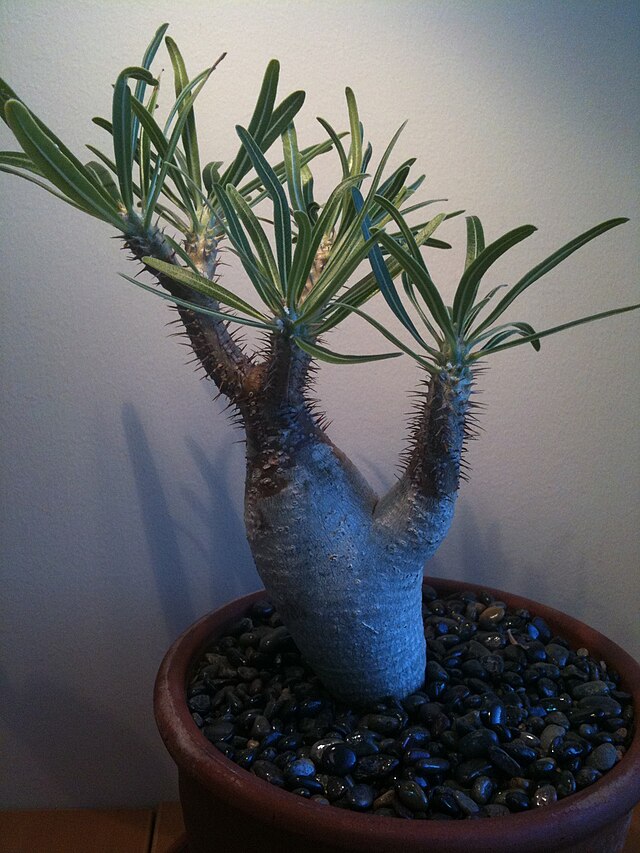
When growing caudex plants, you may suddenly notice changes like "leaves are turning yellow," "only the veins remain green," or "new leaves are small and shriveled." These changes are often not caused by disease or pests, but by nutrient deficiency.
Caudex plants grow relatively slowly, and since over-fertilizing risks root damage, many growers tend to use little fertilizer. However, without any fertilizer, plants won't grow healthily, and it affects the development of beautiful leaves and the fullness of the caudex. This article explains how to recognize nutrient deficiency early from the appearance of leaves and plants, and how to respond appropriately.
Fertilizing Philosophy for Caudex Plants
Caudex plants are adapted to nutrient-poor soil in their native habitats, so they don't need as much fertilizer as typical ornamental plants. However, it's a misconception that they need no fertilizer—during the growing season (spring through fall), they require appropriate nutrient supplementation.
The three major nutrient elements each play different roles.
- Nitrogen (N): Promotes growth of above-ground parts like leaves and stems. Excess causes leggy growth
- Phosphorus (P): Aids root development, flowering, and fruit/seed set
- Potassium (K): Strengthens cell walls, enhances disease resistance, and promotes caudex fullness
In addition, micronutrients like magnesium (Mg), calcium (Ca), and iron (Fe) are also essential for healthy leaf development.
Nitrogen Deficiency: Overall Leaf Yellowing
Symptoms: Lower, older leaves begin turning pale yellow to yellow overall. Color fades uniformly, including the veins—this is characteristic.
Cause: The soil lacks nitrogen, or insufficient fertilizer is applied during the growing season. If using well-draining soil, nitrogen leaches out with each watering.
Solution: During the growing season (spring through summer when temperatures are stable), apply a diluted nitrogen-containing liquid fertilizer about once a week. For plants like Pachypodium, overly concentrated fertilizer can damage roots, so starting at about half the recommended strength is safer.
Note: Don't confuse this with natural yellowing during dormancy in fall and winter or before natural leaf drop. Winter dormancy involves the whole plant gradually dropping leaves, whereas nitrogen deficiency tends to progress from lower leaves.
Phosphorus Deficiency: Undersides of Leaves Turn Purple-Red
Symptoms: Undersides of leaves and stems take on a red-purple to dark-purple tint. This is especially common when temperatures are low. Growth may slow significantly.
Cause: Phosphorus is insufficient, or the soil is too acidic, making phosphorus difficult for the plant to absorb.
Solution: Apply phosphorus-rich fertilizer (like blooming and fruit-set promoters) during the growing season. Also, when repotting, mix in a small amount of dolomitic limestone or similar to prevent the soil from becoming too acidic.
Note: Some caudex plants (like Commiphora and Boswellia) naturally have reddish tints on leaf stems and petioles, so it's important to distinguish normal color from pathological discoloration. Review purchase photos and species characteristics to be sure.
Potassium Deficiency: Leaf Margins Turn Scorched Brown
Symptoms: Leaf margins turn yellow to brown and eventually become necrotic, resembling sunscald. However, sunscald from excessive light starts with upper leaves (sun-facing), whereas potassium deficiency typically progresses from lower and outer leaves.
Cause: Potassium is depleted from using the same soil for extended periods, or it leaches out from excessive watering.
Solution: Apply potassium-rich fertilizer (wood ash, potassium fertilizer, potassium sulfate, etc.). Updating to fresh soil during repotting also addresses the root cause.
Magnesium Deficiency: "Chlorosis" with Only Veins Remaining Green
Symptoms: Only the veins (primary and secondary) remain green while the tissue between veins (interveinal areas) turns yellow to pale yellow—a condition called "interveinal chlorosis."
Cause: Magnesium deficiency. Magnesium is a component of chlorophyll, and when insufficient, photosynthetic capacity declines. Magnesium is water-soluble and leaches easily, especially in well-draining soils.
Solution: Mix a small amount of dolomitic limestone (magnesium carbonate and calcium carbonate blend) into the soil, or apply diluted magnesium liquid fertilizer as a foliar spray.
Iron Deficiency: New Leaves Turn Pale Yellow-White
Symptoms: Young new leaves (particularly the tips) become nearly white to pale yellow-white. While similar to magnesium deficiency, iron deficiency characteristically appears on new leaves rather than older ones.
Cause: When soil pH is high (alkaline), iron becomes insoluble and unavailable to the plant. This occurs when soil contains abundant lime-based amendments or when alkaline tap water is used long-term.
Solution: Apply chelated iron (iron in a form easily absorbed by plants) as a foliar spray or soil drench. Fundamentally, soil pH needs adjustment. Repotting into soil with more acidic ingredients—such as akadama, pumice, or Kiryu sand—is effective.
Calcium Deficiency: New Shoots & Growing Tips Curl & Decay
Symptoms: The growing point (apical and new shoots) browns and shrivels; leaves curl or become deformed. In Pachypodium, new leaves may fail to open normally and stay tightly curled.
Cause: Calcium deficiency, or high temperatures and excessive moisture inhibit calcium uptake by roots.
Solution: Apply calcium-containing fertilizer (such as calcium nitrate). If overwatering is the cause, reduce watering temporarily and improve soil aeration. If the growing point has rotted, remove it with clean scissors, dry the area, and apply a protective agent (sulfur powder, rooting hormone, etc.).
When Multiple Deficiencies Overlap
In practice, it's not uncommon for multiple nutrients to be deficient simultaneously. The following situations make combined deficiencies especially likely:
- Long time since repotting: Soil deteriorates and multiple nutrients become depleted
- Extremely well-draining soil (mostly inorganic): Without fertilizing, nutrients become severely depleted
- Watering only with soft or distilled water: Mineral content is minimal, so micronutrients aren't replenished
To prevent this, apply a comprehensive micronutrient-containing liquid fertilizer once or twice per month during the growing season. Commercial all-purpose liquid fertilizers for succulents and houseplants include magnesium and iron in addition to nitrogen, phosphorus, and potassium, making it easy to maintain nutritional balance.
Distinguishing Deficiency Symptoms from Toxicity & Disease
Distinguishing from Fertilizer Toxicity
Overfertilizing (toxicity) causes leaf margins to brown, root damage, and growth arrest. While these can resemble deficiency symptoms, compare against your fertilizer history. If strong fertilizer was recently applied, suspect toxicity; if no fertilizer has been given for a long time, suspect deficiency.
Distinguishing from Disease & Pests
- Scattered spots on leaves with irregular shapes: Possible fungal disease (like leaf spot) or pests (like spider mites)
- Leaves change color uniformly: Likely nutrient deficiency
- Leaves are sticky or have white powder: Pests like aphids or scale insects
Distinguishing from Root Rot & Drought Stress
Lower leaf yellowing can also appear in early root rot. If the soil stays wet for long periods and the base or caudex feels soft and mushy when pressed, suspect root rot rather than deficiency. See Complete Guide to Caudex Root Rot Rescue for treatment. Conversely, if the soil is extremely dry and leaves yellow while appearing shriveled, it's a drought sign—recovery comes with thorough watering. Before adding fertilizer, first check soil moisture and caudex firmness.
Seasonal Fertilizing Timing & Precautions
The golden rule for caudex fertilizing is to apply fertilizer only during the growing season.
| Season | Fertilizing Guide |
|---|---|
| Spring (Mar–May) | Start light fertilizing as growth begins. Monthly liquid fertilizer (1–2 times) |
| Summer (Jun–Aug) | Peak growth. Liquid fertilizer twice monthly or slow-release solid fertilizer |
| Autumn (Sep–Oct) | Reduce fertilizing as growth slows |
| Winter (Nov–Feb) | Generally do not fertilize. Dormant plants barely absorb nutrients via roots |
Summer growers like Pachypodium gracilius and Adenium concentrate fertilizing in spring and summer, while winter growers like Dioscorea elephantipes (tortoise plant) fertilize during their fall-to-winter growth season. Tailor management to each species' growth cycle.
Start with Healthy Plants from GrowerDirect
The best prevention for nutrient deficiency is starting cultivation with a healthy plant. Weak plants often have damaged roots that absorb nutrients poorly, and fertilizing won't help much no matter how much you apply.
At GrowerDirect, you can purchase healthy, domestically-grown caudex plants directly from growers. By checking with sellers about cultivation history, soil, and fertilizing practices before purchasing, you can start with proper nutrient management from day one. As you observe leaf color and condition, you'll find the ideal fertilizing rhythm for your plant.