Caudex Plants' Flowering Season and Seasonal Signs | Complete Guide to Management Timing for Full Bloom
Explains flowering season, seasonal signs, and management methods to promote blooming for caudex plants such as Pachypodium and Adenium. A comprehensive guide to maximizing enjoyment of their beautiful flowers.
Key Takeaways
Explains flowering season, seasonal signs, and management methods to promote blooming for caudex plants such as Pachypodium and Adenium. A comprehensive guide to maximizing enjoyment of their beautiful flowers.
Related Species
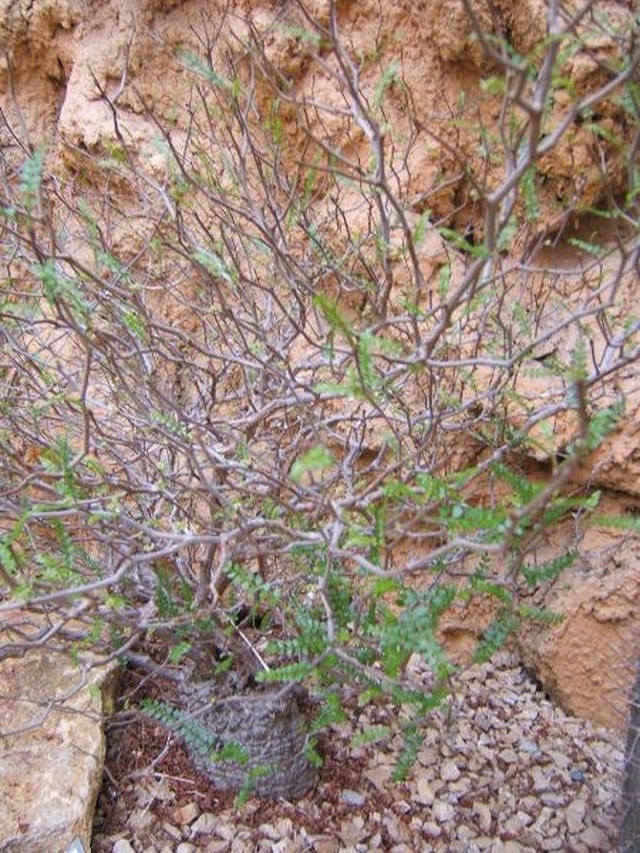
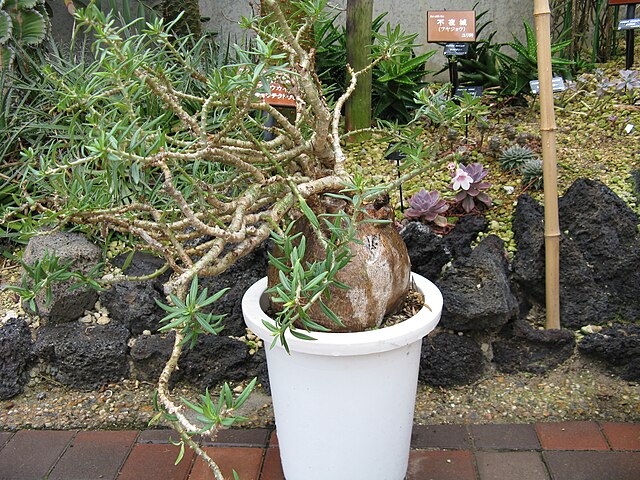
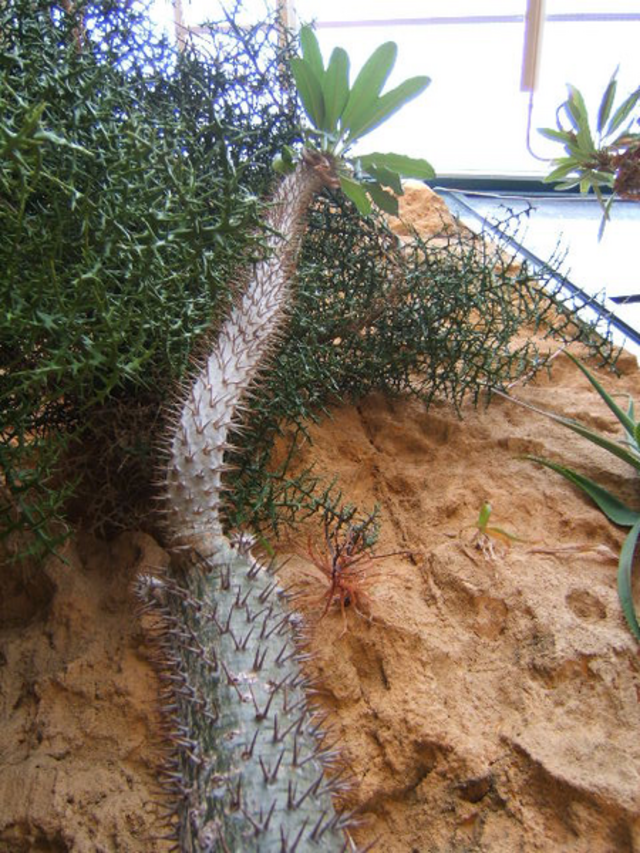
The greatest appeal of caudex plants is not just their distinctive bulbous stems. It is the beautiful and elegant flowers that bloom from spring through summer. However, many beginners struggle with the fact that despite growing caudex plants, they have never seen them flower. This time, we will explain in detail the conditions for caudex plants to produce flowers, seasonal signs, and cultivation management to promote blooming.
Flowering Mechanism of Caudex Plants
For caudex plants to produce flowers, multiple conditions must be met. In many cases, simply growing them does not lead to flowering.
- Plant Maturity For caudex plants to flower, a certain number of years and growth period are necessary. Pachypodium generally requires 3–5 years, and Adenium requires approximately 2–3 years of growth before flowering begins to appear.
- Light Intensity and Sunlight Duration Caudex plants accumulate energy through photosynthesis, and that energy is directed toward flowering. They require more than 8–10 hours of direct sunlight per day, which is why flowering is difficult in indoor cultivation.
- Temperature and Seasonal Change Caudex plants sense seasonal temperature changes and switch on flowering. Experiencing a cold winter period acts as a trigger to promote spring flowering.
- Balance of Nutrients and Moisture Flowering requires substantial energy. It is a prerequisite that sufficient nutrients be accumulated in the caudex and stems.
Flowering Time by Variety
Flowering times for caudex plants vary by variety. Here are flowering patterns for representative varieties.
| Variety | Flowering Time | Flower Characteristics |
|---|---|---|
| Pachypodium lamerei (Ivory Pagoda) | April–May | Yellow flowers |
| Pachypodium bispinosum | May–June | Red trumpet-shaped flowers |
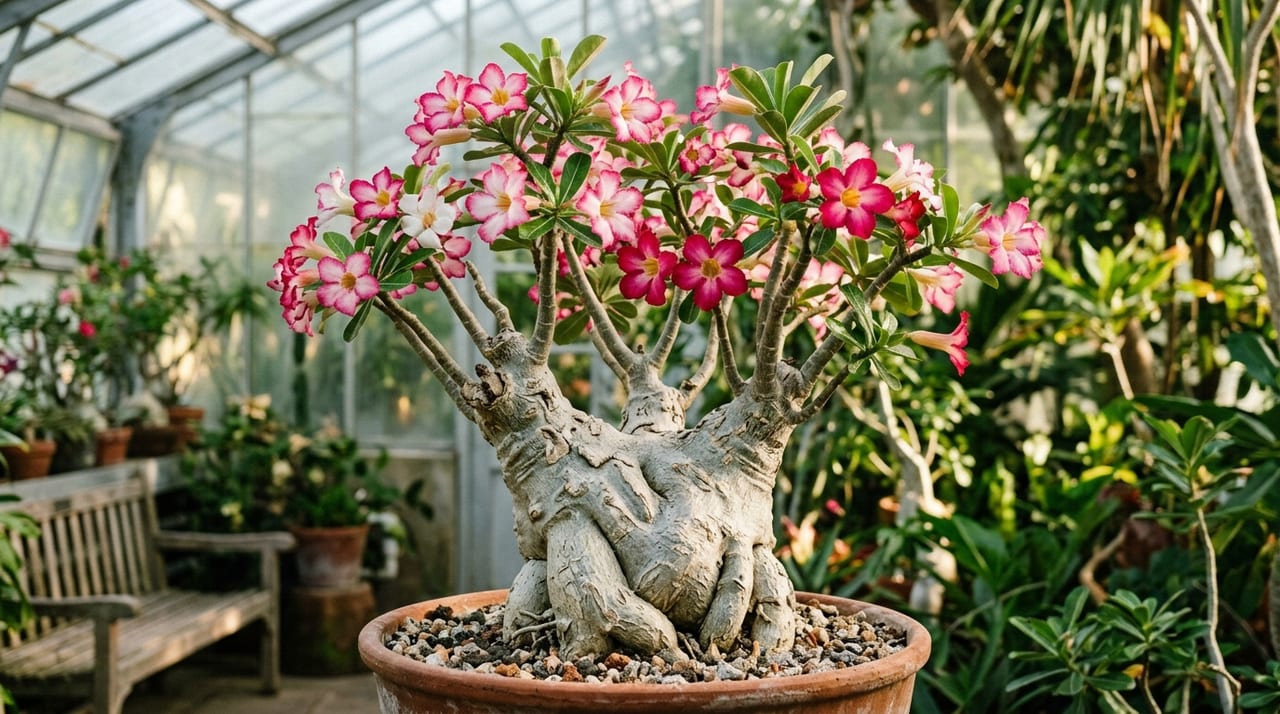
| Adenium obesum | May–August | Pink or white flowers |
| Operculicarya decaryi (Ivory Pagoda) | April–May | Small yellow flowers |
| Didiereaceae genus | June–July | Small white or cream-colored flowers |
Pachypodium species typically flower from early spring through early summer. Adenium obesum is characterized by a long flowering period, and with proper management, multiple flowering cycles can be expected. Operculicarya decaryi (Ivory Pagoda) has smaller flowers than Pachypodium, but possesses unique charm. Didiereaceae species often have uniquely shaped forms, and when flowering, their presence becomes even more striking.
Seasonal Signs Before Flowering
The following seasonal signs appear when caudex plants are preparing for flowering. By recognizing these, you can predict the timing of flowering.
- Emergence of New Shoots In early spring, new buds become prominent at the tips of the caudex and branches. These new shoots may contain not just leaves but also flower buds.
- Change in Leaf Color When the plant awakens from its winter dormancy period, leaf color changes vividly. New leaves becoming deep green signals preparation for flowering.
- Caudex Becomes Softer The caudex, which hardened during winter, becomes slightly softer as spring approaches. This is evidence that physiological activity within is becoming more active.
- Acceleration of Vine and Branch Growth Rate As temperatures rise, new stems and branches begin growing rapidly. At this stage, more fertilizer and moisture are required.
Cultivation Management to Promote Flowering
To realize flowering in caudex plants, seasonal management is important. Please refer to the following steps.
- Winter (November–February) Management Winter is the dormancy period for caudex plants. It is important to maintain temperatures at a minimum of 5–10°C while keeping them as cool as possible. Limit watering to approximately 1–2 times per month to conserve the energy accumulated in the caudex. Management during this period greatly affects spring flowering vigor.
- Preparation for Early Spring (March–April) In March, temperatures gradually begin to rise. At this time, it is important to start increasing the frequency of watering and begin supplying fertilizer. By applying fertilizer with a higher ratio of phosphorus and potassium (flower-promoting fertilizer) 1–2 times per month, flower bud formation is promoted.
- Optimal Management During Flowering Period (May–August) From May onwards, when temperatures are sufficiently high, prolonged exposure to sunlight outdoors during the day is essential. Place them outside all day to ensure sufficient light. Water generously once the soil begins to dry, promoting growth. Apply diluted fertilizer approximately once weekly to support flowering.
- Post-Flowering Management Even after flowers finish blooming, continued proper management may result in additional flowers. Particularly for Adenium, multiple flowering cycles can be expected, so post-flowering fertilizer management is important.
Causes and Solutions When Flowering Does Not Occur
We introduce causes and solutions for the concern "flowers won't bloom" encountered by many enthusiasts.
| Cause | Details | Solution |
|---|---|---|
| Insufficient Light | Most common cause | Consider switching from indoor to outdoor management and placing near a south-facing window |
| Lack of Cold Exposure | If the environment is too warm in winter, the flowering switch may not activate | Try to maintain a cool environment during winter as much as possible |
| Plant Immaturity | Young plants that are not yet a few years old may not yet have the capacity to flower | Continue cultivation patiently |
| Nutrient Deficiency | If sufficient nutrients have not accumulated in the caudex, flowering may not occur | Provide appropriate fertilizer management throughout the year |
Summary: Flowering Is Proof of Successful Cultivation
Making beautiful flowers bloom on caudex plants is proof that you have managed the plant appropriately. By carefully managing the plant through each season, not missing flowering signs, and preparing step by step, you will certainly reach the moment of full bloom. The joy of bringing caudex plants to flower over time becomes an irreplaceable experience for plant enthusiasts.