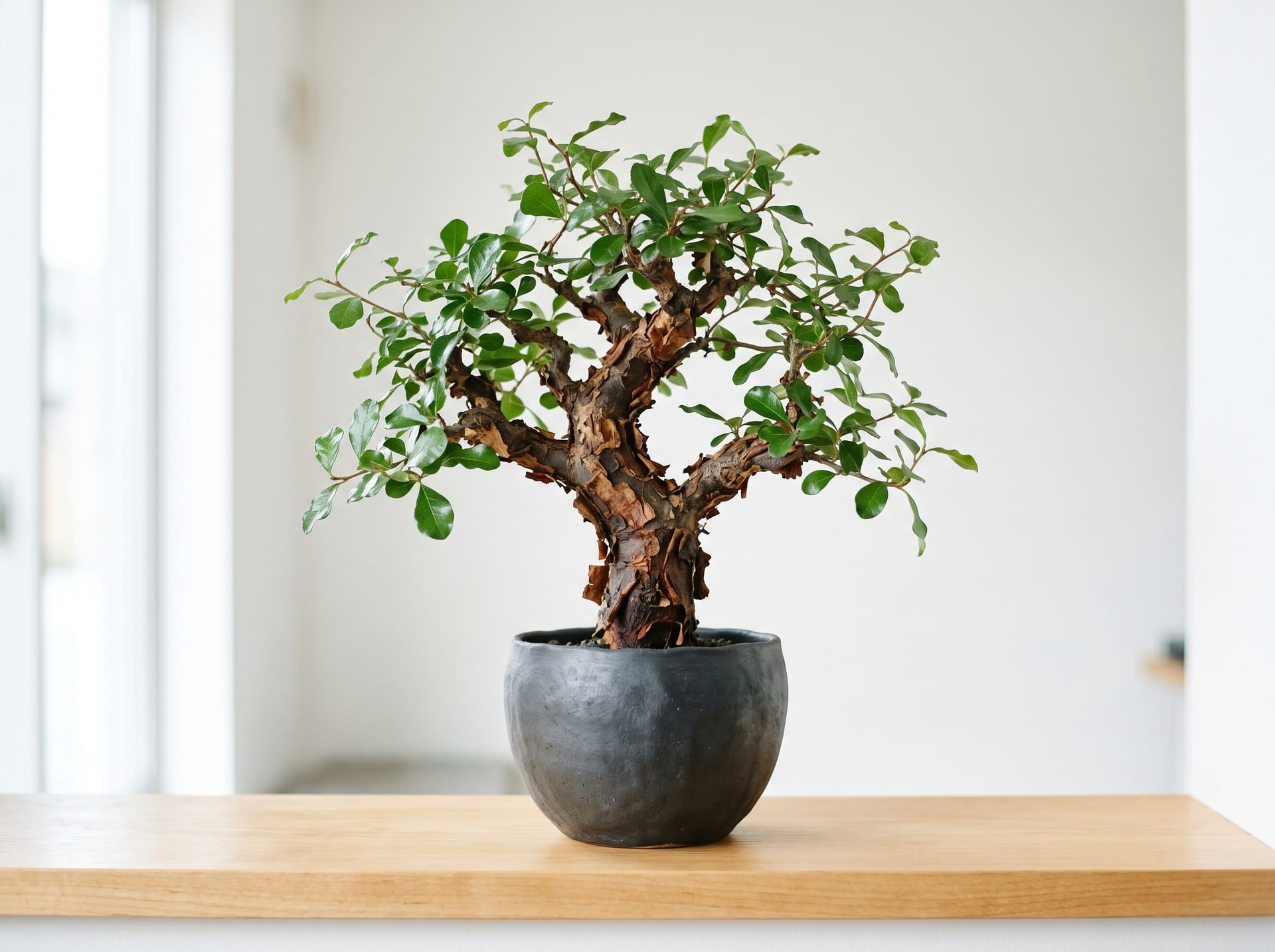
AI-generated image
Commiphora
AdvancedCommiphora
A myrrh-related caudex plant with peeling bark and distinctive trunk from Africa.
About
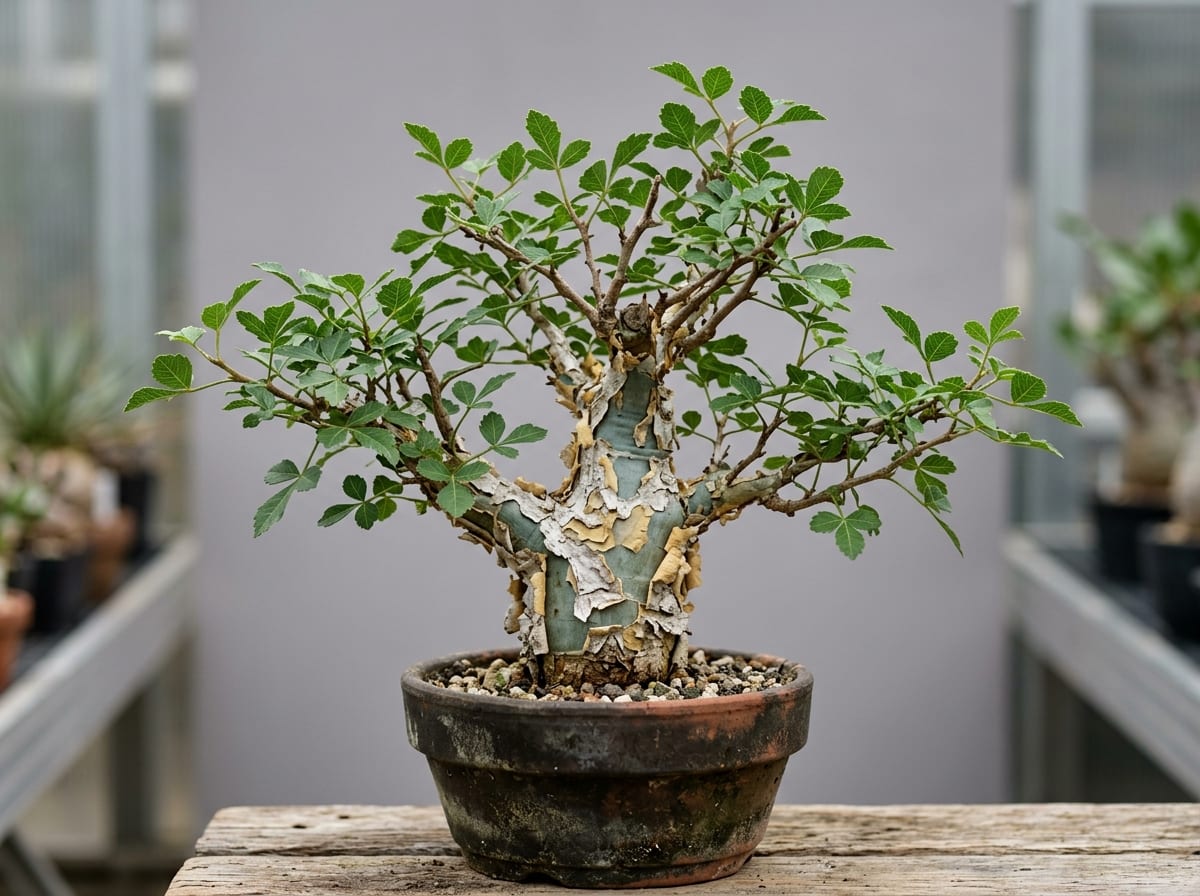
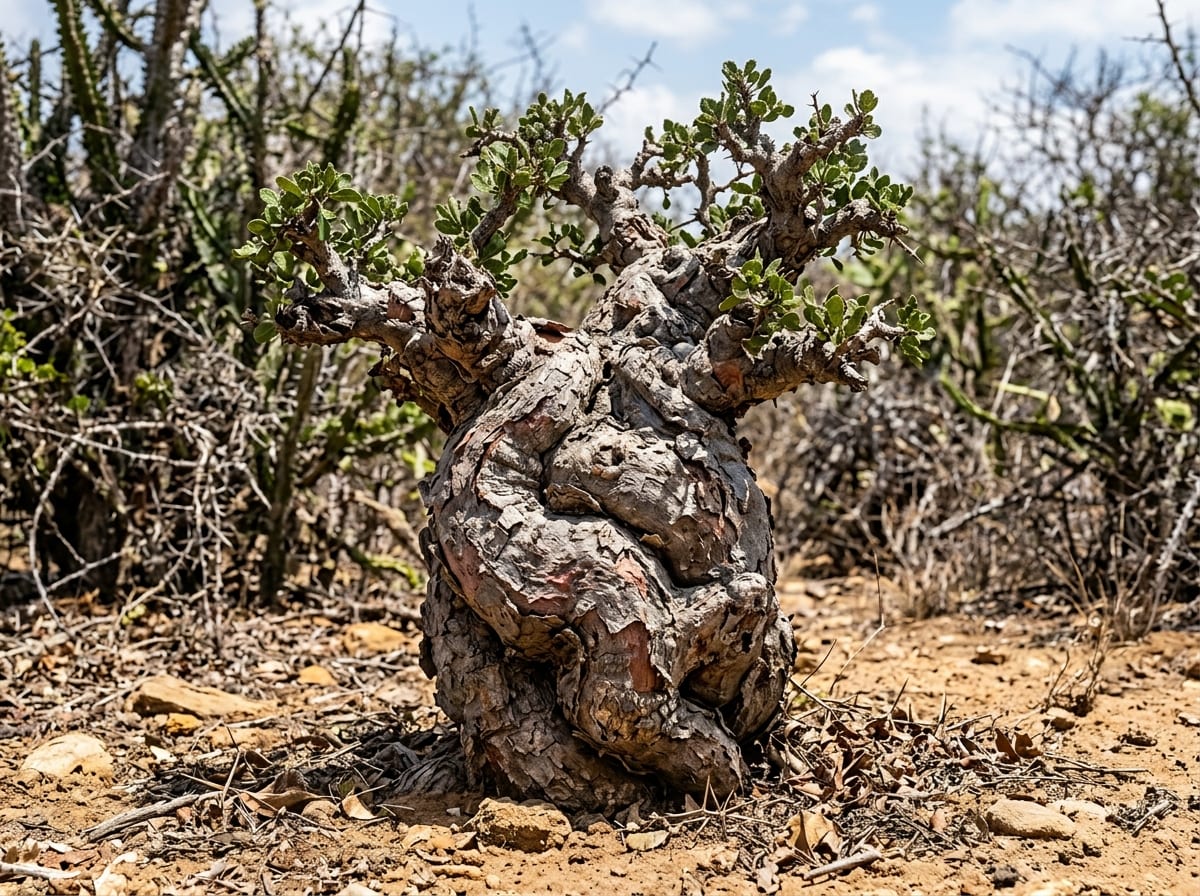
Commiphora is a large genus of approximately 190 species in the Burseraceae family, distributed across sub-tropical Africa, the western Indian Ocean islands, the Arabian Peninsula, India, and South America. The genus has been valued since antiquity as the source of myrrh and other aromatic resins. Species cultivated as caudex plants are prized for their beautifully peeling bark, which varies in color from green and yellow to gray depending on species. The trunk becomes substantially swollen with age, and plants are deciduous, dropping leaves during dry season dormancy. Leaves are typically pinnate, providing lush greenery during the growing season. Growth rate varies by species but is generally slow. All require full sun, highly porous soil, generous watering when growing, and complete drought during winter dormancy. Sensitive to cold and overwatering. The textured peeling bark, fragrant resin, and distinctive trunk forms appeal to discerning caudex collectors.
Source: Wikipedia (CC BY-SA 4.0)
Lifespan of the Commiphora
The Commiphora lives 30+ years.
Size of the Commiphora
The Commiphora grows to 20-60cm.
Basic Info
Origin
Africa, Arabian Peninsula, Indian Ocean islands
Lifespan
30+ years
Size
20-60cm
Temperature
10〜35℃
Growing Tips
Light & Placement
It prefers full sun and is very tolerant of hot, dry conditions. In the growing season, keep it outdoors in a sunny, airy spot.
Watering
In the growing season, water thoroughly once the soil dries. It dislikes wet soil, so let the pot dry out well, and withhold water during winter dormancy.
Temperature & Overwintering
It tends to be sensitive to cold and wet. Bring it into a warm, dry, bright room for winter and keep it unwatered.
Soil & Repotting
An extremely fast-draining mix suits it. Growth is generally slow, so repot only when root-bound, at the start of the growing season.
Dormancy Care
It drops leaves and rests in the dry season. Stop watering once leaves fall in winter and resume when it leafs out in the growing season.
Commiphora FAQ
QWhat is the growing difficulty level for Commiphora?
Advanced. A variety suitable for advanced growers. Requires advanced cultivation techniques and specialized equipment, with careful environmental adjustments needed.
QWhat is the lifespan of Commiphora?
The average lifespan of Commiphora is 30+ years. With proper cultivation environment and nutrient management, you can keep it healthy for a long time.
QHow large does Commiphora get?
The mature size of Commiphora is 20-60cm. This may vary slightly depending on cultivation environment and individual differences.
QWhat is the typical price for Commiphora?
The price of Commiphora varies significantly by variety, characteristics, size, and lineage. Please check GrowerDirect's price guide for the latest market information.
Last updated: July 5, 2026
References & Sources
Edited & verified by: GrowerDirect Editorial Team
The classifications, regulations, and growing data on this page are created and verified based on the primary information database below.
Primary sources
Related Species
Find listings for this species
Related Articles
Commiphora Growing Guide | Enjoy Myrrh Trees Styled as Bonsai
Explains Commiphora (myrrh tree) varieties and cultivation methods. Introduces care techniques for Burseraceae caudex plants, tree styling, and propagation by cuttings.
How to Grow Uncarina | Differences Between the Madagascar Endemic Species Grandidieri and Roeoesliana
An explanation of the appeal and cultivation methods of the Madagascar endemic caudex plant Uncarina genus. We introduce the differences between Uncarina grandidieri and roeoesliana, seedling cultivation, and repotting timing.
Complete Guide to Choosing Caudex Plants as Gifts | Recommended Varieties by Occasion and How to Include Care Notes
A guide to choosing caudex plants as gifts organized by occasion. We introduce how to select varieties based on the recipient's cultivation experience and how to include care notes for long-term enjoyment.
Diagnosing and Treating Poor Root Development in Caudex Plants | Causes and Solutions for Roots That Won't Emerge or Won't Grow
A detailed guide to root emergence problems in caudex plants. From diagnosis methods to solutions, practical techniques for promoting healthy root development are introduced.
🩺 Common diseases
Can't find the plant you're looking for?
Post your wishes for free and growers with matching plants will contact you with introductions.