How to Grow Uncarina | Differences Between the Madagascar Endemic Species Grandidieri and Roeoesliana
An explanation of the appeal and cultivation methods of the Madagascar endemic caudex plant Uncarina genus. We introduce the differences between Uncarina grandidieri and roeoesliana, seedling cultivation, and repotting timing.
Key Takeaways
An explanation of the appeal and cultivation methods of the Madagascar endemic caudex plant Uncarina genus. We introduce the differences between Uncarina grandidieri and roeoesliana, seedling cultivation, and repotting timing.
Related Species
What is the Uncarina Genus?
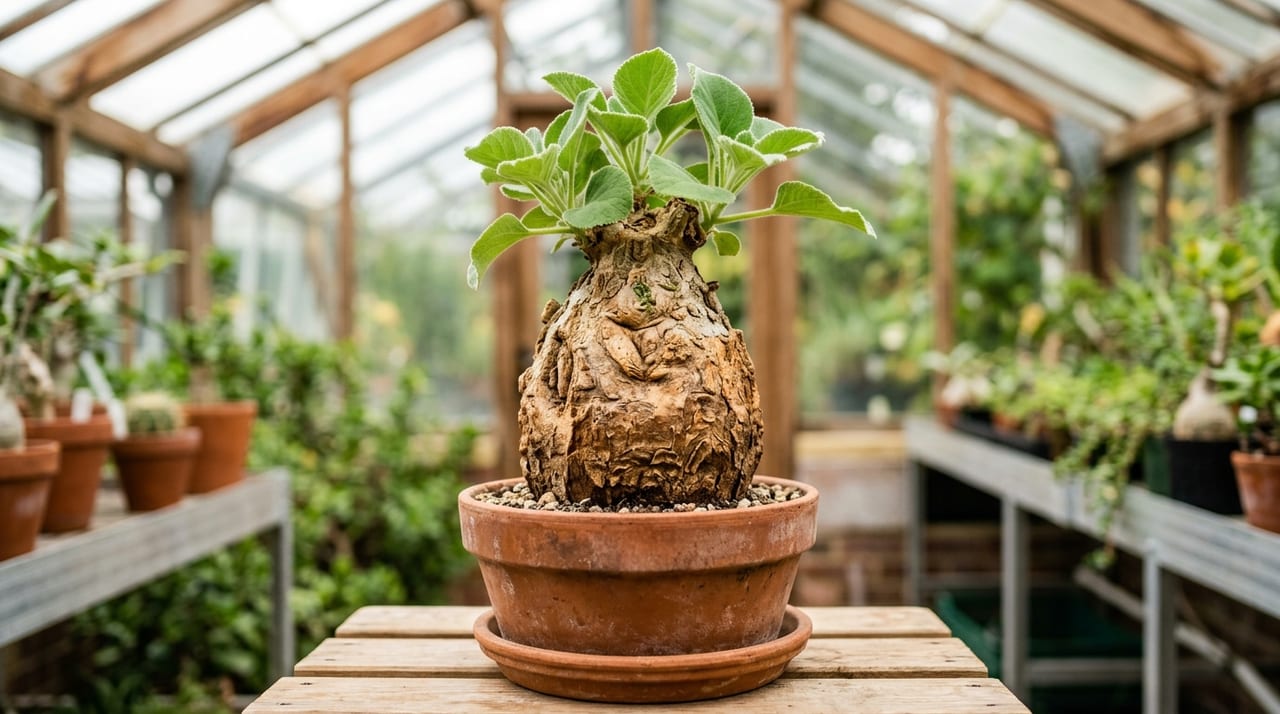
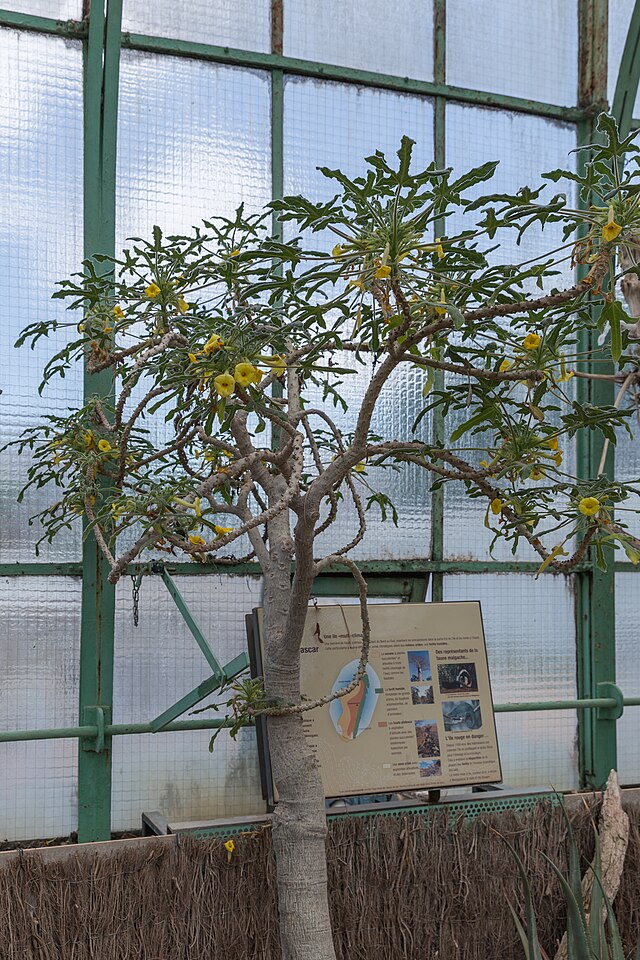
The Uncarina genus (Uncarina) is a caudex plant in the sesame family that grows wild only on Madagascar, located in the eastern part of Africa. A dozen or so species are known across the genus, and all are endemic to Madagascar, with a unique survival strategy adapted to a dry, seasonal climate. They develop large caudexes near the soil surface, survive the harsh dry season by dropping their leaves and entering dormancy, and when the rainy season arrives, they rapidly extend thin branches and produce vibrant yellow flowers.
In the world of caudex plants, agave, pachypodium, and other popular species frequently come up in discussion, but the Uncarina genus is steadily gaining interest as a following presence. The cultivation difficulty is not particularly high, and its unique squat form and beautiful flowers appeal to both serious collectors and beginners in caudex plants.
The two species primarily in circulation are Uncarina grandidieri (Uncarina grandidieri) and Uncarina roeoesliana (Uncarina roeoesliana). Both have plants grown from seed or cuttings by growers in the marketplace, and while they appear similar and are sometimes confused, they have clear differences in leaf shape, growth rate, and flower characteristics. In this article, we will explain in detail the appeal of the Uncarina genus and cultivation tips centered on these two species.
Characteristics and Basic Cultivation of Uncarina Grandidieri
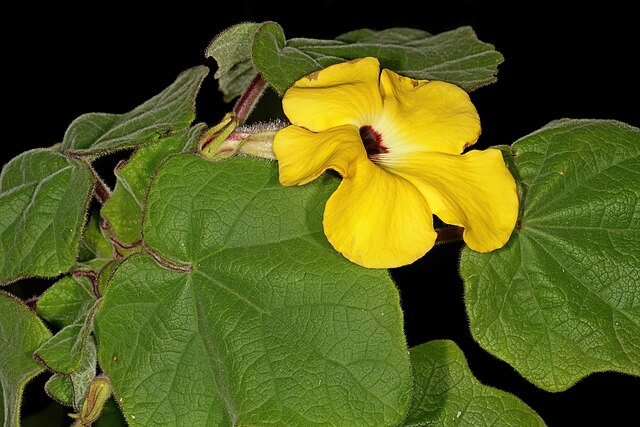
Grandidieri is one of the most representative species in the Uncarina genus. When the plant matures, the caudex diameter can exceed 20 cm, giving it a substantial presence. The leaves are rounded, nearly heart-shaped, with fine velvety hairs on the surface, giving them a soft texture to the touch. The flowers are a vibrant yellow with reddish-brown markings in the center, and during the flowering period, the entire plant has an elegant appearance.
The key points for basic cultivation are as follows.
- Location: Choose a spot with good sunlight and air circulation. If outdoors, a covered area sheltered from rain or a south-facing balcony is ideal.
- Soil: Prioritize drainage and use a high-draining mix combining small-grain akadama, pumice, and hinoki soil. You can also effectively use commercial succulent substrate as a base with an additional 10-20% pumice.
- Watering (Growing Season): During the growing season from April to October, wait until the soil surface is completely dry, then water thoroughly until it drains from the bottom holes. Do not allow water to sit in the saucer, as this can cause root rot—always empty the saucer after watering.
- Watering (Dormant Period): When temperatures drop below 15°C, growth slows and leaf drop begins. During this period, drastically reduce watering to once or twice monthly, giving only small amounts after the soil is completely dry.
- Temperature Management: The minimum temperature should be around 10°C. Protect from frost by moving indoors to a bright window during winter.
How to Distinguish Uncarina Roeoesliana and Differences
Roeoesliana closely resembles Grandidieri in appearance but can be distinguished by several characteristics. First, in terms of leaf shape, Roeoesliana has slightly deeper serrations on the leaf margins, giving the entire leaf a somewhat sharper appearance. The flowers are also slightly smaller, and when mature, the plant does not become as large as Grandidieri.
Regarding growth rate, Roeoesliana tends to grow more slowly. This is not a drawback; rather, it is an advantage for those who want to enjoy the plant for a long time in limited space or lack room for larger pots. For beginners growing caudex plants for the first time, Roeoesliana is an easy choice due to its easier size management.
Cultivation conditions are mostly the same between the two species, but Roeoesliana appears to have slightly lower tolerance for excess moisture. Even during the growing season, being mindful to let the soil dry completely before watering helps reduce the risk of root rot. Also, seedling-grown plants have relatively delicate fine roots, so careful handling that minimizes stress to the roots during repotting is necessary.
If the species name is unclear at the time of purchase, it is best to confirm with the seller or grower. A plant with information about its origin, seedling age, and cultivation history makes it easier to plan future care.
Cultivation from Seed and Repotting Timing
Among caudex plants, Uncarina is relatively easy to grow from seed. The seeds have a hard shell with a thin fruit coating; soaking them in water overnight before sowing promotes water absorption and increases germination rate. The ideal germination temperature is around 25-30°C, and sowing in early summer when temperatures stabilize is easier to manage and results in smooth growth after germination.
After germination, place the seedlings in a bright location away from direct sunlight, being careful not to dry them out or allow them to become too humid. After about a year, the caudex begins to visibly swell, and you can enjoy observing the plant's individual character developing. Growing from seed allows you to experience every stage of growth firsthand, deepening your attachment to the plant.
Repotting is best done at the beginning of the growing season in April to May. As roots fill the pot, growth slows, so repot to a container one size larger about every 2-3 years. The procedure is as follows.
- Stop watering a few days before repotting and allow the soil to dry.
- After removing the plant, gently loosen the root ball and trim any damaged or rotted roots with clean scissors.
- Dry the cut roots in shade for several hours to half a day.
- Plant in fresh, dry soil and refrain from watering for a few days.
- After a few days, gradually resume watering while returning to normal care.
Excessive watering immediately after repotting can cause rot at the cut sites, so resume watering gradually while monitoring the plant's condition.
Checklist When Purchasing from Growers
Uncarina is not widely available, and you may rarely encounter it at conventional garden centers or home improvement stores. Therefore, using an online marketplace where growers directly list their plants makes it easier to choose plants with clear provenance and obtain information about seedling age and cultivation history.
The key points to confirm at purchase are as follows.
- Species Name and Origin: Confirm whether it is Grandidieri or Roeoesliana, and if possible, verify origin information.
- Seedling Age or Plant Age: This provides a benchmark for caudex growth rate. Knowing the age makes it easier to plan for future growth.
- Caudex Condition: Check photos for fullness of the caudex and any signs of damage.
- Shipping Time: Winter shipping during dormancy puts stress on the plant, so choosing shipment during the growing season is safer.
The plant may have experienced transport stress upon arrival. Avoid immediately placing it in strong direct sunlight; instead, observe it in bright partial shade for a few days before moving it to its normal location, which aids acclimation. Especially when arriving in winter, acclimate it thoroughly to room temperature before resuming watering, which is important for minimizing stress to the plant.
Summary
Uncarina, while endemic to Madagascar with its own unique ecology, is a relatively gentle caudex plant to cultivate. Both Grandidieri and Roeoesliana are attractive species, but by understanding the differences in final size and growth rate, you can choose a plant that suits your space and care style for years to come. If you follow the basics of well-draining soil, good sunlight, and reduced watering during dormancy, even beginners can successfully grow these plants.
When you want to further explore the world of caudex plants, Uncarina is definitely worth considering as your "next step." Choosing a plant with clear provenance directly from a grower increases confidence in your cultivation success.