Pachypodium Species Guide | Characteristics and Differences of Gracilis, Brevicaule, and Baronii
A detailed introduction to the most popular Pachypodium species. This guide explains the characteristics and differences of Gracilis, Brevicaule, Baronii, Lamerei, and Horombense, along with cultivation tips for each.
Key Takeaways
A detailed introduction to the most popular Pachypodium species. This guide explains the characteristics and differences of Gracilis, Brevicaule, Baronii, Lamerei, and Horombense, along with cultivation tips for each.
Related Species
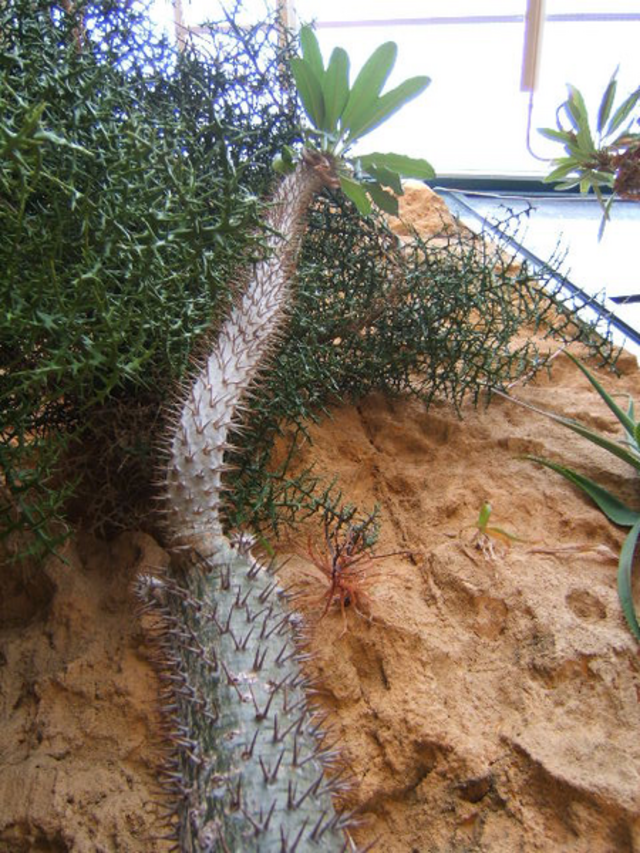
Pachypodium is a prominent genus of caudex plants native to Madagascar and southern Africa, captivating collectors worldwide. Its greatest appeal lies in the plump caudex, prominently spined trunk, and the variety-specific flower colors. In recent years, improved domestic seed propagation techniques have made these plants more accessible, gaining popularity among enthusiasts from beginners to advanced collectors. This article focuses on the particularly popular Gracilis, Brevicaule, and Baronii, clarifying the characteristics and differences of major species, as well as essential cultivation tips.
What is Pachypodium?
Pachypodium is a group of succulents in the Apocynaceae family, with the genus name deriving from Greek words meaning "thick foot." As the name suggests, these plants are characterized by distinctively swollen roots and trunks, giving them exceptional visual presence.
In their native habitats of arid rocky terrain and sandy-gravel areas, they have evolved mechanisms to store water and nutrients internally to adapt to harsh conditions. This survival strategy directly manifests as their distinctive forms, with significant variation between individual plants of the same species, contributing to their high collectibility.
The fundamentals of cultivation are "drainage and sunlight." All species are susceptible to root rot, making pot and soil selection critical to successful cultivation. In domestic cultivation, spring through autumn is the growing season, with winter being the dormant period. When in doubt about soil selection, refer to the Caudex Plant Soil Selection Guide and prepare a mix prioritizing drainage.
Gracilis | The Beloved #1 Species with a Round Caudex
Basic Characteristics
Gracilis (Pachypodium gracilius) is by far the most popular Pachypodium species. Native to rocky areas in Madagascar's central highlands, its most captivating feature is the round or pear-shaped caudex. It produces bright yellow flowers at branch tips from spring through autumn, and its rounded trunk shape remains visually appealing even during the leafless winter months.
Differences Between Wild-Collected and Domestic Seed-Grown Plants
Two types of Gracilis are available: "wild-collected" and "domestic seed-grown" plants. Wild-collected plants are imported from Madagascar and possess a distinctive character and presence developed over decades in their natural habitat. However, they often suffer significant root damage during quarantine processing upon import, requiring expertise in root management.
Domestic seed-grown plants are adapted to Japanese climate conditions, and most are already rooted, making them easier for beginners to manage. These plants exhibit significant individual variation in shape, offering the pleasure of selecting your preferred silhouette—ranging from very round to elongated forms or those with unique branching patterns.
Cultivation Tips
- Soil: A well-draining mix combining akadama, pumice, and perlite
- Watering: During the growing season (spring–autumn), water thoroughly after the soil dries completely. In winter, withhold water or water once monthly.
- Light: Provide as much direct sunlight as possible. Insufficient light causes etiolation.
- Overwintering: Maintain a minimum of 5°C. Keep in a well-lit indoor location near a window.
Brevicaule (Ebisu Laughing) | Flat Caudex and Delicate Yellow Flowers
Basic Characteristics
Brevicaule (Pachypodium brevicaule), known by its Japanese name "Ebisu Laughing," is distinguished by its flattened caudex that spreads against the ground. Native to Madagascar's high-altitude regions of 1,200–2,000 m, it grows directly adhered to rocks in its natural habitat. Its appearance evokes statues of Daikokuten and Ebisu, giving it popularity as a plant associated with good fortune.
When spring arrives, vivid yellow flowers emerge successively from the caudex surface, and the compact plant becomes enveloped in blooms—a delightful sight offering excellent photographic appeal during flowering season.
Cultivation Considerations
Brevicaule is considered moderately challenging to cultivate among Pachypodium species. It is particularly susceptible to summer heat and humidity, making rainy season management a critical factor.
- Location: During the rainy season through summer, move to a sheltered eave or indoor location with good airflow and partial shade away from rain.
- Watering: Water less frequently than other species. Excessive moisture directly causes root rot and decay.
- Soil: Emphasize drainage in your mix (a higher proportion of pumice is ideal).
- Temperature: Being high-altitude, protect from intense summer sun. Consider shading on days exceeding 30°C.
Baronii | The Only Pachypodium Species with Red Flowers
Basic Characteristics
Baronii (Pachypodium baronii) is the only Pachypodium species known to produce red to pink flowers. Native to rocky areas in northern Madagascar, it features a commanding form with a vertical trunk densely covered in spines, creating striking contrast with the showy flowers blooming at its apex.
Variety Windsori
Baronii includes the variety Windsori (var. windsori), which grows more compactly than the type species and produces more intensely red flowers, making it particularly popular. Though somewhat harder to obtain, this variety has a dedicated following for its compact form and beautiful flowers.
Cultivation Tips
Adequate light is essential for Baronii to flower. In insufficient light, flower buds form poorly and the plant becomes leafy; cultivate outdoors when possible or in a well-lit indoor location. Cold tolerance is standard for Pachypodium; maintain a minimum of 10°C in winter and move indoors accordingly.
Lamerei and Horombense | Species Enjoyable from Beginners to Intermediate Collectors
Two additional species with considerable availability deserve brief mention.
Lamerei (Pachypodium lamerei) is characterized by its upright trunk and is also called "Madagascar Palm." Though it grows large, it grows quickly and robustly, producing white flowers. It is one of the most suitable species for beginners.
Horombense (Pachypodium horombense) originates from southern Madagascar and attracts with its distinctive form—a swollen base with branching at the top—and beautiful silvery-white trunk. It produces abundant white flowers and reproduces readily from seed, making it ideal for those who enjoy cultivation.
For a comprehensive overview of annual watering, shading, and fertilization cycles by species, please see the Complete Pachypodium Care Guide.
GrowerDirect's Trust & Safety System
GrowerDirect is a platform where you can purchase Pachypodium and other caudex plants directly from specialized growers. By eliminating intermediaries, you can confirm plant condition and provenance directly from the grower—a major advantage.
- Plant Photos: Listing pages feature actual plant images, allowing you to confirm form, size, and condition before purchase.
- Direct Contact with Growers: Ask growers about species-specific cultivation differences or the expected future form of domestic seed-grown plants.
- Pre-Rooted Plants: Most domestic seed-grown plants are carefully cultivated and arrive already rooted, so you can begin standard care immediately upon arrival.
Whether you're seeking a plump Gracilis, rare flowering Baronii, or trying Brevicaule (Ebisu Laughing) for the first time, be sure to check out GrowerDirect grower listings.