Introduction to Cross-Breeding & Hybrids in Caudex Plants | Variety Creation in Adenium & Pachypodium
Fundamental knowledge of creating new varieties through cross-breeding Adenium and Pachypodium. Explains artificial pollination methods, procedures for seed collection, sowing, and selection, and characteristics and precautions for hybrids.
Key Takeaways
Fundamental knowledge of creating new varieties through cross-breeding Adenium and Pachypodium. Explains artificial pollination methods, procedures for seed collection, sowing, and selection, and characteristics and precautions for hybrids.
Related Species

The Significance and Joy of Creating Hybrids
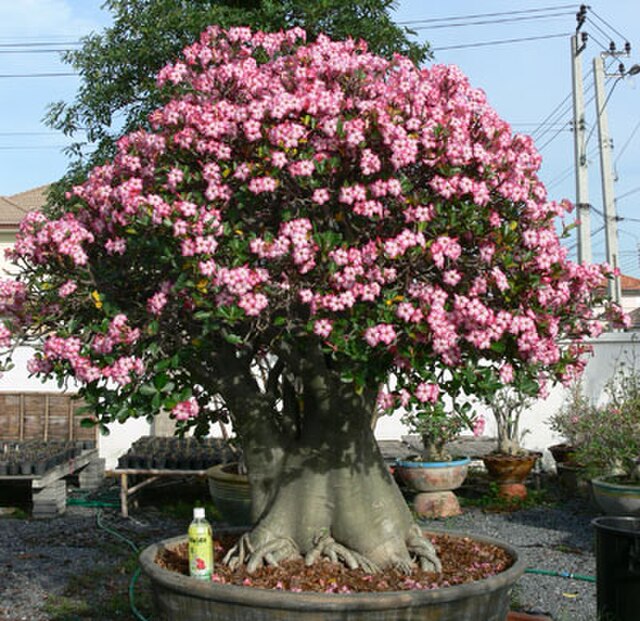
In the world of caudex plants, in recent years cross-breeding (hybridization) for creating new varieties has rapidly gained attention among enthusiasts. In particular, Adenium (Desert Rose) has abundant flower color and pattern variations, and through artificial pollination, you can create a unique specimen like no other in the world. Adenium arabicum, which is robust and suitable as an introduction to cross-breeding, is a representative example often chosen as a parent plant among enthusiasts.
The joy of creating "a plant individual unique to yourself" different from commercially available varieties is the greatest appeal of cross-breeding. Specifically, many enthusiasts pursue cross-breeding with the following goals:
- Target specific flower color and pattern combinations (e.g., red × white picotee patterns)
- Create hardier individuals (utilizing hybrid vigor)
- Improve flowering time or the shape of the caudex portion
- Incorporate characteristics of overseas varieties not in domestic circulation
However, cross-breeding from start (pollination) to results (flowering) typically takes a minimum of 3 to 5 years, and plants that match your expectations do not always emerge. It is a world where you may sow several hundred seeds and only one plant produces flowers exactly as intended. The attitude of enjoying that uncertainty and chance is truly the essence of cross-breeding and hybridization.
Fundamental Knowledge of Adenium Cross-Breeding
Understanding Flower Structure
The Adenium flower may appear simple at first glance, but has a unique structure with stamens (bearing pollen) and pistils (stigma) positioned inside the flower tube. Since it has a self-incompatibility mechanism (resisting self-pollination), intentionally transferring pollen from different plants—artificial pollination—becomes the fundamental technique for variety improvement.
Pollen is easiest to collect in the morning immediately after the flower opens, and it is ideal to avoid rainy days or high-humidity conditions. Preparing multiple parent plants timed to the peak flowering period expands your cross-breeding options.
Steps for Artificial Pollination
What you need:
- Fine-tipped brush or cotton swab
- Magnifying glass (approximately 10x magnification)
- Labels and record paper
- Small vinyl bags if needed (for bagging)
Procedure:
① Collecting pollen: From a freshly opened flower of the father plant (pollen donor), insert a fine brush into the interior of the flower tube and gently rub the stamen filaments to collect pollen. A thin coating on the brush tip is sufficient. Dried pollen can be stored in the refrigerator (with silica gel in an airtight container) for several days to a week, allowing cross-breeding between plants with slightly staggered flowering times.
② Pollinating the mother plant: The stigma in the center of the mother plant's (seed-bearing) flower is tacky and has a structure that pollen adheres to easily. Gently touch the brush tip to the center of the flower tube and apply the collected pollen. Perform this without forceful pressing—imagine merely touching the pollen to the sticky surface of the stigma.
③ Recording and labeling: Always record which plants you are cross-breeding. The notation convention is generally "♀ plant name × ♂ plant name (date)". This becomes essential information for later selection, sales, and information sharing.
④ Bagging (optional): By placing a small vinyl bag over the pollinated flower, you can prevent contamination from other pollen. This is especially effective for outdoor management or when multiple plants are kept in the same location.
Seed Collection and Sowing
When pollination succeeds, thin pod-like structures form as a pair within 1 to 2 months. As they ripen, they split from the tip and white, fluffy-haired seeds disperse, so the key is to harvest before the pods split yellow. After harvest, dry the collected pods in a shaded, well-ventilated area for several days before opening.
The fresher the collected seeds, the better the germination rate, so sowing as soon as possible is ideal. If storing, place silica gel in an airtight container and store in the refrigerator's vegetable compartment (target: within 1 to 3 months).
Sowing tips:
- Soil: A high-draining mix of equal parts vermiculite, perlite, and peat moss is standard
- Temperature: 25–30°C is optimal for germination. Post-rainy season through early autumn is an ideal time to sow
- Covering soil: Thin covering soil just enough to hide the seed
- Germination rate: Germination can be expected even from hybrid seeds, but varies greatly with seed freshness
Typically, germination occurs 1 to 2 weeks after sowing. After germination, manage in a bright location avoiding direct sunlight, and using bottom watering while avoiding excessive dryness promotes stable early growth.
Cross-Breeding in Pachypodium
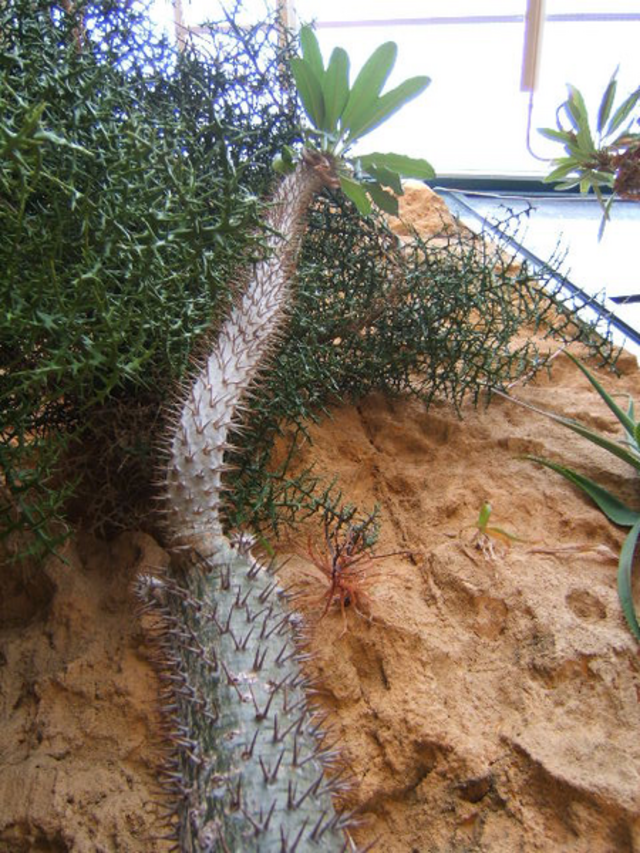
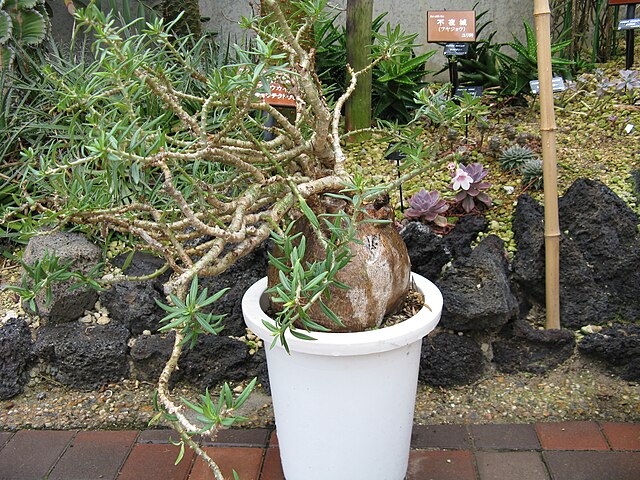
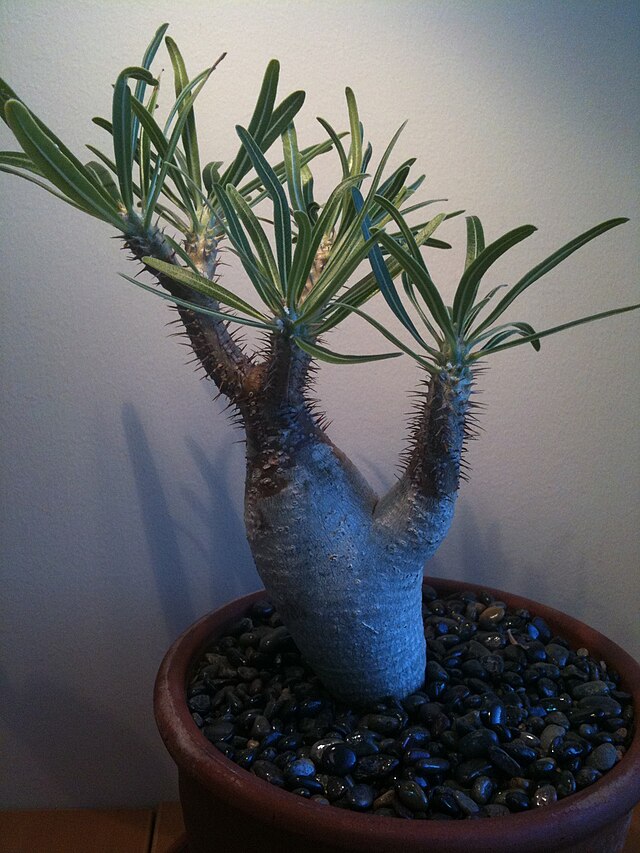
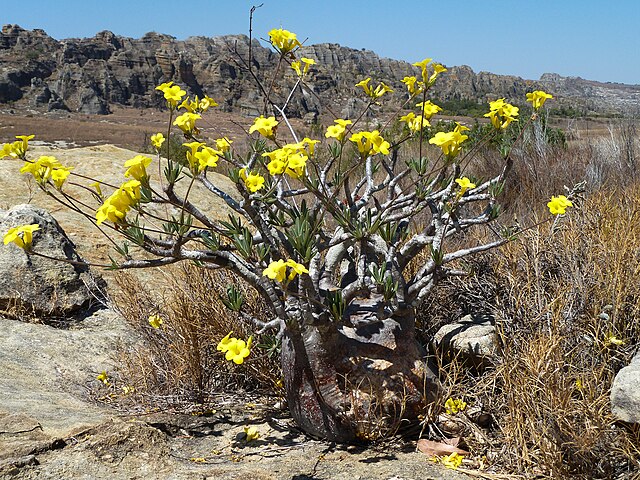
Pachypodium undergoes cross-breeding between species within the genus, with representative combinations including Pachypodium gracile, Pachypodium rosulatum, and Pachypodium bispinosum. Compared to Adenium, individual flowers are smaller and pollination work requires somewhat finer technique, but the basic procedure is the same as with Adenium.
Precautions for cross-breeding:
- Species differ in flowering time, so day-length and temperature management may need adjustment to ensure desired combinations flower simultaneously
- Interspecific cross-breeding sometimes results in sterility (seeds do not develop), so attempting with multiple flowers is recommended
- Relatively high success rates have been reported for crosses between closely related species
- Seedlings from interspecific crosses sometimes show growth rates different from the parent species; observing over multiple years reveals individual characteristics
In Pachypodium, the shape of the caudex and stem texture show great individual variation, making selection enjoyable even before flowering.
Seedling Selection
After sowing, selecting which individuals to keep (selection/curation) among the growing seedlings is the core of cross-breeding and hybridization. Due to space and management cost constraints, it is impractical to continue raising all individuals, so staged selection is realistic.
Selection Pointers
Early selection (6–12 months after sowing):
- How the caudex portion swells and its shape (individuals that swell round early are promising)
- Growth speed (individuals noticeably faster under the same conditions tend to be more robust)
- Leaf gloss, color, and size
- Tolerance to excess moisture and drought
Final selection at flowering (3–5 years later):
- Flower color, flower form, and petal patterns
- Flower size and number of flowers produced
- Overall plant balance and caudex form
- Whether desired traits are expressed
Selection is not done once but repeated over multiple generations, gradually stabilizing and fixing the target traits. Information sharing via SNS and enthusiast communities is also extremely valuable for honing your selection eye.
Recording and Naming Hybrids
You can name individuals obtained from your own cross-breeding. Though often unofficial, names are used as individual plant names when posting on SNS or during sales and transfers. In Adenium-producing regions such as Thailand, Taiwan, and Indonesia, varieties with proprietary names command high prices in trade, and domestically too, a culture is taking root of assigning unique names to excellent hybrids.
Information to keep on record:
- Parent plant names, source, and purchase date
- Pollination date, sowing date, germination date
- Photographs at growth milestones (changes in caudex shape, first flowering appearance, etc.)
- Growing environment (indoor/outdoor, soil mix composition, fertilizer type)
Keeping detailed records not only allows you to apply lessons to future cross-breeding plans, but also builds credibility when you later transfer or sell plants.
Summary
Cross-breeding in caudex plants gives you the deep pleasure of nurturing "your own plant" over a span of years. Start with artificial pollination of Adenium and experience the process from seed sowing through seeing the flowers bloom. Even if you fail, records become hints for your next attempt, and the joy when you succeed is incomparable.
A single beautiful bloom born by chance will ignite your passion for the next cross-breeding. The moment a plant you have created with your own hands blooms is truly the greatest essence of caudex plant hybridization.