Caudex Plants 2026: Complete Guide to Trending Varieties | Latest Trends in Pachypodium, Adenium & Operculicarya
A comprehensive guide to trending caudex plant varieties among growers and collectors in 2026, featuring rankings, price ranges, and availability difficulty. Includes Pachypodium, Adenium, Operculicarya, and other popular new arrivals.
Key Takeaways
A comprehensive guide to trending caudex plant varieties among growers and collectors in 2026, featuring rankings, price ranges, and availability difficulty. Includes Pachypodium, Adenium, Operculicarya, and other popular new arrivals.
Related Species
Commiphora
View species details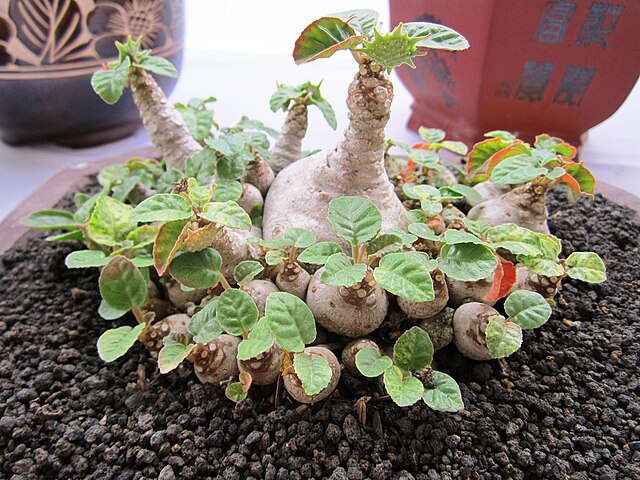
Dorstenia Foetida
View species details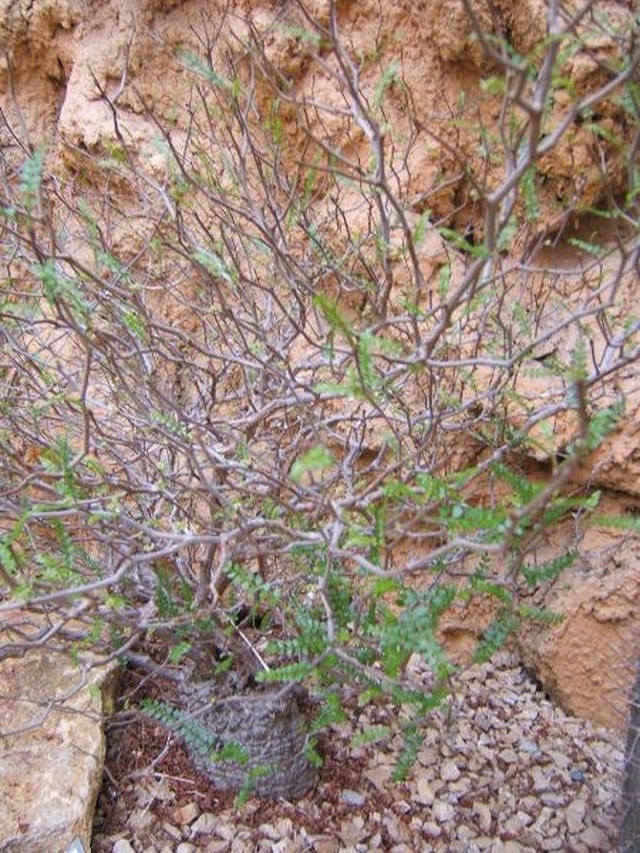
Operculicarya Decaryi
View species details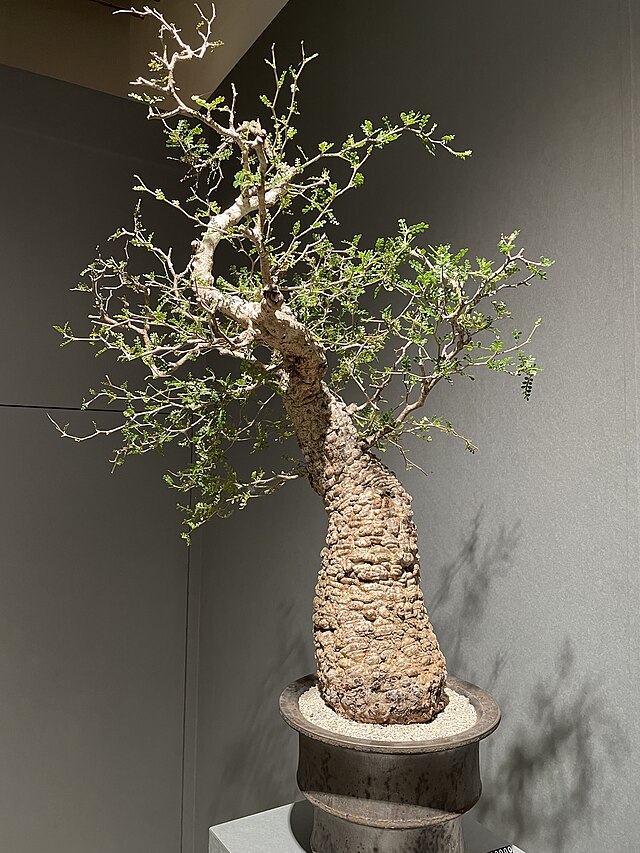
Operculicarya Pachypus
View species details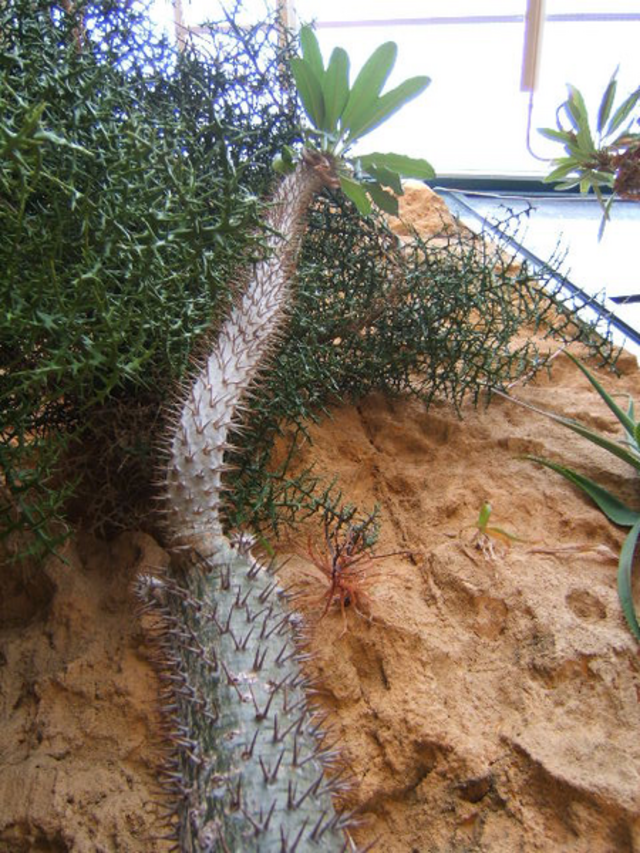
Pachypodium
View species details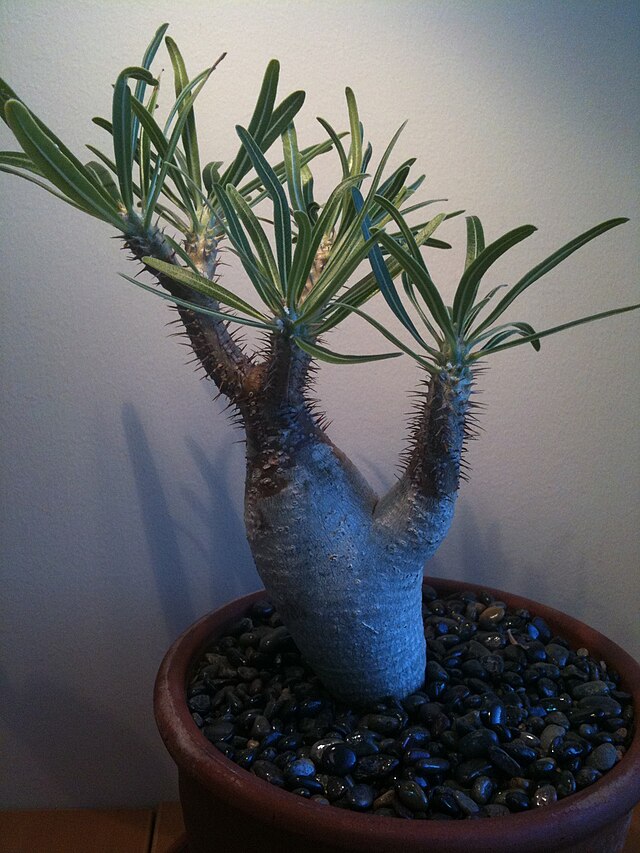
Pachypodium Gracilius
View species details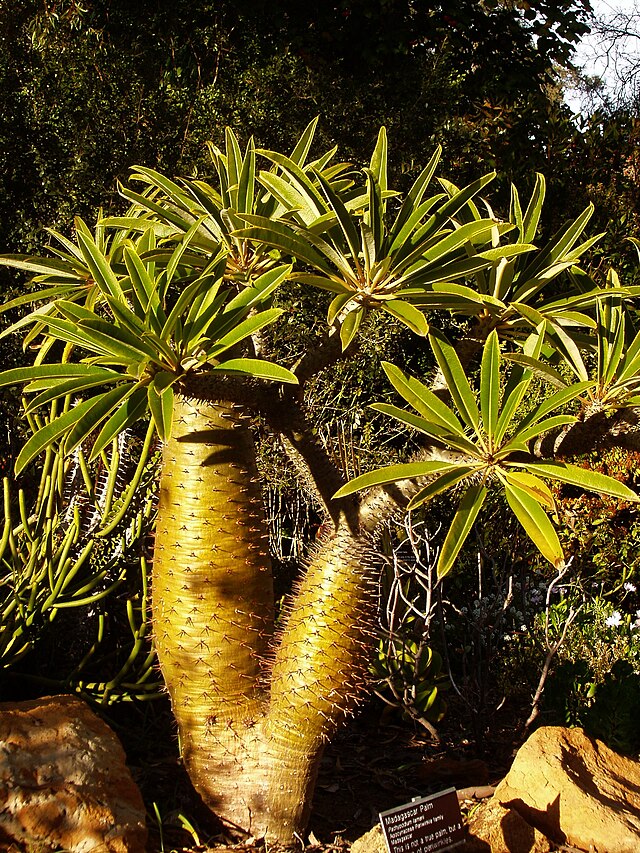
Pachypodium Lamerei
View species details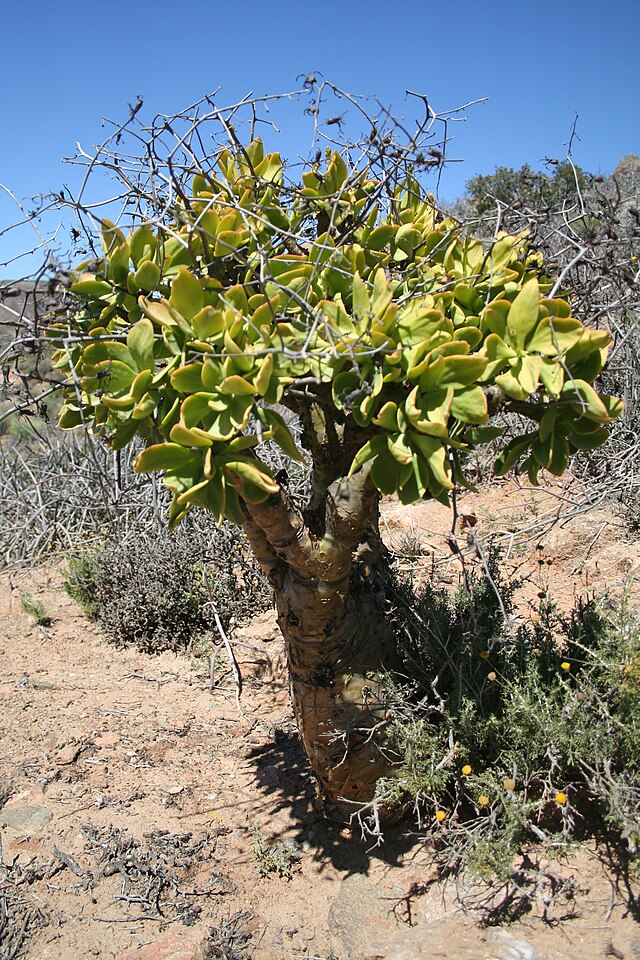
Tylecodon Paniculatus
View species details2026 Caudex Plant Market Overview
The 2026 caudex plant market has settled down somewhat from the early 2020s boom, but demand remains steady among core collector enthusiasts. Three key trends are currently gaining attention:
- Growing value of seed-raised plants: Healthy domestic seed-raised specimens are receiving higher appreciation than imported specimens
- Concentrated interest in rare Operculicarya and Commiphora species: A shift away from Pachypodium-focused collecting toward greater diversity
- Increased interest in challenging, difficult-to-grow species: Advanced collectors are transitioning to rare specimens
Below, we detail the most notable varieties as of 2026. For those interested in growing from seed, be sure to check out Caudex Seed-Raising Guide.
Pachypodium: 2026 Trending Varieties
1. Pachypodium Gracilis (Pachypodium rosulatum var. gracilius)
Attention Level: ★★★★★
Gracilis continues to be the most popular, but in 2026 evaluation has become more refined, focusing on "trunk thickness" and "branch aesthetics." Evaluation now goes beyond mere thickness to consider proportion, skin texture, and natural branching.
| Item | Details |
|---|---|
| Price range (seed-raised, 2-3 years) | ¥5,000–¥30,000 |
| Price range (imported bare root, quality specimens) | ¥30,000–¥150,000 |
| Availability difficulty | ★★☆ (widely available) |
| Growing difficulty | ★★★ (rooting and summer survival require care) |
The 2026 trend favors seed-raised specimens three years or older with confirmed trunk thickening. While actively available on resale apps and auction sites, quality varies significantly, so caution is needed. For detailed guidance on establishing bare root specimens, see Caudex Rooting Techniques.
2. Pachypodium Lamerei (Pachypodium lamerei)
Attention Level: ★★★☆☆
Lamerei is a large species with an upright form that lacks the roundness of gracilis, yet is valued for its impressive presence when reaching heights over 1 meter. Demand remains stable as a large indoor ornamental. For comparing differences among Pachypodium species, Pachypodium Species Encyclopedia is a helpful reference.
- Price range: ¥3,000–¥20,000 (depending on size)
- Availability difficulty: ★☆☆ (relatively easy to obtain)
Adenium: 2026 Trending Varieties
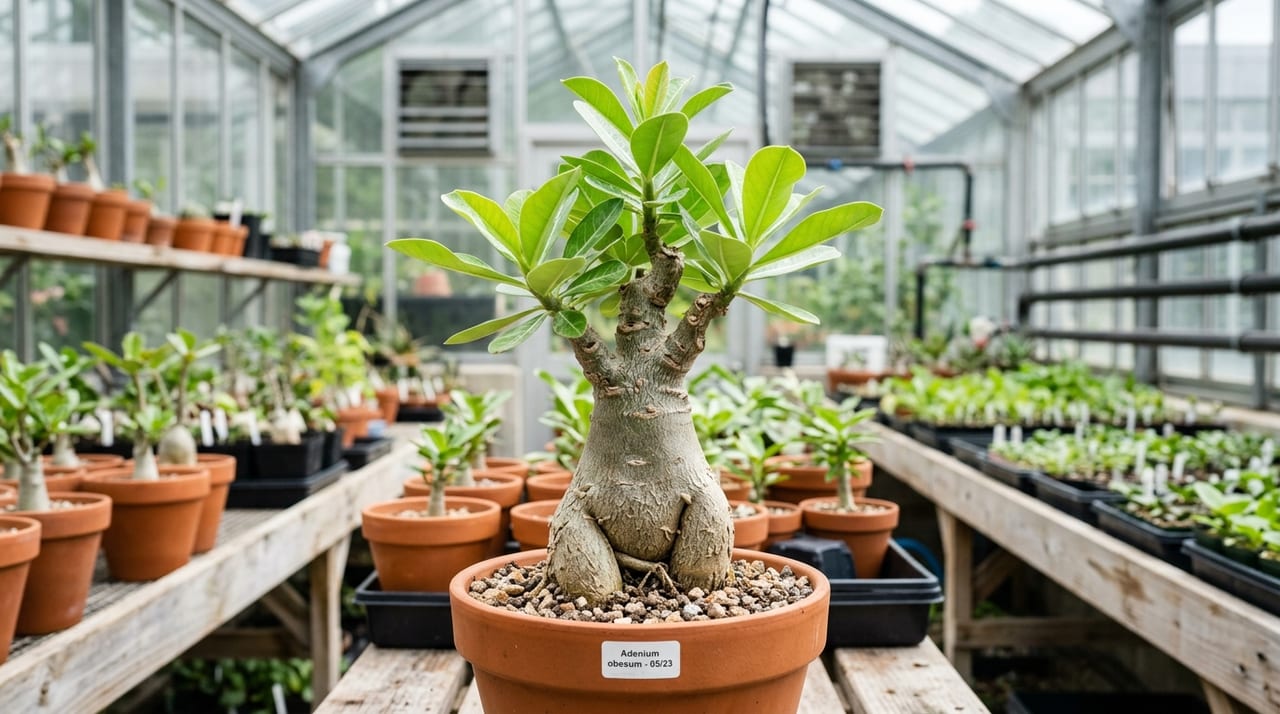
Adenium Obesum Grafted Specimens (Adenium obesum graft)
Attention Level: ★★★★☆
Beyond standard Adenium obesum, 2026 sees increased availability of luxuriant flower-color varieties thanks to improved grafting techniques. The following varieties are particularly popular:
- Multicolor types: Grafted plants with multiple flower colors on a single specimen (¥15,000–¥50,000)
- Premium Thai flower-color varieties: High-quality scions grafted onto rootstocks cultivated by domestic growers from seed (¥10,000–¥40,000)
Adenium is relatively easy to grow and ideal for beginners, but grafted specimens require careful management at the graft union.
Operculicarya: The Fastest-Rising Category in 2026
Operculicarya Pachypus (Operculicarya pachypus)
Attention Level: ★★★★★
Operculicarya pachypus has seen rapidly rising interest since late 2025. The contrast between its rugged, distinctive trunk and fine foliage appeals to bonsai aesthetics, gaining support from those who have traditionally enjoyed Japanese bonsai. This trend has continued into 2026, with prices remaining high.
| Item | Details |
|---|---|
| Price range (imported bare root) | ¥15,000–¥80,000 |
| Price range (domestic seed-raised, 2-3 years) | ¥8,000–¥30,000 |
| Availability difficulty | ★★★ (limited availability) |
| Growing difficulty | ★★★ (relatively difficult rooting) |
Operculicarya Decaryi (Operculicarya decaryi)
Decaryi is characterized by its form of producing many thin stems, with its delicate branching being particularly prized. It is easier to obtain and more affordable than pachypus, making it recommended for those attempting Operculicarya for the first time.
- Price range: ¥5,000–¥25,000
Commiphora: Featured Category for Advanced Collectors
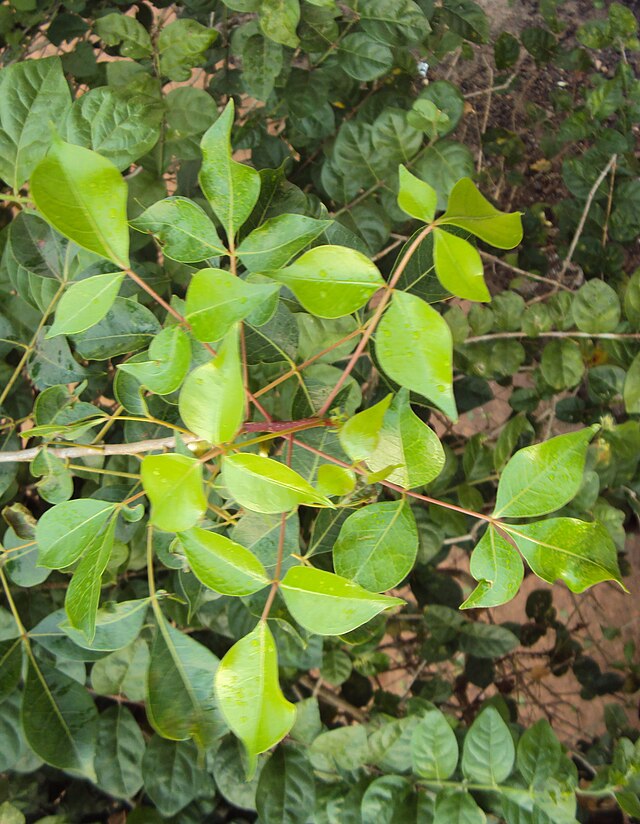
Commiphora Caudata (Commiphora caudata)
Attention Level: ★★★☆☆ (for advanced collectors)
Commiphora is an advanced collector category with limited availability and high growing difficulty, but is highly valued for its distinctive glossy texture, beautiful white bark, and rarity.
- Price range: ¥20,000 and up to over ¥100,000
- Availability difficulty: ★★★★★ (specialist growers only)
2026 New & Rare Varieties of Note
Dorstenia Foetida (Dorstenia foetida)
A small caudex species with unusual black flowers (capitulum) blooming directly from the stem—a rare treasure. Easy to cultivate indoors, it is gaining popularity among collectors with limited space.
- Price range: ¥2,000–¥15,000
- Availability difficulty: ★★★ (specialist shops and growers only)
Tylecodon Paniculatus (Tylecodon paniculatus)
A winter-growing caudex species native to South Africa. Its unique growth cycle—dropping leaves and entering semi-dormancy in summer—differs from other caudex plants, offering seasonal appeal. Domestic availability is increasing. Since many struggle with the dry rest management specific to dormancy, it's reassuring to consult Caudex Dormancy Management Guide beforehand.
- Price range: ¥5,000–¥30,000
Choosing Varieties: From Beginners to Advanced Collectors
Recommendations by Difficulty Level
| Level | Recommended Varieties | Reason |
|---|---|---|
| Beginner | Adenium obesum, Pachypodium lamerei | Widely available, reasonably priced |
| Intermediate | Pachypodium gracilis (domestic seed-raised) | Offers the joy of cultivation |
| Advanced | Operculicarya pachypus, Commiphora species | High rarity and growing difficulty |
2026 Purchasing Trends
- Grower direct-sales sites: You can confirm growing environment and parent plant photos
- Plant sales and exhibitions: You can inspect specimens in person. April–May sees the most vendors
- Social media (Instagram, X): Follow hashtags like "#塊根植物" and "#コーデックス" for the latest arrival information
Summary
The 2026 caudex plant market sees continued interest in the stalwart gracilis, with Operculicarya pachypus rapidly gaining attention. Growing appreciation for seed-raised specimens is driving more buyers to purchase from domestic growers who provide cultivation guidance. For those new to caudex plants, we recommend starting with Adenium or entry-level gracilis; for experienced collectors, Operculicarya or Commiphora offer exciting new challenges. For fundamental seed sowing and seedling management, see Tips for Successful Caudex Seed Germination.