Monadenium Caudex Plant Care Guide | Water Management, Dormancy, and Cautions about Latex Sap
A comprehensive guide to growing Monadenium. Learn everything about caring for this East African caudex succulent: placement and light management, switching watering schedules between growth and dormancy periods, creating well-draining soil mixes, safety precautions with Euphorbiaceae latex sap, and propagation through cuttings and division.
Key Takeaways
A comprehensive guide to growing Monadenium. Learn everything about caring for this East African caudex succulent: placement and light management, switching watering schedules between growth and dormancy periods, creating well-draining soil mixes, safety precautions with Euphorbiaceae latex sap, and propagation through cuttings and division.
Related Species
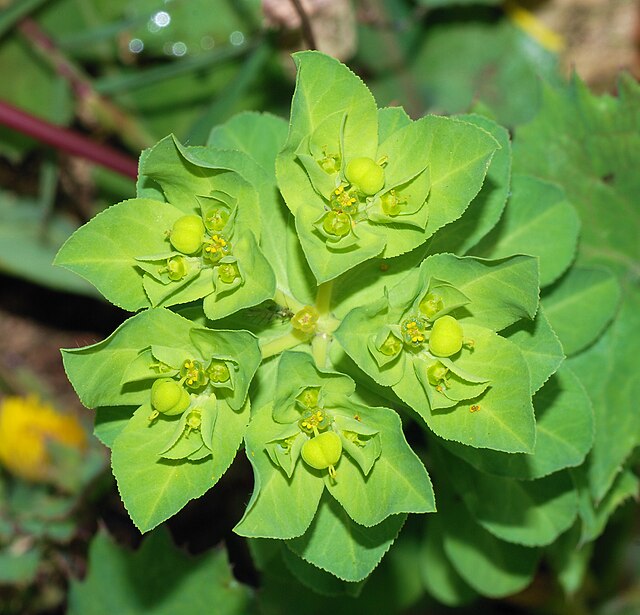
What is Monadenium
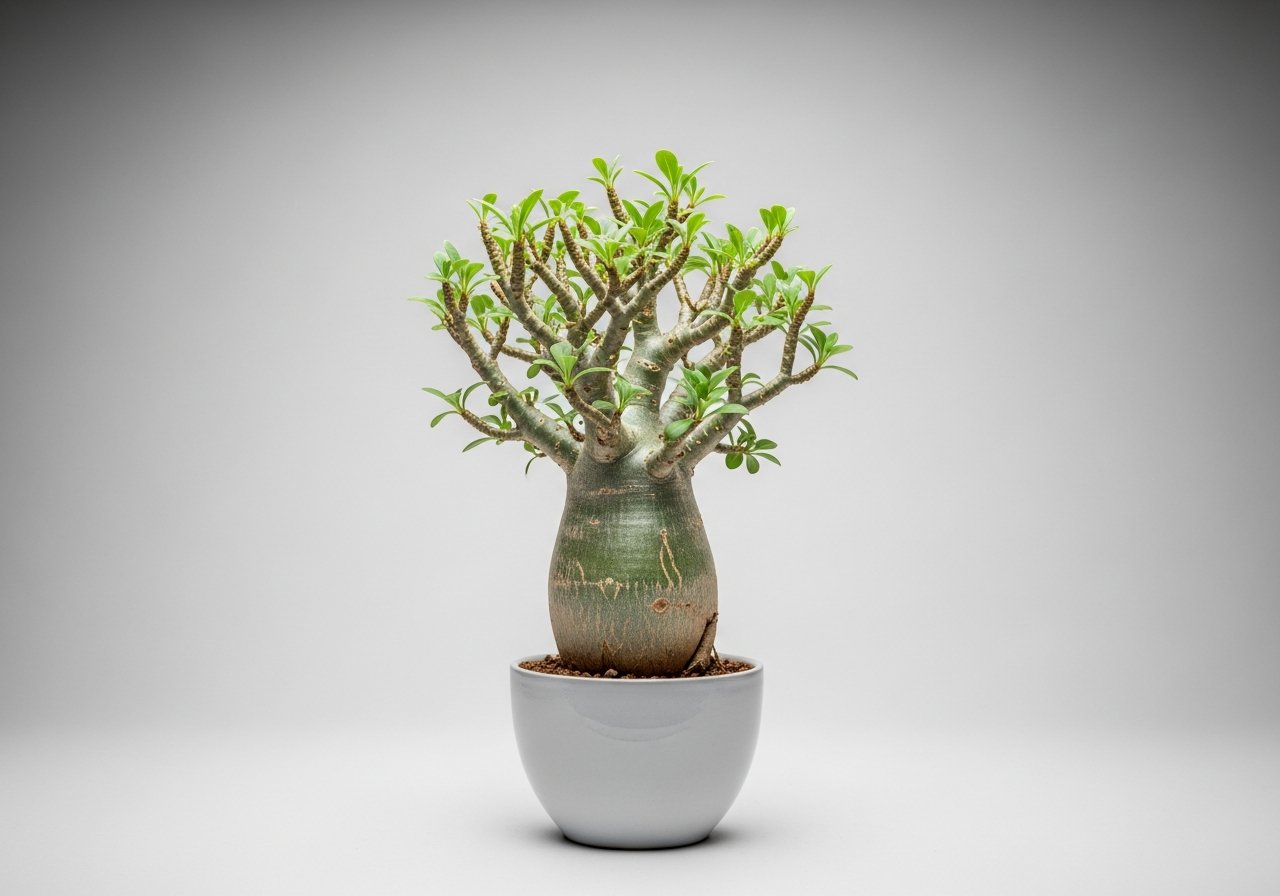
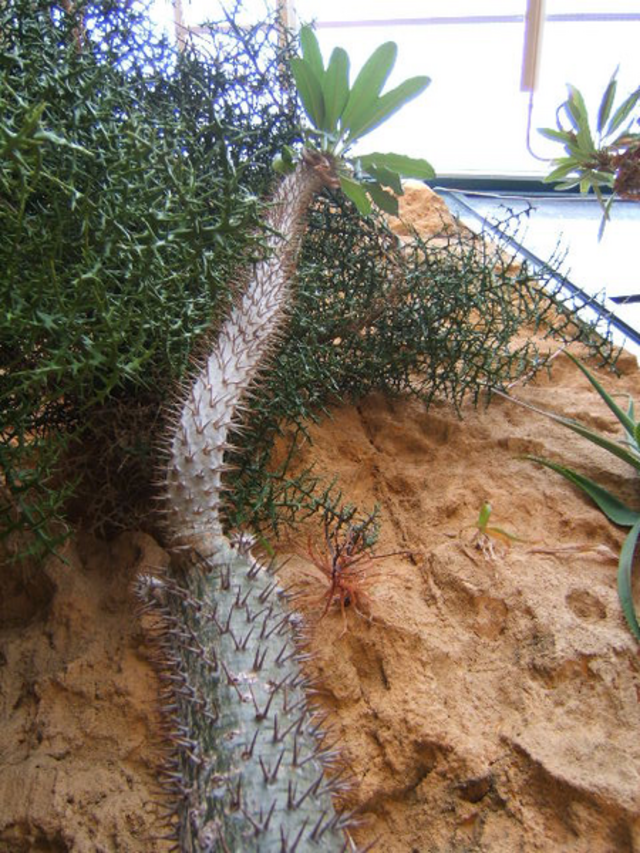
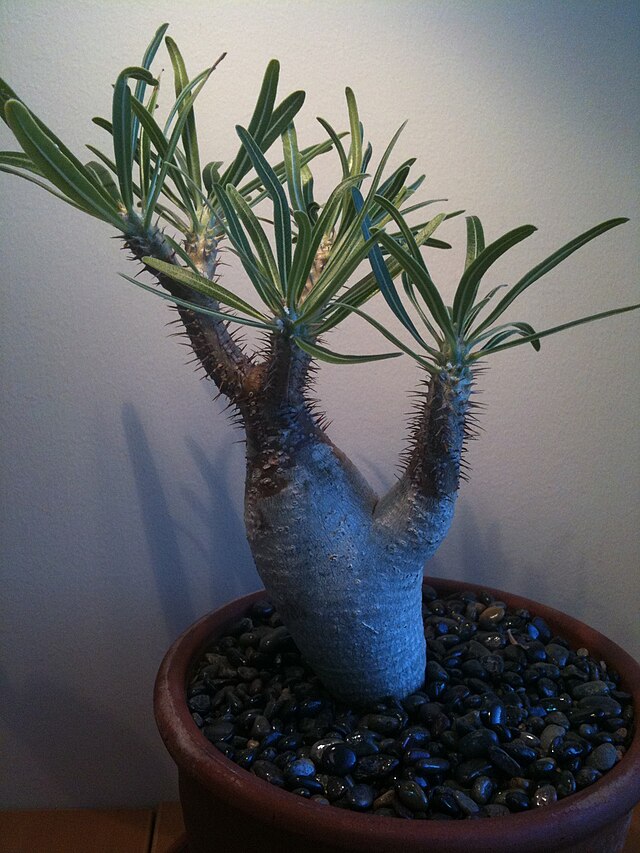
Monadenium (Monadenium) is a genus of succulent caudex plants belonging to the Euphorbiaceae family, distributed across East Africa to South Africa. In modern botanical classification, many species have been reclassified under the genus Euphorbia; however, the horticulture trade continues to use the common name "Monadenium."
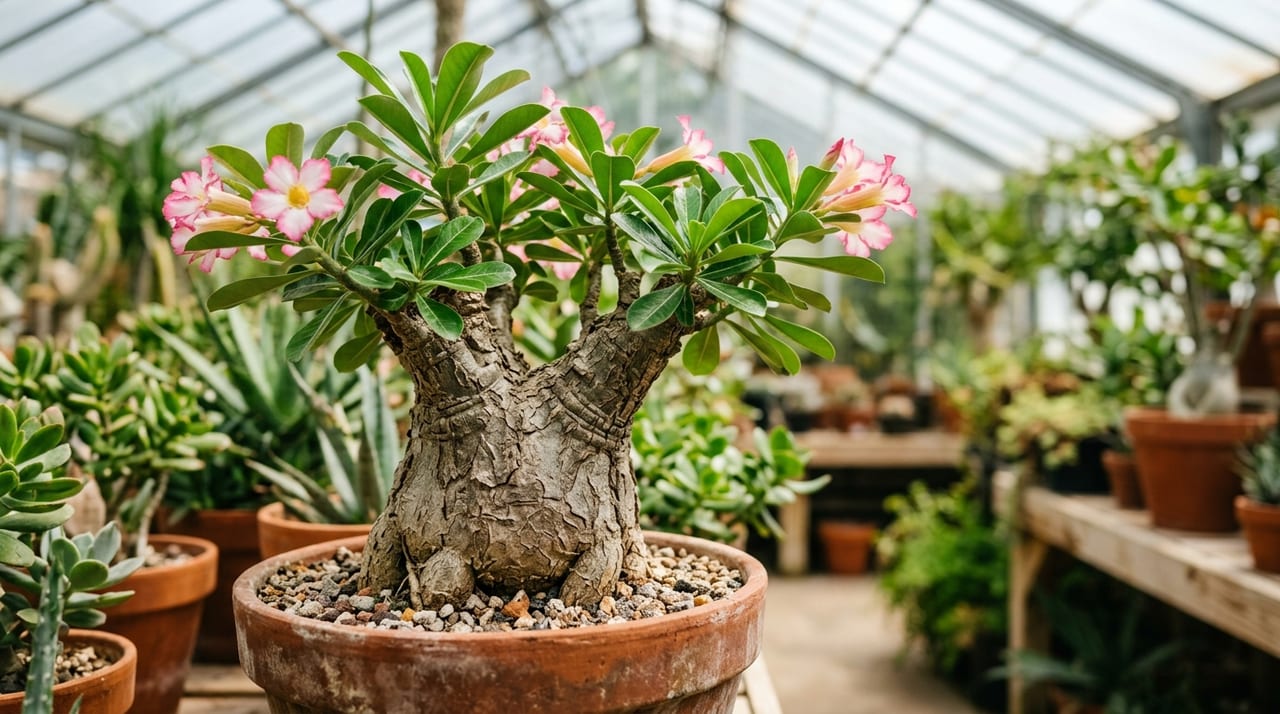
The primary ornamental appeal lies in the combination of thick, well-developed caudex (succulent root tubers) and fleshy stems and leaves, which contain the characteristic white latex sap (laticifer) typical of Euphorbiaceae. Most species are small to medium-sized and are popular as compact caudex collection specimens. Representative species include M. ritchiei, M. stapelioides, and M. magnificum.
In their native habitat—semi-arid regions of East Africa such as Kenya, Tanzania, and Uganda—these plants grow on rocky, steep slopes and the margins of dry shrubland. Through repeated cycles of dry and rainy seasons, they have evolved to store water and nutrients in thick caudices.
Location and Light
Monadenium is a typical tropical African plant that thrives in high temperatures, strong light, and dry conditions.
| Season | Environment | Points |
|---|---|---|
| Spring, Summer, Autumn | Full sun outdoors | Well-ventilated location |
| Winter | Indoors near a window (5°C or above) | Minimum 5°C, ideally 10°C or higher |
Insufficient light causes stems to become thin and stunts caudex expansion. If growing indoors, using a plant growth light as a supplement is effective. Most species tolerate intense summer sunlight well and can be grown outdoors year-round. However, sudden exposure to strong light can cause leaf scorch, so gradually acclimate the plant over 1–2 weeks when conditions are increasing in spring.
Watering and Dormancy Management
Monadenium exhibits a clear dry-season dormancy and requires switching watering schedules between growth and dormancy periods.
Growth Period (April–October)
- Water thoroughly several days after the soil has completely dried out
- During hot summers, evaporation is faster, so watering frequency may increase
- Rain exposure is not a problem (avoid prolonged wetness)
- Ensure water does not accumulate in the saucer
Dormancy Period (November–March)
- Once leaves drop, switch to either no watering or minimal monthly watering
- Complete drought can cause caudex shrivel, so light monthly watering is safer
- Watering in cold temperatures increases root rot risk; take care
- If the caudex maintains firm tension, continued drought is acceptable
Soil and Pot Selection
Drainage is the priority. Like all Euphorbia species, coarse mineral-based soil is suitable.
Recommended Mix
- Red clay pellets (medium and small grain mix) 40%
- Akadama (volcanic pumice) 30%
- Kiryu sand or deer moss 20%
- Charcoal briquette or activated charcoal (prevents root rot) 10%
Terracotta pots or breathable shallow plastic pots work well. A slightly shallow pot relative to root spread makes it easier to shape the root structure and observe caudex form. For plastic pots, choose those with multiple drainage holes or feet to improve air circulation.
Repotting is best done in spring (March–April) before new growth emerges. Gently remove old soil without damaging roots, remove any rotted portions, and repot.
Fertilizing
Fertilizer should be applied sparingly. Over-feeding causes rapid, excessive growth and diminishes the "tight" appearance of the caudex.
- During peak growth (May–September), apply balanced slow-release fertilizer once or twice per month
- Alternatively, diluted liquid fertilizer (roughly half the recommended concentration) every 2–3 weeks
- Do not fertilize in autumn or during dormancy
- Phosphorus- and potassium-rich fertilizers favor caudex development
Cautions about Latex Sap
Because Monadenium belongs to Euphorbiaceae, white latex sap oozes from damaged stems or leaves. This sap can irritate skin and mucous membranes, so wear gloves during maintenance work (pruning, division, etc.) and avoid contact with eyes and mouth. Wash your hands thoroughly with soap after handling. Keep the plant away from pets and small children.
During work, latex from cut surfaces stains clothing and is difficult to remove, so wear disposable clothing or an apron to protect yourself.
Propagation Methods
Cuttings Cut stems into 3–5 cm segments and allow them to dry for 1–3 days until latex stops flowing from the cut surface. Insert into cutting soil (perlite, deer moss, etc.). Provide partial shade while roots develop (2–4 weeks). Once roots appear, transition to normal care.
Seed Sowing Seeds may set after flowering. Fine seeds are best sown as soon as they mature on the surface of clean soil, covered with plastic wrap to encourage germination. Ideal germination temperature is around 25°C. After sprouting, gradually acclimate seedlings to outdoor air.
Common Problems
Stems become soft and rot Usually caused by excessive moisture and low temperatures in winter. Excise the affected area with a clean knife, dry it, and repot in dry soil.
Leaves do not drop (remain evergreen) When ambient temperature stays high, leaves may persist in an evergreen state. No need to force leaf drop; manage watering appropriately without drying out excessively.
Caudex remains hard and does not swell Usually caused by insufficient light or water. Move the plant to an outdoor location with direct sunlight and ensure proper watering during the growth period to improve results.
Sourcing and Selection Tips
Monadenium rarely appears in general garden centers and is primarily sourced from caudex plant specialists or plant markets and swap meets. Within the caudex plant category, it is often collected alongside famous species such as Pachypodium and Adenium, and pairing it with non-latex-producing species spreads management risk.
Identifying a Healthy Plant
- Stems are thick with tight internodes (not etiolated)
- Caudex is well-developed and rounded
- No damage or rot on latex-bearing areas
- Foliage is healthy green with minimal die-back
Imported specimens and domestically-propagated seedlings may require different care approaches. Many growers recommend removing all soil and repotting imported plants, which allows inspection of root condition. Domestically-grown seedlings have roots acclimated to Japanese conditions and typically establish more reliably after planting.
Monadenium species vary widely in mature size—some remain compact while others grow large. Choose a species suited to your space. Small species like M. ritchiei work well on desktops or windowsills, while larger species like M. magnificum suit gardens or greenhouses.
Care Summary: Key Points in Monadenium Management
As a dry-season caudex plant, Monadenium is surprisingly straightforward to care for once you master the basics and provides long-term enjoyment.
Seasonal Care Summary
| Season | Watering | Fertilizing | Location |
|---|---|---|---|
| Spring (Mar–May) | Water thoroughly when dry | Begin slow-release | Full sun outdoors |
| Summer (Jun–Sep) | Water thoroughly when dry | Once or twice monthly | Full sun outdoors |
| Autumn (Oct–Nov) | Gradually reduce | Stop fertilizing | Outdoors → indoors |
| Winter (Dec–Feb) | Once monthly or so | None | Indoor near window |
Three Key Points for Beginners
- Winter watering: Reduce to about once monthly after leaf drop; avoid excessive moisture
- Latex precautions: Wear gloves before handling; avoid contact with eyes and mouth
- Soil drainage: Avoid organic-heavy soils; use mineral-based mixes
The joy of watching the caudex strengthen and fill out year after year is what makes growing Monadenium rewarding.