Beginner's Guide to Succulent Plant Breeding and Hybridization: From Pollination to Seedling Cultivation
A beginner's guide to succulent plant breeding and hybridization for creating your own original varieties. From the mechanisms of pollination to seed collection, sowing, and seedling cultivation management.
Key Takeaways
A beginner's guide to succulent plant breeding and hybridization for creating your own original varieties. From the mechanisms of pollination to seed collection, sowing, and seedling cultivation management.
Related Species
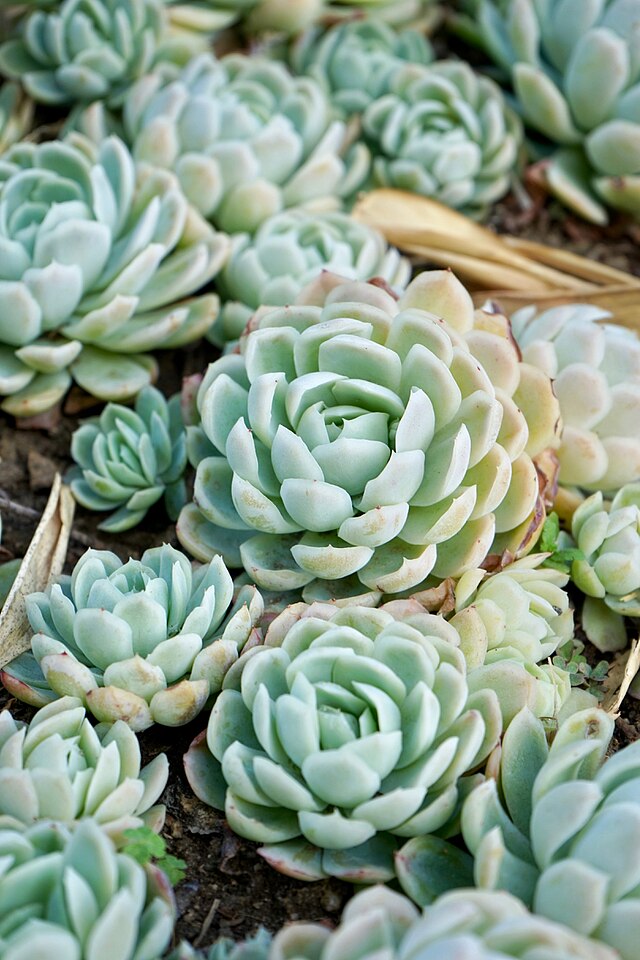
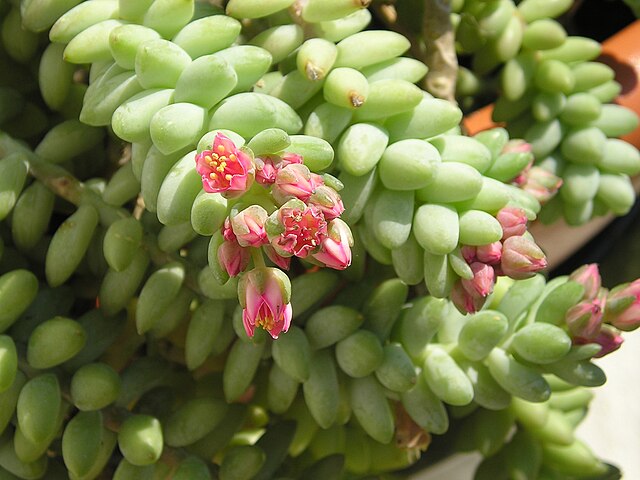
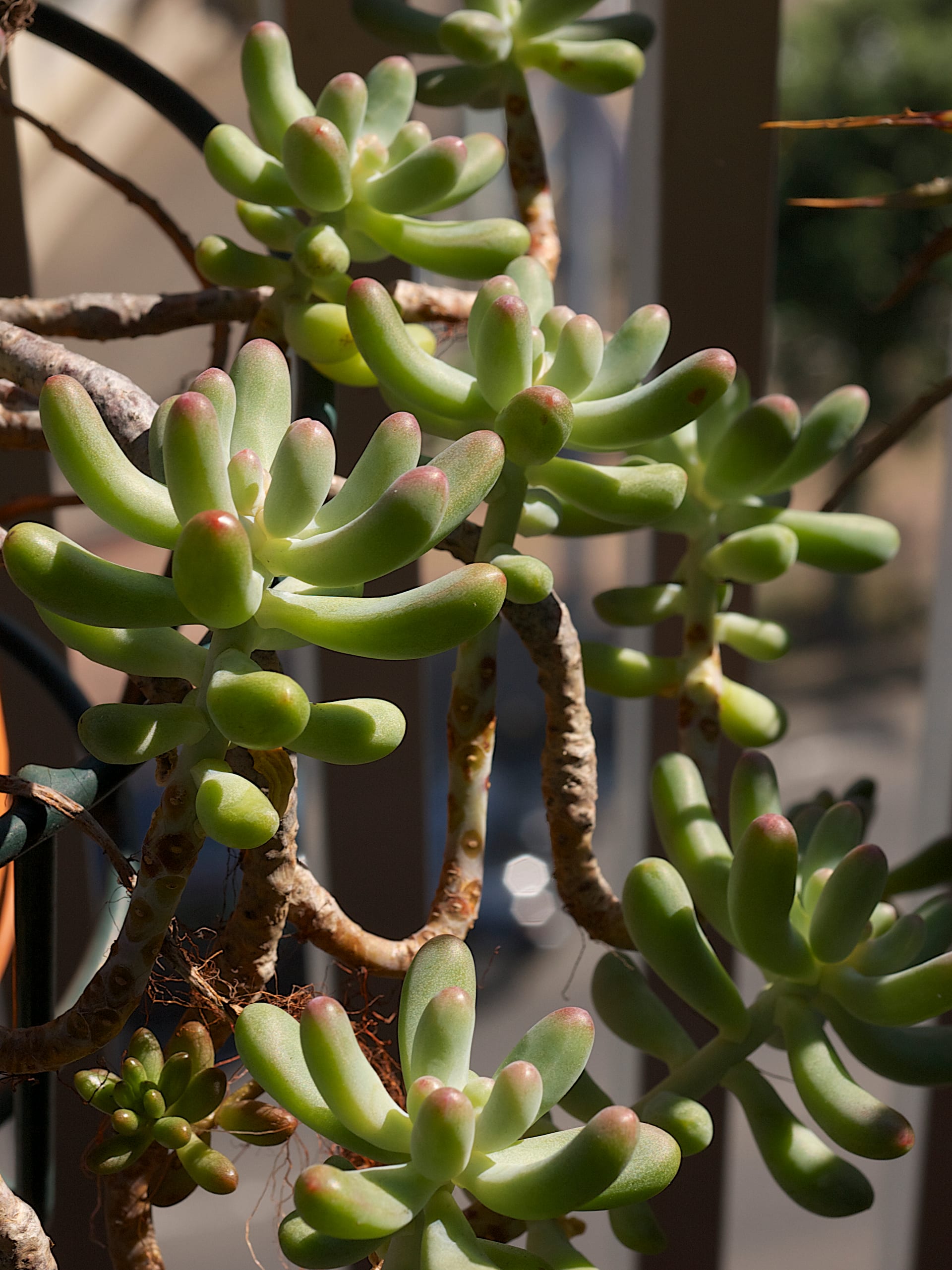
Succulent plant breeding and hybridization is a fascinating hobby that allows you to create your own original varieties. The process of developing individual plants with new flower colors, leaf colors, and leaf shapes deepens your understanding of succulents even further. This article compiles practical know-how from the fundamentals of hybridization that beginners can practice, to seedling cultivation management and troubleshooting learned from failure.
Fundamentals of Succulent Plant Breeding: How Flowers and Pollination Work
To hybridize succulents successfully, it is first important to understand the mechanisms of flowers. Many succulents flower from winter through spring, and the flowering time varies by genus. Typical flowering periods by genus are as follows:
| Genus | Flowering Period |
|---|---|
| Echeveria | Spring (Mar. - May) |
| Sedum | Early to late summer (Jun. - Aug.) |
| Graptopetalum | Spring to early summer (Apr. - Jun.) |
The flowers used for hybridization are nearly always hermaphroditic (possessing both stamens and pistils). Since succulent flowers are small, hybridization work requires fine tools such as an eyeliner brush, makeup brush, or tweezers. The basic procedure is: on the mother plant (the plant from which seeds are collected), remove the stamens when the pistil is mature, collect pollen from the paternal parent (the pollen donor), and apply it to the pistil of the mother plant. This is artificial pollination.
After pollination, the pollinated pistil gradually begins to swell. Typically, seeds mature in about 4-6 weeks. During this period, it is important that the pollinated flower cluster does not experience humidity that is too high, nor extreme dryness.
Selecting Parent Plants and Combining Traits
For successful hybridization, selecting the right parent plants is absolutely critical. As a general rule, choose healthy, vigorous-growing individuals. Weak plants or those affected by pests or diseases should be avoided.
When considering trait combinations, it is important to be clear about what kind of new variety you aim to create.
As beginner-friendly pairing examples, the following combinations are relatively easy to grow. Hybridization between different varieties within the same genus (for example, crossing different Echeveria varieties) has high compatibility and good success rates.
If you attempt inter-generic hybridization (crossing different genera), success rates decline compared to intra-generic crossing, but you may obtain seedlings with more novel characteristics. However, I recommend that beginners start with hybridization within the same genus.
Pollen viability is also an important factor. Pollen viability decreases over time after collection. Using fresh pollen increases success rates. Collected pollen can be kept viable for several days in refrigerated storage (4°C), but using it the same day is optimal.
Seed Collection, Storage, Sowing, and Germination
4-6 weeks after pollination, seeds fully mature. Signs that seeds have matured include the fruit (follicle) turning brown and becoming brittle to the touch, with seeds scattering easily. At this point, place the entire mother plant over newspaper or tissue paper and allow the seeds to drop.
Collected seeds can be stored in a cool, dark place with low humidity (such as a refrigerator's vegetable drawer). Seeds remain viable for months to years, but sowing within 2-3 months of collection is optimal from a germination rate perspective.
The ideal time for sowing is spring (Mar.-May) or autumn (Sep.-Nov.), when temperatures are in the 15-25°C range. Avoid sowing during hot summer or cold winter periods, as germination rates drop significantly.
The following soil mix is suitable for sowing:
- Red loam, small grain (50%)
- Leaf mold (20%)
- Peat moss (20%)
- Perlite (10%)
For sowing, place seeds on the surface of the seed medium and press lightly. Many succulent seeds exhibit photoblastism and do not require soil covering. After sowing, moisten the medium by bottom watering. If you water from above, seeds will wash away. Using a hydroponic tray or similar method to allow the medium to absorb water from below is effective.
After sowing, maintain a temperature of 20-25°C and provide adequate light. Typically, germination begins 7-14 days after sowing.
Initial Seedling Care and Growth Management
The first month after germination is a delicate period known as the "seedling stage." Seedlings immediately after germination are extremely delicate, and watering management determines their growth.
It is important to keep the seed medium in a "constantly moist" state. However, excessive moisture that allows water to accumulate causes root rot; misting lightly every day is optimal.
When the cotyledons begin to unfold, gradually reduce moisture. About one month after germination, true leaves begin to emerge (2-3 leaves). From this point, transition watering management from moist to slightly drier conditions. Water in the morning and allow gradual drying from afternoon through evening—this varied watering management develops strong, healthy seedlings.
Light management should also be increased gradually. For the first 3-4 weeks after germination, soft light (a bright indoor location) is sufficient, but gradually increase light once true leaves begin to emerge. However, sudden exposure to direct sunlight causes leaf scorch. For the first month, it is recommended to use shade cloth (30-50%) except on rainy days.
6-8 weeks after germination, seedlings take on a form that resembles young succulent plants. At this stage, transplant them from the seedling tray to small individual pots (3-4cm diameter).
Beginner-Friendly Pairing Examples
We introduce actual examples of succulent plant varieties suitable for hybridization. Echeveria is extremely popular as a hybridization partner, and intra-generic hybridization within Echeveria almost certainly produces seeds. Varieties such as "Raui" and "Hanaura" have high suitability as parent plants and are recommended options for beginners.
Hybridization within Sedum is relatively easy. Hardy varieties such as "Otomegokoro," "Shingyoku Tsuzuri," and "Niji no Tama" can be expected to yield stable results as parent plants. Through intra-generic hybridization, seedlings with new colors and leaf shapes are often obtained while inheriting parental traits.
Graptopetalum is also a candidate for beginner-friendly pairings. Hybridization of "Oborozuki" or crossing multiple varieties tends to yield interesting results, as seedlings show considerable individual variation.
To increase hybridization success, it is a cardinal rule to select varieties "from the same genus with overlapping flowering periods." If flowering times do not align, you will miss pollination opportunities, and success rates drop significantly. Research the flowering periods of each variety beforehand and adjust cultivation conditions to make flowering times coincide as much as possible.
Learning from Failure: Troubleshooting
Various problems may occur during the breeding and hybridization process. We introduce typical problems and solutions.
- When it is difficult to determine if pollination was successful, observe the flower cluster on the mother plant and check whether the tip of the pistil is moist (receptive). Pollen does not adhere well to a completely dry pistil. Misting lightly before attempting hybridization makes success more likely.
- When the seed capsule does not swell after pollination, pollination may not have been successful. In this case, try pollinating again or consider hybridizing with a different plant.
- When seed germination rate is extremely low, check your storage conditions. Verify that seeds have not been stored in a high-humidity environment for long periods or exposed to extreme heat.
- Damping off (seedling blight) is the greatest threat during the seedling stage. Caused by soil-borne pathogens, once it occurs, many seedlings die. As a preventive measure, use seed medium that has been autoclaved (commercial seedling soil is typically pre-sterilized) and maintain good air circulation.
- Etiolated (leggy) seedlings are a typical symptom of insufficient light. Stems grow thin and elongated, and lower leaves tend to die. In this case, immediately increase light intensity.
- When seedling growth stalls, nutrient deficiency may be responsible. After 3 months from germination, develop the habit of spraying diluted liquid fertilizer once per week. Excess fertilizer causes root burn and stunted growth; "diluted and conservative" is the key.
Through failure, succulent plant breeding deepens your understanding of succulents' ecology and cultivation conditions, making it an extremely educational hobby. Your initial success rates may be low, but as you accumulate experience, you will surely feel technical improvement. Through repeated trial and error, the joy of creating your own original variety is incomparable to anything else.