Echeveria vs Haworthia: Complete Comparison | Growing Methods, Cost, and Key Differences
In-depth comparison of Echeveria and Haworthia covering basic profiles including native habitat and appearance, care differences in light, watering, and placement, propagation methods and pricing, which one fits your lifestyle, seasonal care calendar, and selection guide.
Key Takeaways
In-depth comparison of Echeveria and Haworthia covering basic profiles including native habitat and appearance, care differences in light, watering, and placement, propagation methods and pricing, which one fits your lifestyle, seasonal care calendar, and selection guide.
Related Species
Echeveria and Haworthia: What Sets Them Apart? Basic Profiles
In the world of succulents, Echeveria and Haworthia are two plants that particularly dominate the market. Both are succulents native to Mexico and South Africa, yet their appearance and cultivation methods are entirely different. It's only natural that beginners growing succulents for the first time find themselves wondering, "Which should I choose?" as their suitability depends greatly on location and lifestyle.
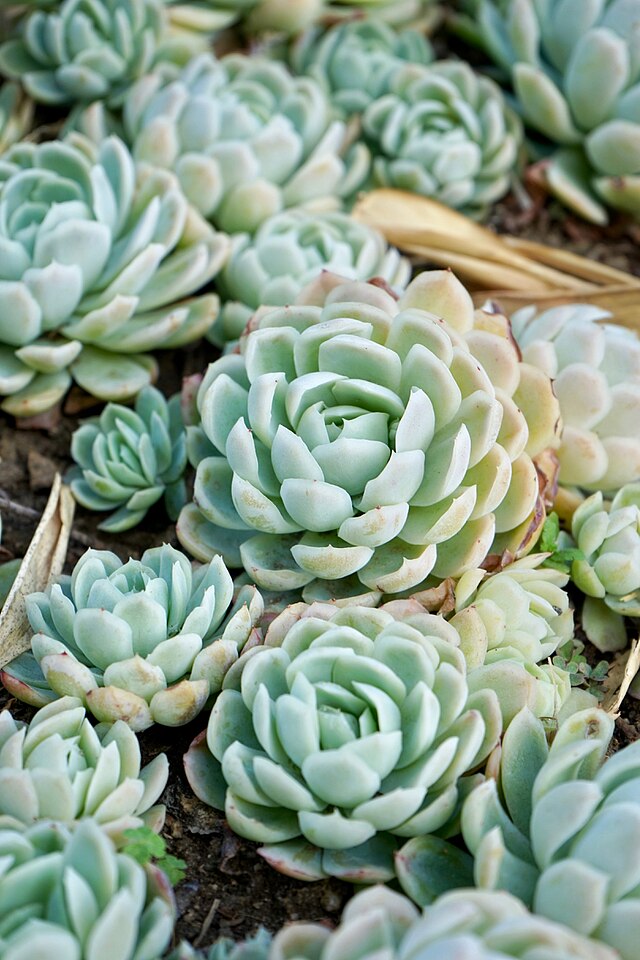
Echeveria belongs to the Crassulaceae family, characterized by a "rosette form" where leaves overlap radially like rose petals. Leaf colors are diverse—green, pink, purple, and blue-green—and many varieties display beautiful autumn coloring when exposed to temperature fluctuations. Native to the arid regions of central and south America, primarily Mexico, they evolved to thrive in strong sunlight and low rainfall.
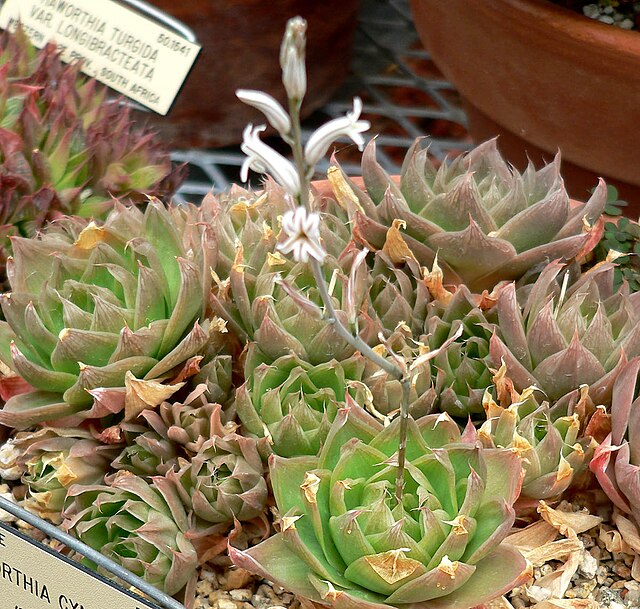
Haworthia belongs to the Asphodelaceae family (formerly Aloe family) and grows naturally in semi-shaded regions of South Africa. They divide into two main types: "soft-leaf" and "hard-leaf" varieties. Soft-leaf types feature transparent tissue at the leaf tips called "windows," which allow light to penetrate the leaf interior—a unique structure highly prized by collectors. Hard-leaf types have sharp, firm leaves with a distinctive form that's their own appeal.
Sunlight, Watering, and Placement Differences
The biggest difference in cultivation is sunlight exposure. Simply understanding this aspect alone can dramatically reduce the risk of failure.
Echeveria Care Essentials
- Sunlight: Loves direct sunlight. Spring through autumn, outdoor locations or balconies with ample sun are ideal
- Watering: During the growing seasons (spring and autumn), water generously when soil dries out. Reduce frequency to once or twice monthly in summer and winter
- Placement: Outdoor management is the standard. Indoors, place near south-facing windows or other bright areas with high light levels
- Note: Insufficient light causes "etiolation," where stems stretch and grow thin, compromising plant shape
With adequate sunlight, leaf colors become vivid, and during autumn coloring season, the transformation into shades of red, orange, and purple is spectacular.
Haworthia Care Essentials
- Sunlight: Avoid direct sunlight as it causes leaf burn. Bright indirect light or semi-shade is appropriate
- Watering: Keep watering modest year-round. They tolerate slightly more frequent watering than Echeveria
- Placement: They thrive on bright indoor tables or windowsills filtered through lace curtains
- Note: Avoid completely dark areas. Focus on maintaining "bright, indirect light"
Haworthia is exceptionally suited to indoor management, making it accessible for those with limited window access or apartment dwellers.
Propagation Methods and Price Ranges
Breeding Method Differences
Echeveria offers abundant propagation options.
- Leaf propagation: Remove a single leaf and place it on soil—roots and shoots emerge. High success rate makes it beginner-friendly
- Division: Separate offsets (small plants emerging from the sides) and repot them
- Stem cutting: Cut the stem mid-section and regenerate from both upper and lower portions
Leaf propagation in particular is simple, enjoyable, and represents the pleasure of expanding your collection.
Haworthia can propagate from leaves, but with less success than Echeveria. The primary method is division, separating offsets that emerge from the base of the parent plant. With careful handling, propagation is relatively straightforward.
Price Range Guide
| Variety | Echeveria | Haworthia |
|---|---|---|
| Common varieties | ¥300–¥1,000 | ¥500–¥2,000 |
| Mid-tier varieties | ¥1,000–¥5,000 | ¥2,000–¥10,000 |
| Rare/Collector varieties | ¥5,000–¥30,000+ | ¥10,000–¥50,000+ |
Haworthia prices fluctuate significantly based on window transparency and pattern beauty, with rare hybrid species sometimes exceeding tens of thousands of yen. Echeveria variegated and rare varieties also command premium prices.
Which One Suits Your Lifestyle?
Here's a summary of selection criteria.
Echeveria Is Right For You If:
- You have an outdoor space like a balcony or garden for outdoor management
- You want vibrant, colorful plants
- You'd enjoy the pleasure of propagating through leaf cuttings
- You want to appreciate seasonal color changes
Haworthia Is Right For You If:
- You want to grow plants on indoor tables or shelves
- You live in an apartment with limited sunlight or a north-facing room
- You're drawn to the translucent, mysterious aesthetic
- You enjoy collecting rare varieties
Neither plant is "too difficult" to grow. However, placing Echeveria in a dark indoor location or exposing Haworthia to intense summer sun will cause rapid decline. Respecting each plant's "ideal environment" is the ultimate secret to long-term, healthy growth.
Seasonal Care Calendar
| Season | Echeveria | Haworthia |
|---|---|---|
| Spring (Mar–May) | Vigorous growth. Increase watering; ideal repotting period | Growing season. Slightly increase watering |
| Summer (Jun–Aug) | Semi-dormant. Apply shade; water sparingly | Growth slows. Ensure air circulation |
| Autumn (Sep–Nov) | Most beautiful season. Enjoy autumn coloring | Growth resumes. Increase watering |
| Winter (Dec–Feb) | Dormant period. Minimal watering | Relatively hardy. Keep watering modest |
Spring and autumn are peak growing seasons for Echeveria—providing ample light and water during this time is key to beautiful growth. For Haworthia, successfully navigating summer heat and humidity is the management priority.
Summary
Echeveria and Haworthia each have unique charm. If you want "vibrant, colorful succulents outdoors," Echeveria is ideal; if you prefer "mysterious translucence indoors," Haworthia wins.
Purchasing directly from growers offers significant advantages: you gain reliable breed information and growing advice. At GrowerDirect, specialized succulent growers offer carefully cultivated plants, creating a safe environment for beginners. Encountering rare varieties and hybrid species is a unique pleasure of grower-direct sales. When cultivation questions arise, you can ask growers directly—making it perfect for finding your first plant.