Echeveria vs. Haworthia: Which Is Easier to Grow? A Thorough Comparison
A thorough comparison of Echeveria and Haworthia, popular beginner succulents. We explain the key points beginners want to know, including lighting conditions, watering frequency, how to enjoy fall colors, and ease of propagation.
Key Takeaways
A thorough comparison of Echeveria and Haworthia, popular beginner succulents. We explain the key points beginners want to know, including lighting conditions, watering frequency, how to enjoy fall colors, and ease of propagation.
Related Species
When growing succulents for the first time, the first hurdle is deciding "which variety should I choose?" Among them, Echeveria and Haworthia are the two major classics beloved by everyone from beginners to advanced growers. While they may look similar at first glance, their growing methods and ways to enjoy them are quite different. We'll address questions like "Can I grow them in a room with little sunlight?" and "Which is easier to water?" as we thoroughly compare the two.
Basic Profiles: What Kind of Plants Are They?
Echeveria
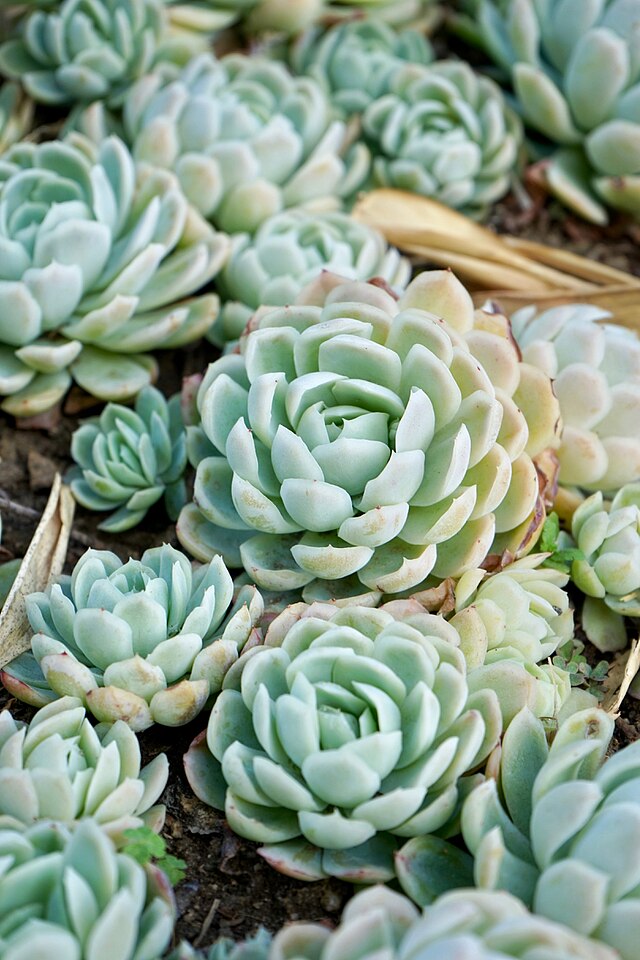
A succulent of the Crassulaceae family native to Central and South America, primarily Mexico. It's characterized by a rosette form with thick, fleshy rounded leaves spreading radially, with over 200 cultivated varieties. The leaf colors offer rich variations—pink, purple, silver-green—with beauty reminiscent of a flower arrangement. Many varieties display fall colors from autumn through winter, and the changing appearance with the seasons is one of its charms.
Haworthia
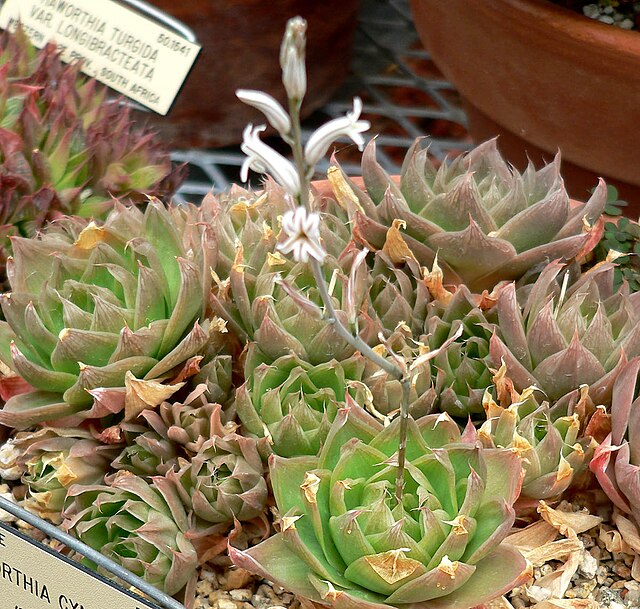
A succulent of the Xanthorrhoeaceae family native to South Africa. With over 500 cultivated varieties, it's extremely diverse, and varieties with semi-transparent "windows" (tissue formations at leaf tips) are particularly popular. In their native habitat, they grow partially buried in rock crevices or under shrubs, naturally avoiding strong sunlight. The translucent light passing through the windows has a mystical quality, and due to its high collectibility, Haworthia enthusiasts are found worldwide.
Light & Placement: The Biggest Difference Is Here
While succulents in general have a reputation for being "sun-loving," Echeveria and Haworthia have significantly different light requirements.
Echeveria prefers direct sunlight. Ideally, it should receive at least 4-6 hours of daily sunlight, such as in a south-facing windowsill or balcony. Insufficient light causes "etiolation," where the space between leaves stretches and the beautiful rosette form collapses. Maintaining a compact, tightly-formed plant requires adequate sunlight.
In contrast, Haworthia dislikes direct sunlight. It thrives in bright shade or soft light through sheer curtains. When exposed to direct summer sun, the leaves can get sunburned, so it can be managed adequately on a bright indoor shelf or even a north-facing windowsill.
Conclusion: For indoor management, Haworthia has a clear advantage. If you can secure a well-lit location, you can fully enjoy Echeveria's beauty.
Watering and Maintenance Effort
Basic Watering Cycle
Both are drought-tolerant succulents, but there are subtle differences.
- Echeveria: Water a few days after the soil is completely dry. During the growing season (spring and autumn), aim for 2-3 times a month. In summer and winter, reduce watering significantly as they tend to go dormant.
- Haworthia: Less tolerant of drought than Echeveria; it's fine to water as soon as the soil dries. During the growing season, water about 3-4 times a month. However, be careful of root rot from overwatering.
Summer and Winter Care
Echeveria faces challenges during peak summer when temperatures exceed 35°C (95°F). Move it to a well-ventilated location away from direct sun and nearly stop watering. Haworthia is relatively heat-tolerant and easier to manage with some shade. In winter, both are susceptible to damage below 5°C (41°F), so bringing them indoors is the safest option.
Overall ease of care is roughly equal, but Haworthia offers more flexibility in watering.
Propagation and the Joy of Growth
Echeveria: Leaf Propagation Is Fun
One of Echeveria's greatest appeals is the ease of leaf propagation. Simply remove a healthy leaf and place it on dry soil—a few weeks later, small shoots and roots appear. With high success rates, you can quickly multiply your plants by using dozens of leaves from a single plant. Stem cuttings and offset division are also possible, offering many propagation options.
Haworthia: Offset Division Is the Standard
Haworthia leaf propagation has a very low success rate, so the basic method is dividing offsets that emerge from the base of the plant. While it takes time for offsets to develop, you can enjoy watching the plant mature gradually.
Echeveria wins in ease and fun of propagation. If you want to easily experience the joy of "multiplying and arranging"—the heart of succulent growing—starting with Echeveria is recommended.
Price Range and Collectibility
| Common Varieties | Rare/Premium Varieties | |
|---|---|---|
| Echeveria | ¥300–3,000 | ¥5,000–30,000+ (Korean cultivars, etc.) |
| Haworthia | ¥500–5,000 | ¥10,000–100,000+ (collector varieties, etc.) |
Many Echeveria varieties are available at affordable price points, making them perfect for beginners. On the other hand, collector varieties of Haworthia and variegated ("nishiki") cultivars often exceed tens of thousands of yen and are highly competitive among plant collectors.
For budget-friendly starts, Echeveria is the way to go. If you want to develop a collection hobby centered on rare varieties, the world of Haworthia is equally deep.
Which Is Right for You?
Recommended for Echeveria:
- Bright south-facing windowsill or balcony available
- Want to enjoy seasonal color changes during fall-winter
- Want to propagate quickly through leaf cuttings
- Want an affordable introduction to succulents
- Prioritize colorful, visually striking appearance
Recommended for Haworthia:
- Only bright indoor shade available
- No direct sunlight available
- Attracted to the translucent, mystical beauty of leaves and windows
- Enjoy collecting rare varieties
- Want to minimize care mistakes (shade-tolerant)
GrowerDirect's Peace of Mind & Safety System
Success with both Echeveria and Haworthia depends on starting with easy-to-grow varieties. However, regardless of how good a variety is, ease of cultivation varies greatly depending on the plant's condition at purchase and its origin.
GrowerDirect features a system that lets you purchase directly from specialized succulent producers and growers. By eliminating middlemen, you receive healthy plants and can ask producers directly about cultivation conditions and care methods. Producers answer beginner questions like "Can this variety grow indoors?" and "What's the specific watering frequency?" with care and detail.
Producers also handle packing, ensuring delicate leaves arrive undamaged thanks to their experience shipping plants. With both Echeveria and Haworthia varieties available in abundance, please use this article as a guide to find a plant that fits your lifestyle.