Succulents Price Guide: Market Prices for Popular Species & How to Get Them
A guide to typical prices for popular succulents like Echeveria and Haworthia, plus market rates for rare varieties. We also cover price differences across direct producer sales, specialty shops, and online retailers, plus tips for spotting quality plants.
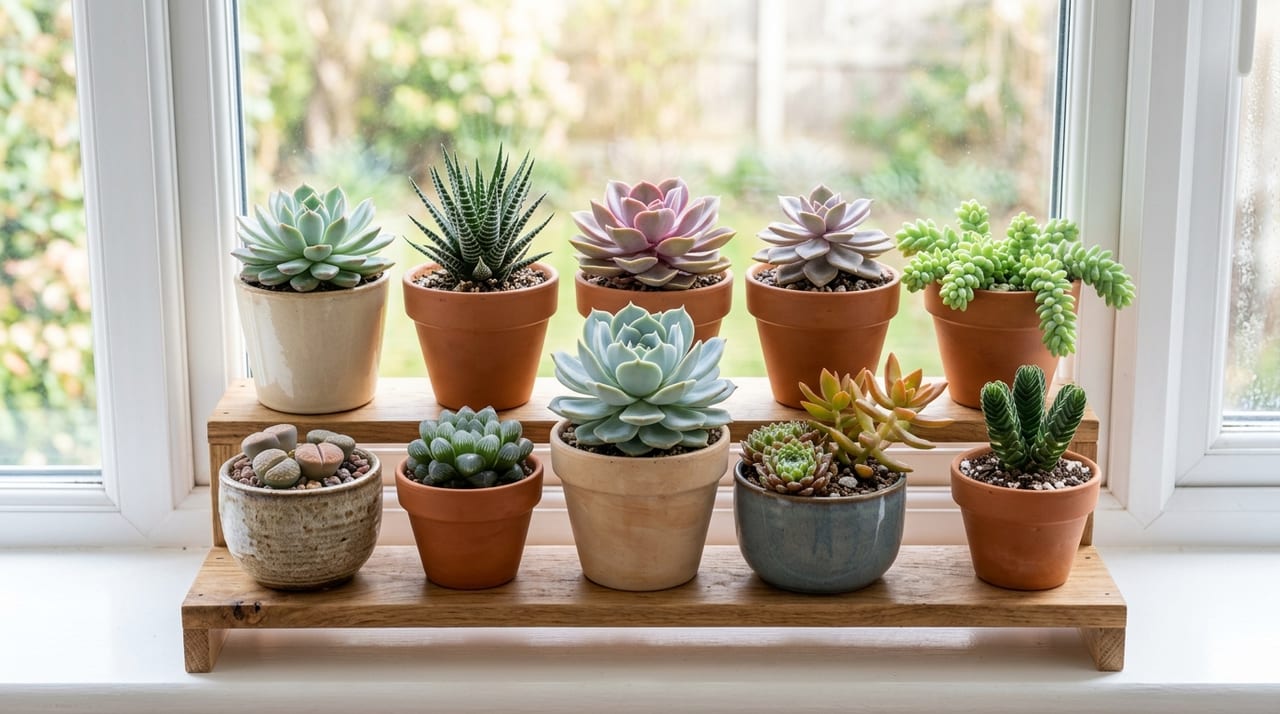
Key Takeaways
A guide to typical prices for popular succulents like Echeveria and Haworthia, plus market rates for rare varieties. We also cover price differences across direct producer sales, specialty shops, and online retailers, plus tips for spotting quality plants.
Related Species
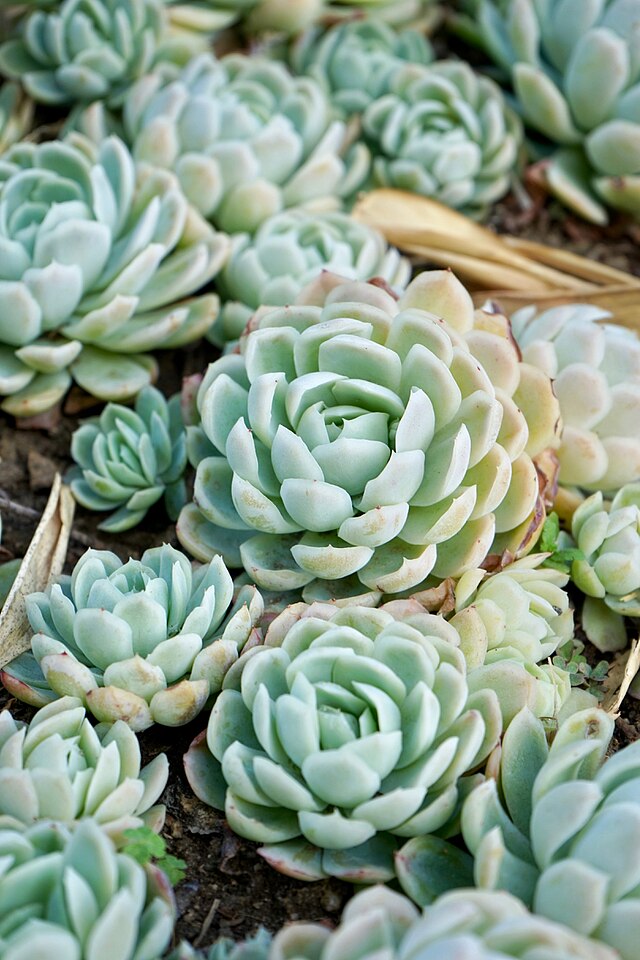
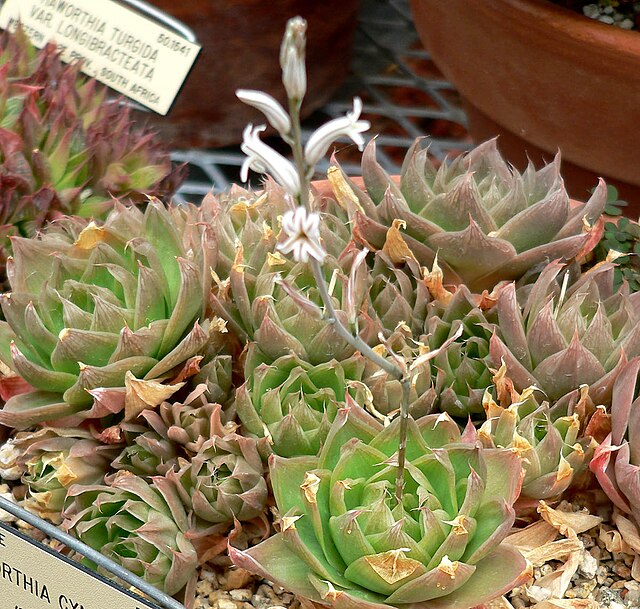
Succulents range dramatically in price, from seedlings costing just tens of yen to rare varieties fetching thousands of dollars. While some species are widely available at home improvement stores, others are fiercely sought after by collectors, with price differences sometimes reaching hundreds of times between varieties.
To make informed purchases in the succulent world without regrets, it's important to develop a sense of market value. This guide covers everything from the factors that influence pricing, to price ranges for popular categories, affordable acquisition methods, and key tips to avoid costly mistakes.
5 Factors That Determine Succulent Prices
Succulent prices are determined by a complex combination of several factors. Understanding the pricing mechanics first will help you develop the eye to judge whether a price is fair.
1. Rarity & Availability
Species with limited availability naturally command higher prices. In particular, variegated varieties (featuring color mutations or special crosses) are produced in limited quantities, making them prone to premium pricing. Similarly, recently imported species that haven't yet widely circulated domestically also tend to be pricier.
2. Size & Plant Maturity
Larger, mature plants command higher prices than seedlings. Large species like Agave and cacti take years to reach maturity, so fully grown specimens are priced accordingly.
3. Brand Value of Variety & Lineage
Specific Echeveria hybrids and collector-grade specimens imported from Korea or Taiwan command premium prices due to their "brand value." Varieties developed by popular growers may also carry additional premiums.
4. Plant Condition & Quality
Even within the same variety, price varies significantly based on plant condition. Well-formed, compact growth without etiolation (stretching), vibrant coloration, and freedom from damage or pests all result in higher valuations.
5. Purchasing Timing & Seasonal Availability
Succulents generally see increased availability from fall through winter. Spring growth season tends to see higher demand, while summer may see slower movement. Understanding seasonal trends helps you find better deals.
Price Guidelines by Category
Prices fluctuate with market trends, so use these as general guidelines only.
Sedums & Small Varieties
Sedums are among the easiest succulents to find. Hardy and easy to grow, they're popular for arrangements, making them perfect as a first plant for beginners. Widely available at home improvement stores and nurseries, they're accessible at reasonable prices for starting a collection.
Echeveria (Common Varieties)
Echeveria, known for their beautiful rose-like rosette form, are among the most popular succulents. Commonly available varieties are typically reasonably priced, allowing you to build a collection across a wide price range.
Echeveria (Rare Varieties & Imports)
Import specimens bred and produced in Korea or Taiwan are especially popular among collectors. Varieties not yet circulating domestically, or those with distinctive leaf forms and coloration, can command high prices. Trendy varieties are particularly price-volatile, so it's important to purchase with market awareness.
Haworthia (Common Varieties)
Haworthia are distinguished by their translucent "windows" that let light through beautifully. They dislike direct sun and are well-suited to indoor cultivation, making them popular as houseplants. Common varieties are reasonably priced with good availability, making them beginner-friendly.
Haworthia (Rare & Variegated Varieties)
Rare variegated Haworthia and clones are highly sought after by collectors. Individual specimens show significant variation, and particularly beautiful specimens often command premium prices.
Agave & Large Varieties
While mature Agave specimens are expensive, offsets (pups) can often be obtained more affordably. Popular collector varieties like "Titanota" and "Ovatifolia" vary significantly in price based on size and quality. Since they develop into valuable specimens over time, starting with small plants is part of their appeal.
Smart & Affordable Ways to Get Succulents
Propagate Through Leaf & Division
If you have plants on hand, you can propagate them through leaf propagation or division. Expanding your collection at zero cost is a major advantage. You can also exchange propagated plants with fellow enthusiasts to expand your collection.
Purchase Directly from Producers
Buying directly from producers, without middlemen, often lets you get fresh plants at fair prices. You also gain the advantage of asking producers directly about care and cultivation methods.
Grow from Small Seedlings
While large plants command high prices, starting from seedlings reduces your initial cost. Growing plants yourself is part of succulent's appeal. The attachment you develop to plants you've nurtured over time is unmatched.
Time Your Purchases Strategically
Fall through winter sees increased succulent availability. Rare varieties often appear during events and fairs. Timing your purchases strategically makes it easier to find your ideal specimens.
Price Pitfalls to Avoid
Don't Choose Based on Price Alone
Even if a plant is cheap, etiolated or poorly conditioned specimens are difficult to manage and take time to recover. While inexpensive plants aren't always bad, it's essential to carefully inspect plant condition before purchasing.
Don't Get Caught Up in Trends
In the succulent world, certain varieties become trendy and see sudden price spikes. However, prices often fall after the trend passes, so be cautious about paying premium prices for trending varieties.
Handling Unnamed Seedlings
There's still enjoyment in growing unnamed seedlings. However, they're not ideal for purchase with resale intentions as rare varieties. If your goal is personal enjoyment, affordable "mystery" plants are still an attractive option.
With GrowerDirect: Direct Producer Purchases for Peace of Mind & Value
GrowerDirect is a direct sales platform connecting plant growers and producers with buyers. In the succulent category, you can purchase plants directly from producers who manage them carefully, ensuring satisfying purchases from both quality and price perspectives.
- Ask producers directly about varieties and care methods: Beginners unsure about cultivation can feel confident
- No middleman costs—easier to purchase at fair prices: Benefits both producers and buyers
- Transparency from seeing seller profiles: Not anonymous—you can verify producer profiles and sales history
- Opportunity to discover rare varieties: Producers often offer varieties they've independently developed and cultivated
The succulent world spans a wide range of prices and varieties, which can be overwhelming at first. But with GrowerDirect, you can purchase directly from trusted producers, so even beginners can confidently start their collection. Find your perfect specimen in the succulent category today.