Summer and Winter Type Succulents: Growth Cycles and Watering Management Strategy
This article explains the differences in growth types of succulent plants, their annual growth cycles, seasonal watering management strategies, common failures, and countermeasures.
Key Takeaways
This article explains the differences in growth types of succulent plants, their annual growth cycles, seasonal watering management strategies, common failures, and countermeasures.
Related Species
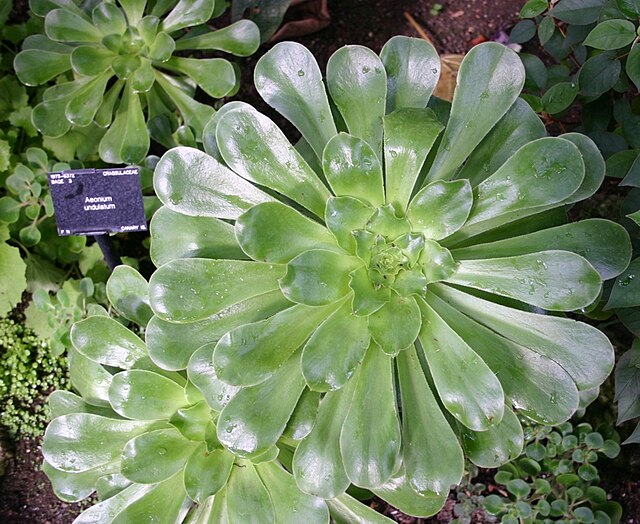
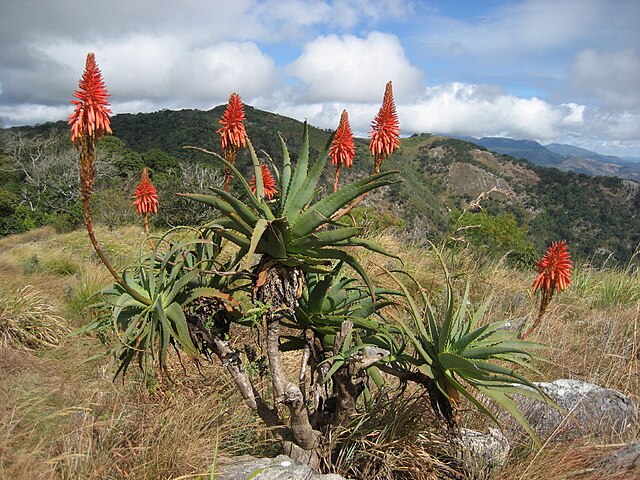
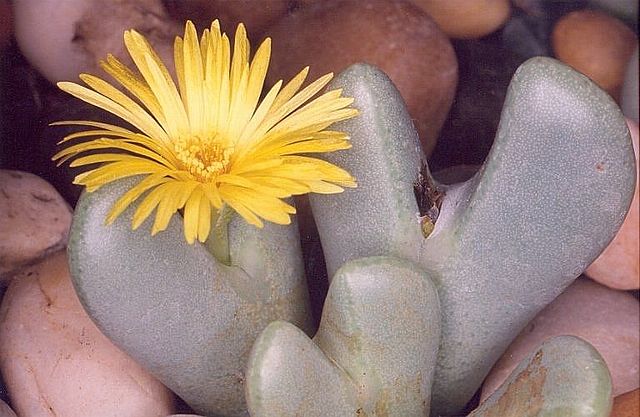
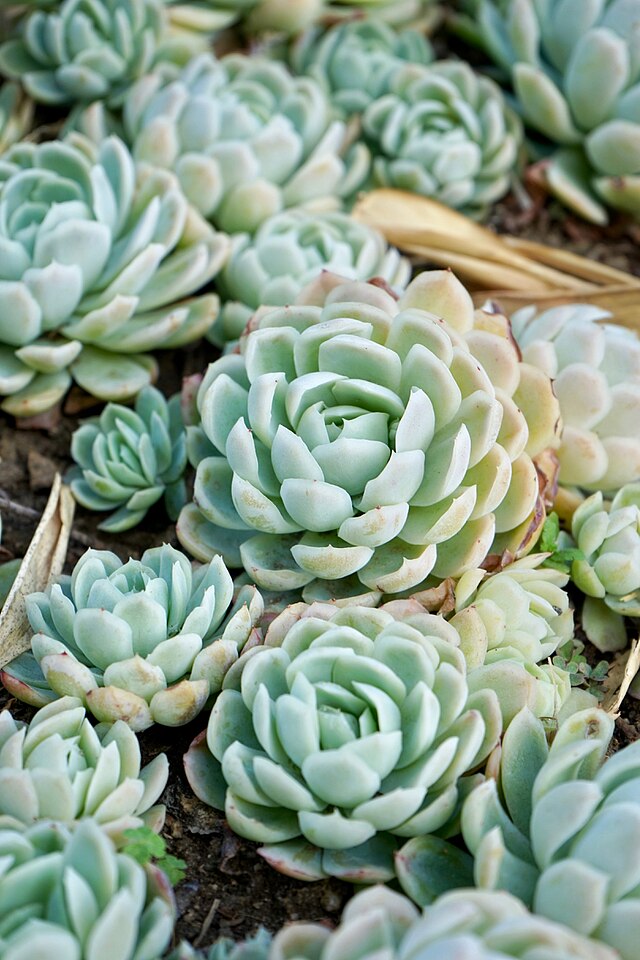
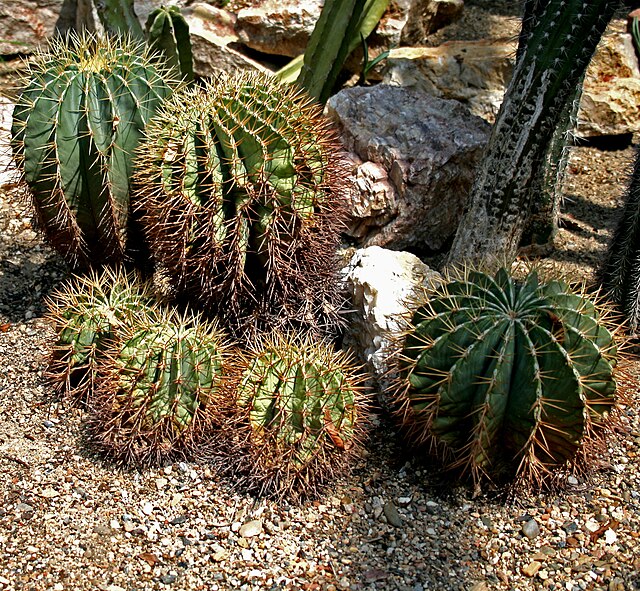
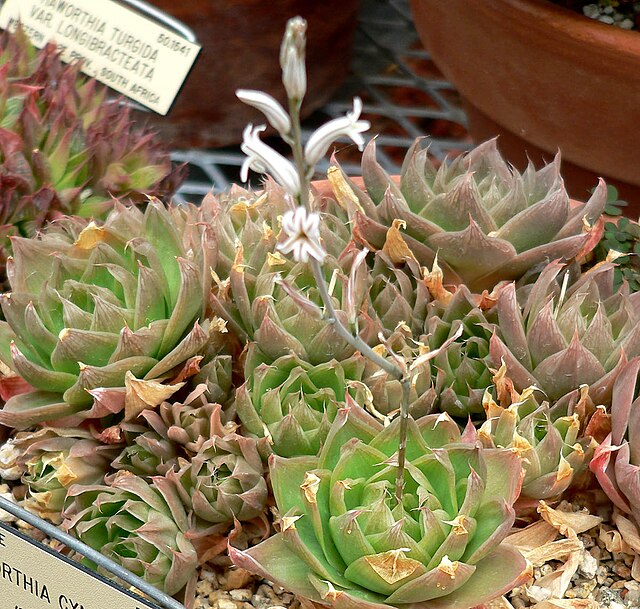
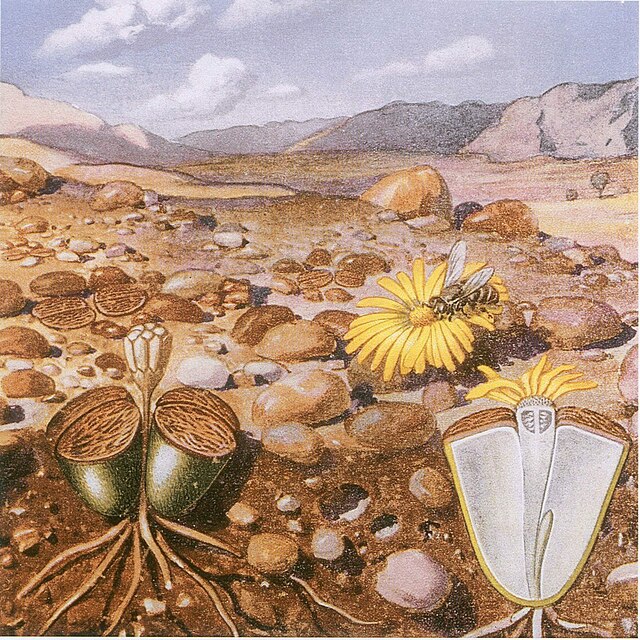
Succulent plants are distributed worldwide and comprise an extremely diverse group of plants with highly varied forms and characteristics. At first glance, it may seem that all succulent plants grow in the same way, but in reality there are three distinct growth types—summer type, winter type, and spring-autumn type—each with completely different growth cycles throughout the year. Understanding this fundamental difference is the most important knowledge for growing succulent plants healthily. Many people who fail at cultivating succulents do so because they ignore these differences in growth type and apply watering uniformly across all plants.
Three Growth Types of Succulent Plants and Their Characteristics
The growth type of succulent plants is a characteristic that has evolved as an adaptation to the climate of their native regions. The characteristics of each growth type are as follows:
| Growth Type | Primary Origins and Active Growing Periods | Representative Examples | Temperature Guidelines |
|---|---|---|---|
| Summer type | Primarily native to high-temperature, arid desert regions. They grow most actively during the hot summer months and enter a state close to dormancy during winter | Cacti, aloe, aloe vera, cacti of the Ferocactus genus, etc. | They continue to grow vigorously even in high-temperature environments exceeding 30℃ |
| Winter type | Native to regions such as South Africa and the Mediterranean where rainfall occurs during winter. They grow actively during the cool autumn and spring seasons | Aeonium, Lithops, Conophytum, Gingetsu, etc. | They remain active even at temperatures around 15℃ |
| Spring-autumn type | They avoid the extreme temperatures of summer and winter, growing actively during the warm spring and autumn seasons | Echeveria, Sedum, Haworthia, some species of Crassula, etc. | They prefer environments around 20℃ |
Annual Growth Cycles and Seasonal Management
The annual growth cycle of summer-type succulent plants spans from early summer through early autumn as their active growing period. It is important to provide maximum light and water during this time. Plants begin to grow with the rise in temperature in early summer, use the most energy during the high temperatures of July and August, and actively produce flower buds and expand foliage. As autumn progresses, the growth rate slows with the drop in temperature. Winter becomes a period of complete dormancy for most summer-type species, and while temperatures are low, plants require almost no moisture. As temperatures recover in early spring, growth resumes—this cycle repeats every year.
The pattern for winter-type succulent plants is exactly reversed. Beginning in October and November as autumn deepens, the drop in temperature triggers the start of their growing period. They continue to grow from autumn through spring, but growth slows during the coldest period. As spring arrives and temperatures rise, the growth rate gradually declines, and by early summer they enter complete dormancy. For winter-type species, midsummer is their most difficult season. In environments exceeding 35℃, growth stops entirely and there is even a risk of rot.
Spring-autumn type species have two growth peaks—one in spring (March–May) and another in autumn (September–November). The rise in temperature in early spring triggers active growth from March through May. As high temperatures approach in early summer, growth slows, and from June through August they enter a state close to dormancy. When autumn arrives, they resume growing, with September through November becoming the second active growing period. Winter is a dormant period, but not as severe as for summer types; as long as temperatures do not drop to extremes, some growth may continue.
Growth Type-Specific Watering Management Strategies and Seasonal Guidelines
Watering management is the most important factor in succulent plant cultivation. Succulent plants have developed tolerance to dry environments by storing moisture in their leaves and stems. However, the water requirements differ dramatically between active growth and dormancy periods.
For summer-type succulent plants, water management during the active growing period from early summer through autumn involves thoroughly watering at intervals until the soil is completely dry. The watering schedule for winter-type succulents differs significantly from summer types, with watering frequency gradually increasing as autumn arrives and growth begins. Watering for spring-autumn types is managed around their two active growing periods. The following table shows watering frequency guidelines for each growth type:
| Growth Type | Period | Watering Frequency Guidelines |
|---|---|---|
| Summer type | Spring to early summer | Approximately once per week |
| Summer type | Midsummer | Approximately once every 2–3 days (when temperatures exceed 35℃, water in the morning to avoid excessive evaporation during the day) |
| Summer type | Autumn (as temperatures drop) | Gradually extend the watering interval |
| Summer type | Winter | Approximately once to twice per month, moistening lightly (some species winter completely dry) |
| Winter type | Active growing period in winter (November–February) | Once per week at intervals until soil dries |
| Winter type | Transition to spring (March) | Begin to reduce watering frequency |
| Winter type | Early summer (May) | Approximately once per month |
| Winter type | Midsummer (July–August) | Approximately once every 1–2 months, moistening lightly |
| Spring-autumn type | Spring growing period (March–May) | Approximately once per week |
| Spring-autumn type | Autumn growing period (September–November) | Approximately once per week |
| Spring-autumn type | Early summer (June–early July) and midsummer (August) | Reduce to approximately 1–2 times per month |
| Spring-autumn type | Winter (December–February) | Approximately once per month, moistening lightly |
Most winter-type species can survive the summer with no water at all. In fact, watering heavily during this season is the greatest cause of rot and disease, making strict drought management essential.
Watering Failure Cases and Countermeasures
The most common failure in succulent plant cultivation is root rot from overwatering. Typical cases include watering winter-type succulent plants daily during summer, or giving dormant plants the same watering frequency as during summer. Most such failures stem from mechanically applying the general rule for foliage plants—"water when soil is dry"—without adjustment. While succulent plants can survive with dry soil, excess moisture easily causes root rot.
Early symptoms of root rot include soft leaves with a transparent appearance. At this stage, recovery is likely, so stop watering immediately and move the plant to a well-ventilated location to prevent the rot from progressing. If the stem becomes soft and mushy, propagation via cuttings is recommended. By selecting a healthy stem and taking a cutting, most species will produce new roots and can be regenerated as a new plant.
Another failure is applying fertilizer during the dormant period. Fertilizing a non-growing plant causes the plant to be unable to process excess nutrients, increasing the risk of root rot. Fertilizer should only be applied during the active growing period, and even then limited to diluted liquid fertilizer approximately once or twice per month. Completely withholding fertilizer during dormancy is the correct management approach.
Insufficient light is also a major problem for succulent plants. Particularly in indoor cultivation of winter types, the low winter sunlight readily causes etiolation—the stretching of stems. Etiolated plants not only lose their natural beauty but also develop weak stems and become more susceptible to pests and diseases. When growing winter types indoors, placement in locations receiving maximum sunlight, such as a south-facing windowsill, is important. Supplemental artificial light is also an option.
Temperature management failures must not be overlooked. This includes leaving summer-type succulent plants outdoors below 10℃ in winter, or placing winter-type succulents in environments that cannot be sufficiently cooled during summer. To maintain winter-type species, move them to a well-ventilated, shaded location during midsummer and use shade cloth if necessary to suppress temperature rise. For summer types, if temperatures drop below 10℃, move them indoors or take measures to prevent freezing.
Practical Advice for Successful Succulent Plant Cultivation
The first step in succeeding with succulent plants is accurately identifying the growth type of the species you are growing. At the time of purchase, confirm this with the seller or research the growth type from the plant's scientific name. If the growth type is unknown, the safest approach is conservative management—light watering of approximately once or twice per month year-round, avoiding overwatering. While growth may be slower with this strategy, the risk of death is minimized.
Next in importance is optimizing the growing environment. Succulent plants generally prefer strong sunlight. Indoors, a south-facing windowsill is ideal, though east or west-facing locations work well too. Complete shade should be avoided. Air circulation is also important; adequate air flow significantly reduces the risk of pests and root rot. Particularly during the hot summer months, using a circulating fan to move air is effective.
Soil selection is also an important element. It is recommended to use commercially available soil formulated specifically for succulents. These soils contain water-draining materials such as red volcanic soil, pumice, and perlite, and rapidly drain excess moisture. Using standard garden potting soil will result in excessive water retention and increased risk of root rot.
Management during dormancy must not be overlooked. For summer-type species, winter placement in a warm indoor location (5℃ or above) is ideal. If using a cold frame, plants should be brought indoors before frost or protected with nonwoven fabric for insulation. For winter-type species, summer management involves moving them to a cool, shaded location such as the north side outdoors, and lightly misting foliage in the morning and evening to prevent excessive drying.
Keeping records is also a secret to successful cultivation. Recording when and how frequently you watered, changes in the plant's appearance, and the condition at each season makes future management more accurate. While trial and error is unavoidable in the first year, accumulating this data reveals the optimal management pattern for each species.