Sendai Winter Response: Indoor Management of Succulents and Greenhouse Setup Costs
5 indoor management tips for protecting succulents in Sendai's winter with minimum temperatures around -5°C, and comparison of temporary greenhouse and aluminum greenhouse setup costs. A practical guide specialized for Sendai's climate, from LED light use to spring transition management.
Key Takeaways
5 indoor management tips for protecting succulents in Sendai's winter with minimum temperatures around -5°C, and comparison of temporary greenhouse and aluminum greenhouse setup costs. A practical guide specialized for Sendai's climate, from LED light use to spring transition management.
Related Species
Introduction: Sendai's Winter Is the Greatest Trial for Succulents
Sendai City in Miyagi Prefecture is known as the "City of Trees" for its abundant greenery, but the winter cold is an extremely harsh environment for succulents. When the minimum temperature drops to around -5°C in Sendai's winter, most succulents cannot be left outdoors.
There's an image that "succulents don't need much water and are easy to grow," but if you neglect cold protection, a single night of freezing can cause you to lose your entire collection. This article explains in detail the practical tips for indoor management of succulents specialized for Sendai's winter, as well as greenhouse setup costs and selection methods.
Cold Hardiness Chart for Succulents
Cold hardiness limits for succulents vary greatly depending on variety. Let's look at how to manage different varieties during Sendai's winter (minimum temperature -5°C).
| Variety Group | Cold Hardiness Limit | Overwintering in Sendai |
|---|---|---|
| Sedum (Japanese native) | Around -10°C | Can overwinter outdoors (eaves recommended) |
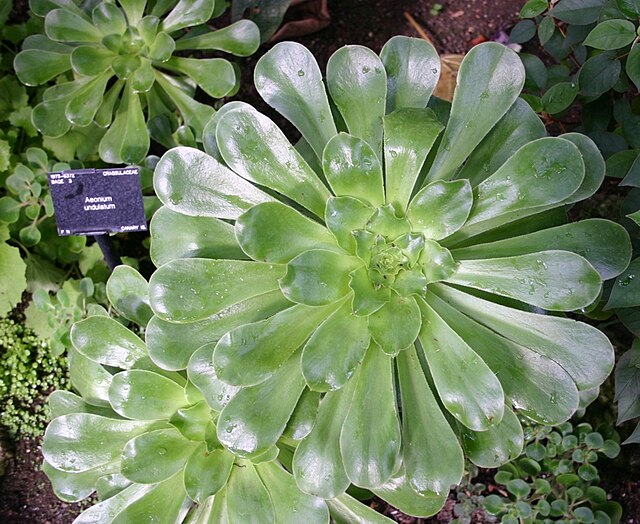
| Aeonium | 0 to -3°C | Possible at eaves (move indoors during cold snaps) |
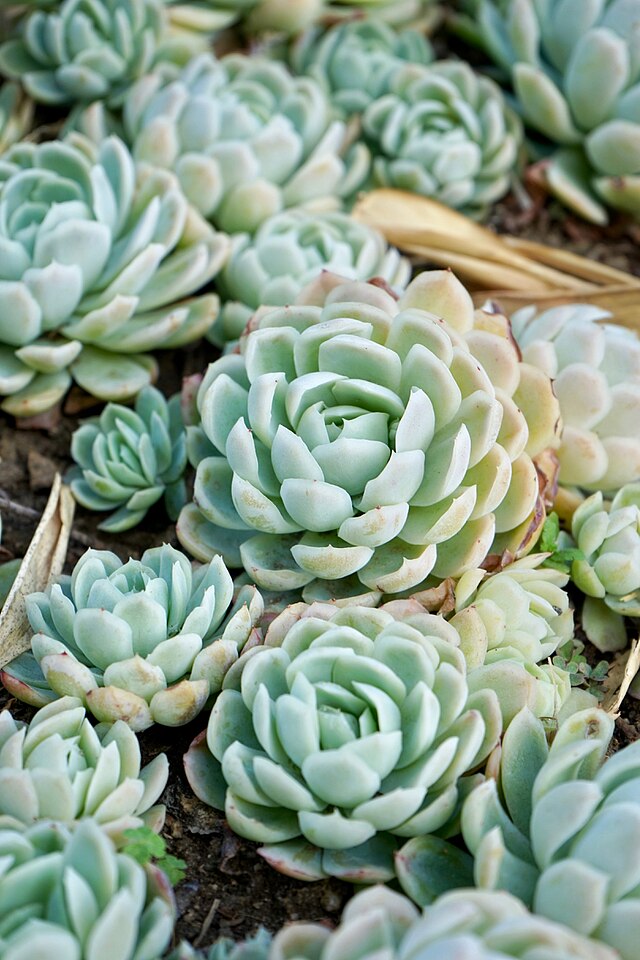
| Echeveria | 3 to 5°C | Indoor overwintering required |
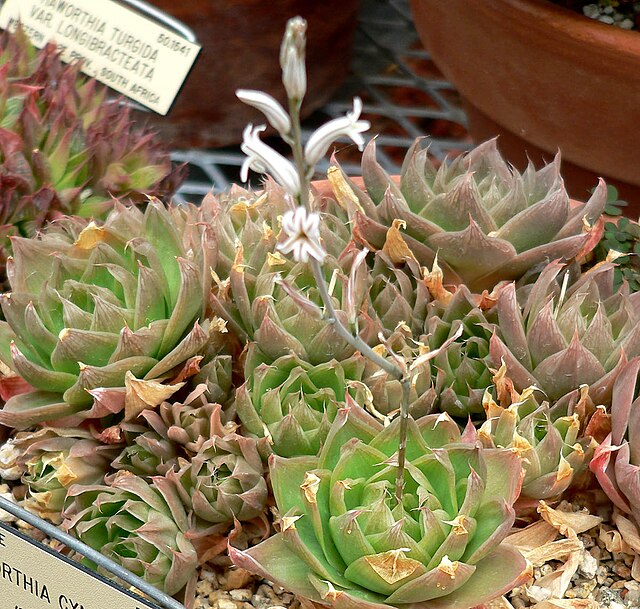
| Haworthia | 5°C | Indoor overwintering required |
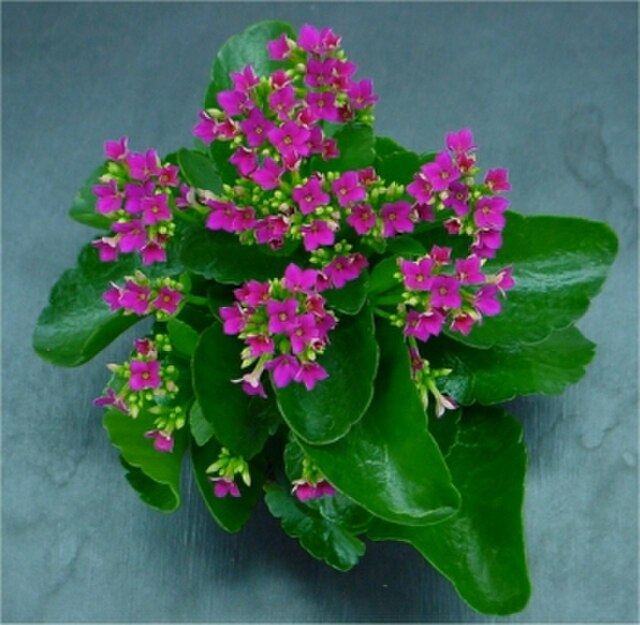
| Kalanchoe | 5 to 10°C | Heated indoor space required |
| Cotyledon | 3 to 5°C | Indoor overwintering required |
Among succulents, "Echeveria Lola" with beautiful red coloring and "Haworthia obtusa" with attractive translucent leaves are representative examples of the group requiring indoor overwintering. In Sendai, from late November onward, transition Echeveria, Haworthia, and Kalanchoe to indoor management. Japanese Sedum and hardy Aeonium can overwinter at eaves, but pay close attention to minimum temperatures during cold snaps.
Five Points for Indoor Management
1. Placement: "Sunny Window Location Is Top Priority"
The biggest challenge in managing succulents indoors is "insufficient light." Compared to outdoors, indoor lighting is significantly less, and especially in the Tohoku region where cloudy days continue through winter, the risk of etiolation increases.
Recommended placement: Right beside a south or east-facing window. Keep 5-10cm clearance to avoid contact with the window glass. Pot selection and soil drainage also affect the success rate of winter survival; please also see Complete Guide to Succulent Soil and Pot Selection | Soil Mix Ratios, Terracotta Pots, and Plastic Pot Use.
Signs of insufficient light:
- Space between leaves becomes stretched
- Leaf color turns pale green
- Plant leans toward the direction of light
2. Supplemental Lighting (LED Lights)
Sendai winters have many cloudy days, and the south-facing window alone may not provide enough light. Plant growth LED lights are effective in such cases.
Selection guidelines:
- Red (660nm) + blue (440nm) combination is effective for photosynthesis
- PPF value: 50-100 μmol/m²/s or higher is appropriate for succulents
- Irradiation distance: 20-30cm above the plant as a guide
Cost range: Commercial plant growth LED lights (with timer) cost around ¥5,000–¥15,000. At 12 hours of operation per day, electricity costs are around ¥200–¥500 per month.
3. Dry Air Prevention in Heated Rooms
Heated indoor air becomes extremely dry. While succulents are drought-tolerant, excessively dry soil can damage roots.
Winter indoor watering frequency: Every 2–4 weeks is a guide. If room temperature is constantly above 20°C due to heating, water approximately every 2 weeks.
Caution: Avoid places where heating unit warm air blows directly. Rapid drying can cause leaves to shrivel or lose color.
4. Ventilation and Prevention of Excess Humidity
Indoor management tends to create sealed spaces, with increased risk of disease from excess humidity. Especially from early summer through early winter, conditions tend to become overly moist.
Measures:
- Open windows for ventilation on sunny, warm days
- Leave sufficient spacing between pots (leaves should not touch)
- Confirm soil surface is dry before watering
5. Transition Management for Spring (March–April)
When March arrives and Sendai's temperature stabilizes, gradually return to outdoor management. Exposing plants directly to strong sunlight can cause leaf scorch, so acclimate them gradually.
Transition steps:
- Early March: Move to a sunny window during daytime (10–15 o'clock) only
- Mid to late March: On days when minimum temperature exceeds 5°C, move outdoors during the day only
- Early April: When nighttime minimum temperature exceeds 10°C, move to constant outdoor management
Greenhouse Setup Costs and Selection
If you lack indoor space or manage a large number of succulents, setting up a small outdoor greenhouse is an effective option. Here's a summary of greenhouse setup costs and considerations for snow regions like Sendai.
Temporary Greenhouse (¥10,000–¥50,000)
A temporary greenhouse with iron pipes and vinyl sheet material available at home centers or online shops.
Features:
- Price: ¥3,000–¥15,000 (depending on size)
- Installation: Possible to assemble in 1–2 hours
- Insulation: Low (internal temperature changes only 2–3°C from outside air)
Drawbacks in Sendai: Due to low insulation, on days during the coldest period (January–February) when outside temperature drops below -5°C, the interior also approaches 0°C. This may be insufficient for varieties with low cold hardiness like Echeveria.
Combining with "incandescent bulb heating method" — installing a single bulb (40W incandescent or agricultural heating bulb) inside — can raise interior temperature by 5–8°C. Electricity costs are around ¥500–¥1,000 per month.
Medium-Size Aluminum Greenhouse (¥150,000–¥500,000)
A more professional greenhouse with aluminum frame and polycarbonate panels. High insulation allows stable management even in winter with a heater installed.
Features:
- Price: ¥150,000–¥500,000 (including installation)
- Insulation: Medium to high (can maintain temperature 10–15°C higher than outside air)
- Installation: May require contractor work
If you want to cultivate succulents seriously in Sendai, this scale of greenhouse is worth considering. Prices including installation work vary by contractor, but consulting local contractors handling exterior construction and installation work allows you to request greenhouse foundation work and installation as a package. It's also a good idea to request quotes from regional construction and installation contractors like m-kogyo.
Running Cost Comparison
| Method | Initial Cost | Monthly Cost (Winter) | Maintenance Effort |
|---|---|---|---|
| Indoor (LED lights) | ¥5,000–¥20,000 | ¥500–¥1,500 | Daily observation necessary |
| Temporary greenhouse (incandescent heating) | ¥5,000–¥20,000 | ¥800–¥2,000 | Ventilation and temperature management |
| Medium aluminum greenhouse | ¥150,000–¥500,000 | ¥3,000–¥8,000 | Relatively minimal |
Summary: Get Through Sendai's Winter with "Bringing Indoors + Ensuring Light"
The basic strategy for protecting succulents through Sendai's winter is as follows:
- Complete bringing indoors by late November (Essential for Echeveria, Haworthia, Kalanchoe)
- Secure light via south-facing window or plant growth LED light
- Reduce watering dramatically to once every 2–4 weeks
- For large-scale management, temporary greenhouse + incandescent heating offers excellent cost-effectiveness
For more detailed winter survival process overall, see Complete Succulent Winter Survival Guide | Indoor Management, Watering Reduction, Frost Protection, and Spring Preparation. Succulents that survive Sendai's harsh winter will display beautiful colors and forms in spring. Start preparations early to protect your valuable plants.