A Guide to LED Cultivation of Succulents | Light Intensity and Photoperiod to Prevent Leggy Growth in Indoor Management
A guide to cultivating succulents indoors with LED lights. Covers the PPFD values needed to prevent leggy growth, recommended LED types and installation distances, lighting duration guidelines, and introduces the advantages and disadvantages of LED cultivation by plant variety.
Key Takeaways
A guide to cultivating succulents indoors with LED lights. Covers the PPFD values needed to prevent leggy growth, recommended LED types and installation distances, lighting duration guidelines, and introduces the advantages and disadvantages of LED cultivation by plant variety.
Related Species
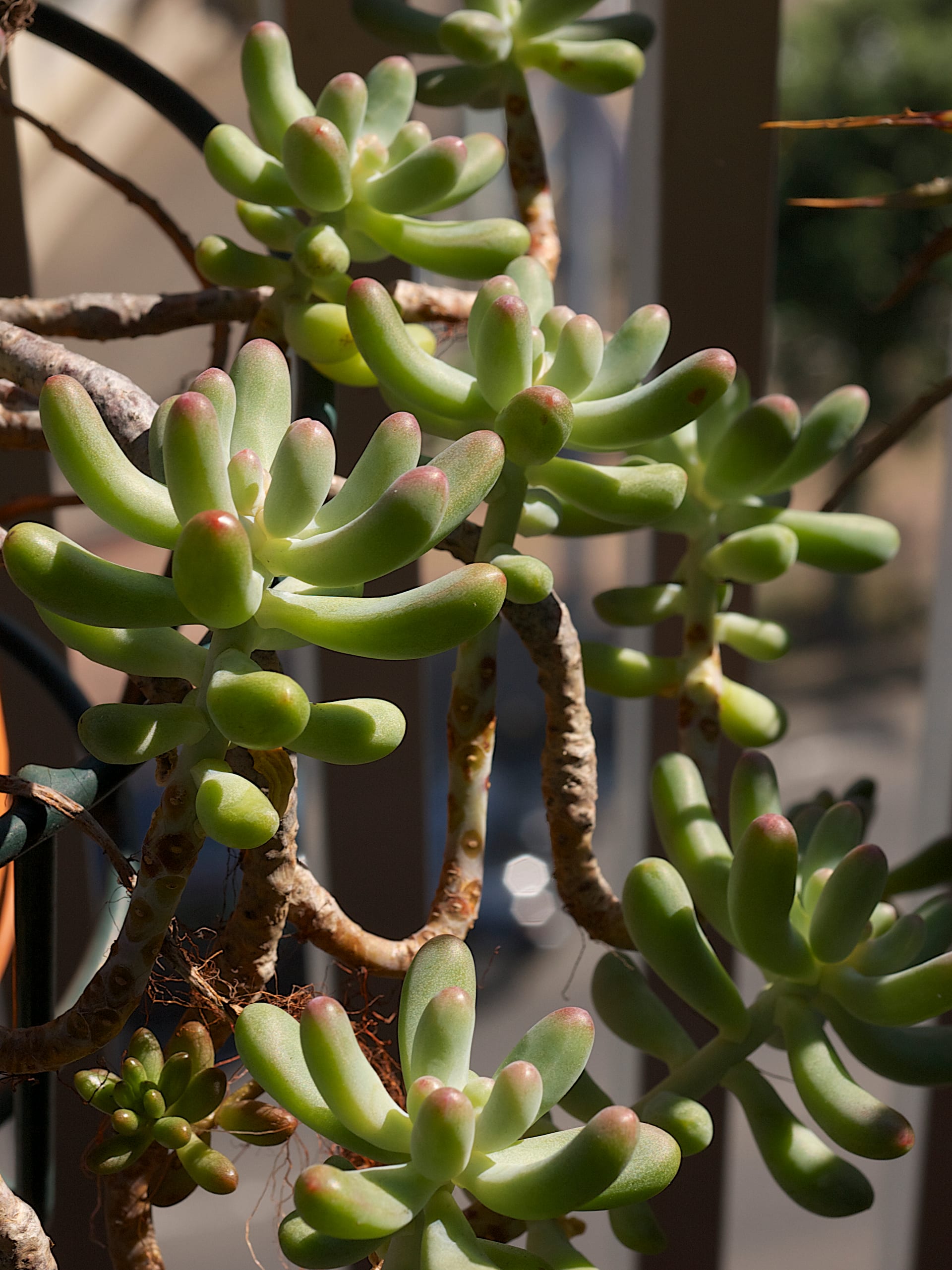
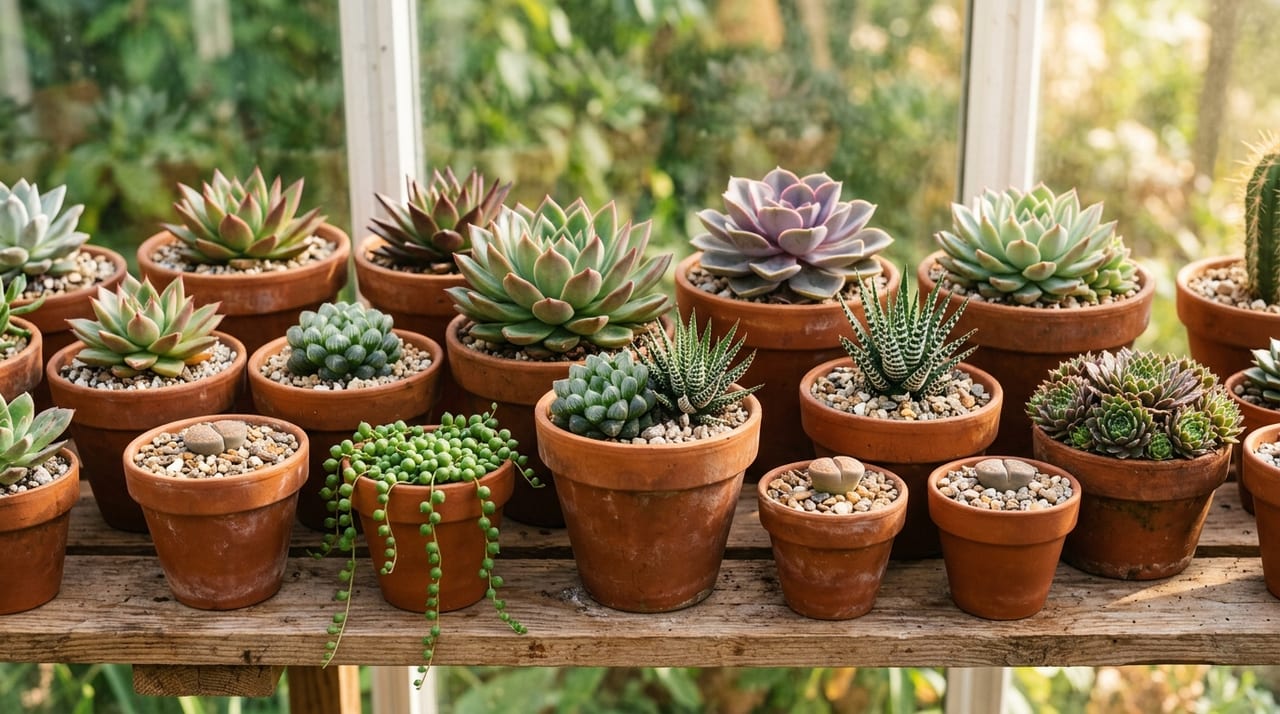
Succulents prefer sunlight, but indoor environments make it difficult to secure sufficient light intensity, which causes leggy growth (a tall, sparse appearance). In recent years, the proliferation of LED cultivation lights has made it possible to grow succulents in good condition even indoors.
Preventing Leggy Growth: PPFD Values
The PPFD (Photosynthetic Photon Flux Density) is an indicator that shows light intensity. The unit is μmol/m2/s, representing the amount of light available for photosynthesis.
The required PPFD values vary depending on the type of succulent, but general guidelines are as follows:
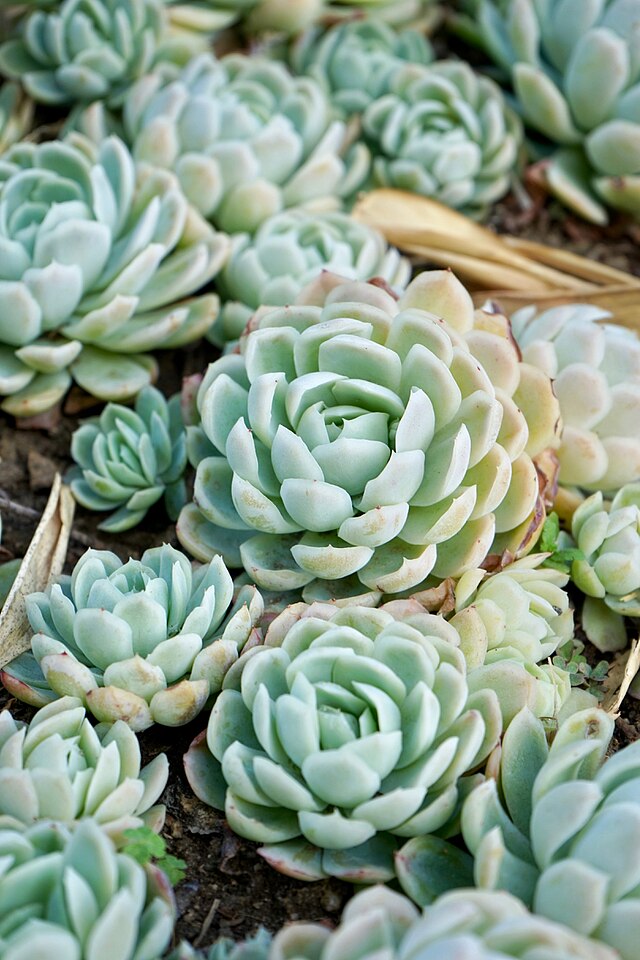
- Echeveria / Sedum: 200–400 μmol/m2/s (bright shade to light equivalent to direct sunlight)
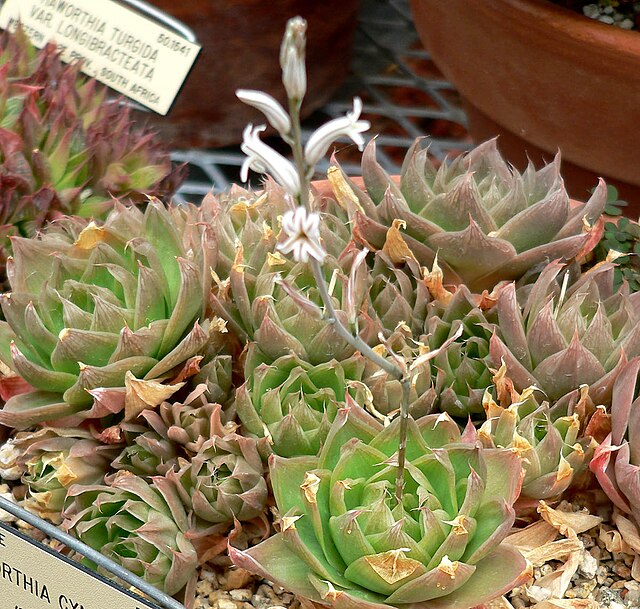
- Haworthia: 100–200 μmol/m2/s (conservative, as these dislike intense light)
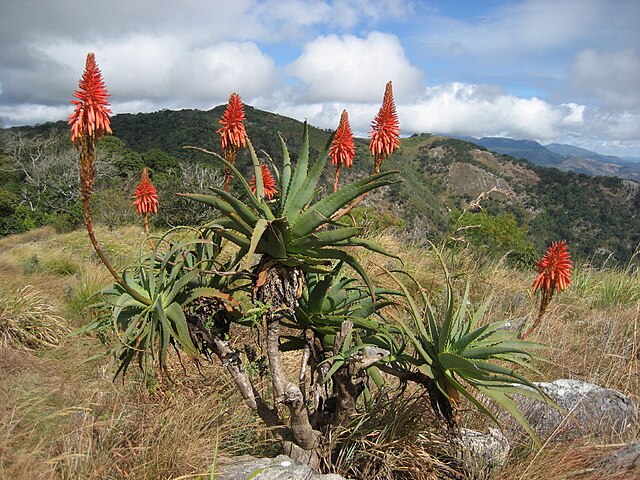
- Agave / Aloe: 400–600 μmol/m2/s (prefer strong light)
To prevent leggy growth, it is important not to fall below the minimum values listed above. If PPFD is too low, the plant will stretch its stem in search of light, resulting in leggy growth.
Types of LED Lights
White LED (Plant Growth / Full Spectrum)
Although it appears white, full-spectrum types that contain the blue (400–500 nm) and red (600–700 nm) wavelengths necessary for plant photosynthesis are ideal for succulents.
Selection Tips:
- Look for those with a stated PAR (Photosynthetically Active Radiation) value
- Those with proper heat dissipation (prevents LED chip degradation from heat)
- Those with a wide irradiation angle (can cover multiple plants)
Red/Blue Specialty LED
"Plant growth" type LEDs combining red and blue offer high photosynthetic efficiency, but produce a purplish-looking light. If displaying plants for aesthetic purposes, white-type LEDs look less visually odd.
Setting Distance and Light Duration
Light Distance
The distance between the LED and plant directly affects PPFD. Closer distance increases light intensity, but too close causes leaf burn.
Recommended distance (when using LED grow panels):
- Echeveria / Sedum: 15–25 cm
- Haworthia: 25–40 cm
Measuring actual PPFD values with a light meter (quantum sensor) is most reliable.
Light Duration (Photoperiod)
Succulents are neither short-day nor long-day plants, so strict photoperiod management is unnecessary. However, 12–16 hours of light matching natural rhythms is recommended.
Using a timer outlet for automatic management is convenient. Turning off the light at night gives plants rest.
Stress-Induced Coloration Under LED Light
Succulents display beautiful colors—red, orange, purple—through moderate stress (strong light, temperature fluctuation, water restriction). LED cultivation can also bring out this "stress coloration."
Tips for Promoting Color Development:
- Create a 10°C or greater day-night temperature difference (even in a heated room, lowering temperature at night is effective)
- Reduce watering from fall through winter
- Increase light intensity by 20–30% above normal
However, Haworthia rarely displays stress coloration and suffers leaf burn under strong light, so avoid intense light management for the purpose of color development.
Cultivar-Specific Management Points
Echeveria
During the growing season (spring and fall), maintain PPFD of 300–400 μmol/m2/s with about 14 hours of light. In summer, growth slows, so reduce light intensity and treat similar to shade management.
Sedum
Sedum tolerates strong light and has no problem with 400 μmol/m2/s or more. However, cultivars prone to leggy growth (such as Sedum 'Maiden's Heart') should be especially monitored for insufficient light.
Haworthia
Avoid intense light and maintain PPFD of 100–150 μmol/m2/s. Soft, diffuse light is ideal over direct light, so techniques like placing the LED panel behind a white curtain are effective.
Common Beginner Mistakes and Solutions
Mistake 1: Using how "bright" it looks to judge light intensity The human eye adapts to darkness, so indoor lighting can feel quite bright. However, it falls far short of the PPFD succulents need. Do not judge by appearance, but by the result: whether the plant is growing leggy.
Mistake 2: Placing the LED too close Reducing distance to boost light intensity causes leaf burn and heat damage simultaneously. Heat accumulates especially in enclosed shelves. It is safer to extend lighting duration than to reduce distance.
Mistake 3: Running lights 24 hours a day Plants need a dark period; continuous lighting exhausts the plant. Keep it to 10–14 hours and fix it with a timer. Fluctuating duration day-to-day has worse effects than the absolute length.
Purchase with Confidence at GrowerDirect
Selecting succulent cultivars suited to indoor LED cultivation is also key to success. At GrowerDirect, you can purchase directly from succulent growers and consult them directly about indoor management experience and light conditions. As your first plant when beginning LED cultivation, please try a quality GrowerDirect-grown specimen.