Succulent Winter Care Guide | Indoor Management, Watering Reduction, Frost Protection, and Spring Preparation
From basic principles of overwintering succulents to variety-specific indoor management, watering reduction timing, frost protection, and spring repotting preparation—a detailed guide. Also covers common winter pitfalls for beginners and practical solutions.
Key Takeaways
From basic principles of overwintering succulents to variety-specific indoor management, watering reduction timing, frost protection, and spring repotting preparation—a detailed guide. Also covers common winter pitfalls for beginners and practical solutions.
Related Species
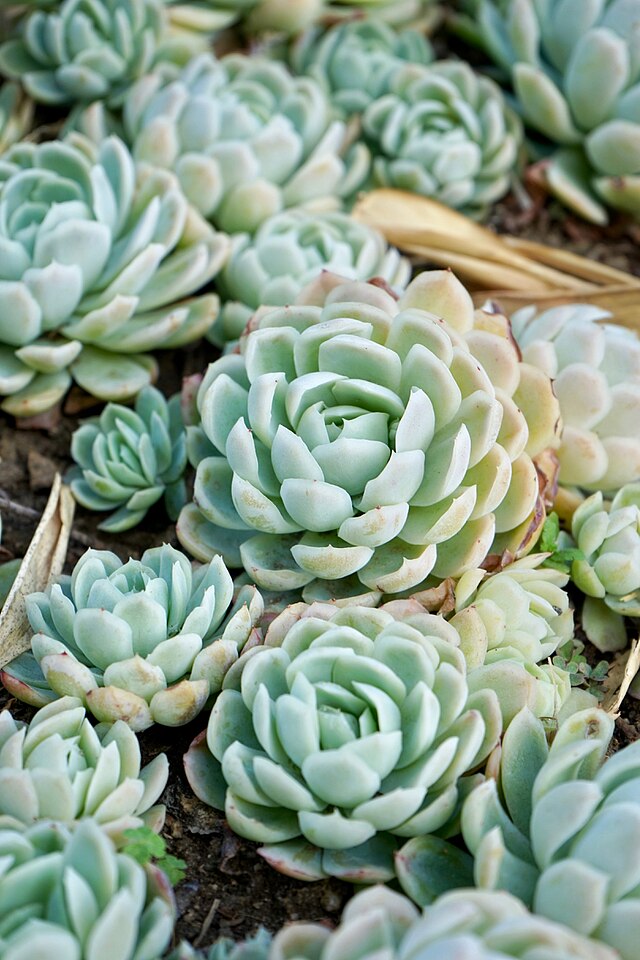
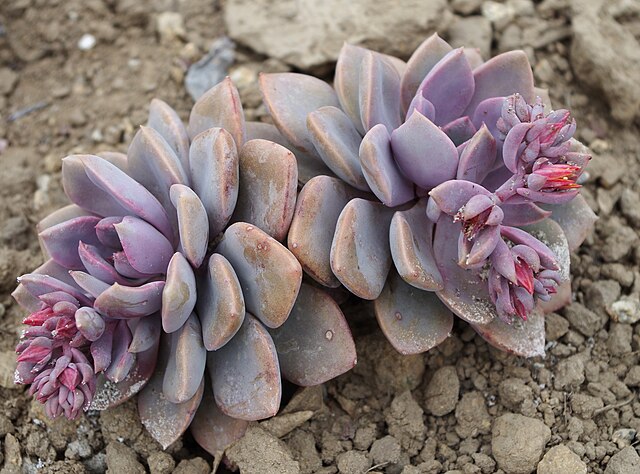
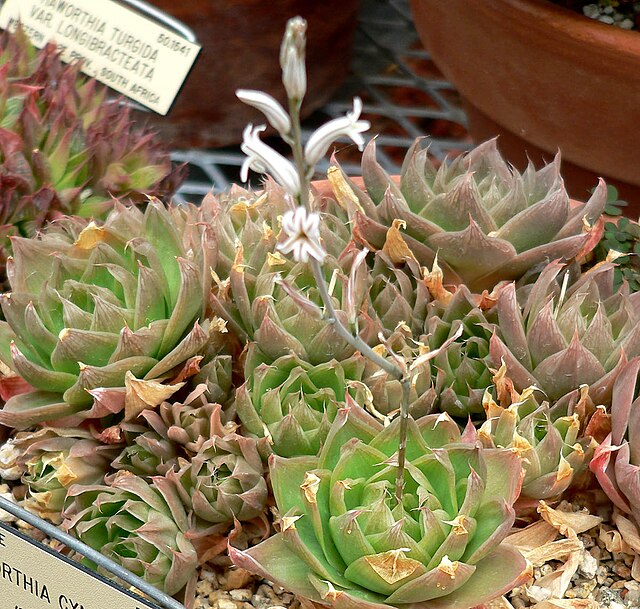
Why Succulents Struggle with Winter
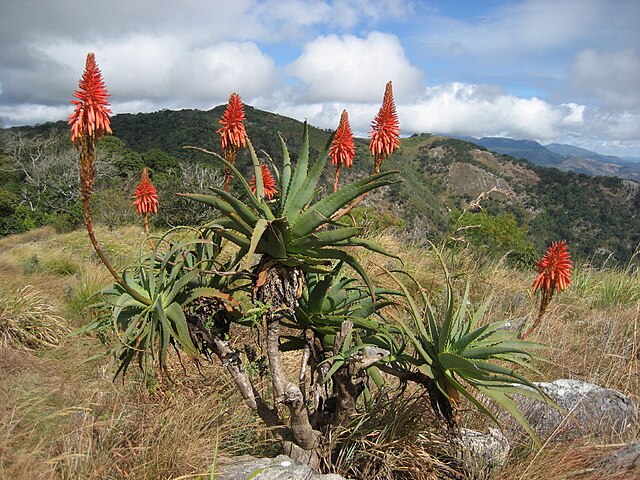
Most succulents originate from arid regions such as South Africa and Mexico. While these regions experience large temperature swings between day and night, sub-zero temperatures are rare. This means a Japanese winter—especially freezing weather and frost that drops below 0°C—presents harsh conditions far removed from the succulents' native environment.
The primary cause of winter succulent death is not the cold itself, but rather the combination of cold and moisture. Water stored in leaves and stems freezes and expands, rupturing cell structures and causing rot as it thaws. This damage, called frost damage, is difficult to recover from once it occurs. Conversely, with proper water management and temperature control, succulents can safely overwinter.
Indoor Management Basics: Placement and Light
The first step in overwintering is moving plants indoors. A good benchmark is when the minimum temperature consistently drops below 5°C. In Honshu, this typically occurs from mid-November to early December, though timing varies by region.
Indoors, it is essential to place plants on a bright windowsill if possible. A south-facing window is ideal, but an east-facing window with morning light often suffices. Keep in mind that sunlight through window glass is filtered of UV and significantly dimmer than outdoor light. Insufficient lighting causes "etiolation"—where stems stretch and weaken. Using LED grow lights as a supplementary light source is an effective solution. For varieties prone to etiolation, like Aeonium, inadequate winter light directly compromises the plant's appearance, so careful attention is needed.
Additionally, heated rooms often have excessively dry air. While succulents are naturally drought-tolerant, avoid placing them where direct heater air can reach them. Rapid moisture loss from leaves causes shriveling and damage. Window sills can cool significantly at night, so during cold snaps, move plants a short distance away from the window for safety.
Watering Management: Winter's Golden Rule
During winter, watering for most succulents should be greatly reduced or stopped entirely (drought dormancy).
Succulents enter a dormant phase during winter, nearly halting growth. Watering during dormancy leads to root rot, as roots cannot absorb the moisture. Especially below 10°C, prolonged wet soil causes root damage.
Here are specific guidelines by temperature:
- Indoor temperature 10–15°C: Reduce watering to one-third to one-quarter of summer frequency. Water lightly only 3–5 days after soil is completely dry.
- Temperature 5–10°C: Water once or twice monthly, lightly moistening only the soil surface.
- Temperature below 5°C: Nearly complete drought dormancy. Only mist the leaf surface lightly with a spray bottle.
Exceptions include Aloe aristata and Haworthia, which require minimal moisture even in cold conditions. For these, monthly minimal watering is preferable to complete drought. In contrast, Echeveria 'Momotaro' and sedum varieties like 'Rainbow Pearl' are highly drought-tolerant and require no water throughout winter.
When watering, always do so on clear mornings. This allows the soil to begin drying before nighttime temperature drops.
Frost Protection: Outdoor Overwintering and Cold Regions
Some varieties can overwinter outdoors. Sedums such as common stonecrop and Orostachys are hardy enough to survive even under snow. However, even for these species, it is safer to protect leaves from direct frost contact.
For outdoor overwintering:
- Use non-woven frost protection fabric: Lightweight and breathable, often requiring no daytime removal. Loosely covering pots provides frost protection and a slight insulating effect.
- Do not place pots directly on the ground: Ground contact transfers cold upward through pot bottoms. Placing pots on racks or shelves minimizes cold exposure.
- Position in south-facing eaves or against walls: Building heat and wall radiation create warmer microclimates. Reduced rain exposure also prevents excess moisture.
In cold regions (Tohoku, Hokkaido), even hardy varieties face high outdoor overwintering risk; indoor management is essential. Below –10°C, most succulents have difficulty surviving outdoors, with the exceptions of Sempervivum and some highly cold-hardy sedums and Orostachys. Conversely, relatively cold-sensitive hybrids and shrubby types like Graptoveria and Cotyledon should be moved indoors before the first frost.
Spring Preparation: Awakening Signs and Resuming Watering
From March onward, as minimum temperatures consistently stay above 10°C, succulent dormancy draws to a close. Begin gradually increasing watering to prepare for spring growth.
Signs of awakening include:
- Leaves display brighter, more vibrant color with restored luster
- New growth and fresh leaves begin to unfold
- Pups (baby offsets) emerge from the base
Resume watering gradually—increase frequency over the course of about two weeks rather than all at once. After extended dormancy, the fine root hairs have reduced, so sudden heavy watering risks root rot.
Winter-etiolated plants are good candidates for beheading (decapitation)—cutting the stem midway to reshape the plant—performed just before spring growth begins. Allow the cut surface to dry for several days, then insert into fresh soil. Spring's vigorous growth energy accelerates rooting and establishment.
Begin fertilizing 1–2 months after resuming watering, once new growth is clearly visible. Applying fertilizer too soon after dormancy can damage roots; observe the plant patiently before feeding.
Succulents that have successfully overwintered thrive during spring and summer with robust growth. Continued careful management allows you to enjoy reliable growth and propagation year after year—one of the greatest rewards of cultivating succulents.