Succulent Winter Care and Cold Protection Guide
Succulent cold hardiness varies greatly by species. This guide explains winter management for winter-growing, summer-growing, and spring-autumn-growing types, timing for bringing plants indoors, reducing watering, and frost prevention measures.
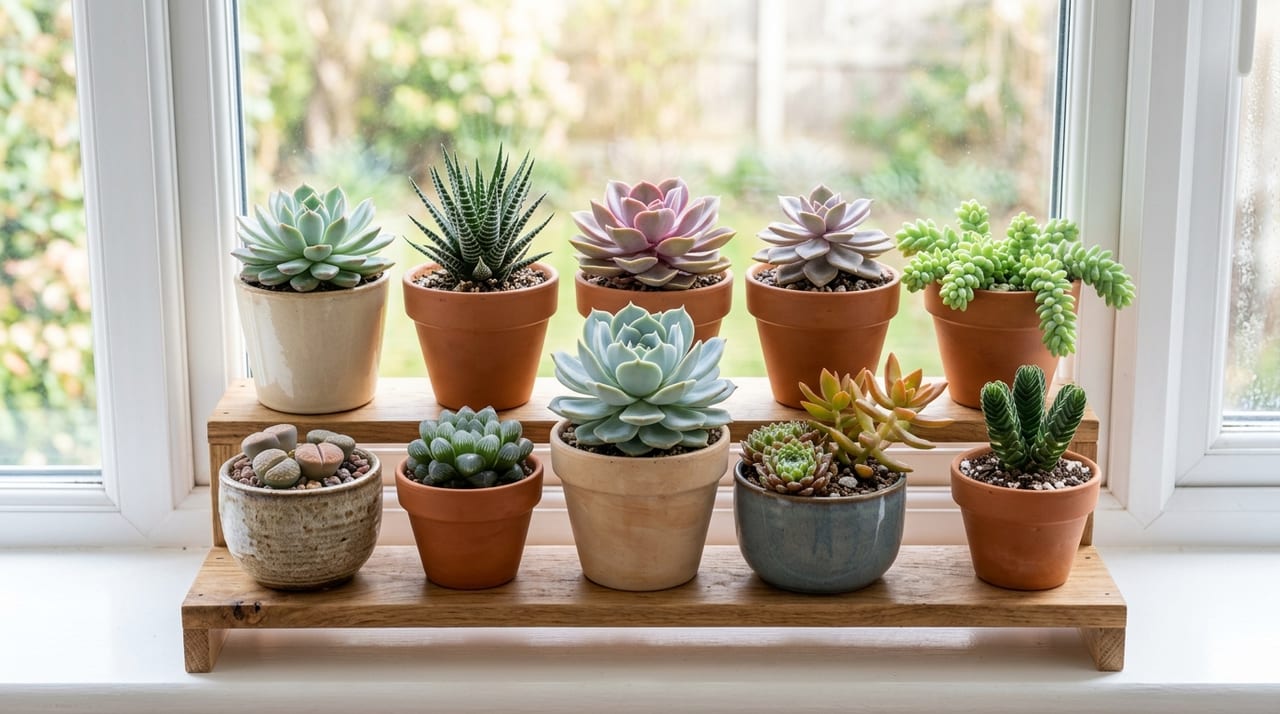
Key Takeaways
Succulent cold hardiness varies greatly by species. This guide explains winter management for winter-growing, summer-growing, and spring-autumn-growing types, timing for bringing plants indoors, reducing watering, and frost prevention measures.
Related Species
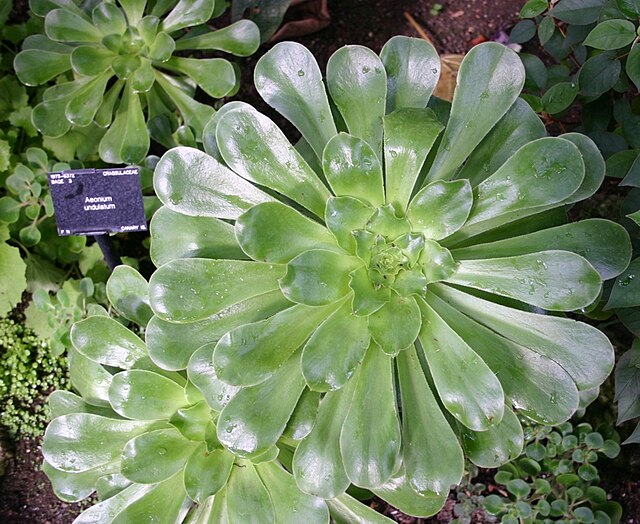
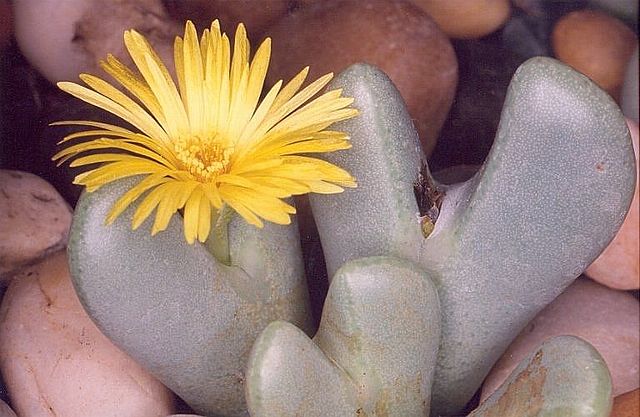
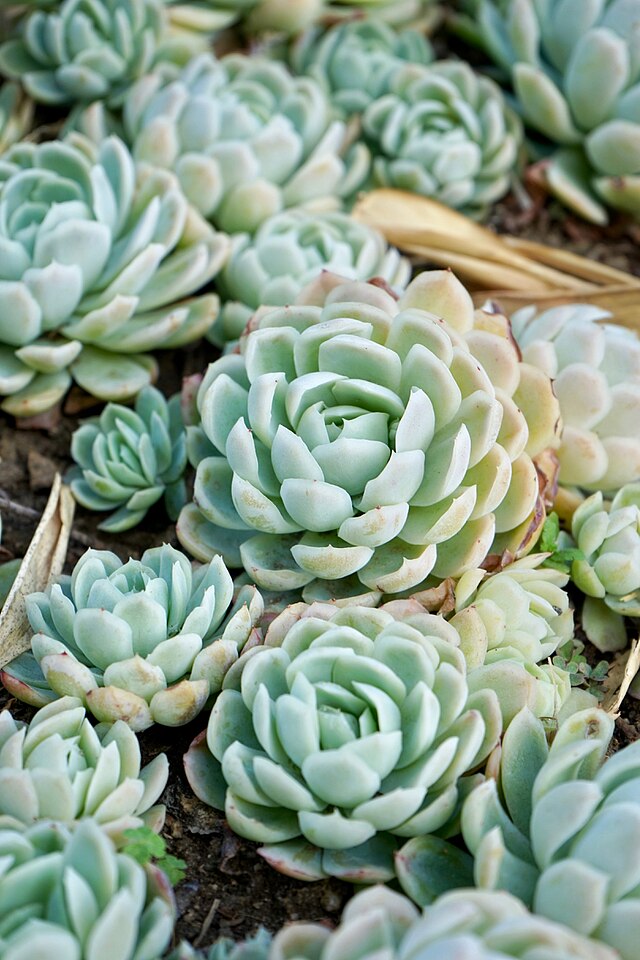
Succulents store water in their thick leaves and thrive even in harsh environments. However, contrary to the image of being "cold-hardy," winter losses are common. One major reason is uniform management that ignores growth type.
Succulents fall into three growth types—"winter-growing," "summer-growing," and "spring-autumn-growing"—each requiring completely different winter care. Identifying which type you have and providing appropriate watering, temperature management, and placement is the key to successful winter survival. This guide covers growth-type-specific management, indoor care tips, and frost and condensation prevention, explained in detail for beginners.
Winter Care by Growth Type
Winter-Growing (Aeonium, Lithops, Conophytum, etc.)
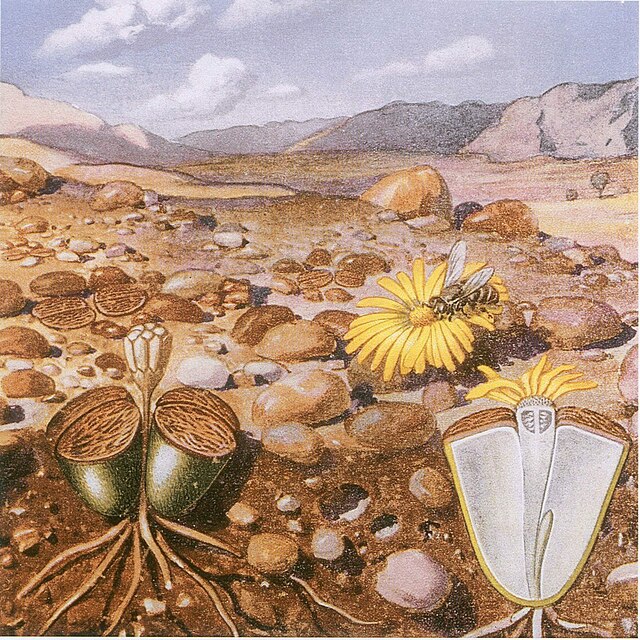
Winter-growing succulents actively grow during cool seasons. Since they originate from regions with Mediterranean climates or high-altitude South African areas where winters are mild and rainy, they continue growing even at low temperatures.
- Watering: Winter is their growing season, so water at normal frequency. Water thoroughly when soil is dry.
- Placement: Position on a sunny south-facing windowsill or similar bright location to maximize light exposure.
- Temperature Management: Relatively cold-hardy, but freezing below 0℃ is fatal. Lithops and Conophytum in particular contain abundant moisture; when frozen, cell damage becomes irreversible.
- Note: These plants go dormant during summer (hot, humid season), so seasonal management adjustments are crucial.
Summer-Growing (Echeveria, Kalanchoe, Crassula, etc.)
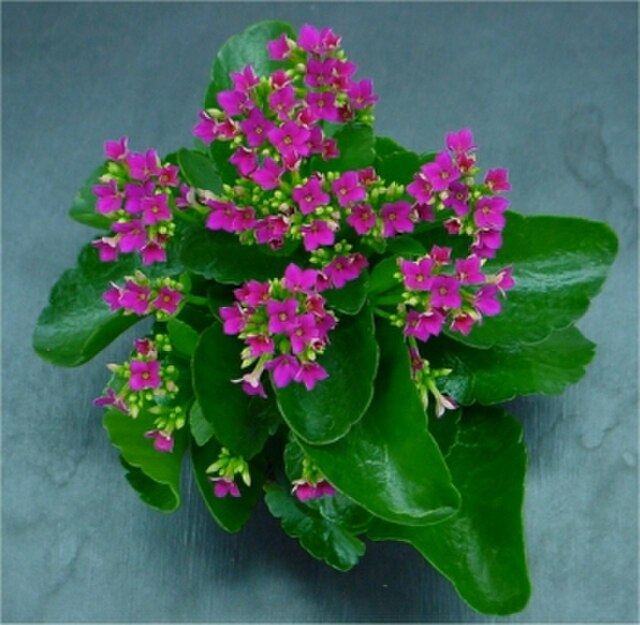
Summer-growing types thrive in warm seasons and enter near-dormancy during winter. Echeveria, one of the most popular succulents, belongs to this category.
- Watering: During dormancy, metabolism drops significantly, so reduce watering to once or twice monthly. A slightly drier approach actually increases the plant's cold tolerance.
- Placement: A bright windowsill indoors is ideal. Low light causes etiolation (spindly growth), so provide as much natural light as possible.
- Temperature Management: Aim to maintain at least 5℃. Some varieties tolerate temperatures around 3℃, but maintaining a safety margin is wise.
- Note: Overwatering in winter causes root rot. Aim for slightly less water than feels adequate—that's just right.
Spring-Autumn-Growing (Haworthia, Sedum, Graptopetalum, etc.)
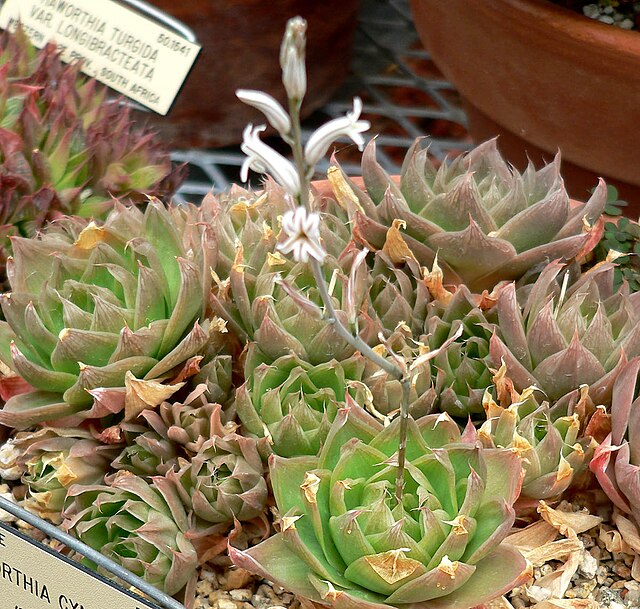
Spring and autumn are peak growth seasons; both summer heat and winter cold stress these types. Haworthia tolerates shade and suits indoor management, making it popular with beginners.
- Watering: Growth slows but doesn't stop completely, so water approximately once every two weeks.
- Placement: Strong direct sun causes leaf scorch; bright shade or filtered sunlight through sheer curtains is best.
- Temperature Management: 5–10℃ allows trouble-free winter survival. Haworthia is especially cold-hardy; many varieties tolerate near-freezing temperatures.
- Note: Outdoor-suitable varieties like Sedum can sometimes overwinter outdoors if protected from frost.
Timing and Placement for Bringing Plants Indoors
Bring outdoor succulents inside before minimum temperatures consistently drop below 5℃. Depending on your region, this typically occurs mid-to-late November on Honshu.
Bring-In Tips
- Check the weather forecast regularly: Move plants indoors immediately if sudden cold or frost is predicted.
- Don't change environment abruptly: Placing plants in suddenly warm indoor air can stress them. Start by keeping them indoors during the day, then gradually acclimate over several days.
- Inspect for pests: Before moving indoors, check pot bottoms and rosette crevices for slugs, pill bugs, or other pests.
Indoor Placement
- South-facing windowsills offer the best light and are ideal.
- Ultraviolet light penetrates window glass partially, but indoor light is significantly dimmer than outdoors. Consider supplemental LED grow lights if possible.
- Avoid areas where heaters blow directly, as the air becomes overly dry.
Frost Prevention and Condensation Control
Winter succulent care requires attention to frost and condensation, both potentially causing serious damage if neglected.
Frost Prevention
- Windowsills are warm during the day but can cool to near outdoor temperatures at night. Move plants at least 30 cm away from windows after sunset.
- Using foam insulation boxes provides excellent insulation and prevents sudden temperature swings. This is especially helpful when managing multiple plants.
- Lightweight frost cloth draped loosely over plants can provide several degrees of warming protection.
Condensation Control
- Water droplets from condensation collecting on leaves and crown areas cause gray mold and soft rot disease.
- The primary solution is ensuring air circulation. Open windows slightly, use a small fan to circulate air, and explore other ventilation strategies.
- Rosette types (such as Echeveria) especially trap water in their centers; gently wipe dry with cotton swabs or soft tissues after watering.
Common Winter Failures and Solutions
Overwatering
Overwatering dormant succulents causes root rot. Use the approach: "Wait until soil is completely dry, then wait several more days." Winter evaporation is slow; watering at summer frequency causes waterlogging.
Etiolation from Low Light
Indoor management reduces light, causing etiolation (spindly, stretched growth). Place plants in the brightest location available and use grow lights. When moving plants outdoors in spring, gradually introduce them to direct sun to prevent leaf scorch.
Drying from Heating
Indoor heating drastically reduces humidity. While succulents tolerate dryness, excessively dry air increases spider mite outbreaks. If using a humidifier, ensure water vapor doesn't contact plants directly.
Summary: Knowing Growth Type Is Key to Winter Success
Succulent winter survival follows three steps: "Accurately identify growth type → Apply appropriate watering and temperature management → Protect from frost and condensation."
| Growth Type | Winter Watering | Ideal Temperature | Representative Species |
|---|---|---|---|
| Winter-growing | Normal frequency | 0℃+ | Aeonium, Lithops |
| Summer-growing | Once or twice monthly | 5℃+ | Echeveria, Kalanchoe |
| Spring-autumn-growing | Every two weeks | 5–10℃ | Haworthia, Sedum |
With experience, you'll become sensitive to subtle signs like "this one looks less vigorous" or "the leaf color has changed," enabling more thoughtful care. Successfully overwintered succulents reward you with beautiful new growth in spring. Use this guide as a reference and help your cherished succulents thrive through winter.
At GrowerDirect, you can purchase succulents directly from specialty growers. Getting winter care advice from the grower when purchasing is a major benefit of direct sales. If you're looking for rare varieties or plants in top condition, be sure to check out GrowerDirect.